

Quick Answer
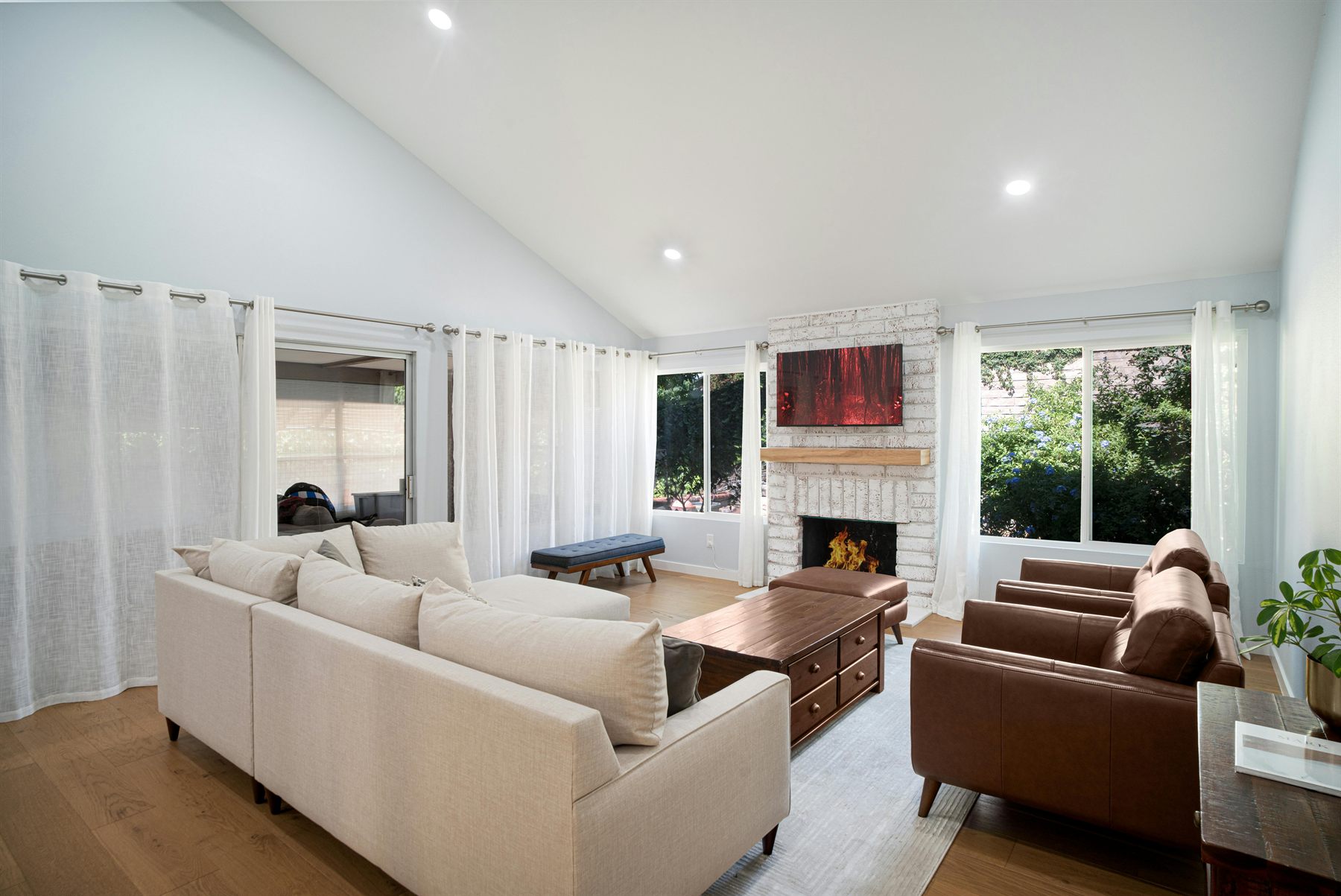
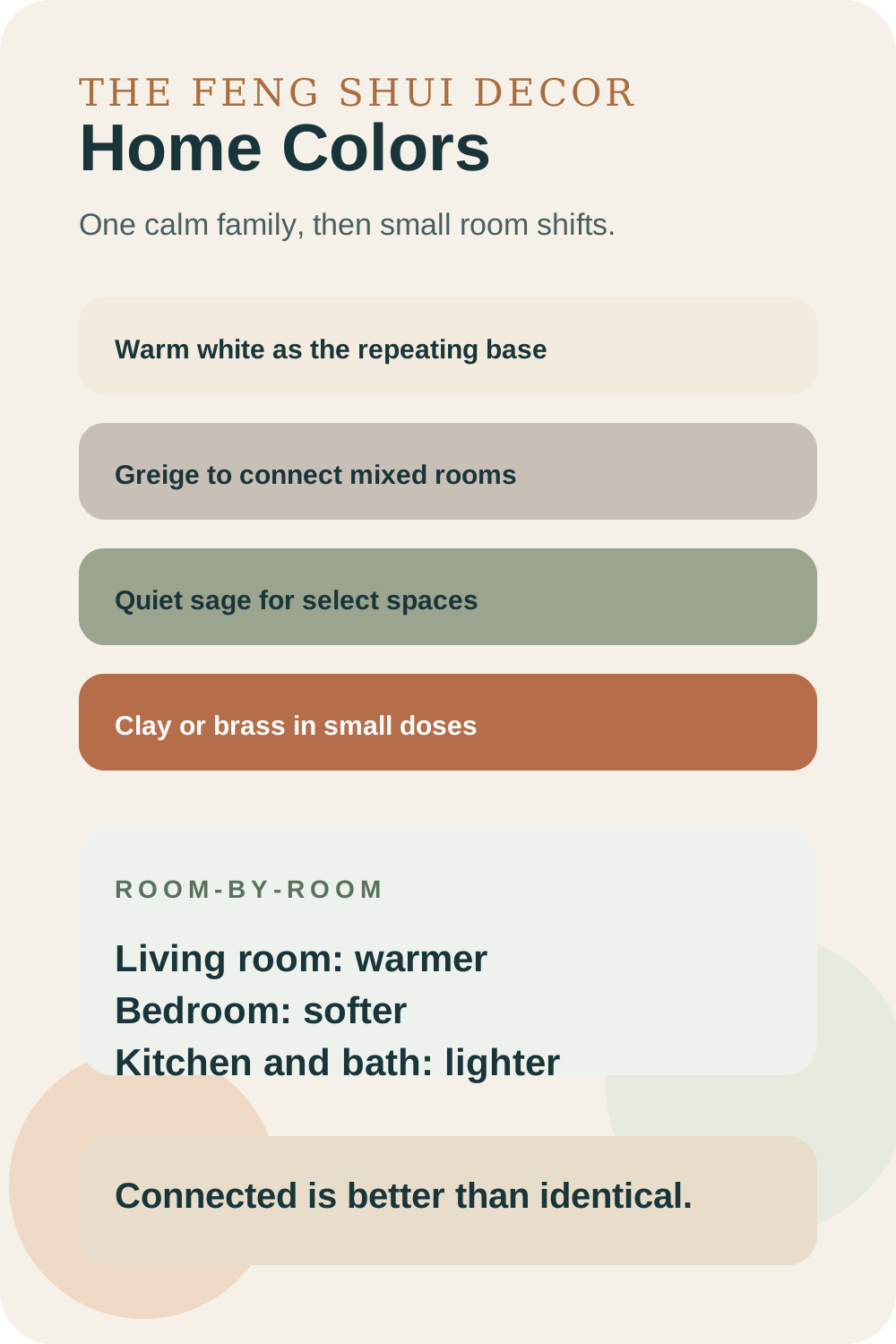
The best feng shui colors for a home are warm white, soft greige, quiet sage, dusty blue-green, mushroom, natural wood, and smaller touches of clay or brass. The goal is not to make every room match. It is to make the whole house feel connected.
Whole-home color usually gets easier when you stop looking for one magic paint color and start building a family of colors that can move from room to room.
In feng shui terms, the home feels better when there is a sense of flow between spaces. Color is one of the quickest ways to create that. A good whole-house palette gives the eye enough continuity to relax, then lets each room shift in a small but useful way depending on how that room should feel.
Whole-Home Colors That Usually Work Best
The strongest whole-home palettes stay flexible. They can support a living room, then still make sense in a bedroom, hallway, kitchen, or office. That is why softer neutrals and natural muted tones usually beat harder statement colors for an entire house.
The most useful whole-home color directions
These colors usually connect rooms well without flattening the personality of the house.
Warm white
Open and forgiving
Warm white + Oat + Oak
Best for the base layer that repeats across hallways, trim, ceilings, and brighter rooms.
Soft greige
Quiet and connecting
Soft greige + Mushroom + Walnut
A strong bridge color when the home has mixed woods, mixed furniture styles, or open-plan rooms.
Quiet sage
Restorative and lived-in
Quiet sage + Cream + Walnut
Excellent for one or two rooms that need a little more life while still staying compatible with the whole house.
Dusty blue-green
Calm with cool relief
Dusty blue-green + Greige + Moss
Helpful in brighter homes that need a cooler room here and there without breaking the larger palette.
Muted clay accent
Warm and welcoming
Muted clay accent + Warm white + Brass
Best through art, textiles, pottery, and one or two accent moments rather than every wall.
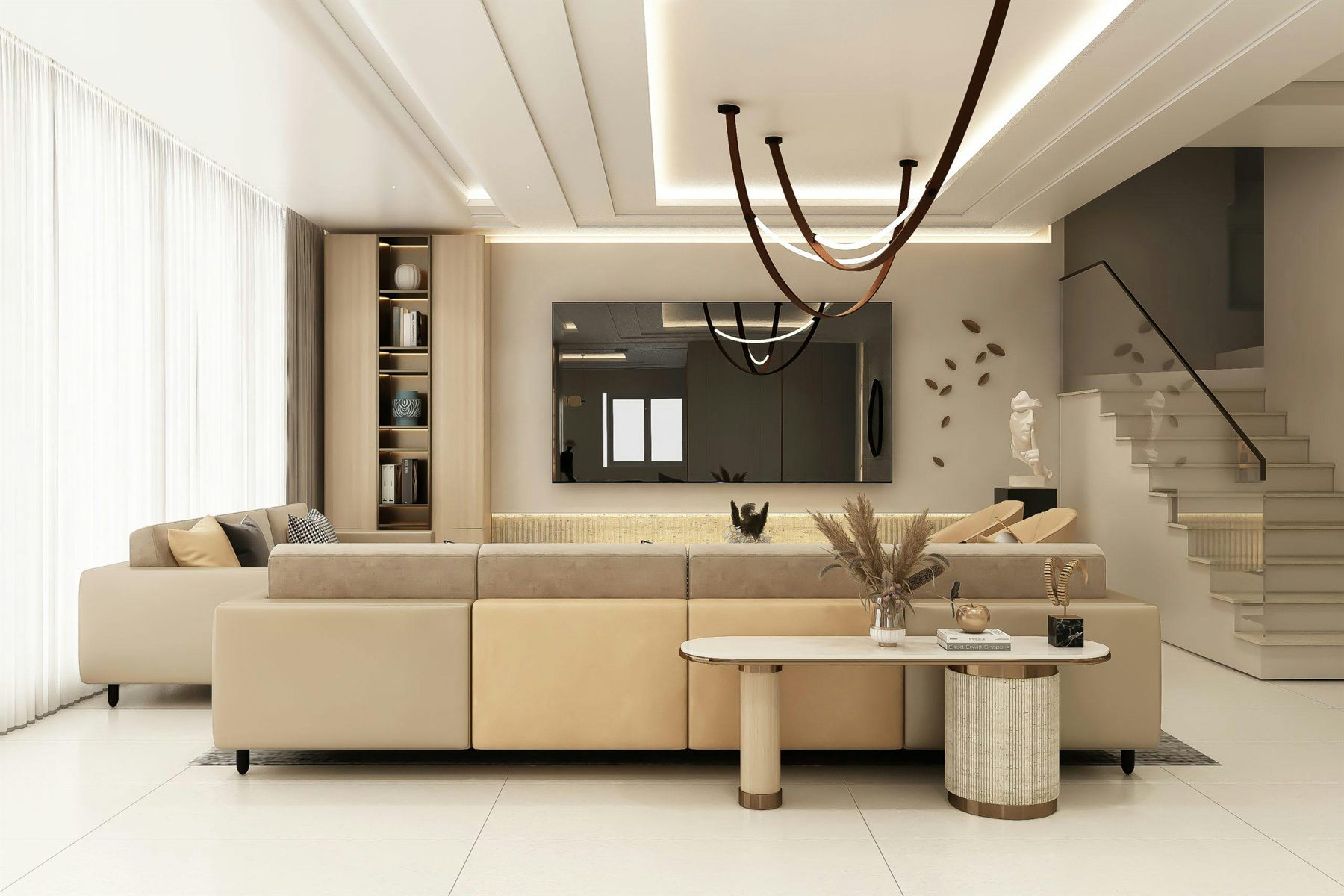
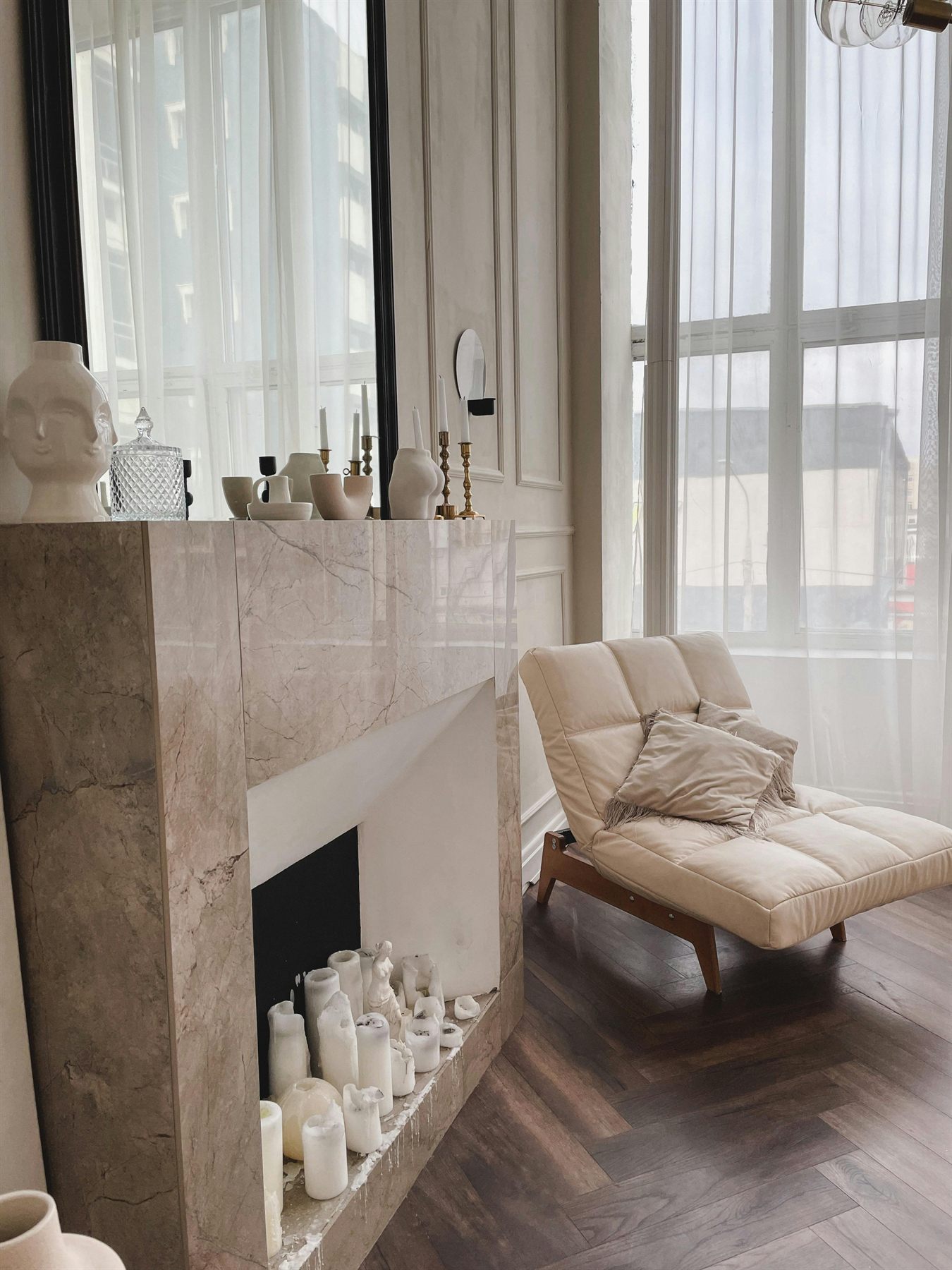
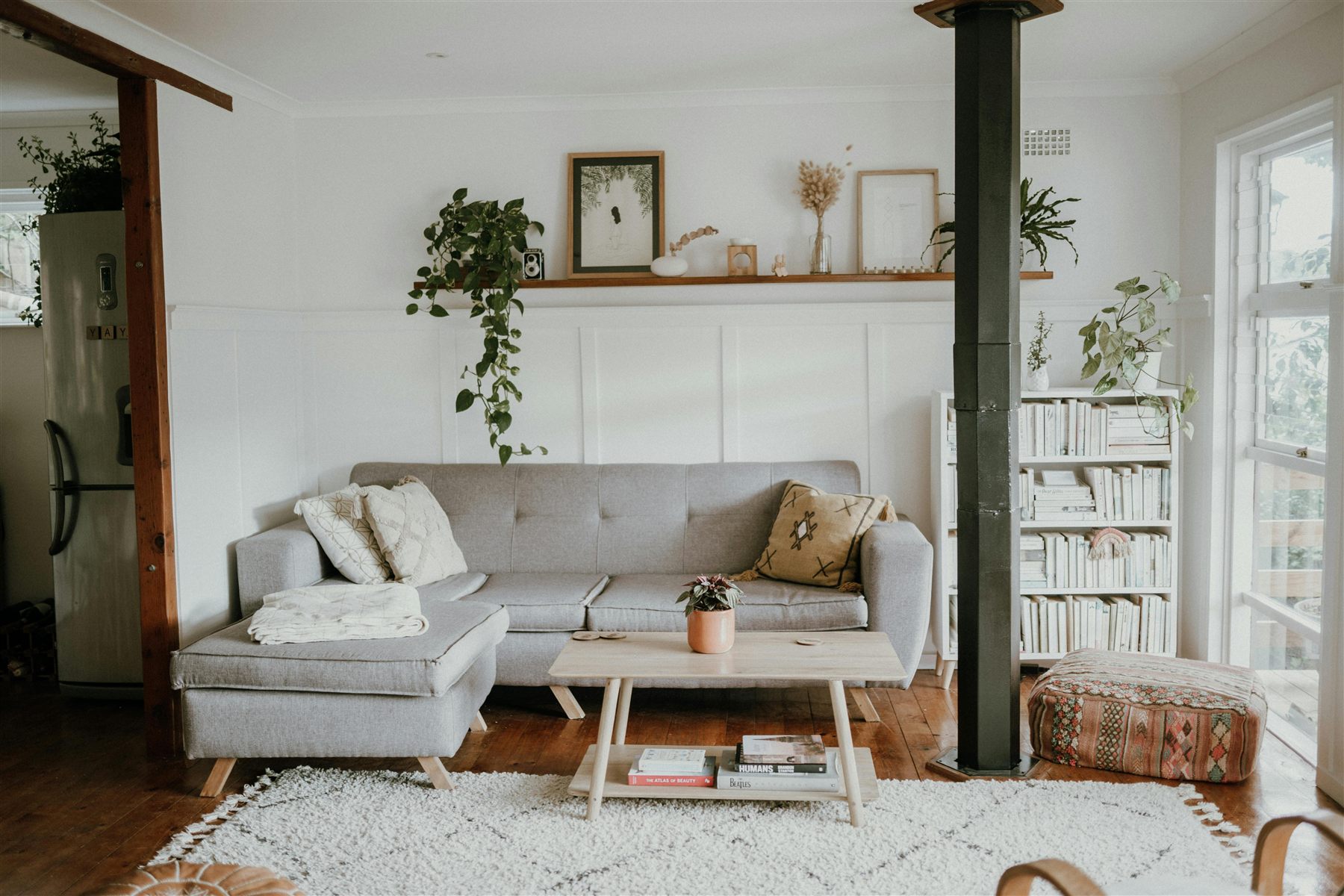
Three whole-home palette families that usually connect rooms well
Warm and airy house
Warm white + Oat + Oak
A dependable formula for homes that want brightness and softness without losing warmth.
Quiet grounded home
Soft greige + Quiet sage + Walnut
Good when you want the house to feel calmer and slightly richer, but still highly flexible room to room.
Cool relief with warmth
Dusty blue-green + Warm white + Clay accent
Helpful for brighter homes where a little blue-green keeps the palette fresh as long as warmer materials keep repeating.
How to Connect Rooms Without Making Them Identical
A good whole-house palette has one sentence behind it. Maybe the house is warm and airy. Maybe it is calm and grounded. Maybe it is neutral with a little muted green running through it. Once that sentence is clear, room choices get much easier.
A simple whole-home color ratio
60% base
Warm white or soft greige
Repeat one warm neutral across the home so the house stays visually connected.
30% support
Sage, mushroom, or blue-green
Use a grounding secondary tone in selected rooms and larger furniture pieces.
10% accent
Clay, brass, or darker wood
Let the warm accent show up through styling instead of bigger walls.
Give each whole-home color one job
Best connecting base
Warm white or soft greige
Repeat one calm neutral through hallways, trim, or the main wall field so the house feels visually continuous.
Best room-shift color
Quiet sage or dusty blue-green
This is the secondary family color that lets one room feel fresher or calmer without breaking the larger palette.
Best warm accent
Clay, brass, or darker wood
The warmer accent keeps the whole house from feeling washed out and adds repeatable human warmth through decor and finishes.
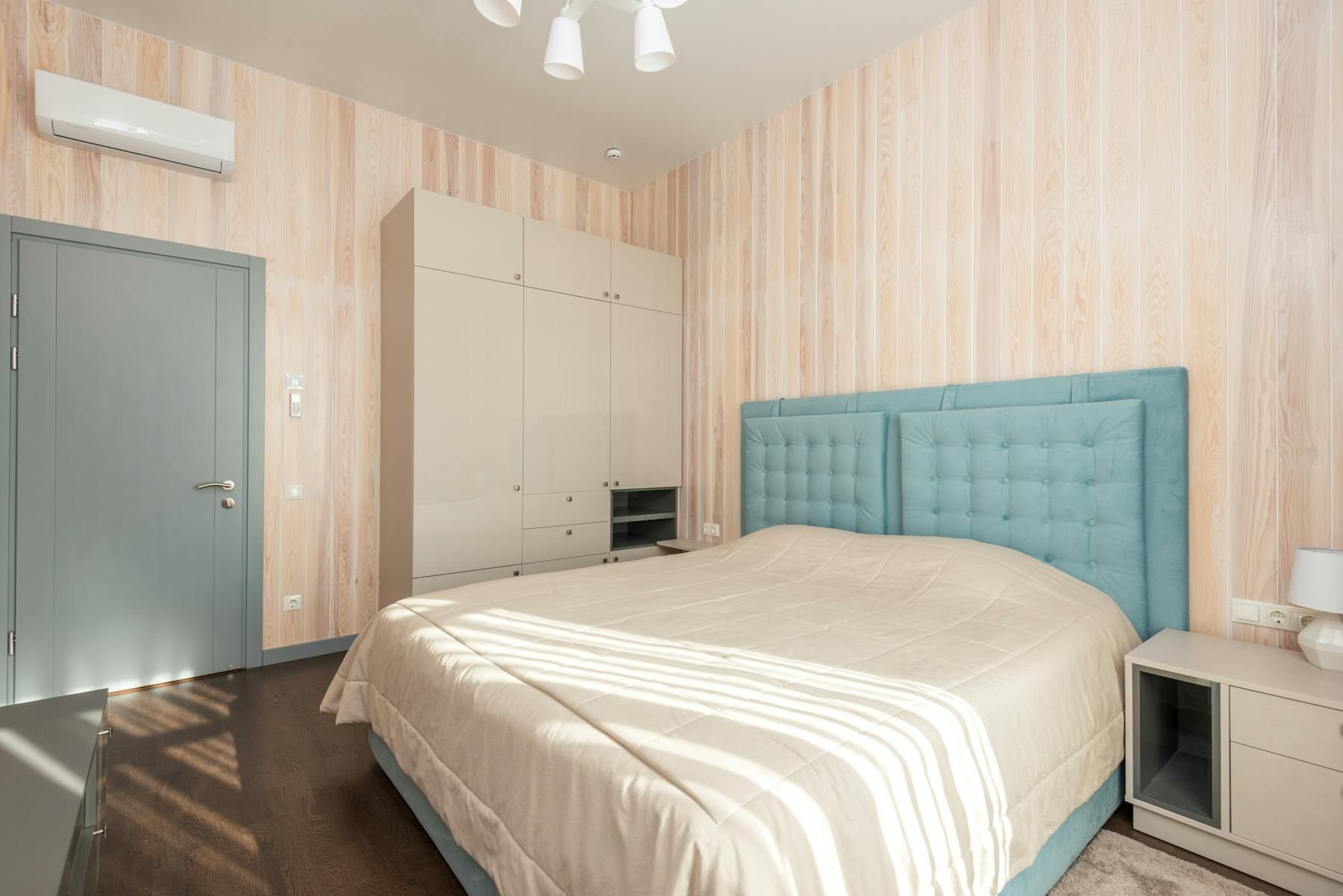
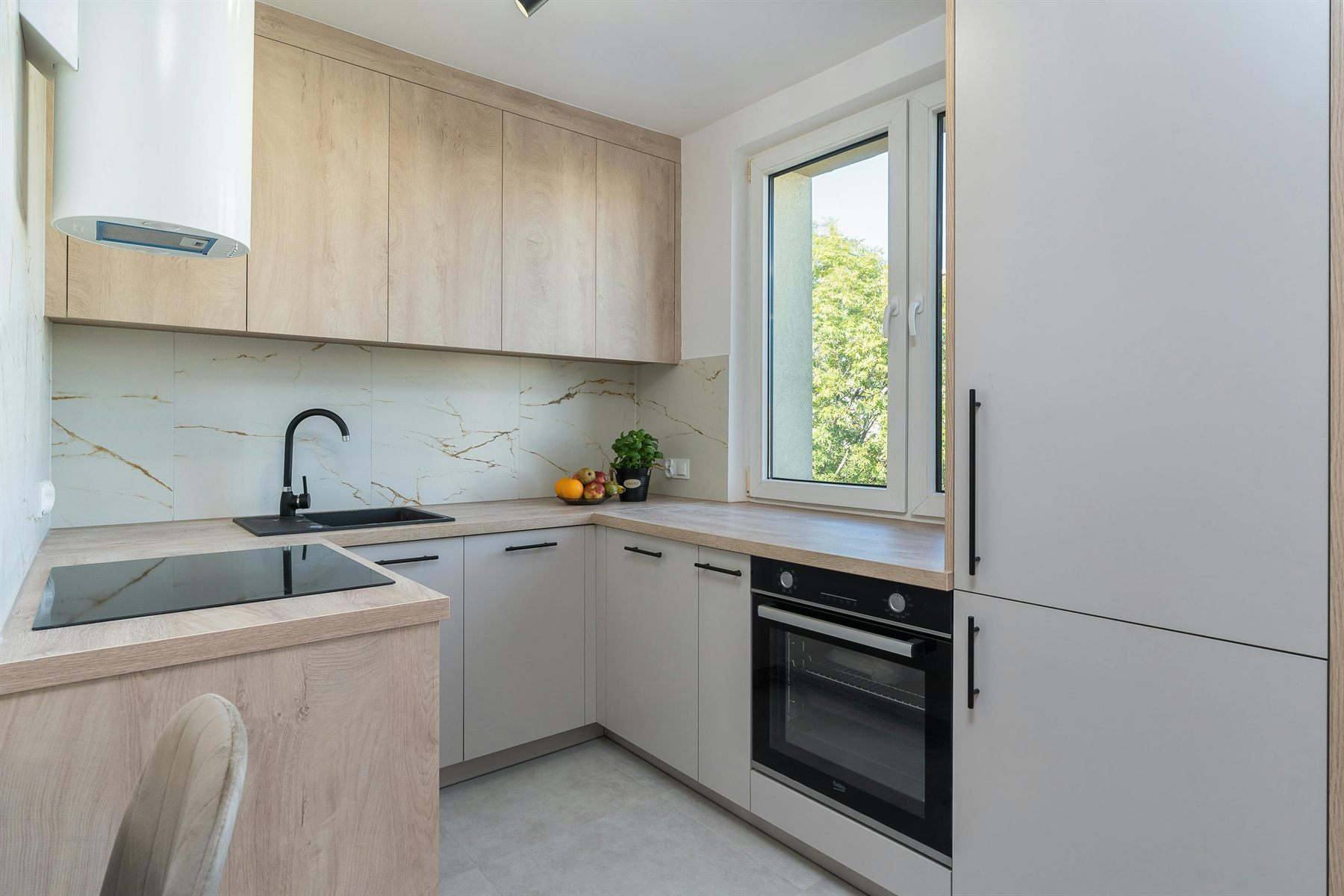
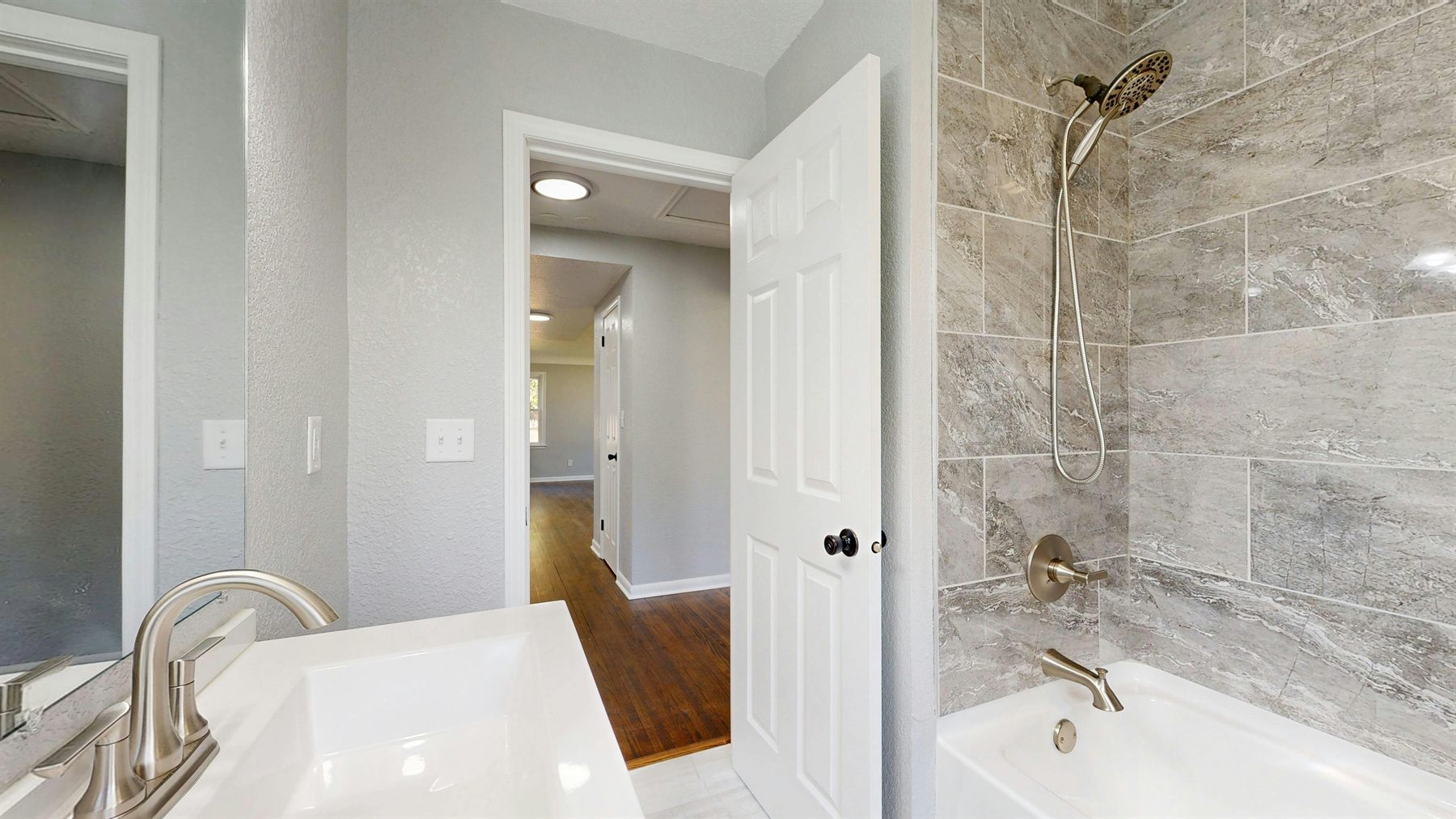
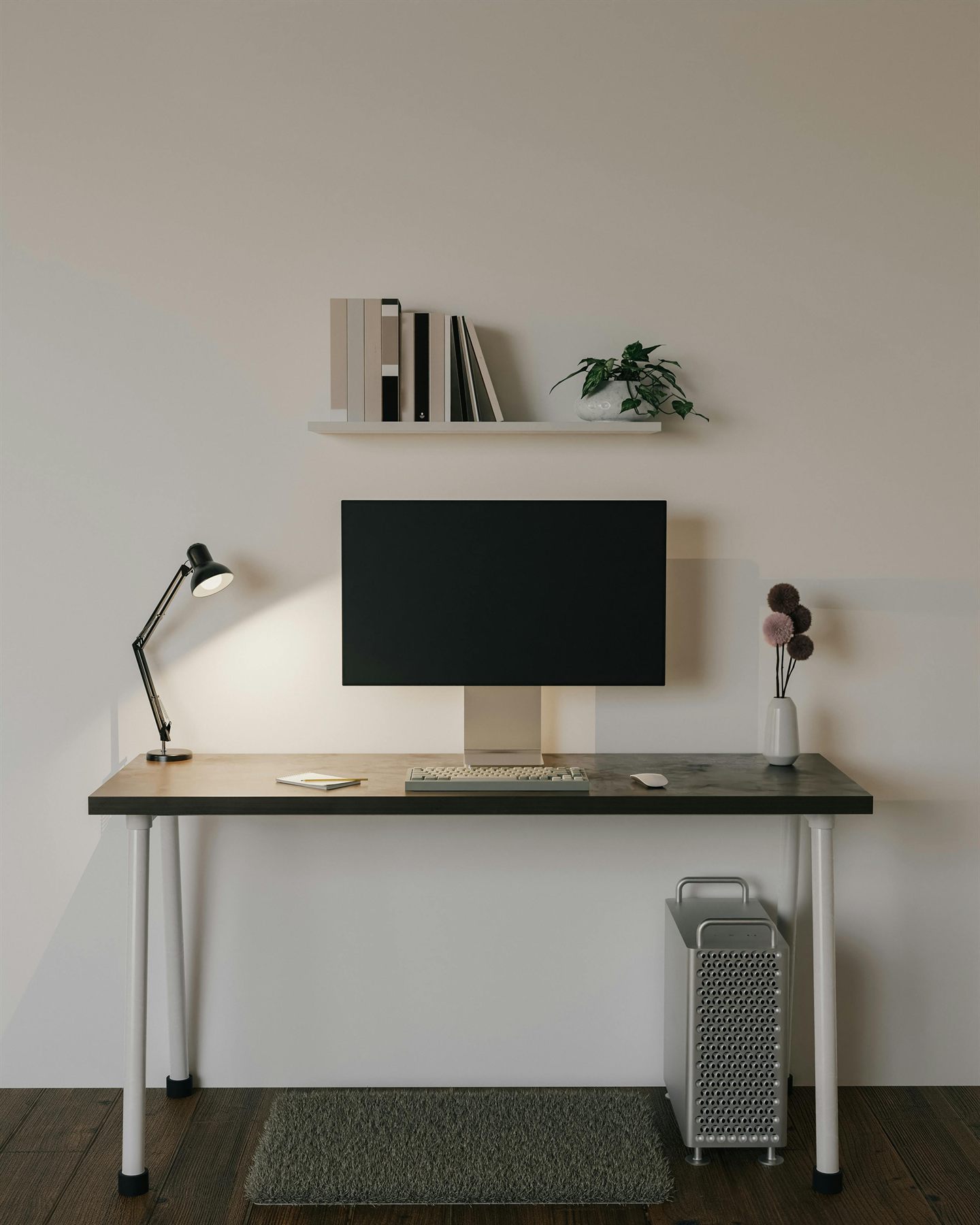
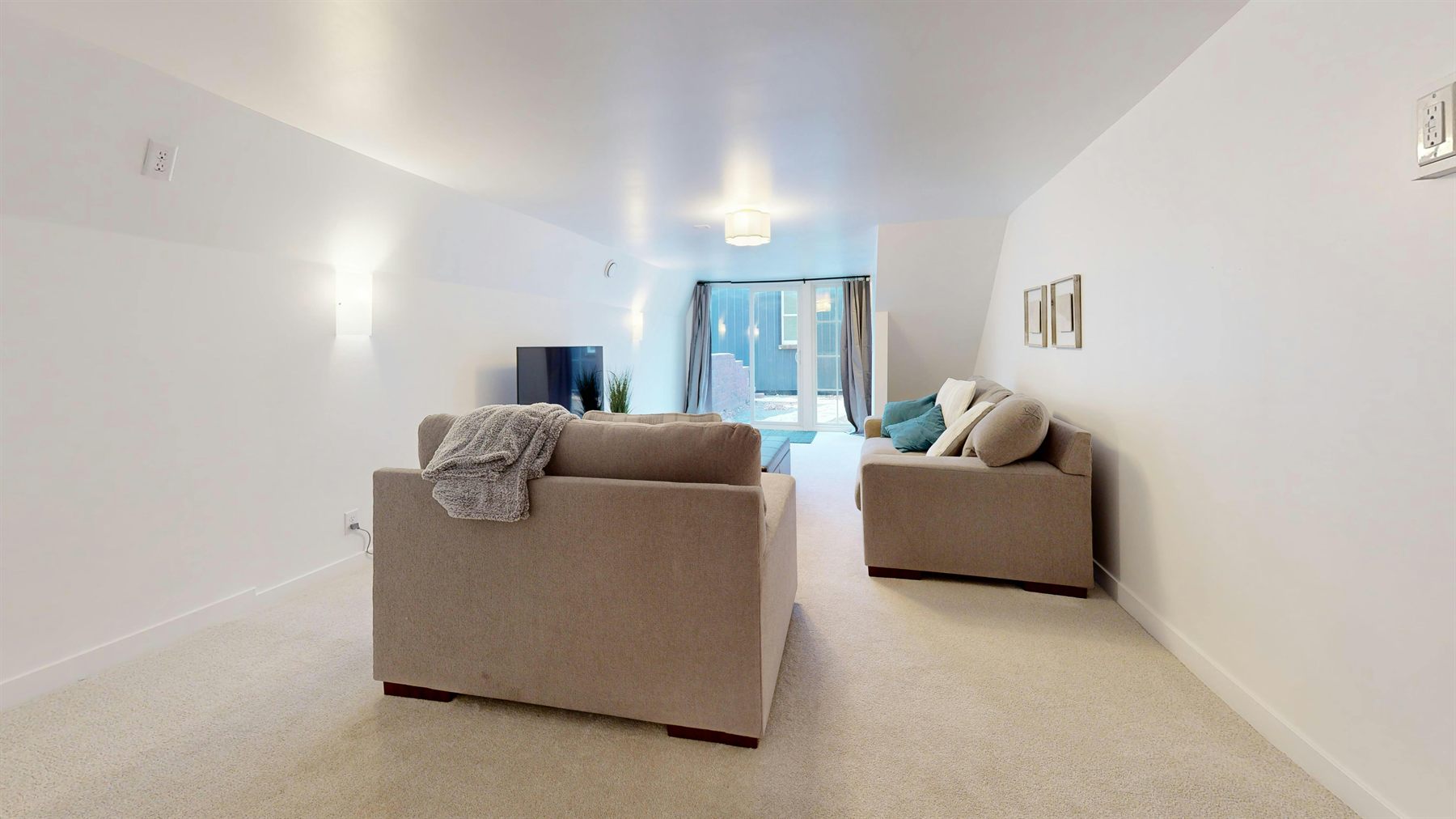
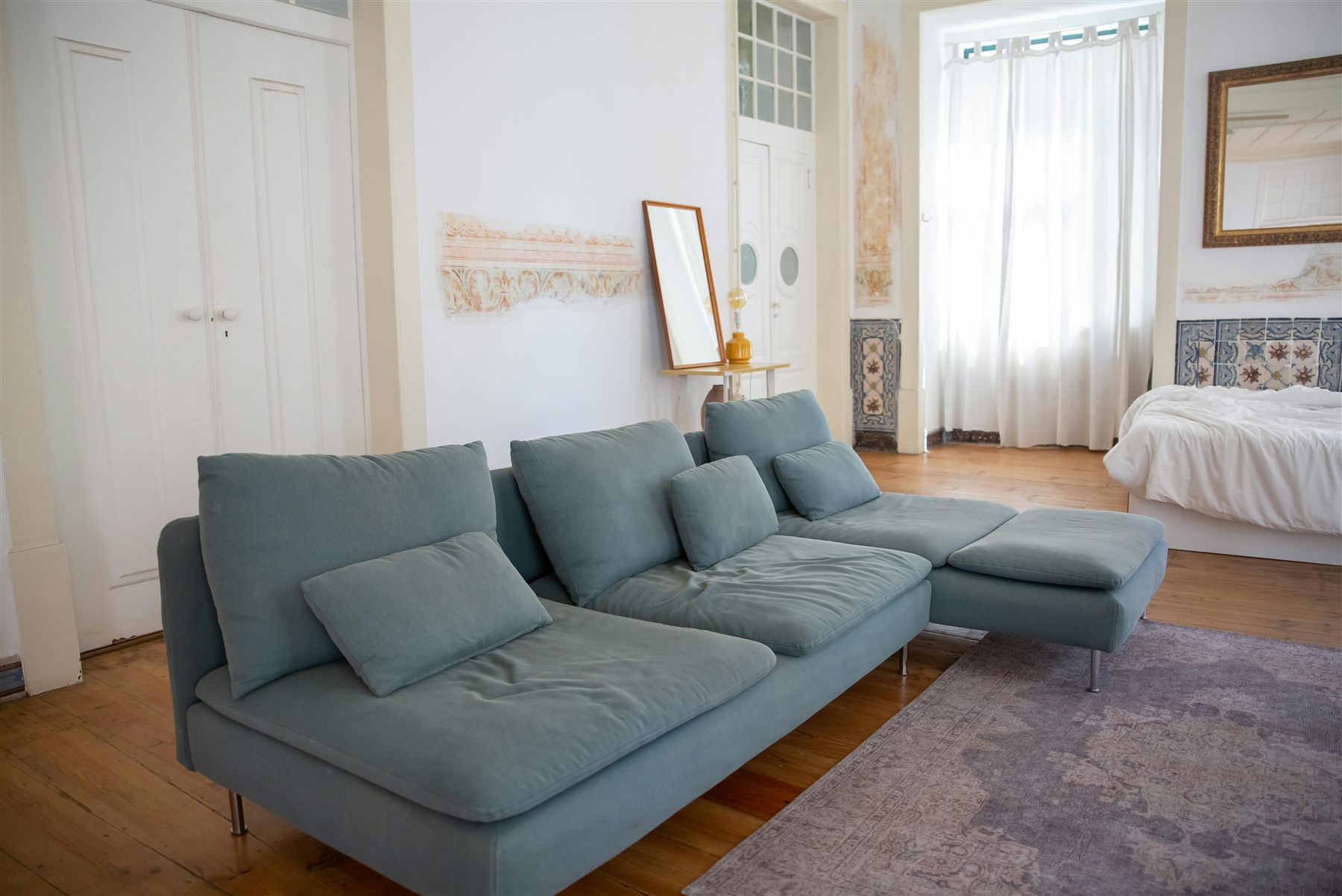
This is also why room-specific guides are useful. A whole-home palette gives you the family. Then each room gets its own emphasis. If you want to go deeper, the clearest follow-ups are feng shui colors for living room, feng shui colors for bedroom, feng shui colors for kitchen, feng shui colors for bathroom, and feng shui colors for office.
Whole-Home Colors to Use More Carefully
A whole home usually starts to feel disjointed when every room chases a different statement. One harsh black room, one icy gray room, one bright yellow room, and one red accent room can all be fine on their own, but together they often make the house feel emotionally scattered.
Avoid this whole-house trap, try this instead
Avoid this
Icy gray + Hard red + Sharp yellow
The house can start to feel fragmented, even if each room looks fine on its own.
Try this instead
Warm white + Greige + Quiet sage
The home stays connected while each space still gets a little personality.
The bottom line
The best feng shui colors for home usually create a sense of continuity first. Warm white, soft greige, quiet sage, blue-green, wood, and smaller clay accents do that well because they can move from room to room without fighting each other.
If you want the simplest whole-house rule, choose one calm base, repeat it often, and let each room shift only as much as its function needs. That is what keeps the home both connected and alive.