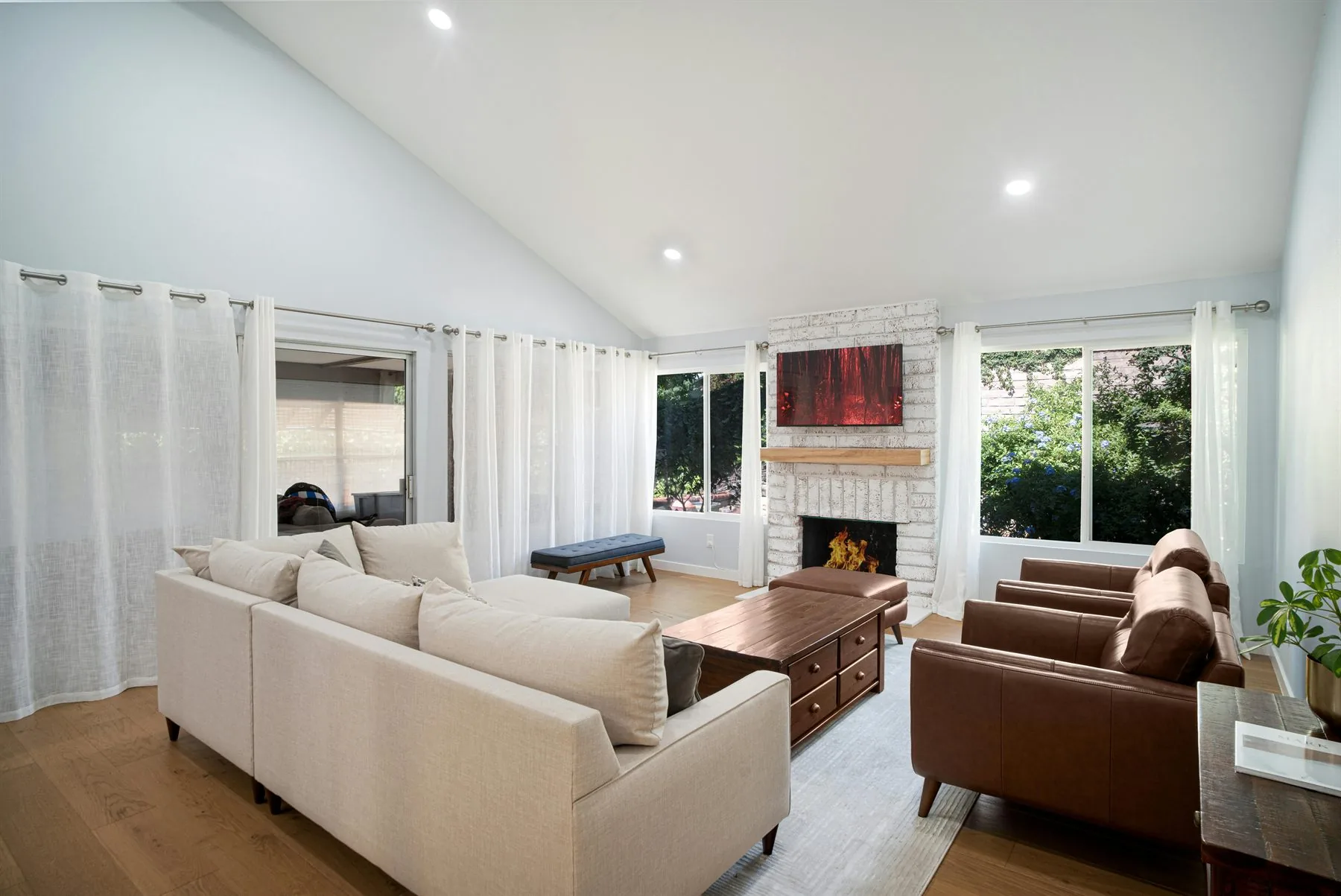
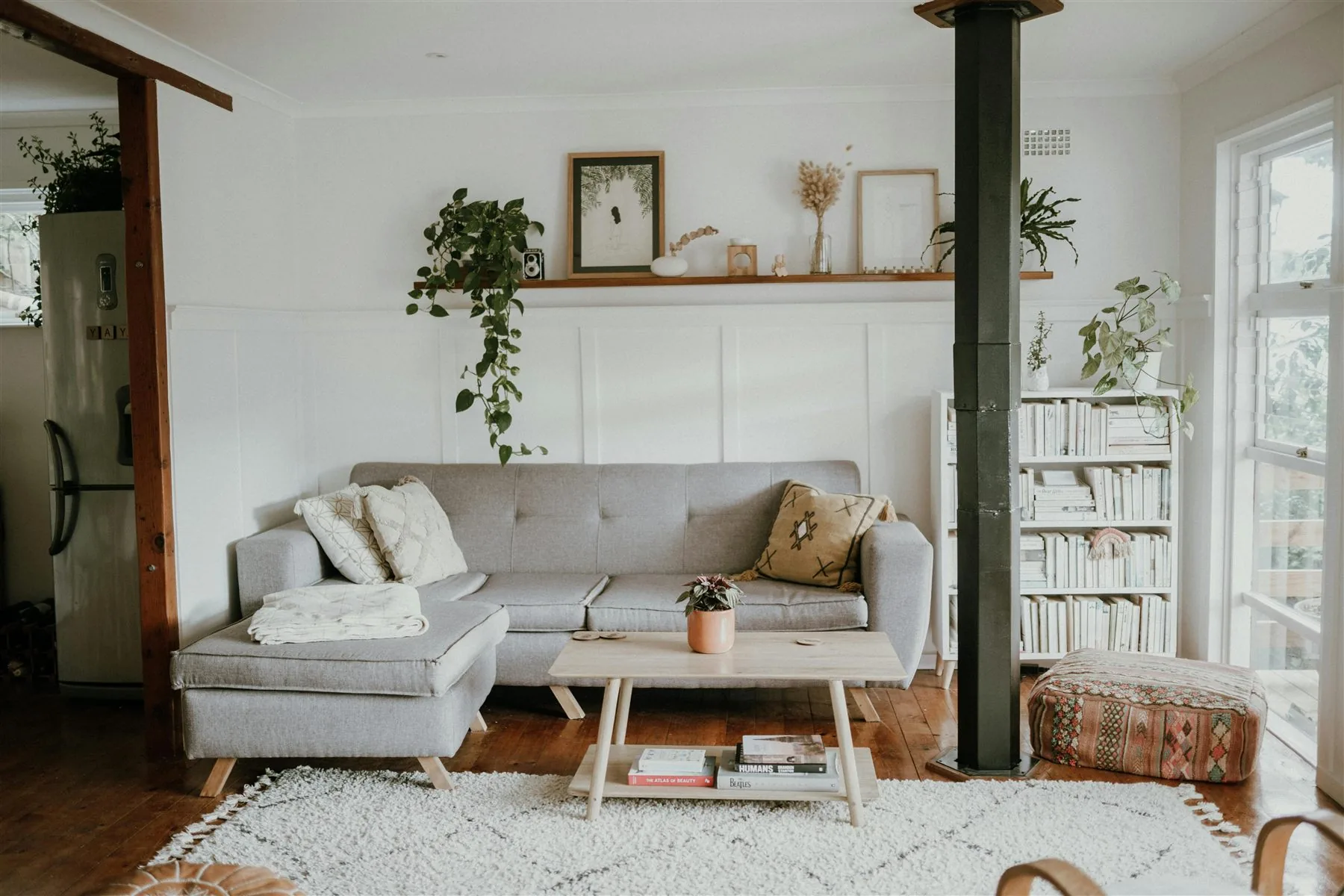
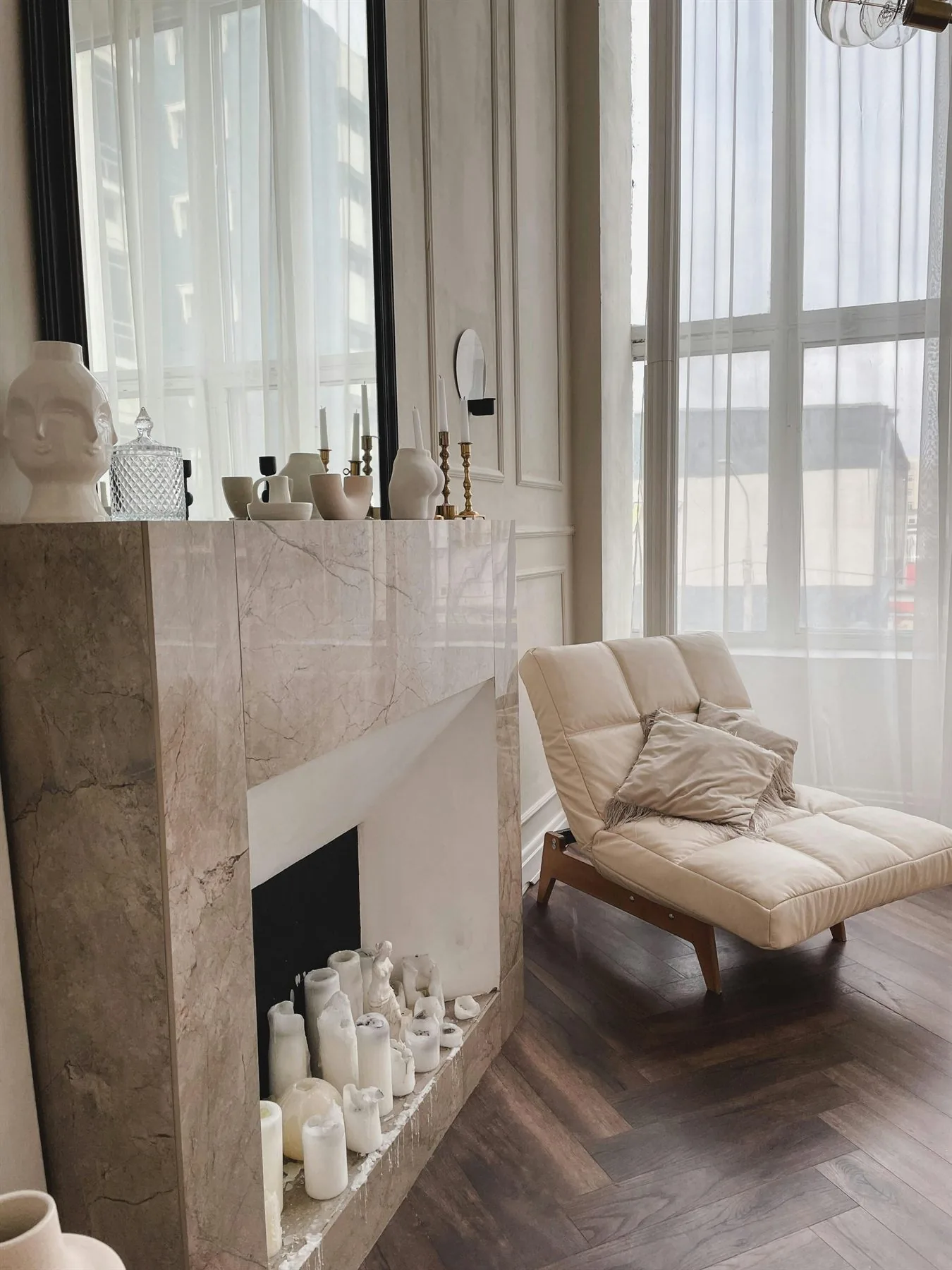
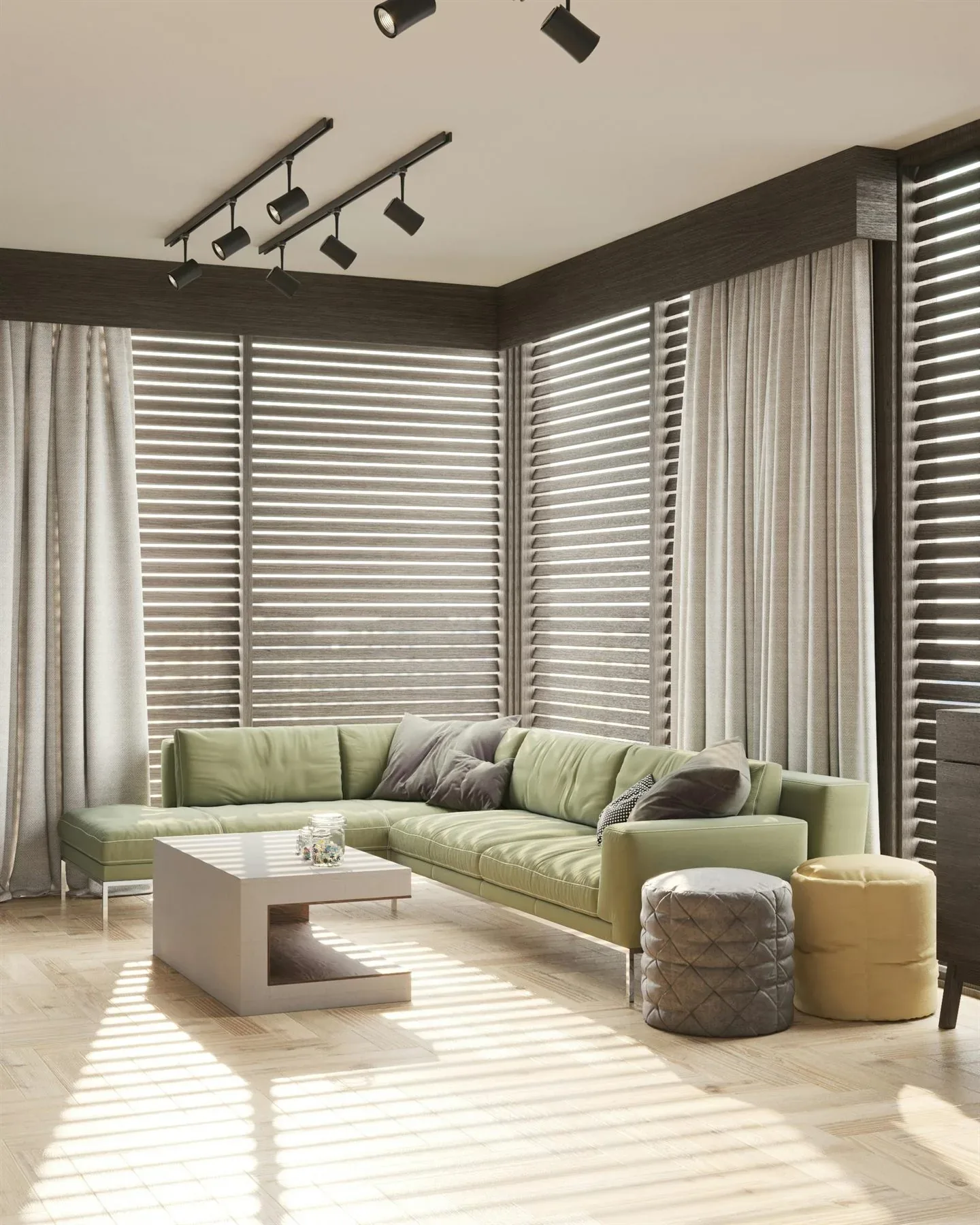
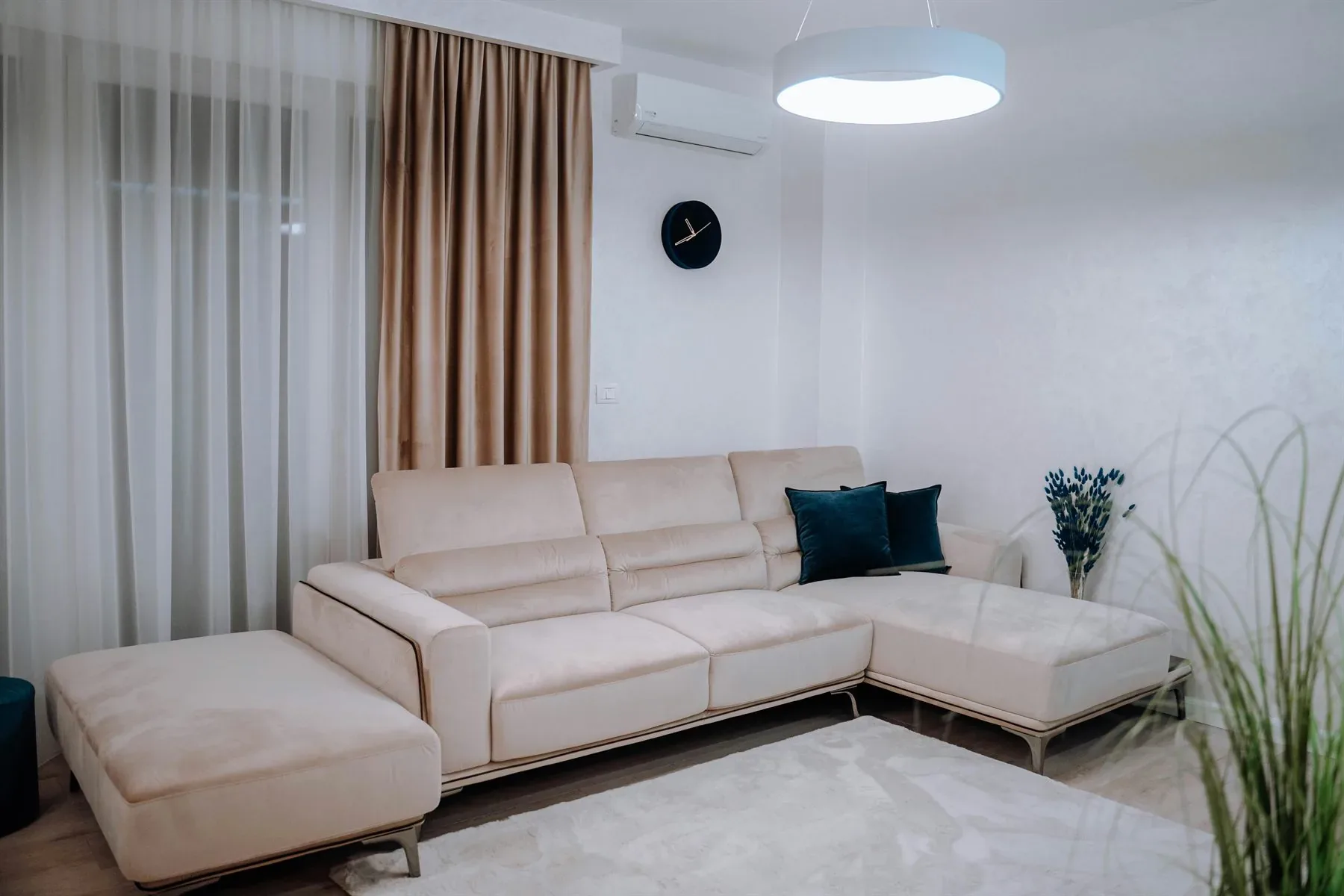
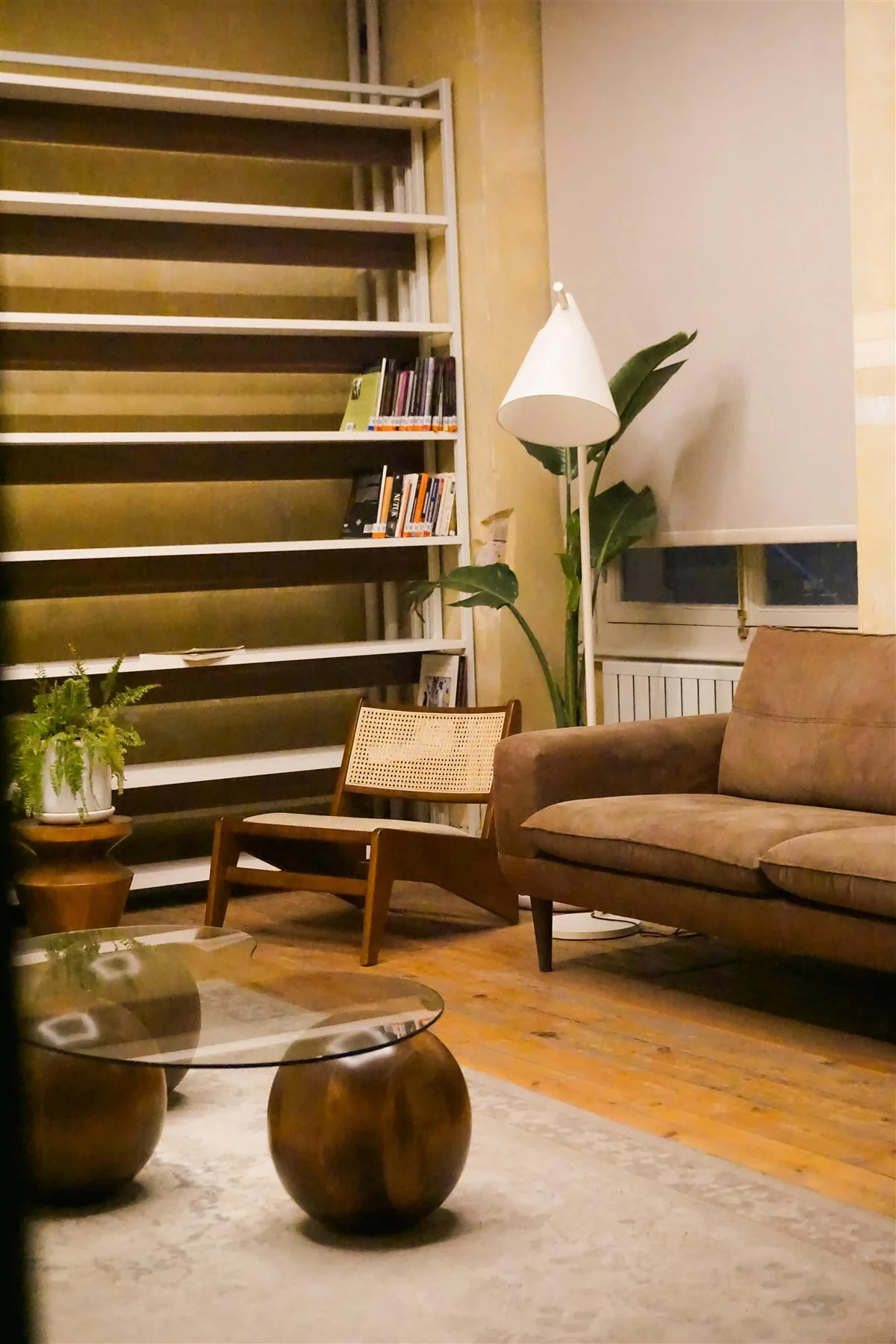
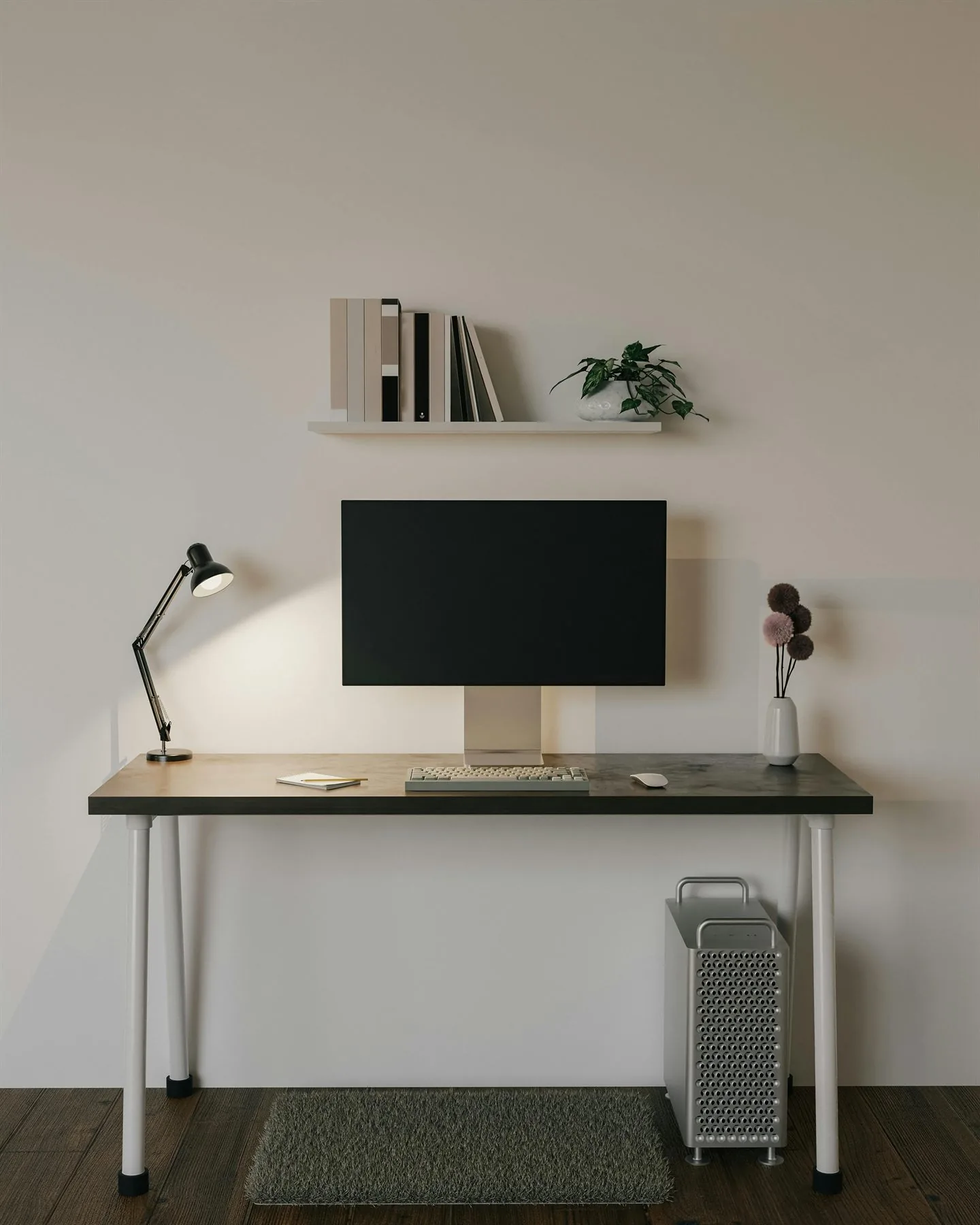
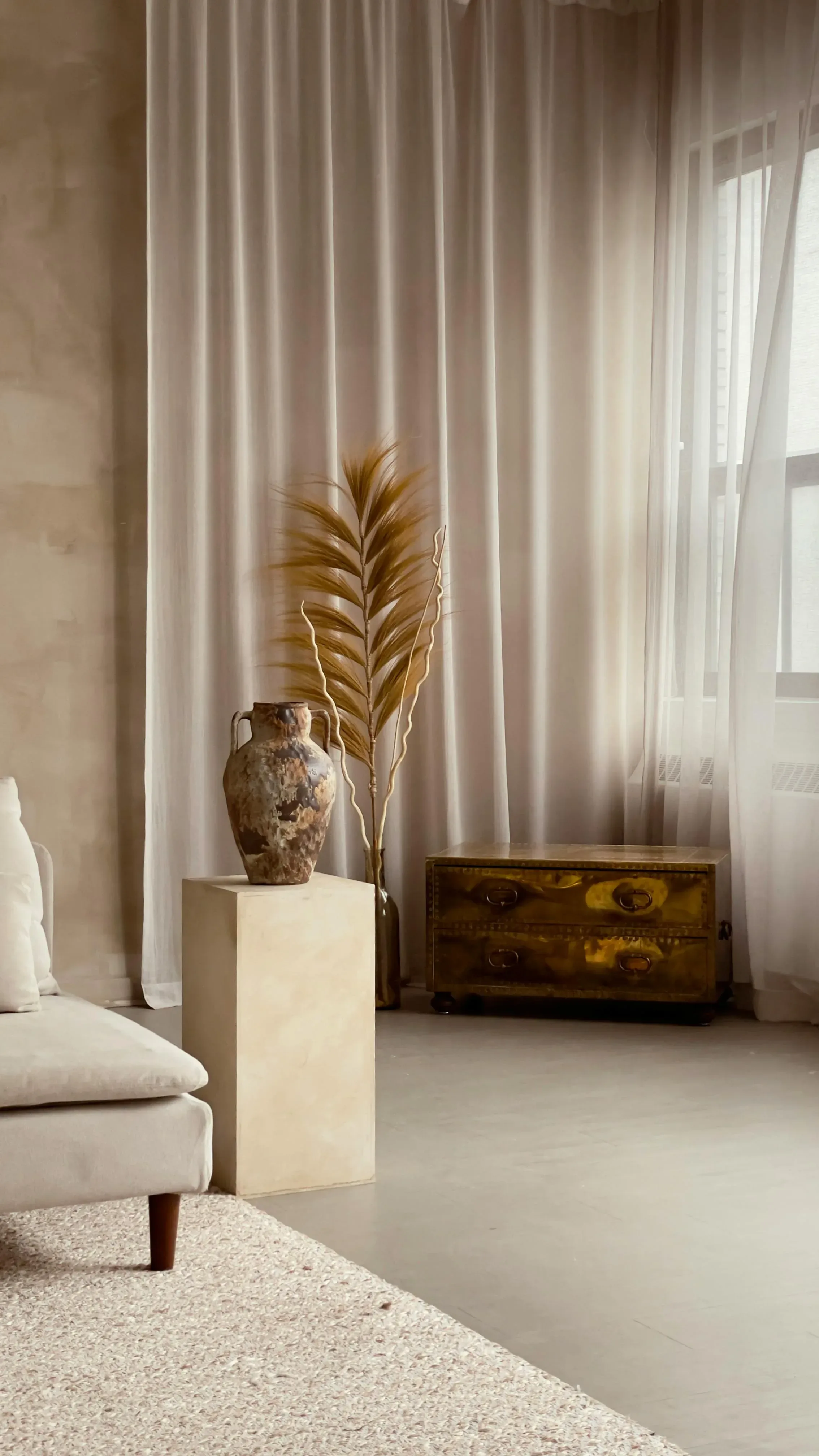
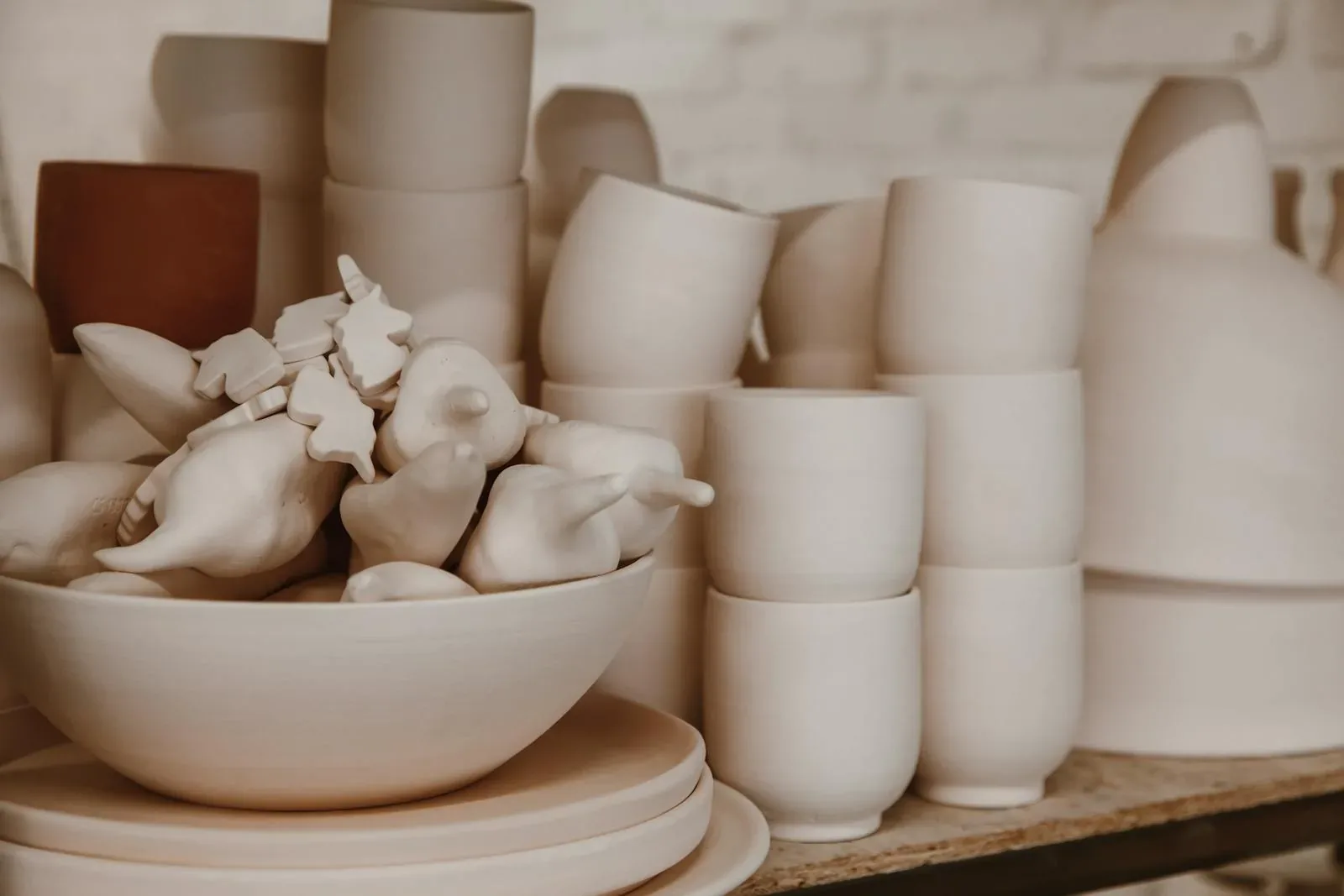
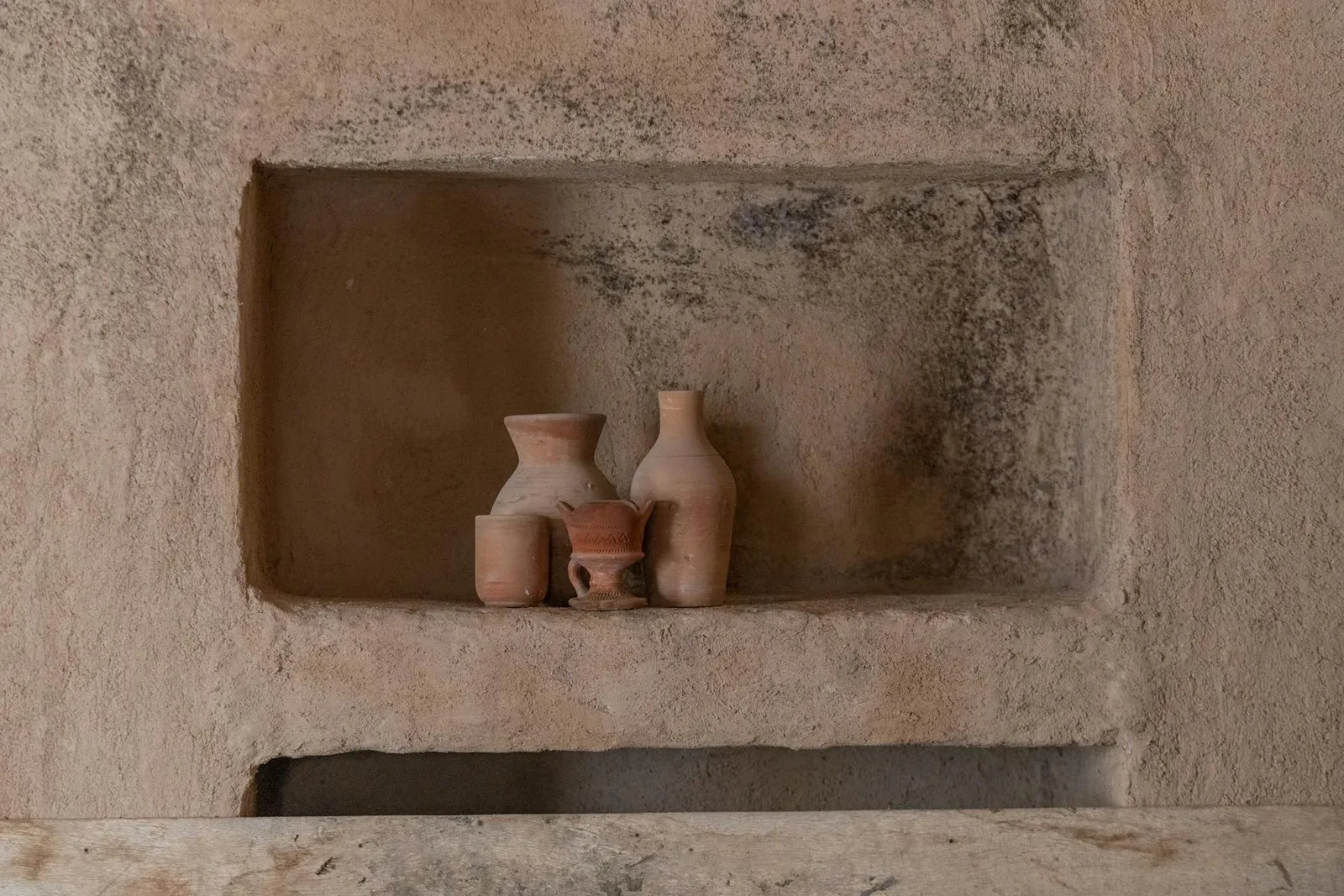
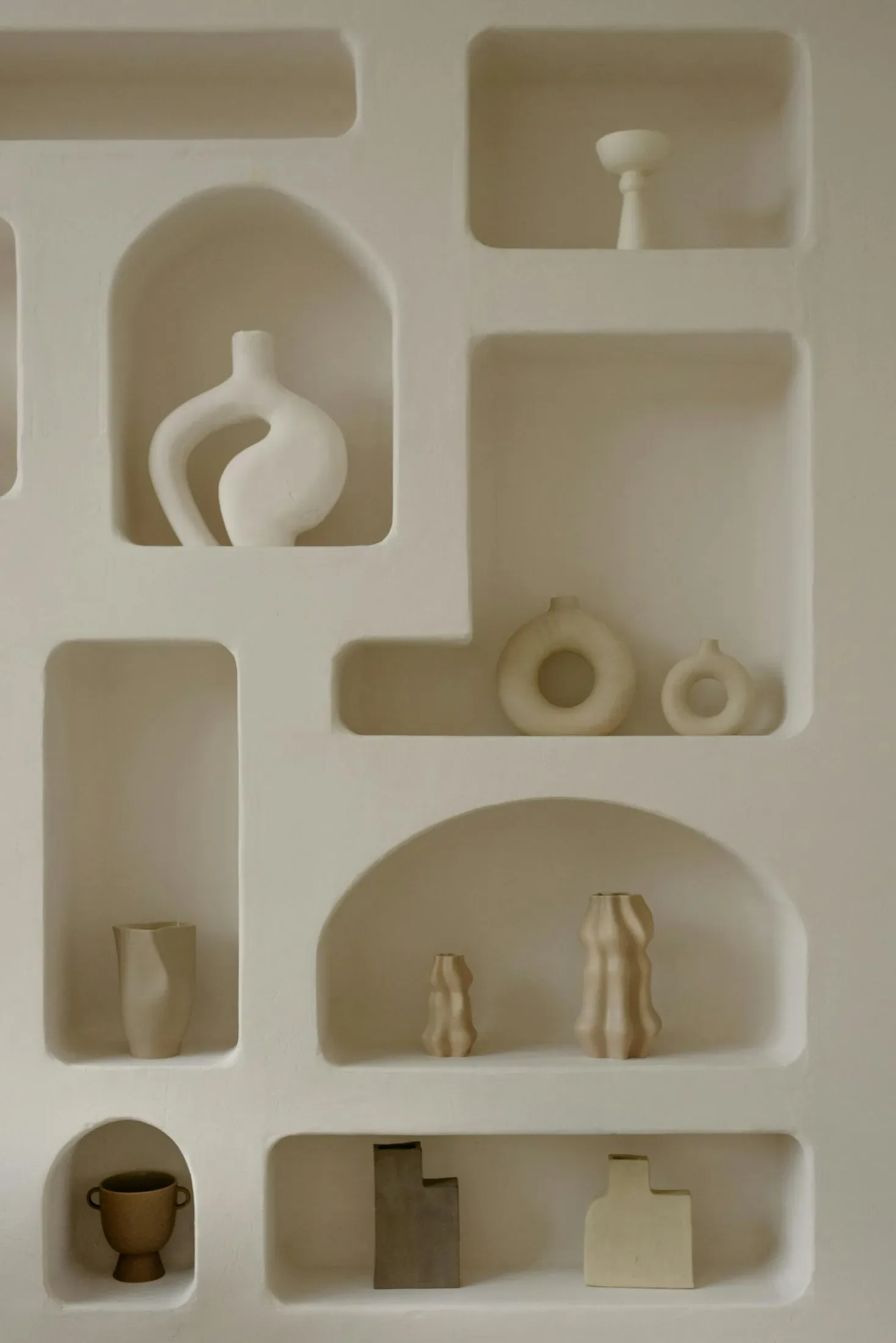
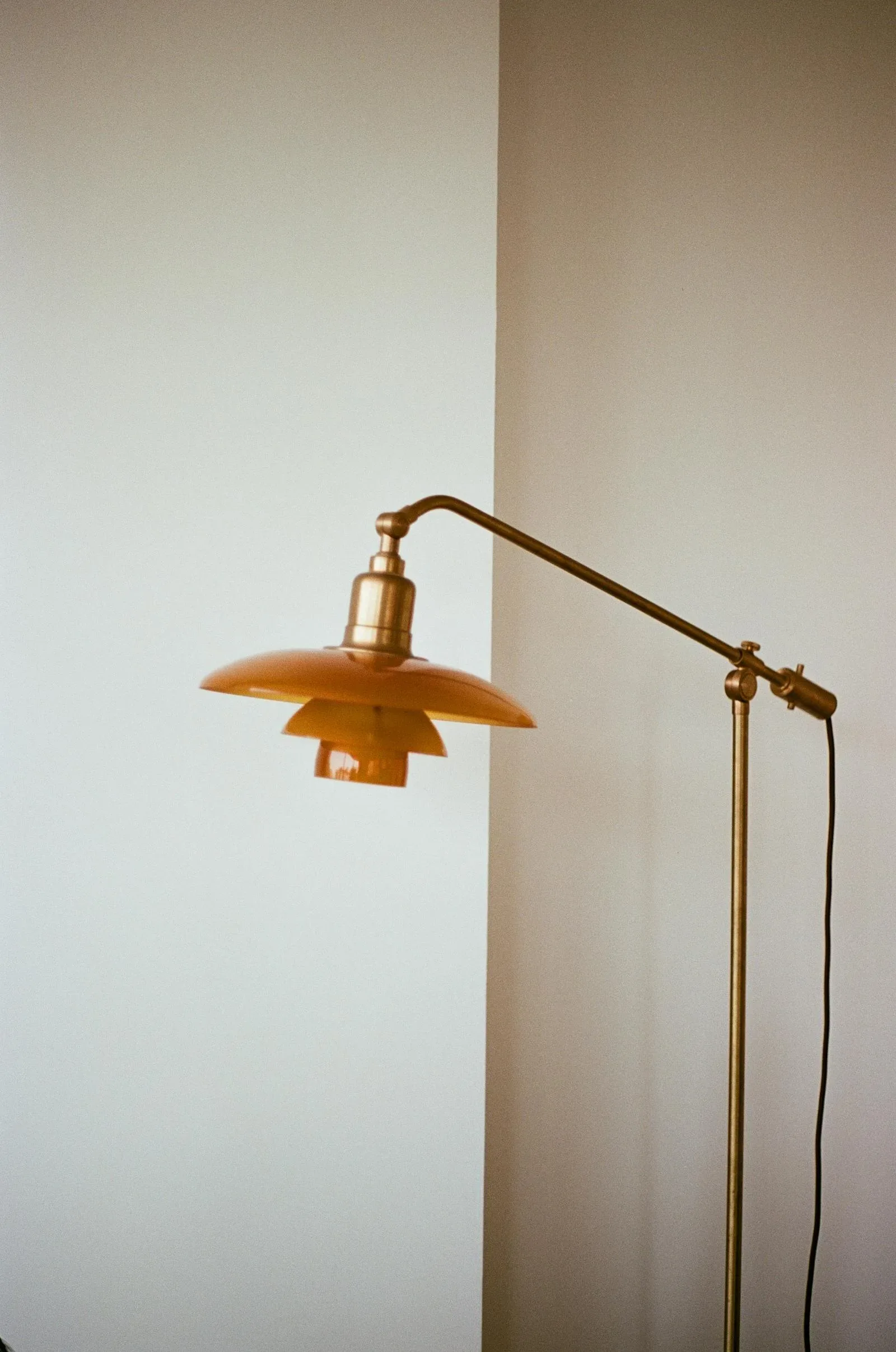
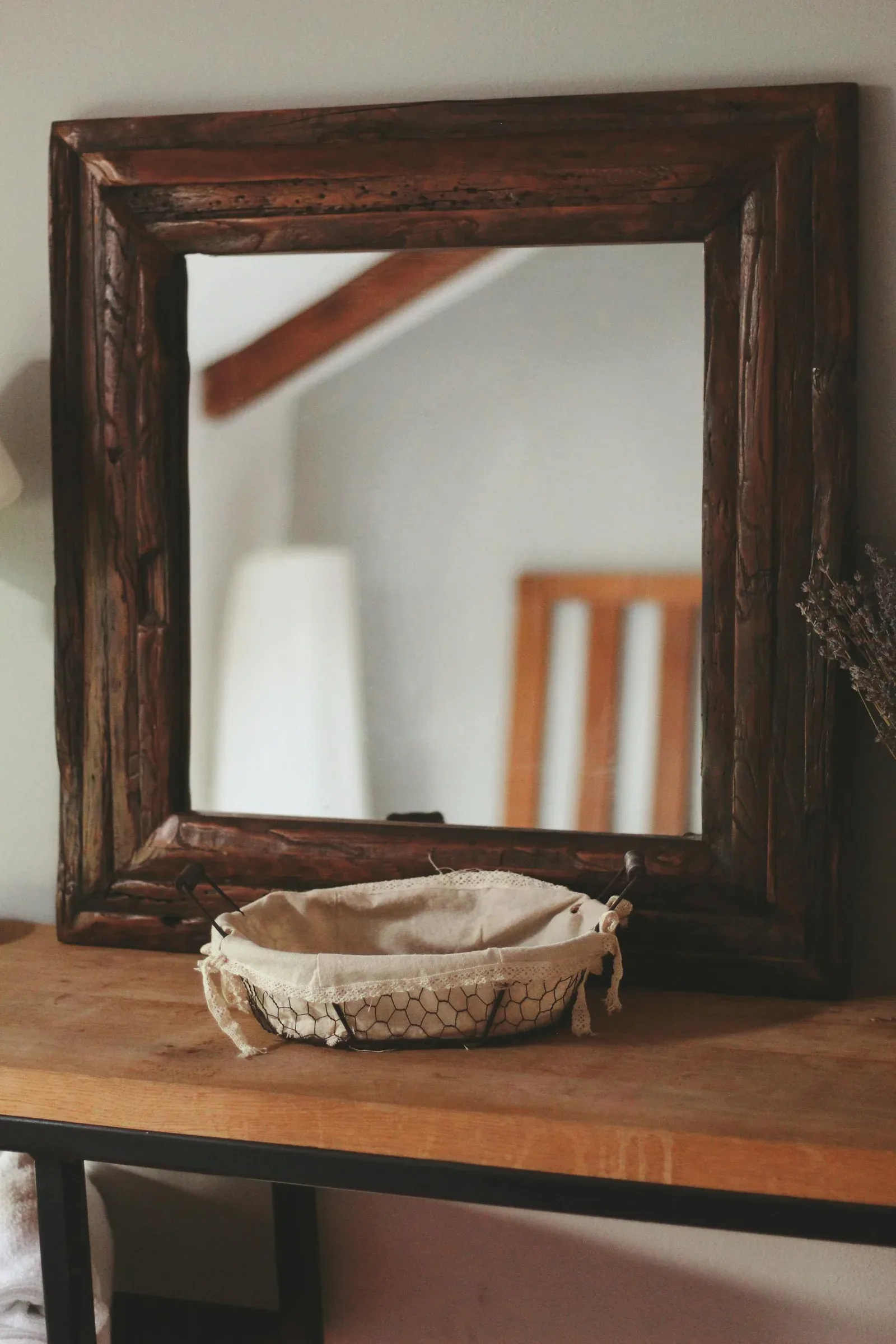
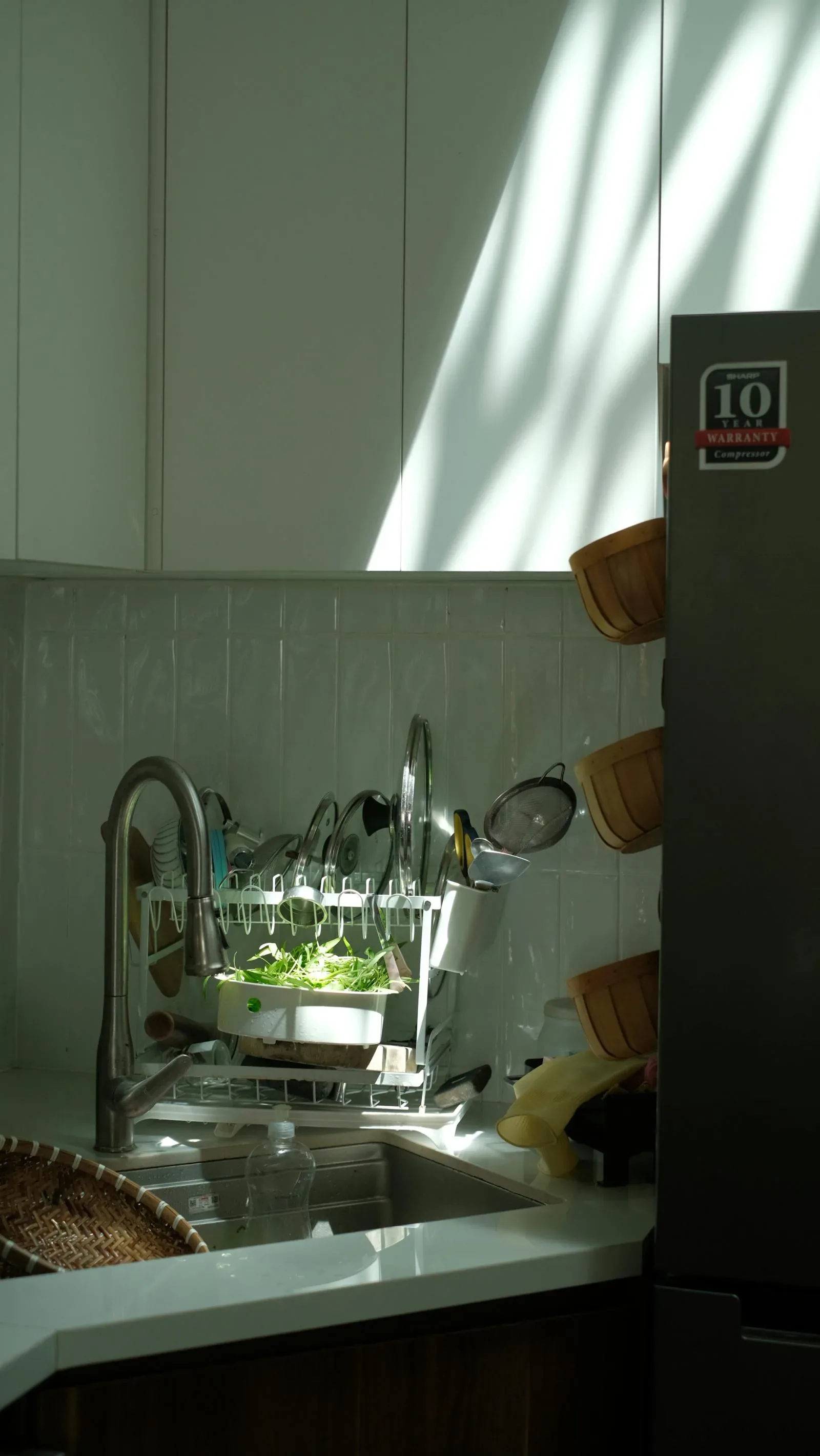
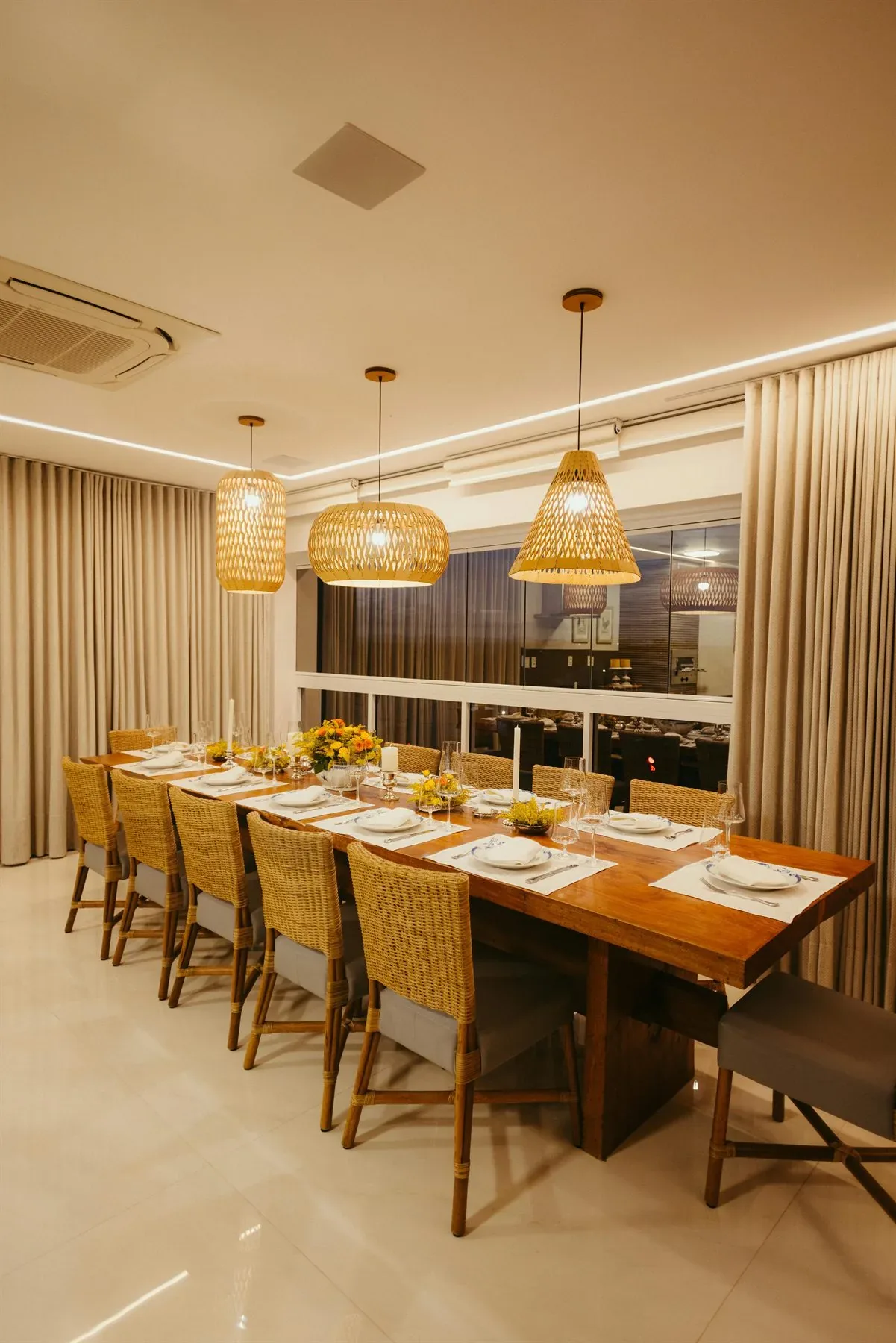
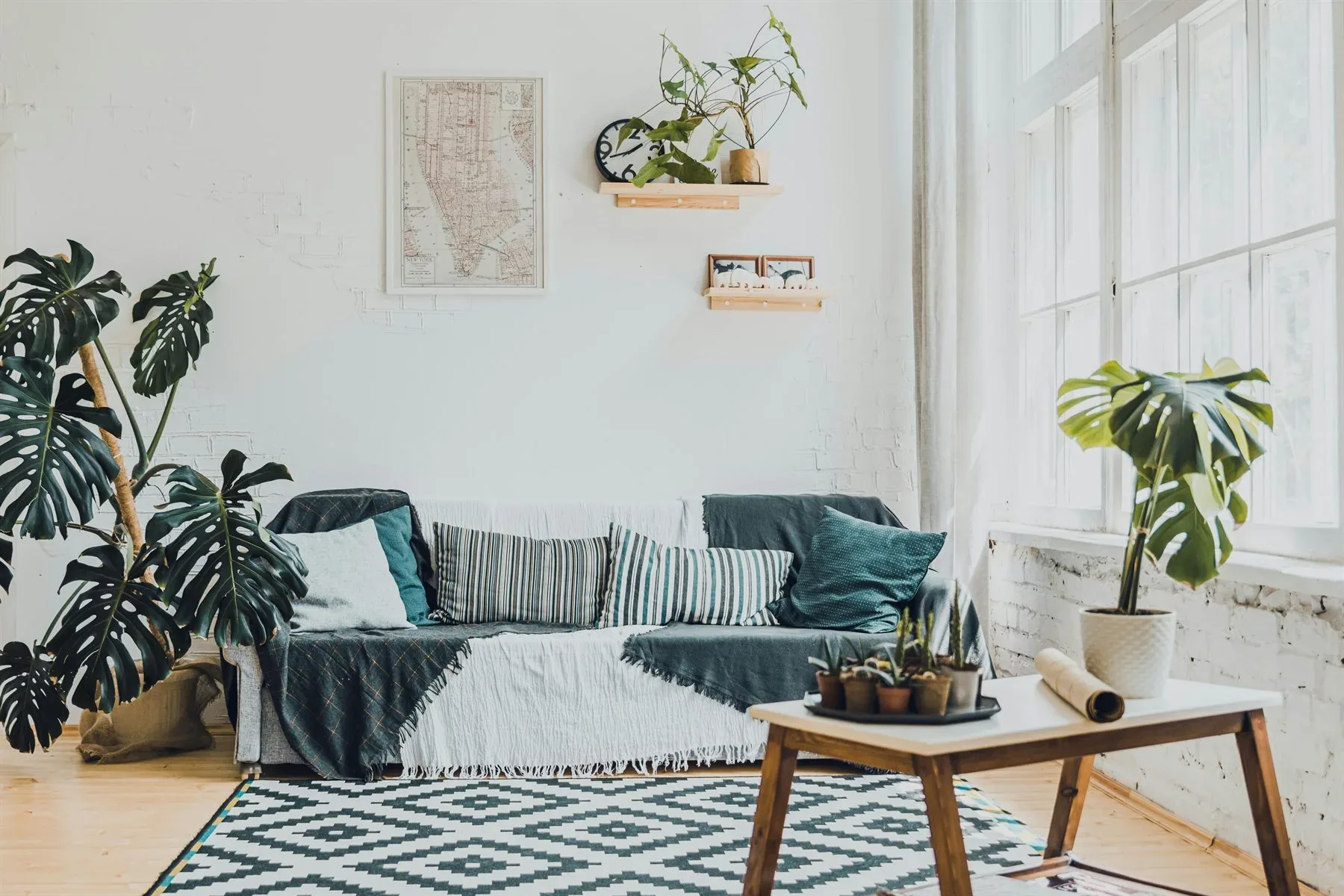
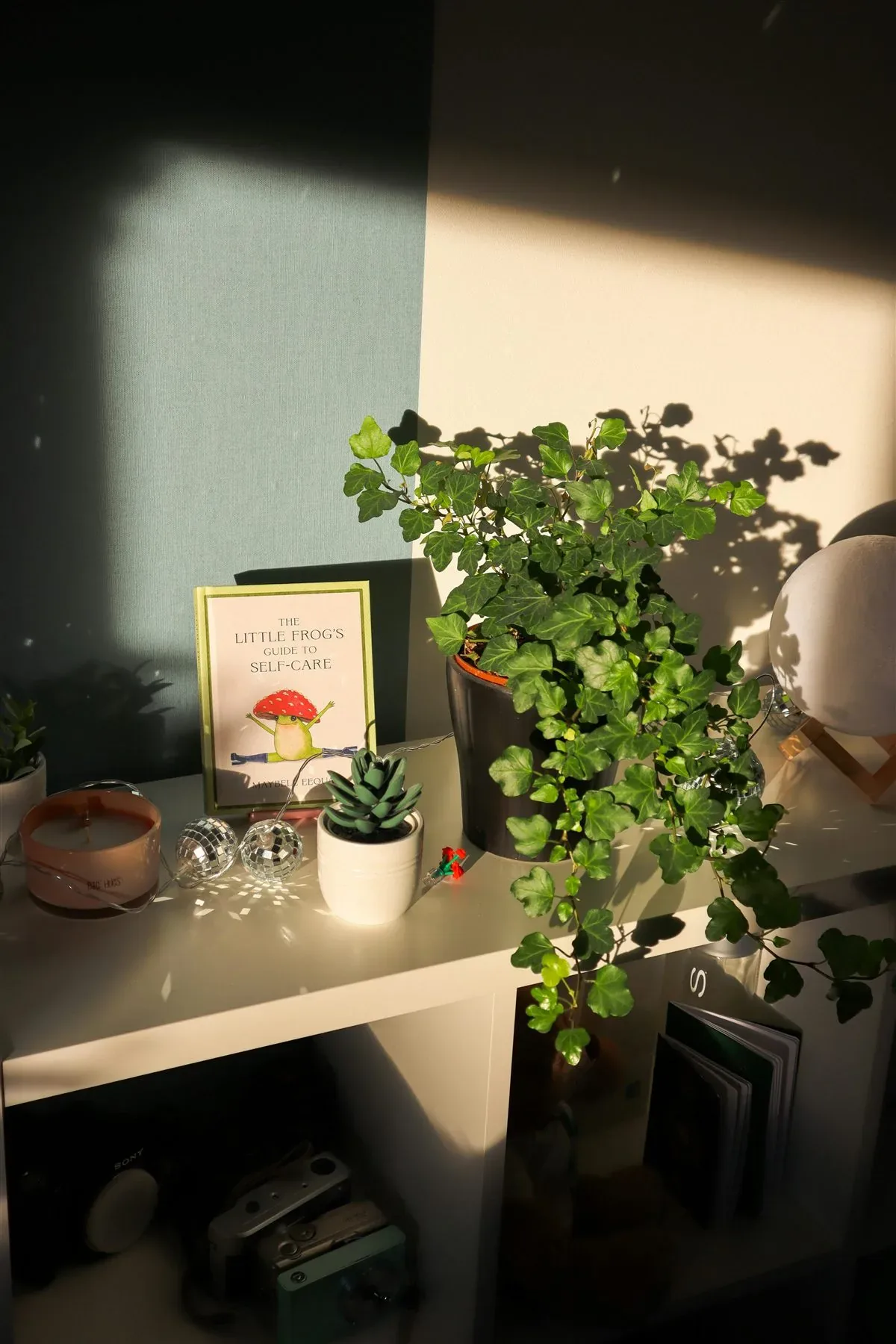
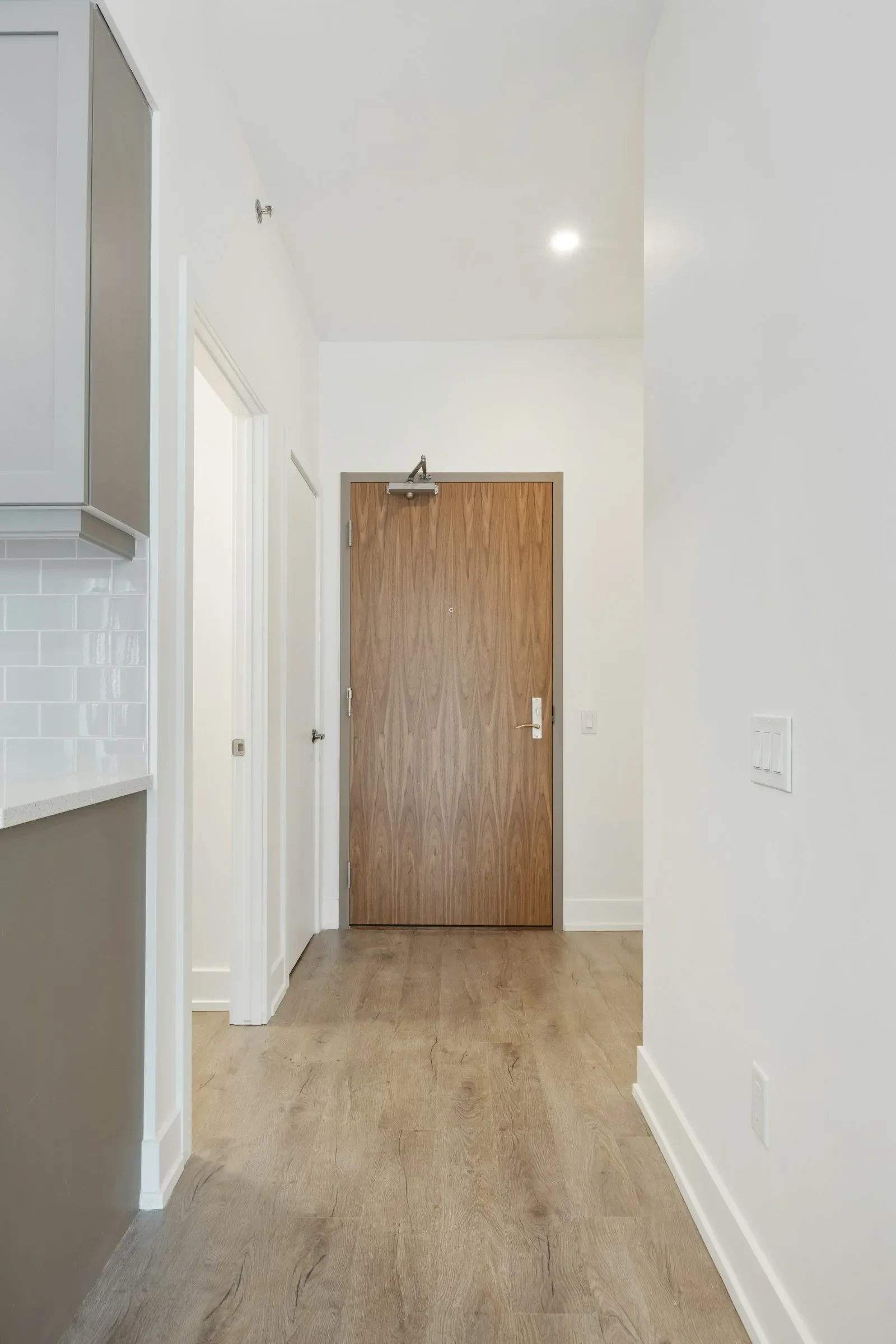
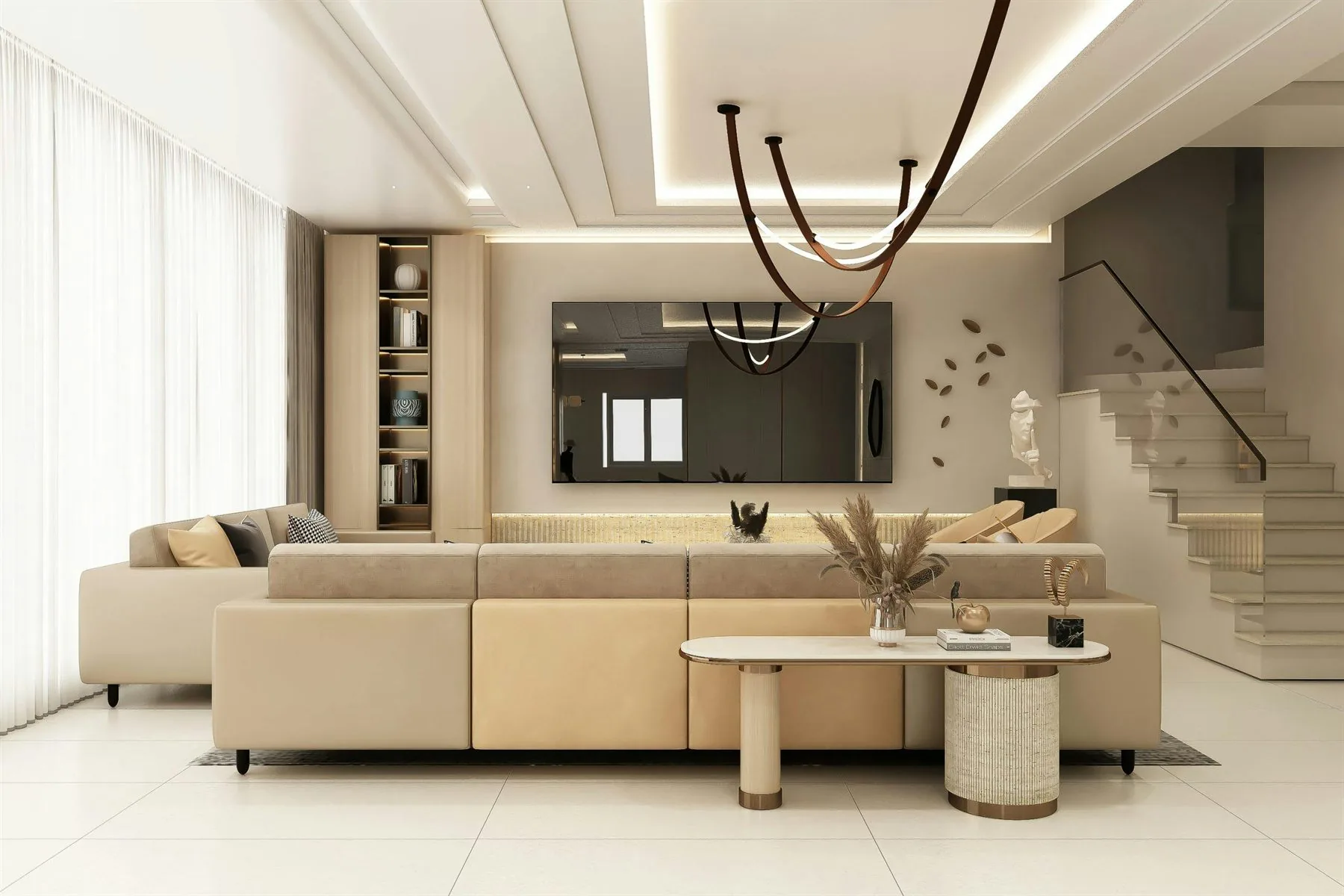
A feng shui aesthetic feels softer, quieter, and more grounded than trend-driven decor. It is less about buying special objects and more about how color, light, spacing, and materials work together.
The feng shui aesthetic looks calm, airy, grounded, and lightly layered. It favors softer
color, natural materials, warm light, better spacing, and decor that makes the room feel more
intentional instead of more crowded.
Feng shui aesthetic is less a formula and more a feeling. When it is done well, the room feels
easier to breathe in, easier to move through, and easier to settle into.
A lot of people imagine feng shui aesthetic as either very minimal or very mystical, but most
real rooms land somewhere calmer and warmer than that. The strongest spaces combine softer
color, natural texture, edited styling, and enough empty space that the decor can actually register.
If you are trying to compare this mood more directly with another calm design language,
feng shui vs wabi sabi is the best next read.
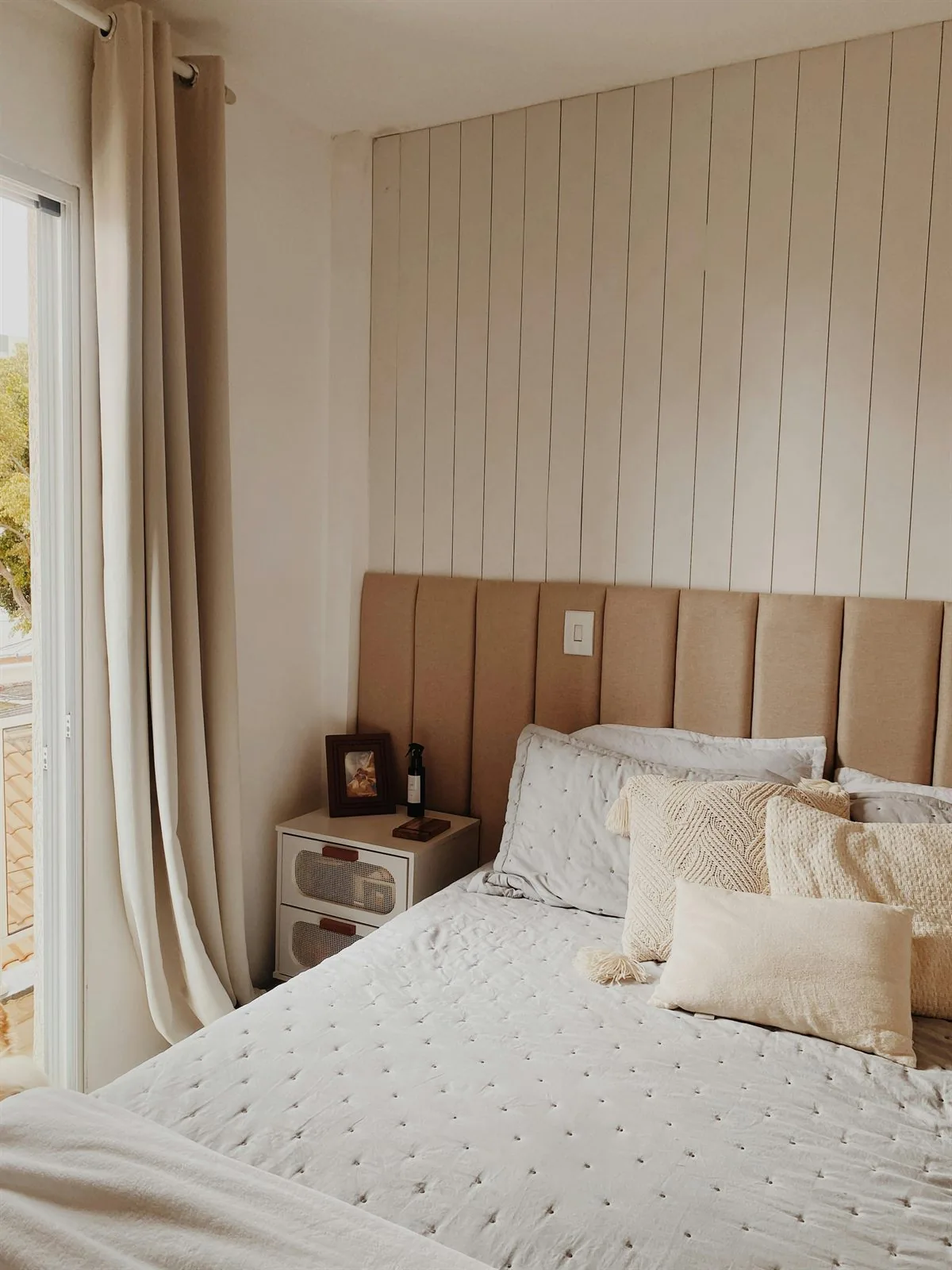
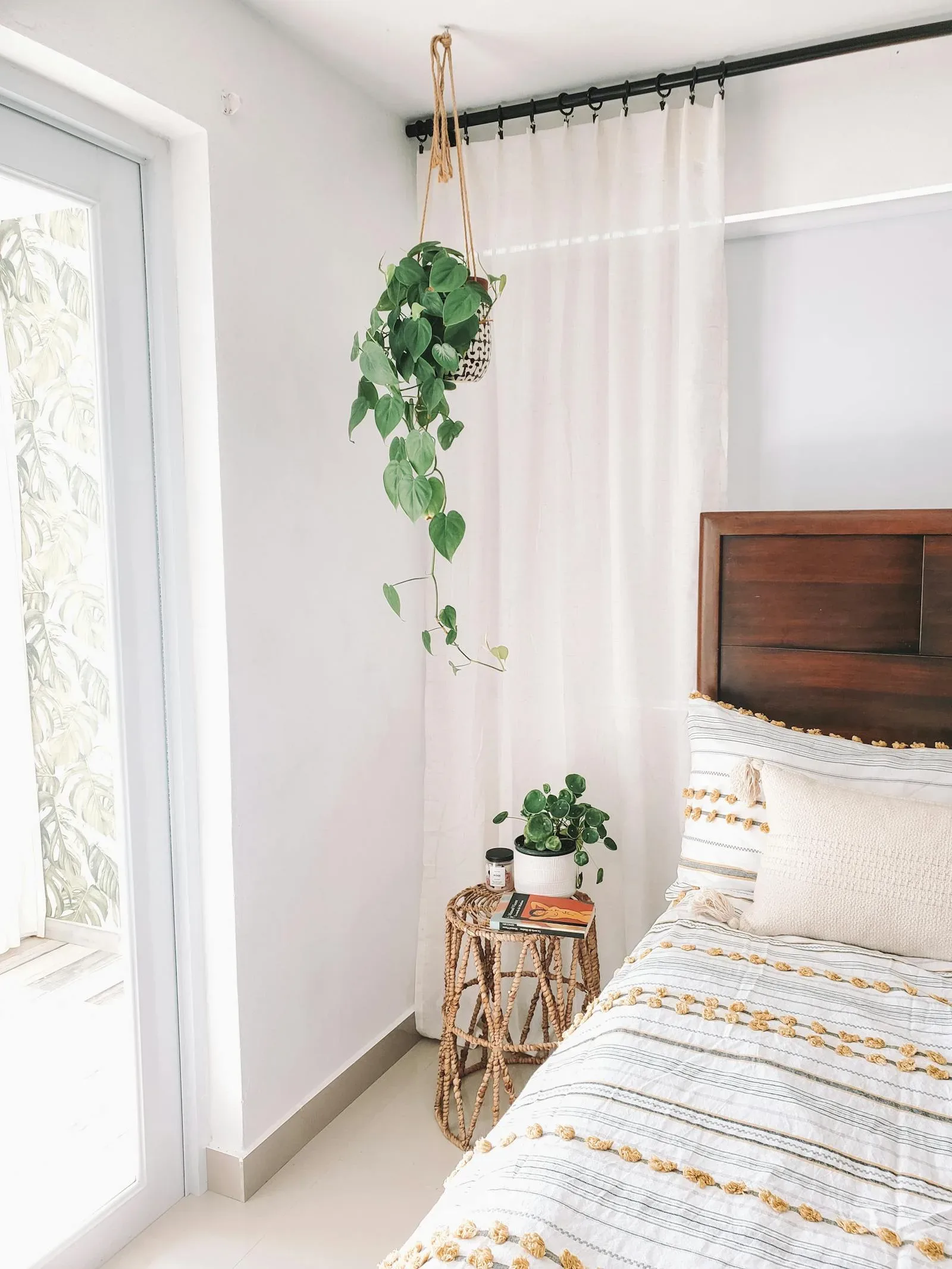
Bedrooms often show the aesthetic best because softness, rest, and lower visual tension are already the goal.
Feng Shui Aesthetic Room and Detail Ideas
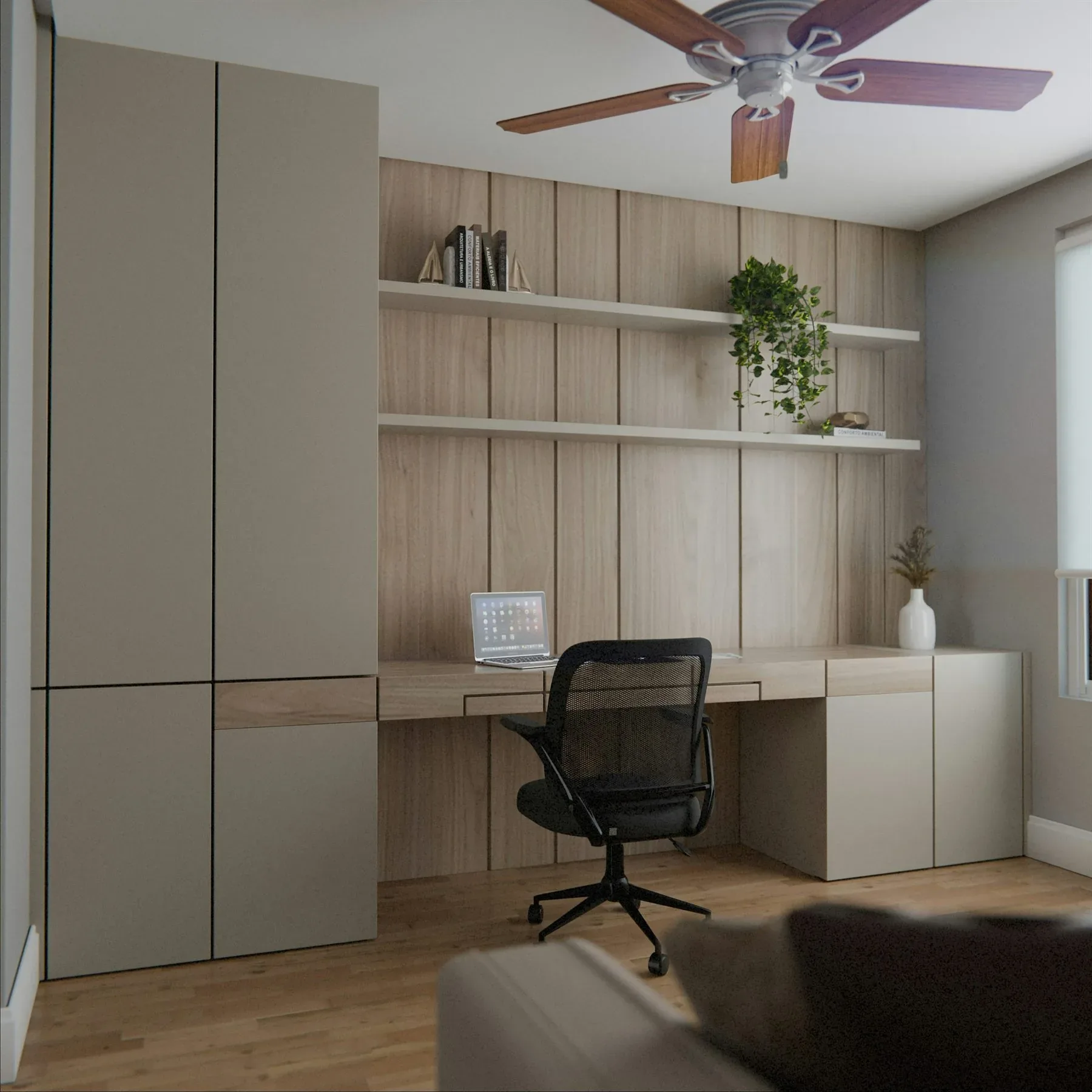
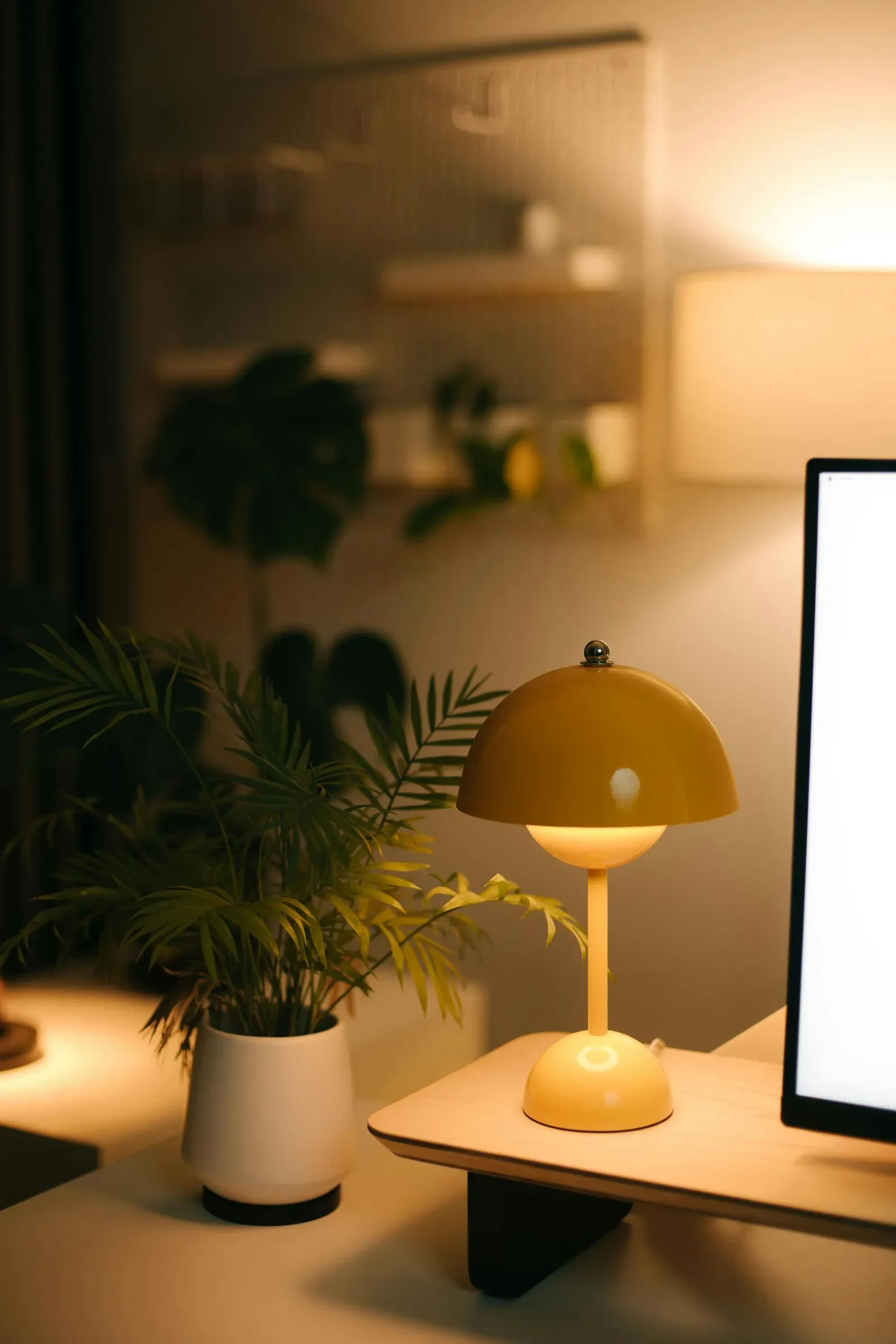
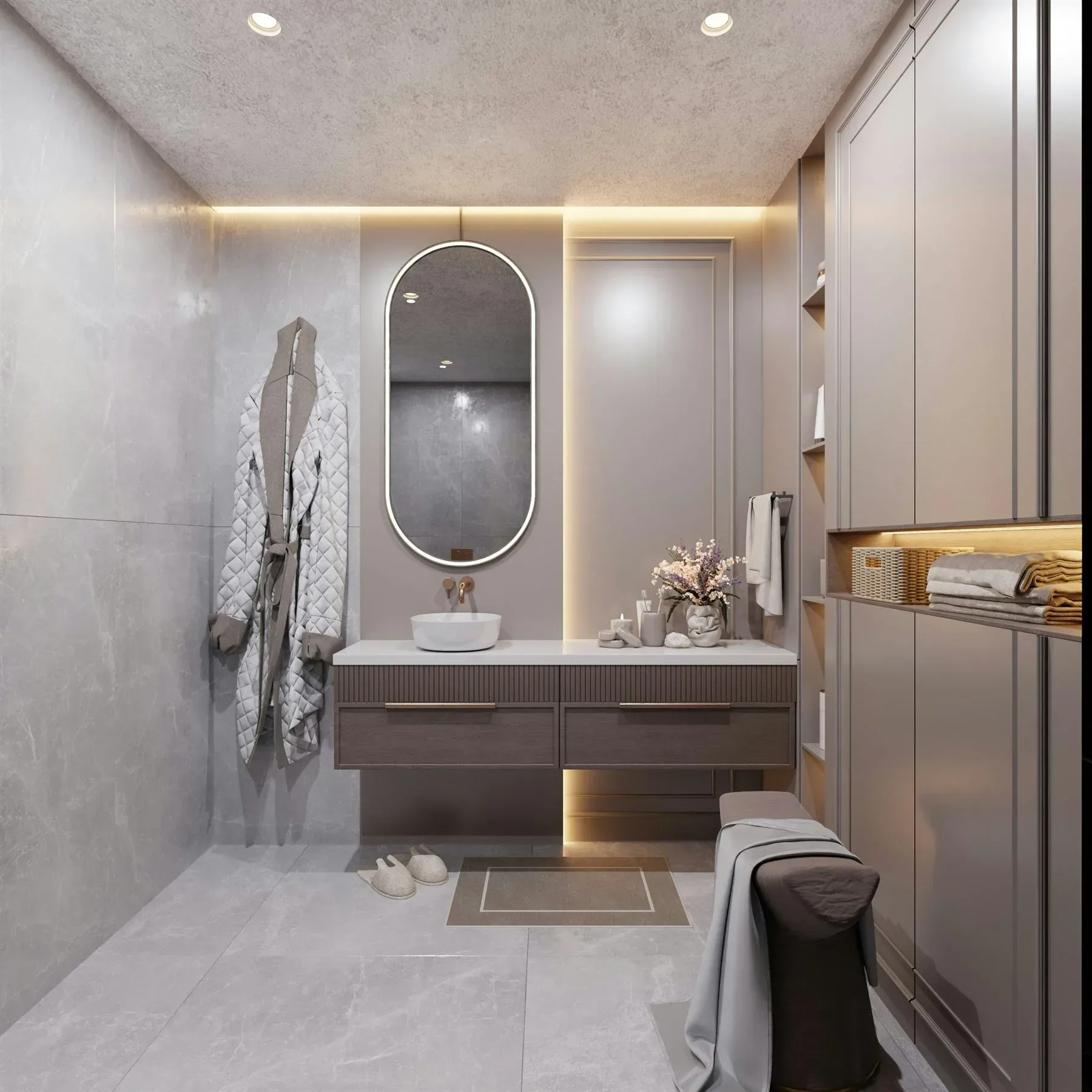
The look becomes easier to copy when you separate it into room moments: a softer sitting area,
a warmer shelf, one grounded dining setup, a quiet desk, a bedroom corner, or a bathroom that
does not feel cold.
It is a calmer, more grounded decorating approach built around softer color, natural materials, warm light, better spacing, and edited decor.
Does feng shui aesthetic have to be minimalist?
No. It can be layered and warm, but it still needs enough visual breathing room that the room feels clear rather than crowded.
Which materials fit a feng shui aesthetic best?
Wood, linen, stone, woven fibers, clay, softer metal finishes, and other natural-feeling materials tend to fit well.
What weakens the feng shui aesthetic?
Clutter, harsh lighting, random styling choices, too many competing accents, and rooms that feel overfilled or emotionally noisy can all weaken it.
The Bottom Line
The feng shui aesthetic feels calm, layered, natural, and slightly edited rather than performative. Softer color, wood, woven texture, better spacing, and warmer light are some of the clearest signals.
You do not need a themed room. You need a room that feels easier to move through, easier to look at, and more settled to actually live in.
Kim Colwell shares practical feng shui decor guidance shaped by design-led, room-focused thinking that helps homes feel calmer, more supportive, and easier to live in.