



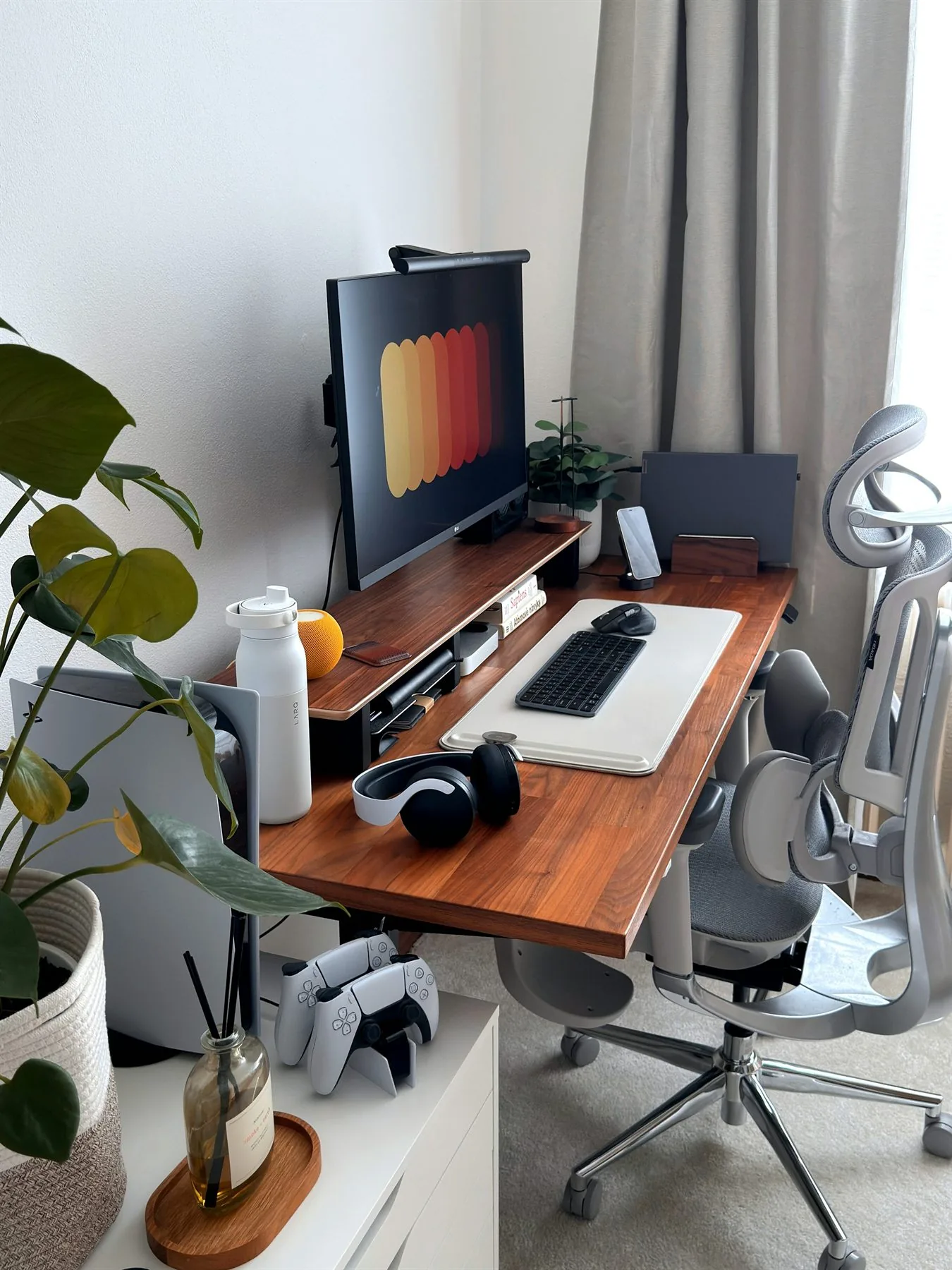
Quick Answer
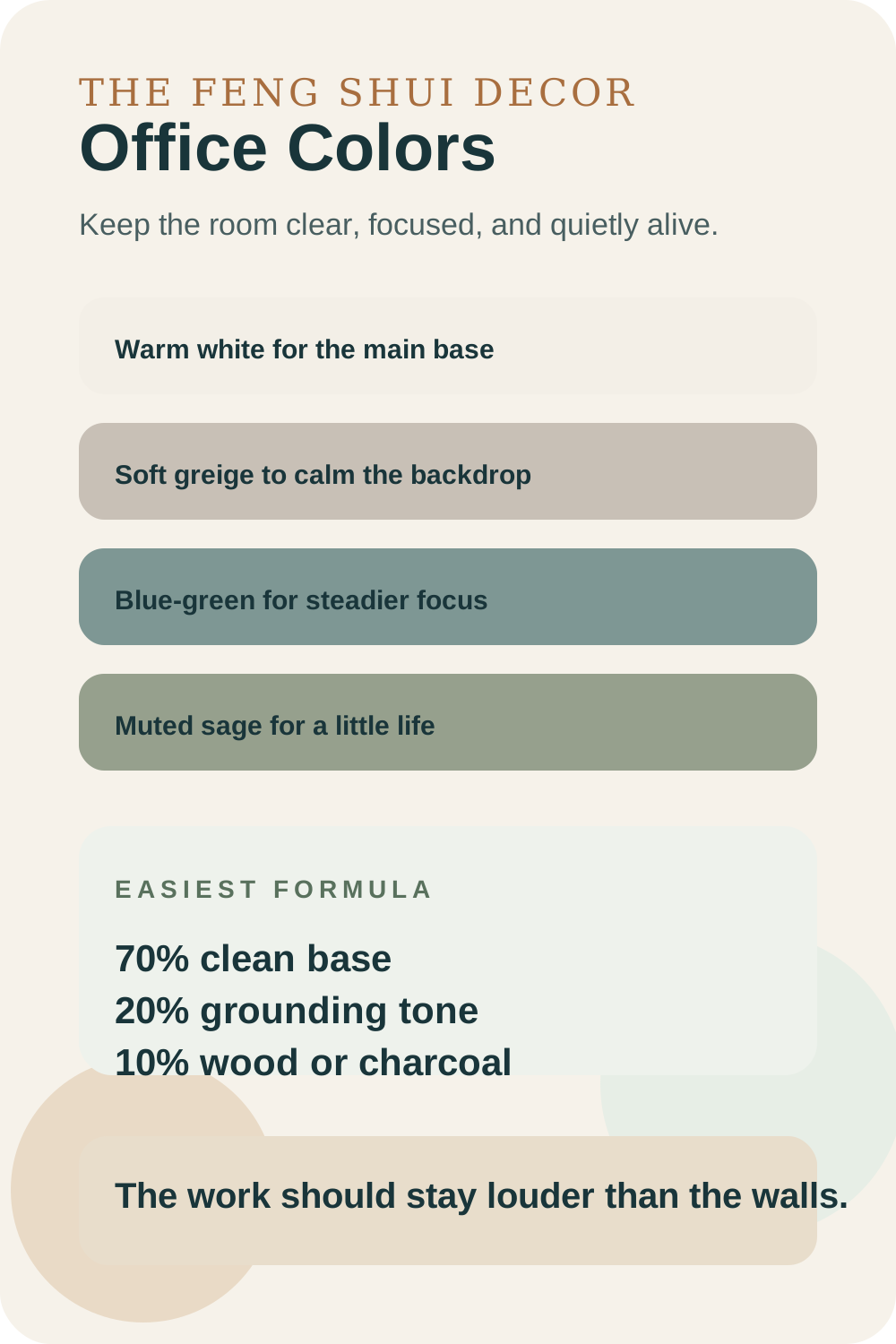
The best feng shui colors for an office are warm white, soft greige, muted sage, dusty blue-green, mushroom, and small charcoal accents. They keep the room clear enough for focus without turning it into a cold box or a sleepy den.
Office color should help attention, not compete with it. Start with a palette that feels calm and structured instead of either blank or overstimulating.
In feng shui terms, a work room does better when it feels supported, intentional, and clean enough that your mind does not keep snagging on visual noise. The strongest office colors do not demand attention. They create the conditions for better attention. If you want the object layer that goes with the palette, feng shui items for office covers the desk items and storage choices that support the room best.
Office Colors That Support Focus and Staying Power
The best office palettes have a clean base, one grounding tone, and a smaller accent that keeps the room from feeling anonymous. If the room becomes too cold, it starts to feel sterile. If it becomes too cozy, it can start to lose momentum.
The most useful office color directions
These tones support clarity, steadiness, and a little visual ease.
Warm white
Clear without glare
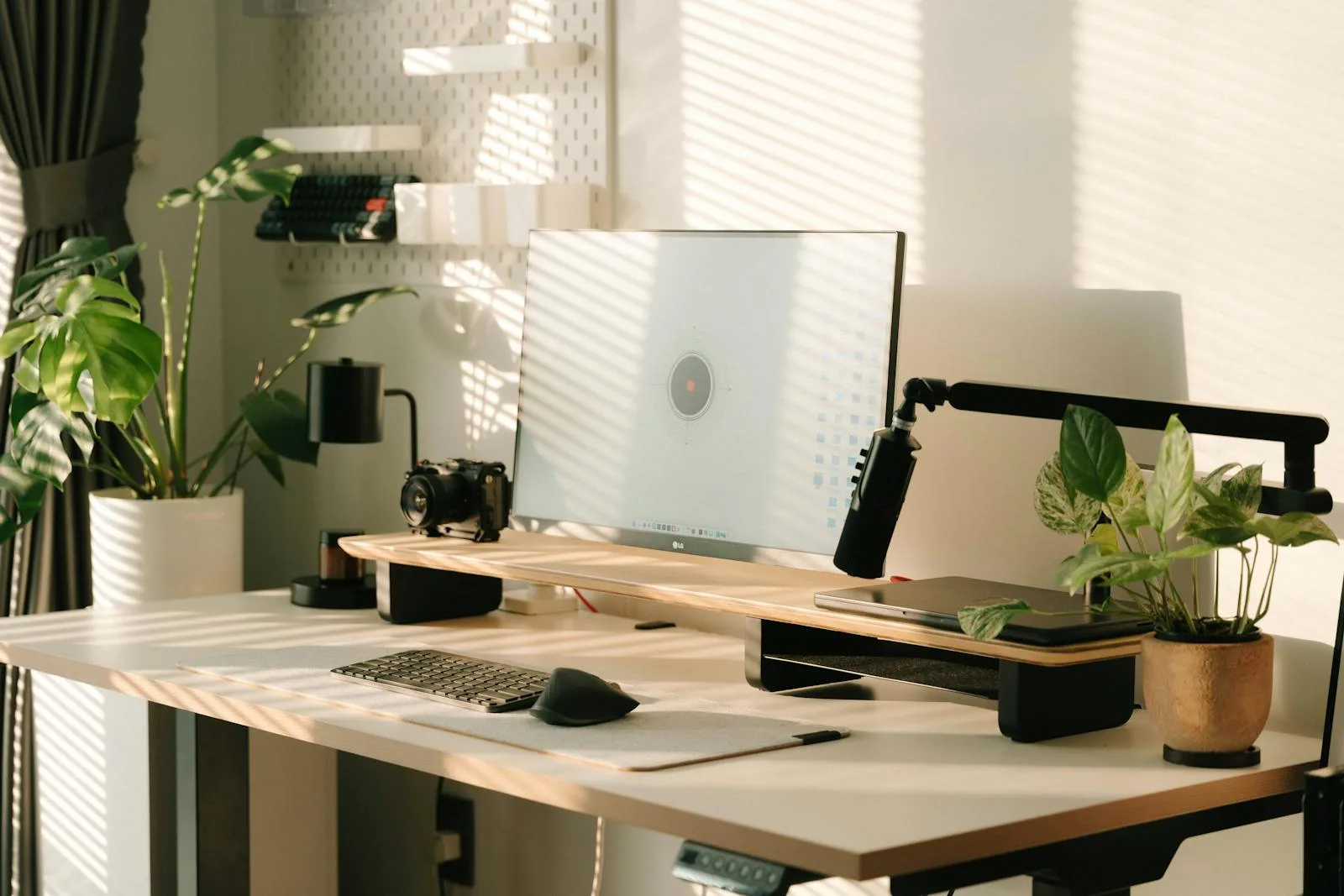
Warm white + Oak + Charcoal
Best for walls, ceilings, and offices that need brightness without a harsher corporate feel.
Soft greige
Focused and quiet
Soft greige + Bone + Walnut
A strong bridge color when the office has mixed furniture tones, built-ins, or a visible work backdrop.
Dusty blue-green
Calm with a little depth
Dusty blue-green + Greige + Moss
Helpful when you want the room to feel cooler and sharper without going fully gray.
Muted sage
Fresh but restrained
Muted sage + Cream + Walnut
A good choice for cabinets, shelves, or offices that need more life without more noise.
Mushroom
Grounded and steady
Mushroom + Warm white + Charcoal
Useful for desks, shelving, or larger office furniture that should feel calm and substantial.
How to Build an Office Palette That Still Feels Alert
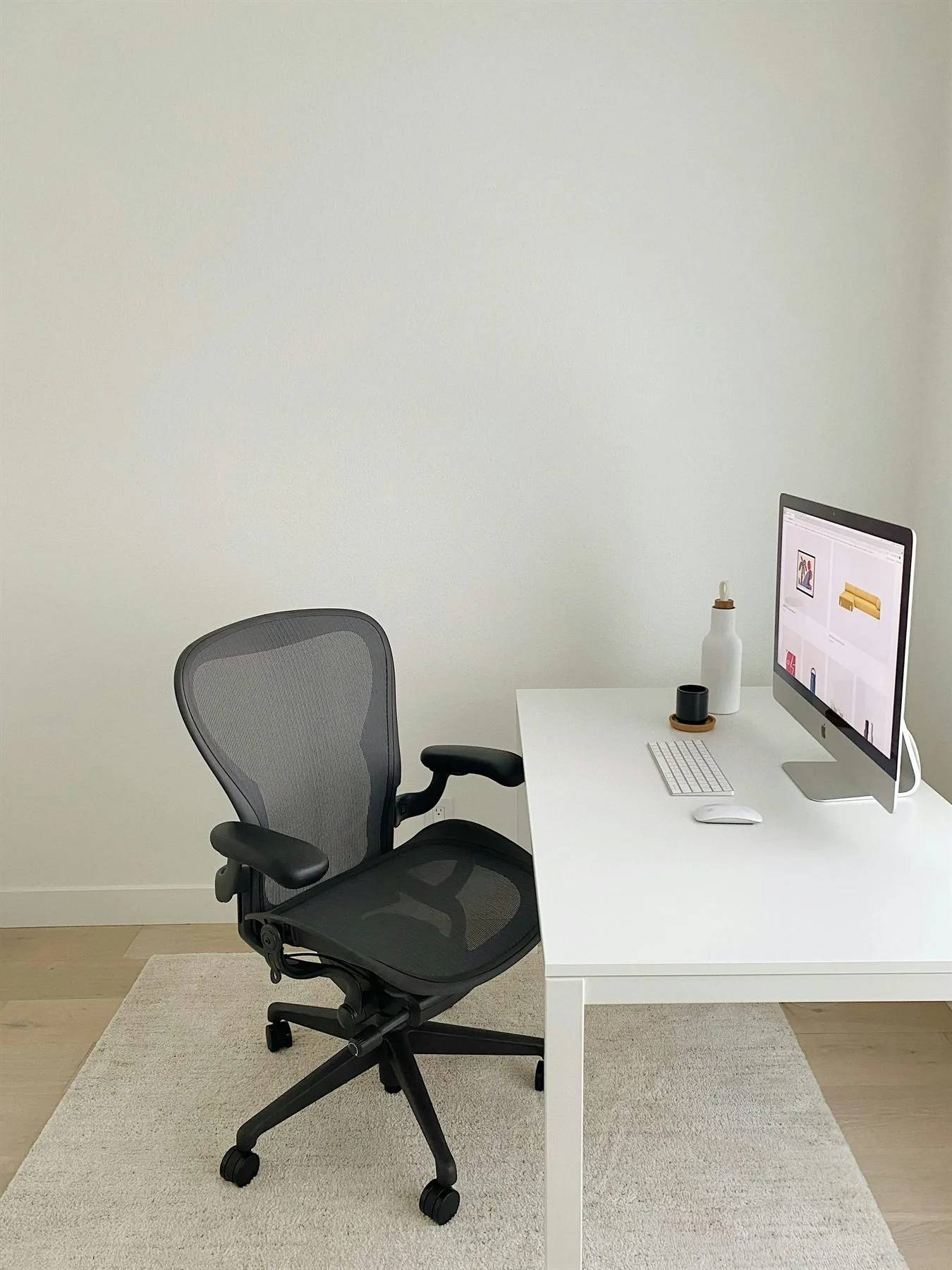
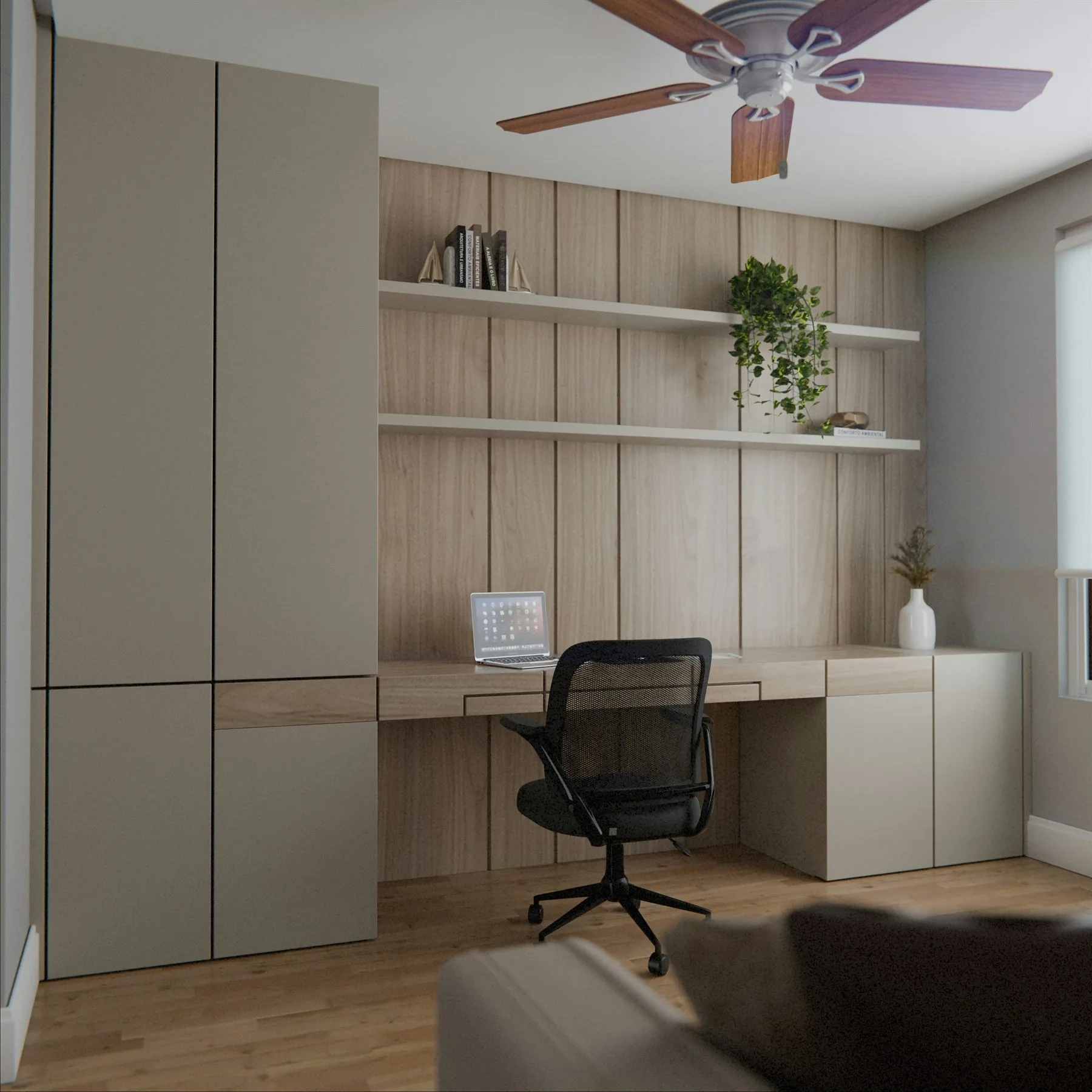
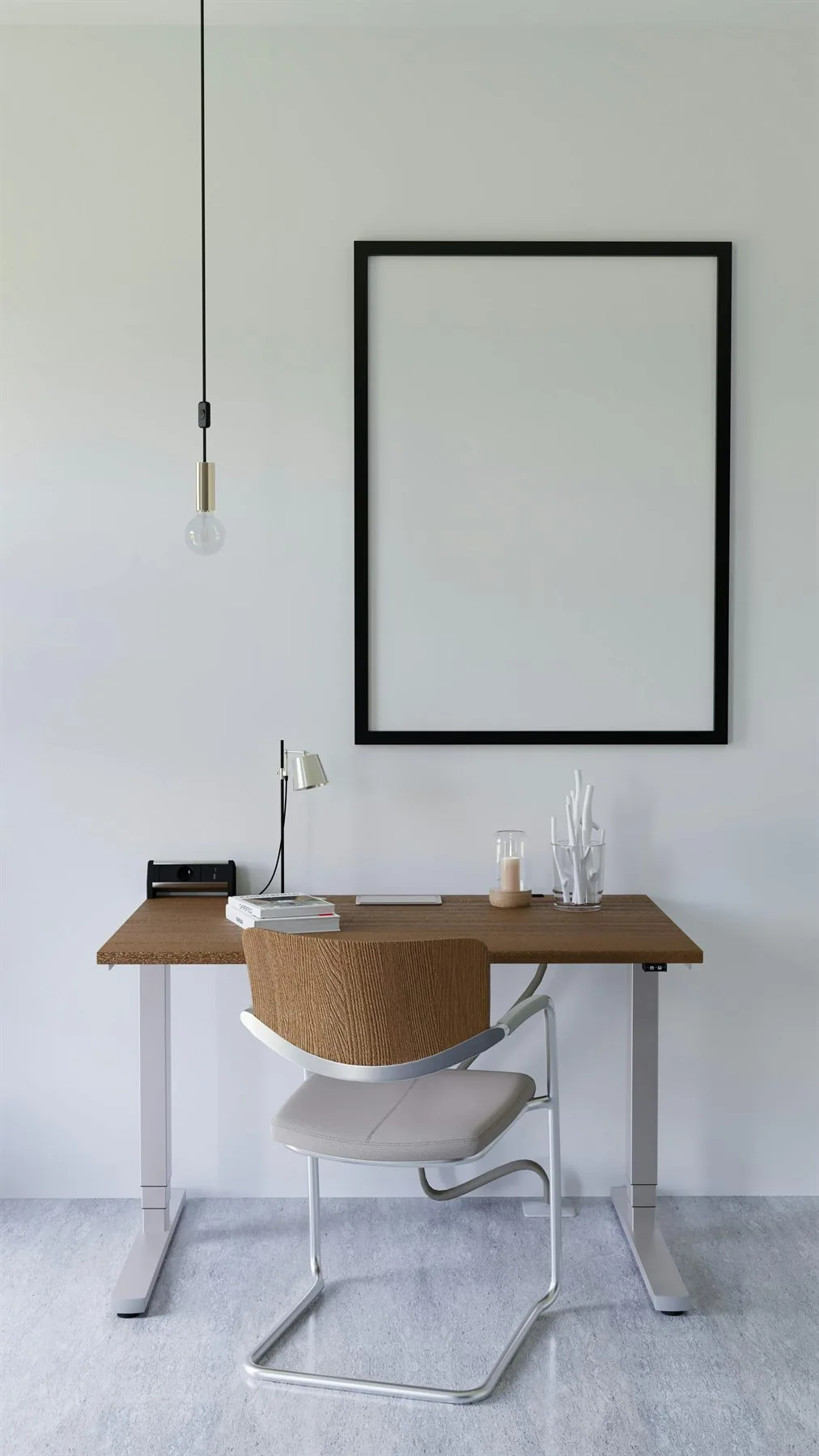
A good office palette should answer two questions. Do you need more calm or more definition? And is this a work-only room or a shared room that has to blend into the rest of the home? If the office sits in a larger open plan, feng shui colors for home helps connect it to the rest of the palette.
Three office palettes that hold up through long workdays
Clear and grounded
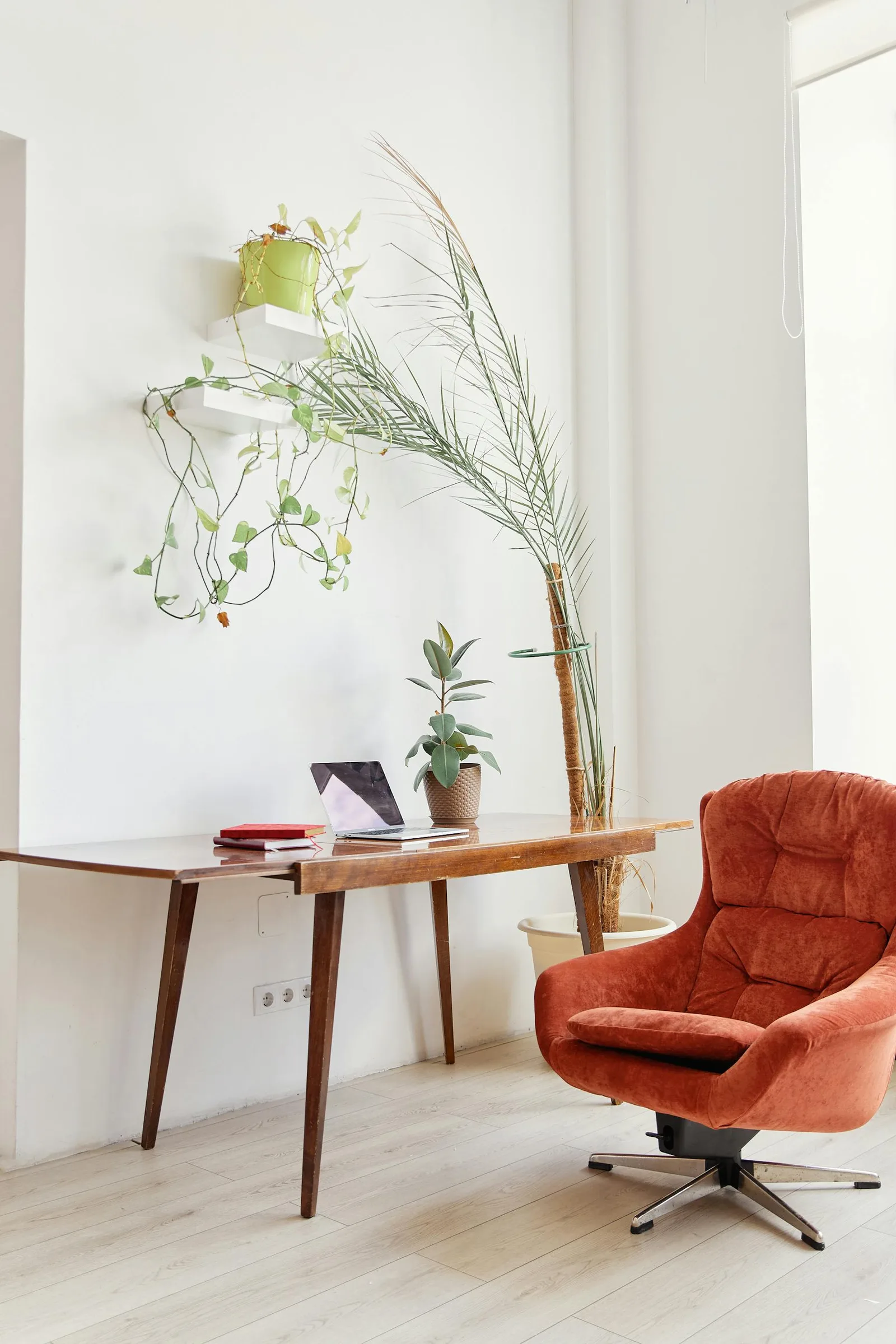
Warm white + Walnut + Muted sage
A dependable work palette when you want focus first but still need the room to feel warm enough to stay in.
Quiet definition
Soft greige + Blue-green + Charcoal
Good when the office needs a little cooler structure without tipping into cold gray monotony.
Creative but calm
Warm white + Muted sage + Oak
Useful in shared offices or studios that should feel a little more alive without breaking concentration.
Pick one color for each office job
Best wall color
Warm white or soft greige
These colors keep the room bright enough for focus but easier on the eye than a harsher bright white.
Best grounding color
Mushroom or dusty blue-green
One deeper tone helps the office feel anchored and a little more serious without becoming dark.
Best life-giving accent
Muted sage or wood
A small amount of green or wood keeps an office from feeling overly synthetic and draining.
Choose Office Colors by the Work You Actually Do
A finance desk, a writing desk, and a creative studio do not need the exact same color mood. In feng shui, color works best when it supports the behavior you want from the room: steadier focus, calmer decisions, clearer communication, or more creative movement.
| Work need | Color direction | Where to use it |
|---|---|---|
| Deep focus | Warm white, greige, mushroom, charcoal accents | Walls, shelves, desk frame, or one focused backdrop |
| Calm calls and meetings | Soft blue-green, warm white, light wood | Video-call wall, curtains, art, or a side chair |
| Creative work | Muted sage, oak, warm cream | Plants, pinboard, chair fabric, storage boxes, or a small wall area |
| Authority and structure | Charcoal, walnut, taupe, warm metal | Lamp, frame, cabinet pulls, task chair, or bookshelf details |
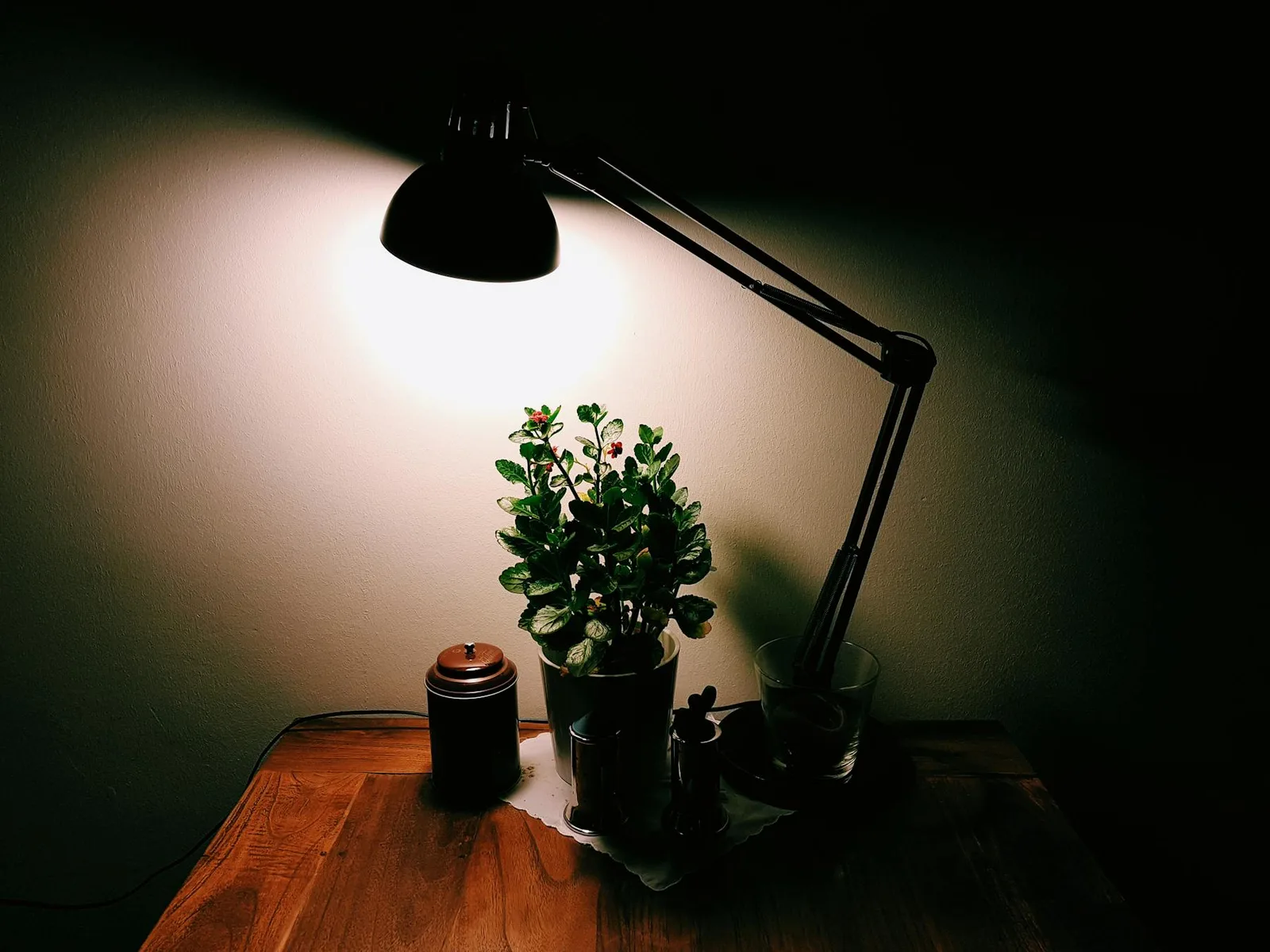
| Burnout recovery | Cream, sage, warm lamp light, natural texture | Reading corner, desk mat, rug, or the wall beside the desk |
How the Five Elements Show Up in Office Color
You do not need to turn the office into a color wheel. The useful part is knowing what each color family tends to do in the room, then using the element lightly enough that the work still feels clear.
| Element | Office color examples | Best use |
|---|---|---|
| Wood | Sage, olive, green plants, oak | Growth, planning, learning, and a room that needs more life |
| Fire | Rust, terracotta, coral, warm lamp glow | Motivation, visibility, and small accents when the office feels flat |
| Earth | Greige, mushroom, taupe, clay, sand | Stability, long work sessions, and grounding a busy mind |
| Metal | Warm white, soft gray, ivory, brushed metal | Clarity, editing, precision, and cleaner visual structure |
| Water | Blue-green, ink blue, deep charcoal | Reflection, strategy, flow, and calmer decision-making |
A practical office color ratio
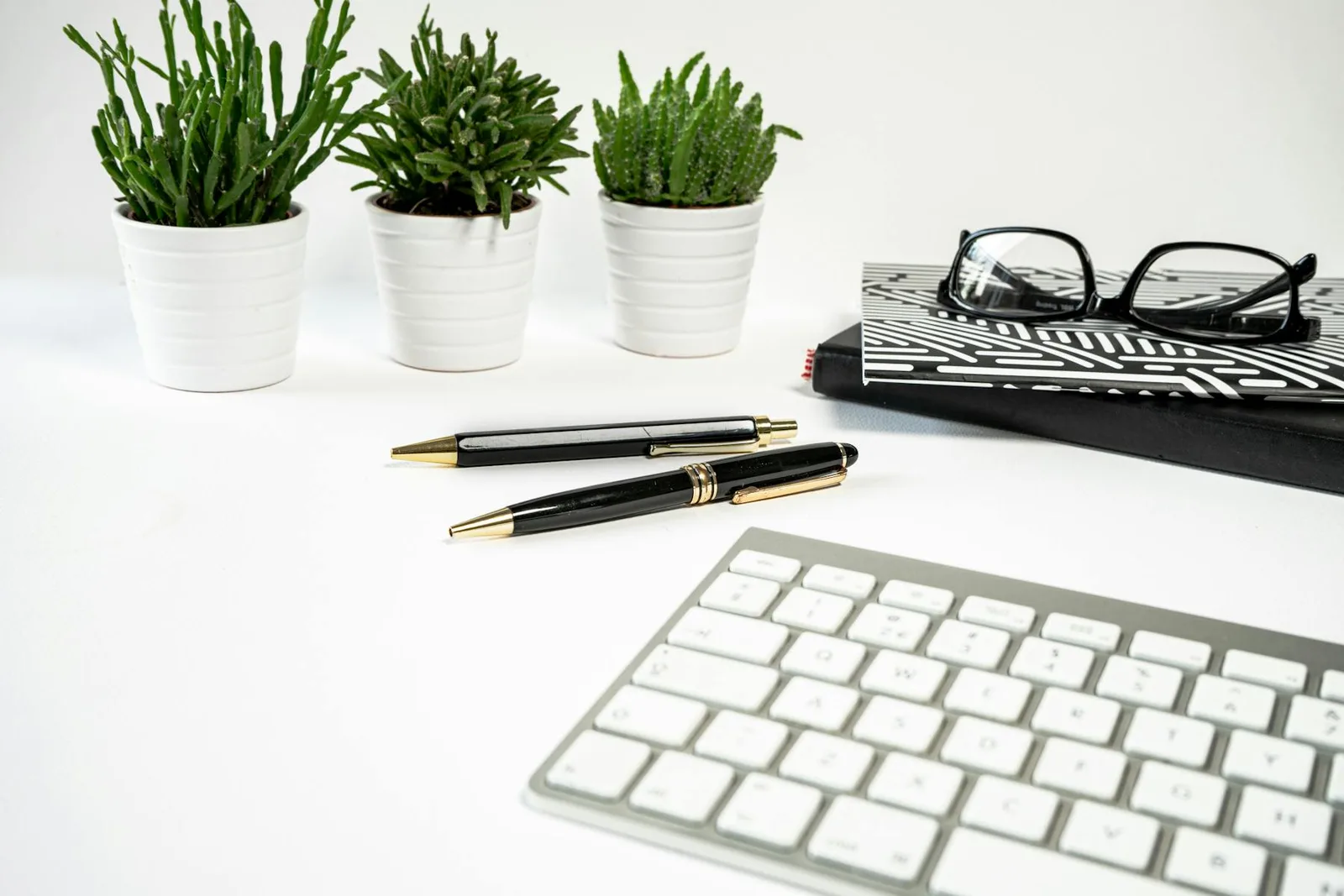
65% base
Warm white or soft greige
Let the walls and biggest visible surfaces stay quieter so your eye has less to process during work.
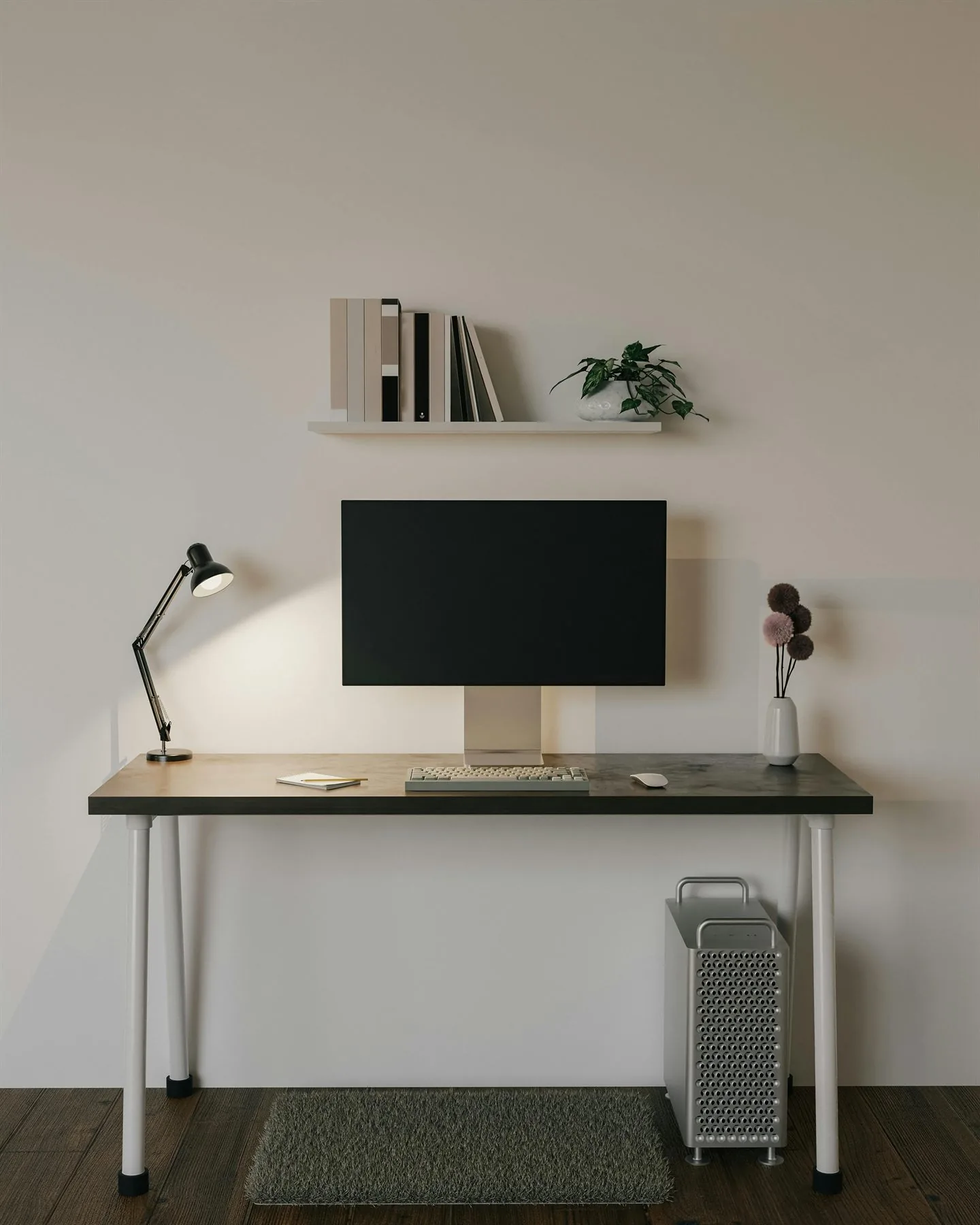
25% support
Mushroom, blue-green, or walnut structure
Use the stronger work tone on cabinetry, shelving, desk elements, or a single focus wall that adds steadiness.
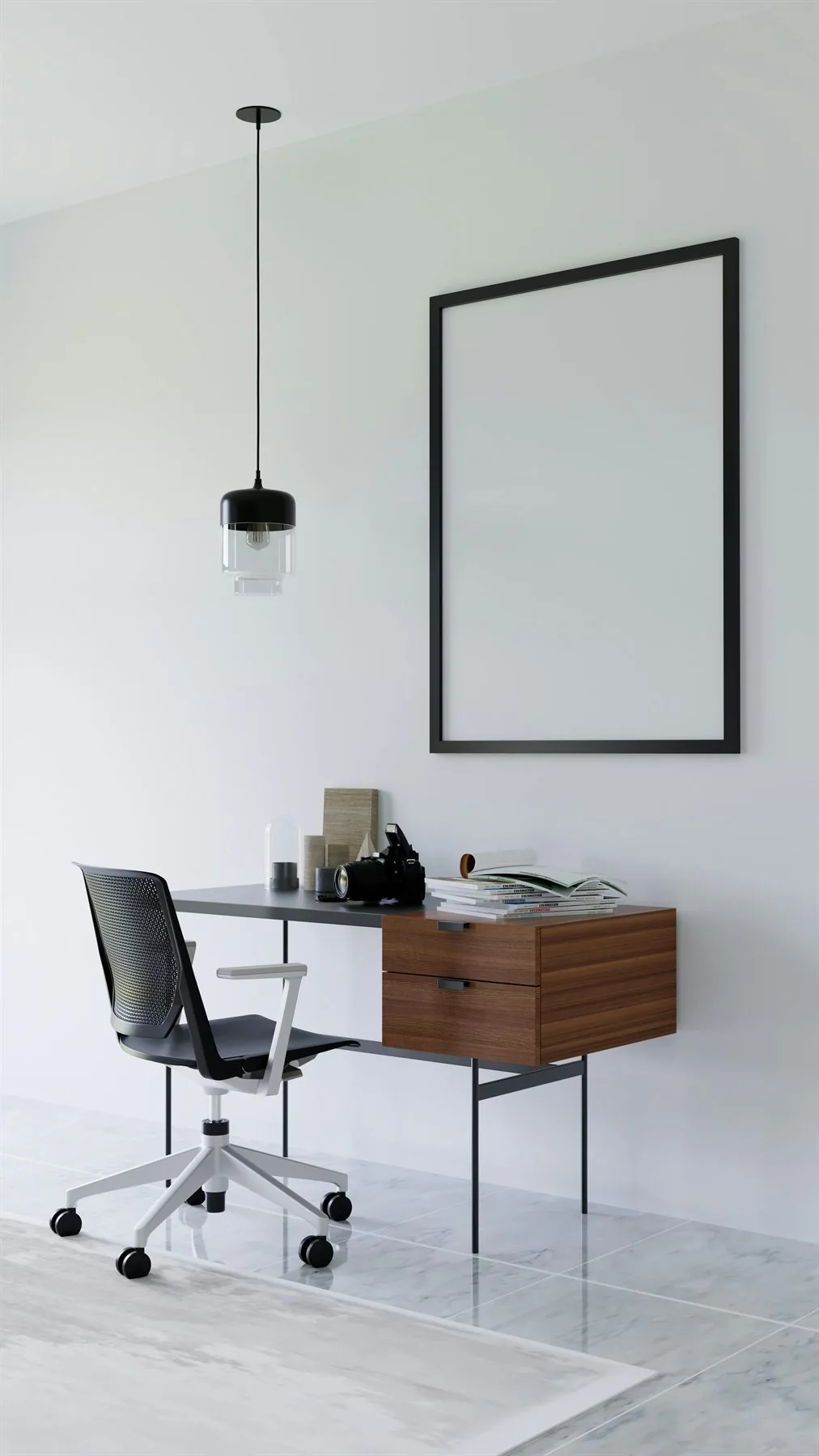
10% accent
Muted sage, charcoal, or smaller wood warmth
Keep the livelier note in plants, task lamps, framed details, or a smaller accent surface so the office stays alert, not busy.
Office Colors to Use More Carefully
Strong color is not automatically wrong in an office, but the most common mistakes are obvious. Neon tones pull attention away from the work. Very cold gray can flatten the room. Too much black can make the space feel heavier than productive. If the room also needs a lift in mood, pair color with a few feng shui positive energy items instead of relying on paint alone.
If you cannot paint, work with the surfaces you can control: a desk mat, lamp shade, framed print, storage box, chair cushion, rug, or plant pot. This is often the cleaner choice in a rental or corporate office because the color stays intentional without taking over the lease or the room.
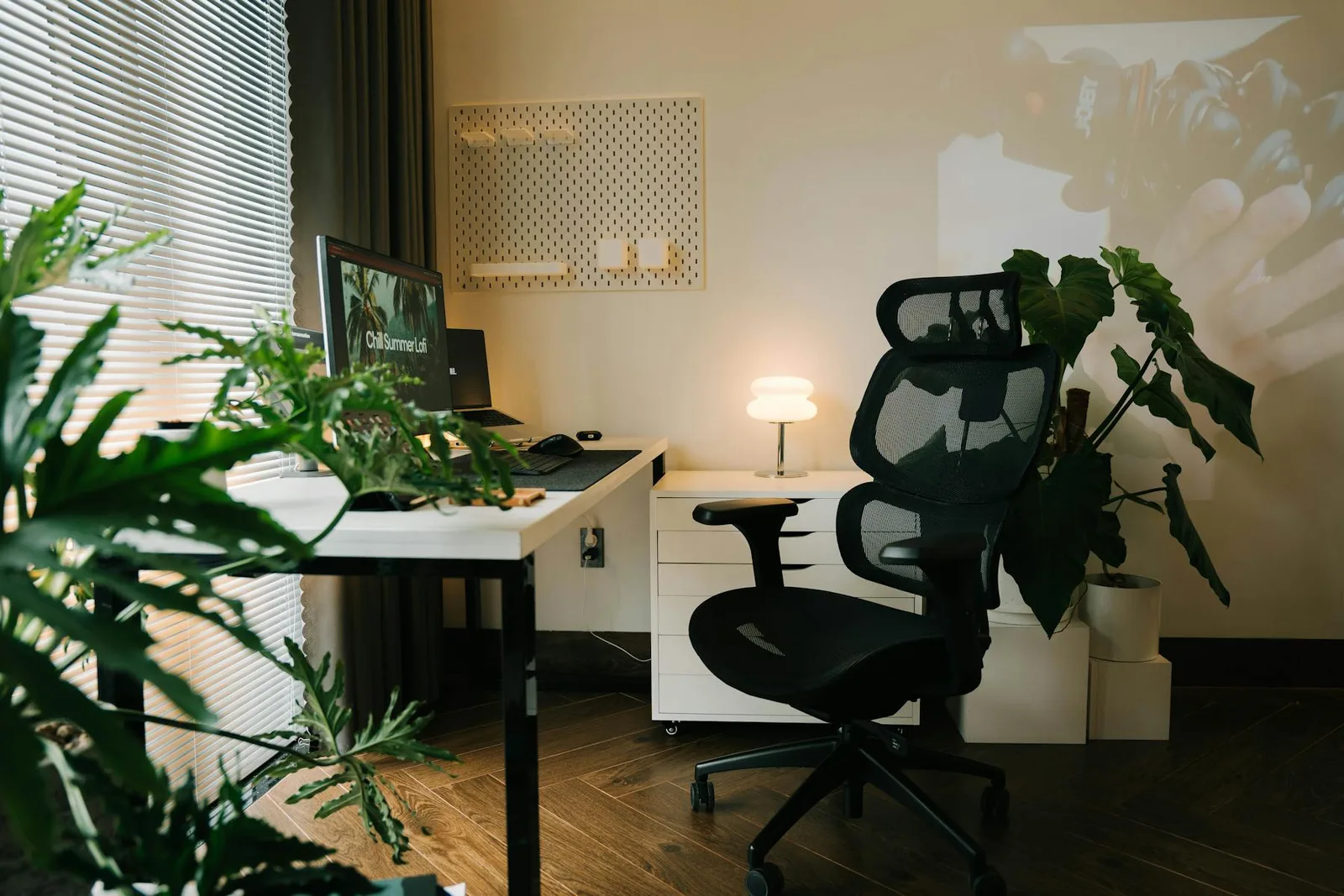
Avoid this palette trap, try this instead
Avoid this
Harsh white + Jet black + Cold gray
This can make a home office feel more severe than focused.
Try this instead
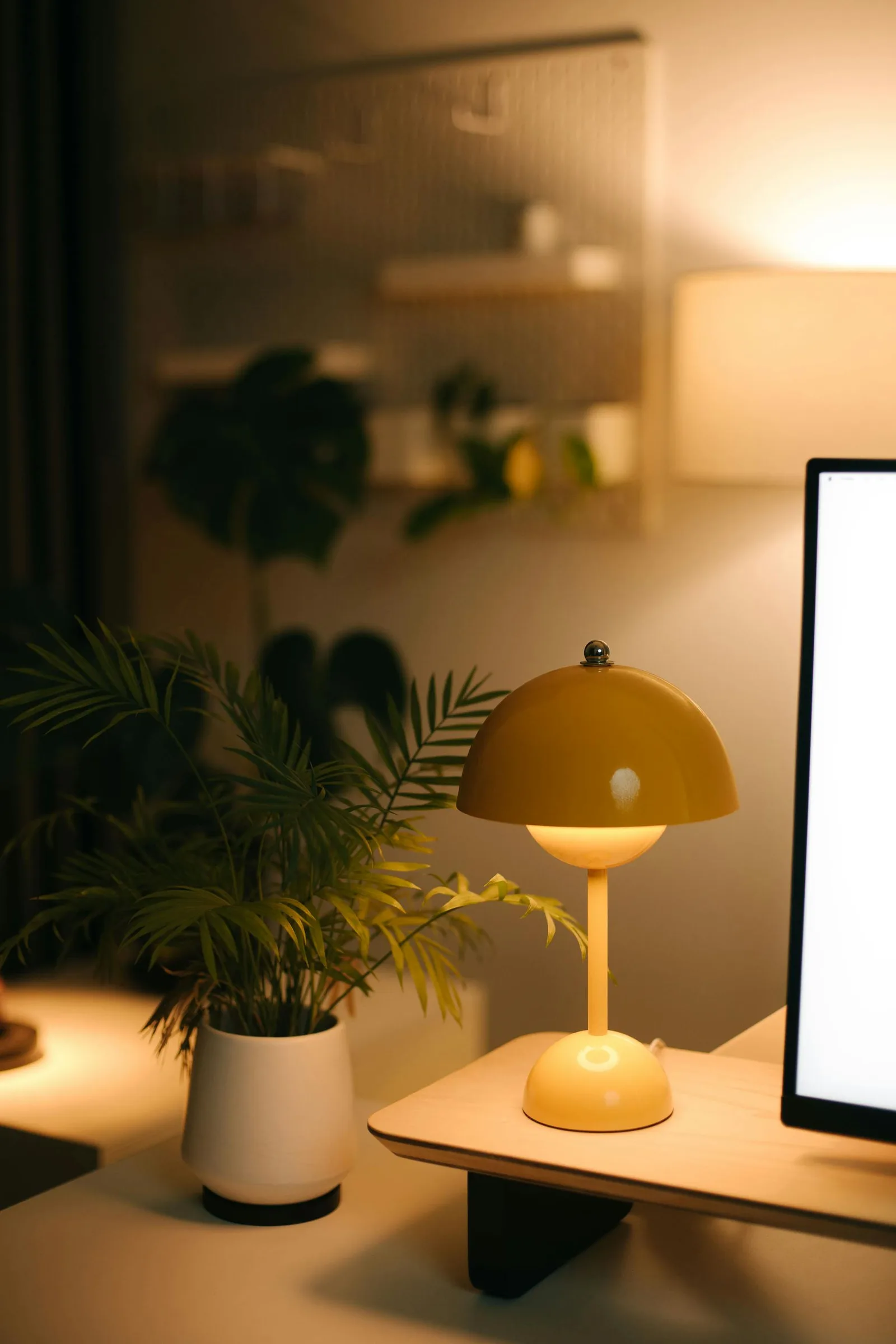
Warm white + Walnut + Muted sage
You still get clarity, but the room feels more supportive for long days.
Frequently Asked Questions
What are the best feng shui colors for an office?
Is white good feng shui for an office?
Is green good feng shui for an office?
What office colors should be used more carefully?
The bottom line
The best feng shui office colors support focus without draining the room. Warm white, soft greige, mushroom, muted sage, and dusty blue-green do that well because they stay clear but still feel human.
If you want the simplest rule, keep the office light, add one grounding furniture or wall tone, and let the warmth come through wood, texture, or a small green accent. That balance is what keeps the room both calm and alert.