

Quick Answer
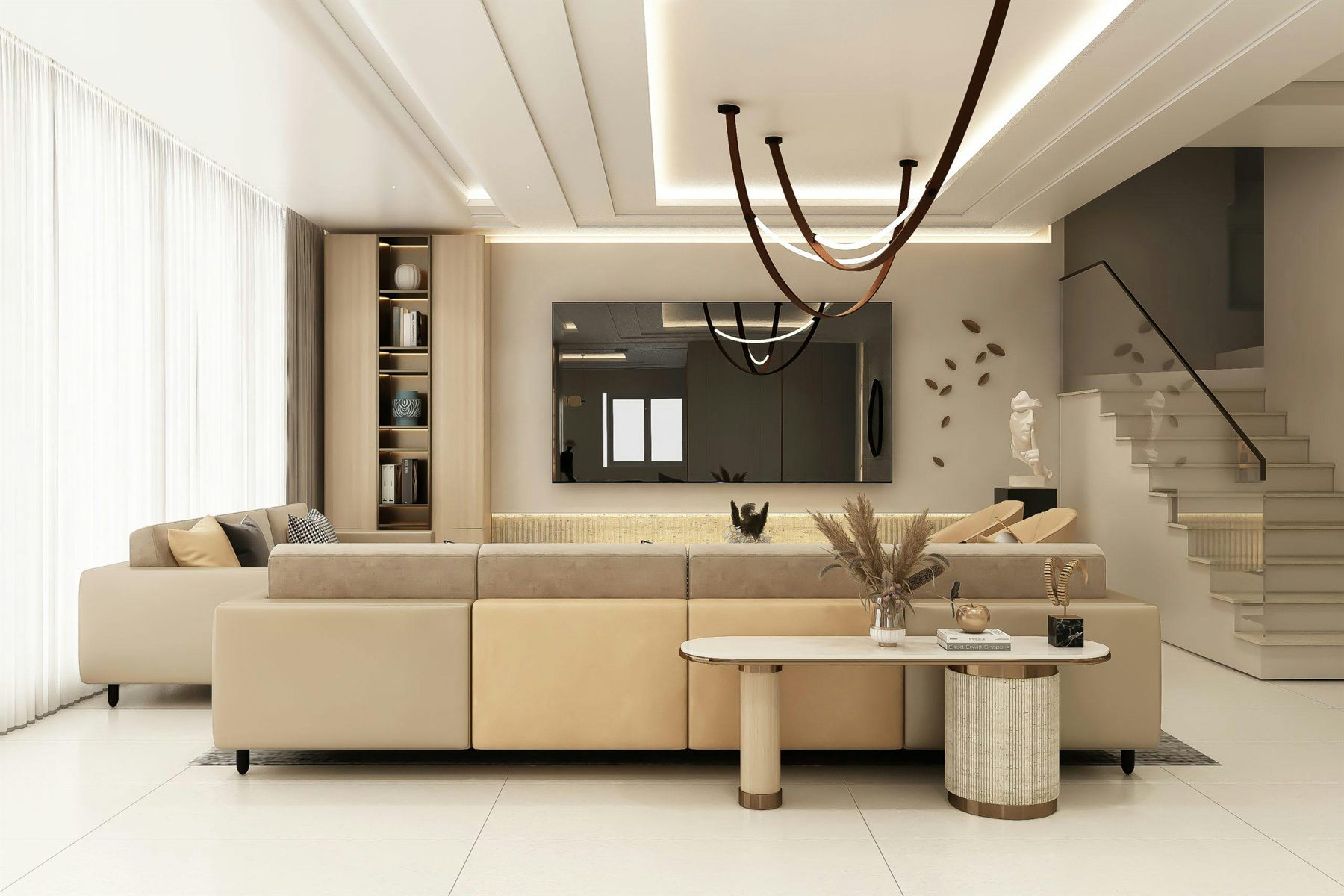
If you want the short version, the best feng shui colors for a living room are warm cream, soft greige, sage green, muted olive, dusty blue-green, sand, and small touches of terracotta. Those shades usually make the room feel grounded, welcoming, and easy to relax in without draining the space.
The most useful color advice is practical: which shades make a living room feel calmer, friendlier, and more balanced in daily life. That is why this guide focuses on how the palette should feel, where each color works best, and how to avoid ending up with a room that looks trendy but feels off.
In feng shui, the living room works best when it feels open enough for connection, grounded enough for comfort, and visually quiet enough that your mind can settle. Color shapes that feeling fast, so the goal is to choose tones that support the function of the room rather than chasing a paint trend that looks good for a week and feels tiring after that.
Start With Colors That Already Feel Livable
The easiest way to get feng shui color right is to choose shades that already feel believable in a real room. That usually means colors with a little softness in them. Stark white, icy gray, and hyper-saturated accent colors can work in small doses, but they are harder to live with when they become the main mood.
The most useful living room palette directions
These are the tones that tend to support comfort, conversation, and a more grounded feel.
Warm cream
Bright without feeling stark
Warm cream + Oat + Walnut
Best for walls, larger rugs, and rooms that need softness instead of more contrast.
Soft greige
Quiet and connecting
Soft greige + Mushroom + Oak
Useful when you have mixed woods, mixed upholstery, or older furniture that needs a calmer bridge color.
Sage green
Restorative and lived-in
Sage green + Cream + Walnut
Excellent for a sofa, curtains, painted cabinetry, or a single grounding wall in a bright room.
Muted olive
Cocooning and grounded
Muted olive + Linen + Clay
Best in smaller doses through chairs, pillows, or a darker anchor piece rather than every surface.
Dusty blue-green
Calm with a cooler edge
Dusty blue-green + Greige + Moss
Helpful in harshly bright spaces where you want visual ease but not a heavy earthy palette.
Terracotta accent
Warm and welcoming
Terracotta accent + Cream + Brass
Works best through cushions, ceramics, or art rather than wall-to-wall color.
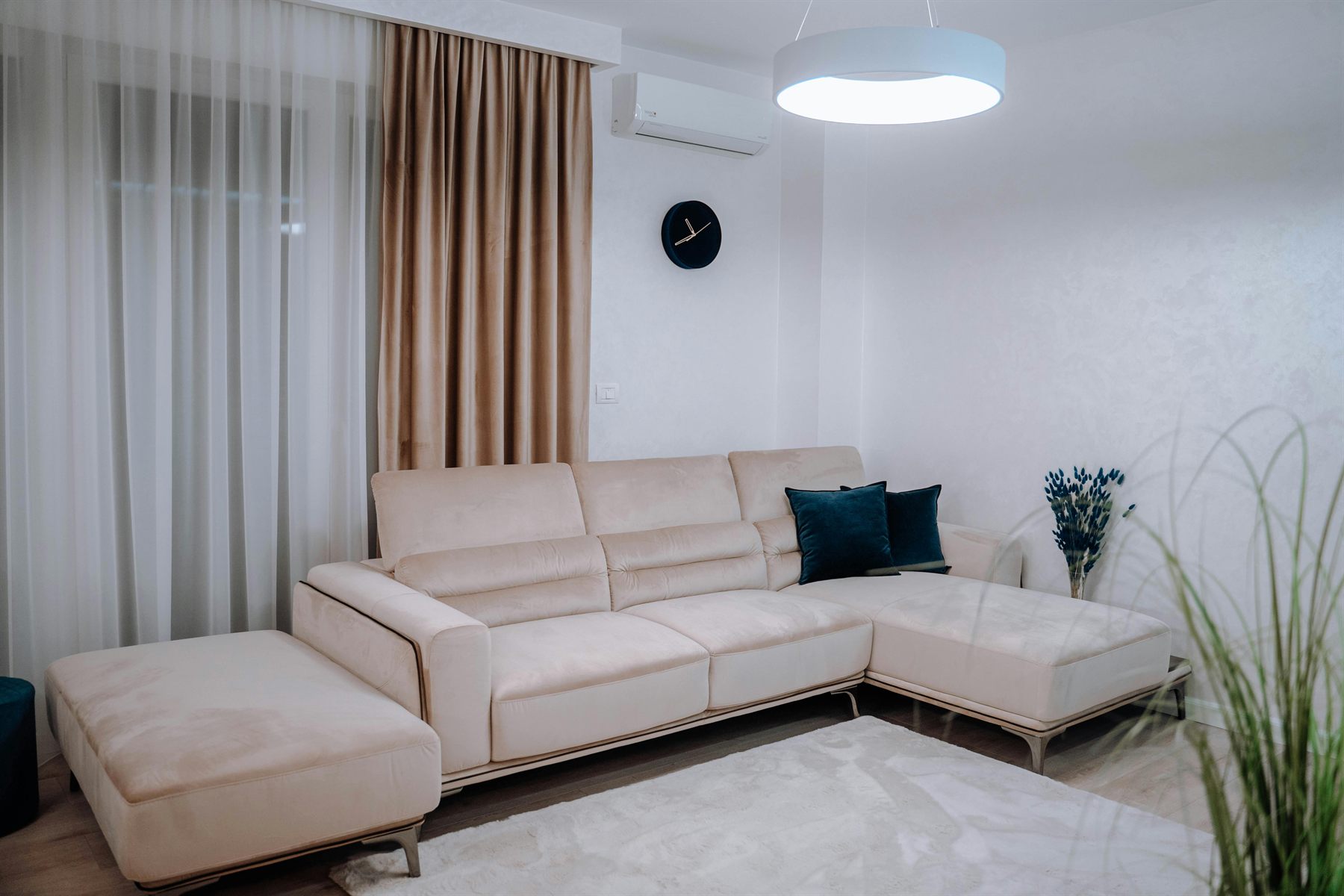
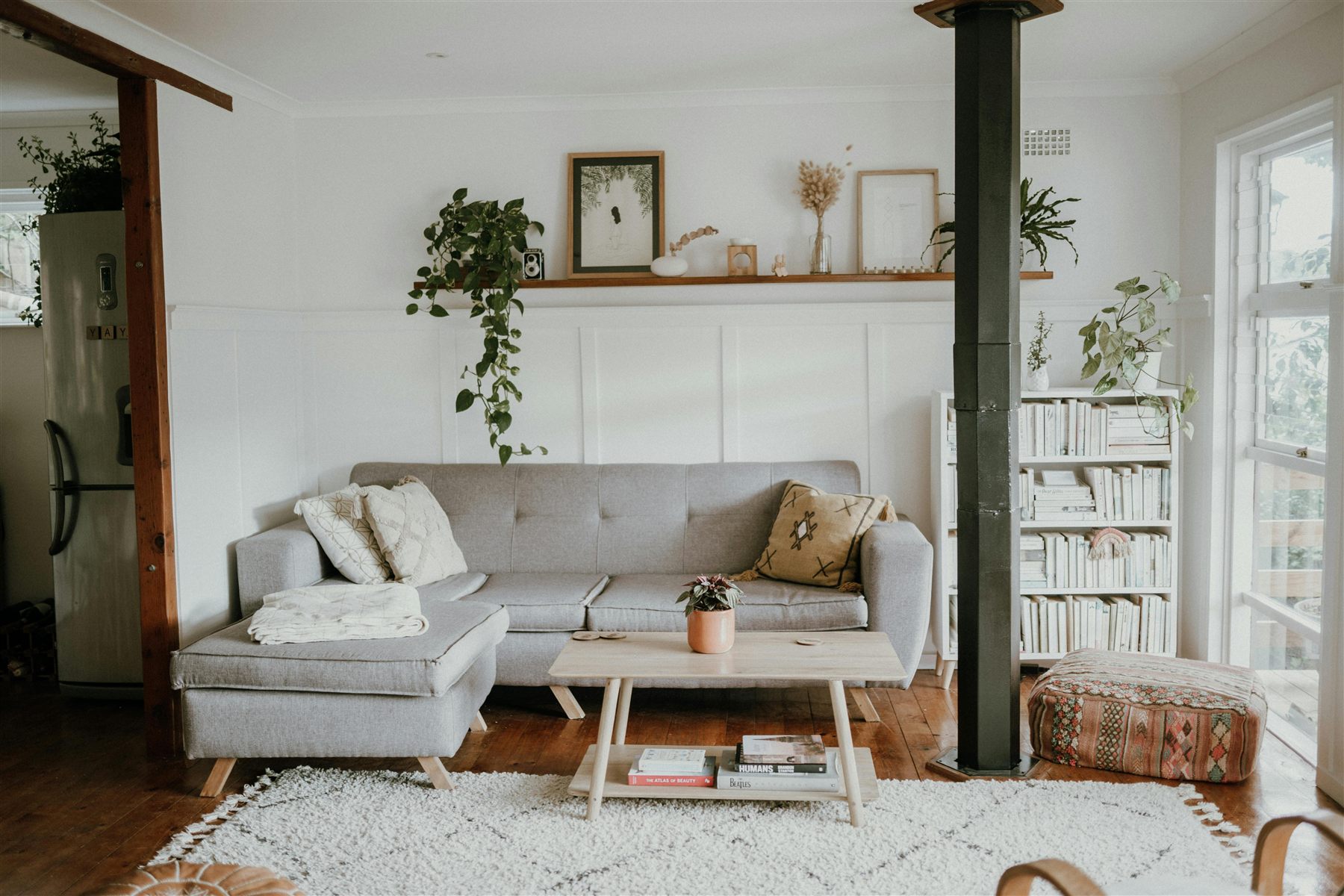
That softer direction is often the safest starting point because it gives you room to add wood, greenery, clay, or brass without creating visual conflict. A quiet base palette is what lets the more personal details feel intentional instead of chaotic.
Three pairings that usually work better than a single color
Soft grounded neutral
Sage + Oat + Walnut
A dependable formula for family rooms and multipurpose living rooms that need to feel calm all day.
Warm and airy
Cream + Sand + Clay
Good for darker rooms that need lift without feeling washed out or too pale.
Quiet but not beige
Blue-green + Greige + Moss
Useful when you want a slightly cooler palette without ending up with a room that feels emotionally cold.
How to Choose the Right Palette for Your Living Room
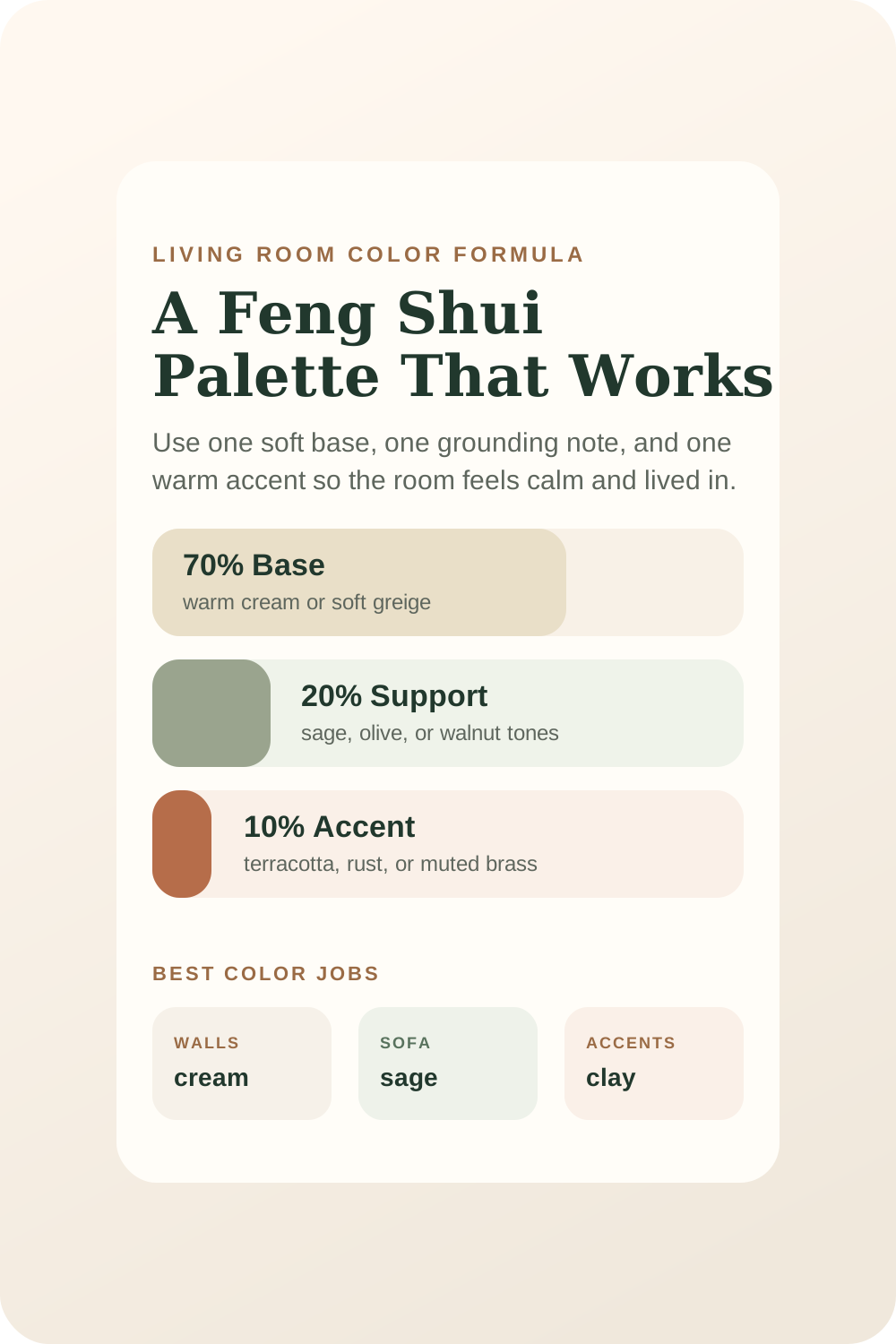
A good feng shui palette should answer three questions: how much natural light does the room get, what mood do you want when you walk in, and which large furniture pieces are already staying. That keeps the palette realistic instead of aspirational in a way that fights the room. If you are working through broader feng shui rules for your home, this is one of the clearest places to apply them in a practical way.
Pick one color for each job
Best wall color
Warm cream or quiet greige
These shades keep the room open and forgiving. They are the easiest base when you want light without harshness.
Best sofa color
Sage, olive, or mushroom
The sofa is a large visual anchor, so it helps when it feels grounded and a little deeper than the walls.
Best accent color
Terracotta, rust, or muted brass
Accent color should add life, not noise. Warm earthy accents bring movement without taking over the room.
| Room condition | Best color direction | Why it works |
|---|---|---|
| Dark room with limited light | Warm cream, sand, soft oat | These shades bounce light gently and keep the room from feeling flat or cave-like. |
| Bright room that feels harsh | Sage, dusty blue-green, muted olive | Gentle color calms the brightness and makes the room feel more settled. |
| Room with lots of mixed furniture | Greige, mushroom, warm taupe | These bridging tones help old and new pieces look more intentional together. |
| Room that needs warmth | Cream plus terracotta accents | The base stays soft while the accent adds energy and welcome. |
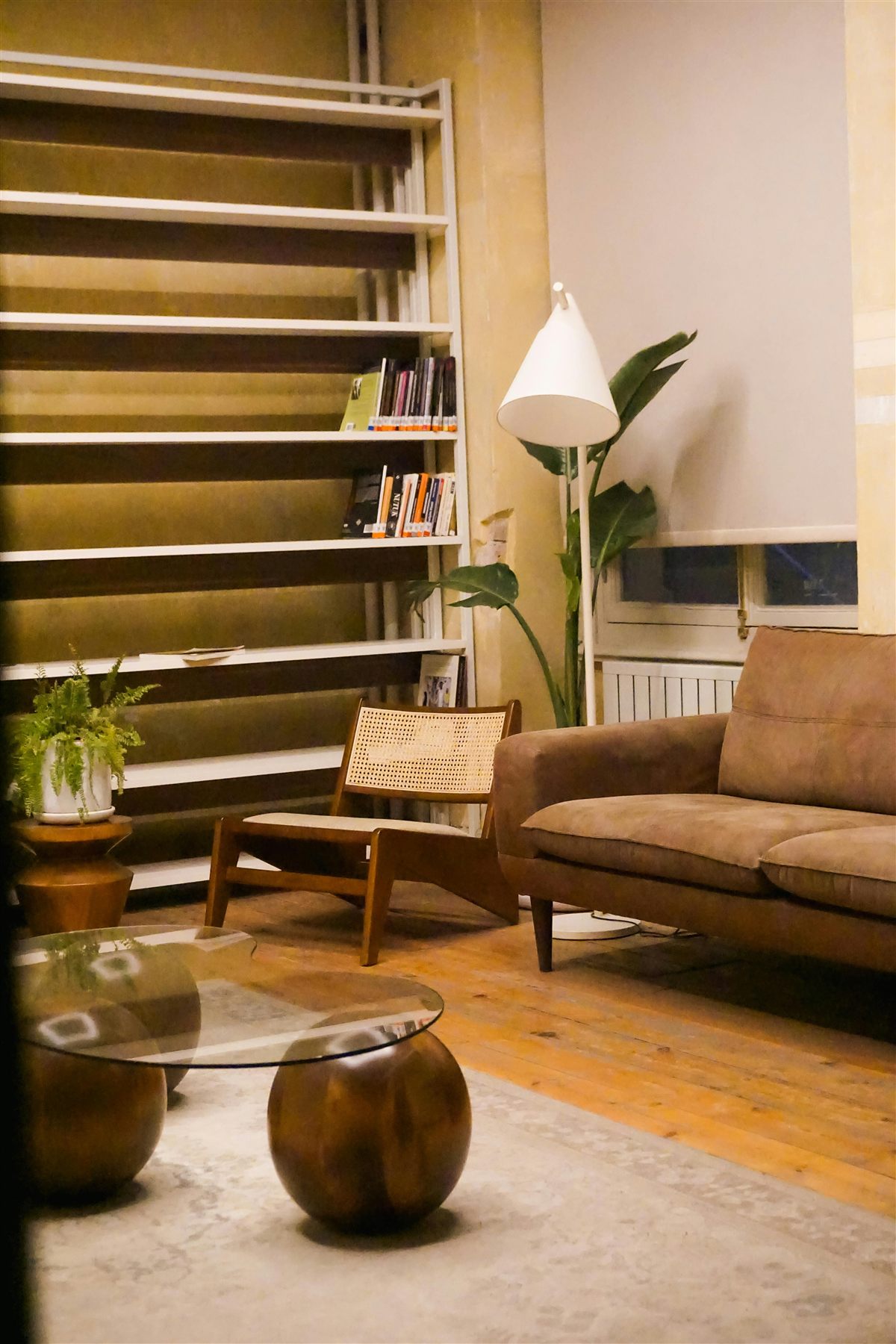
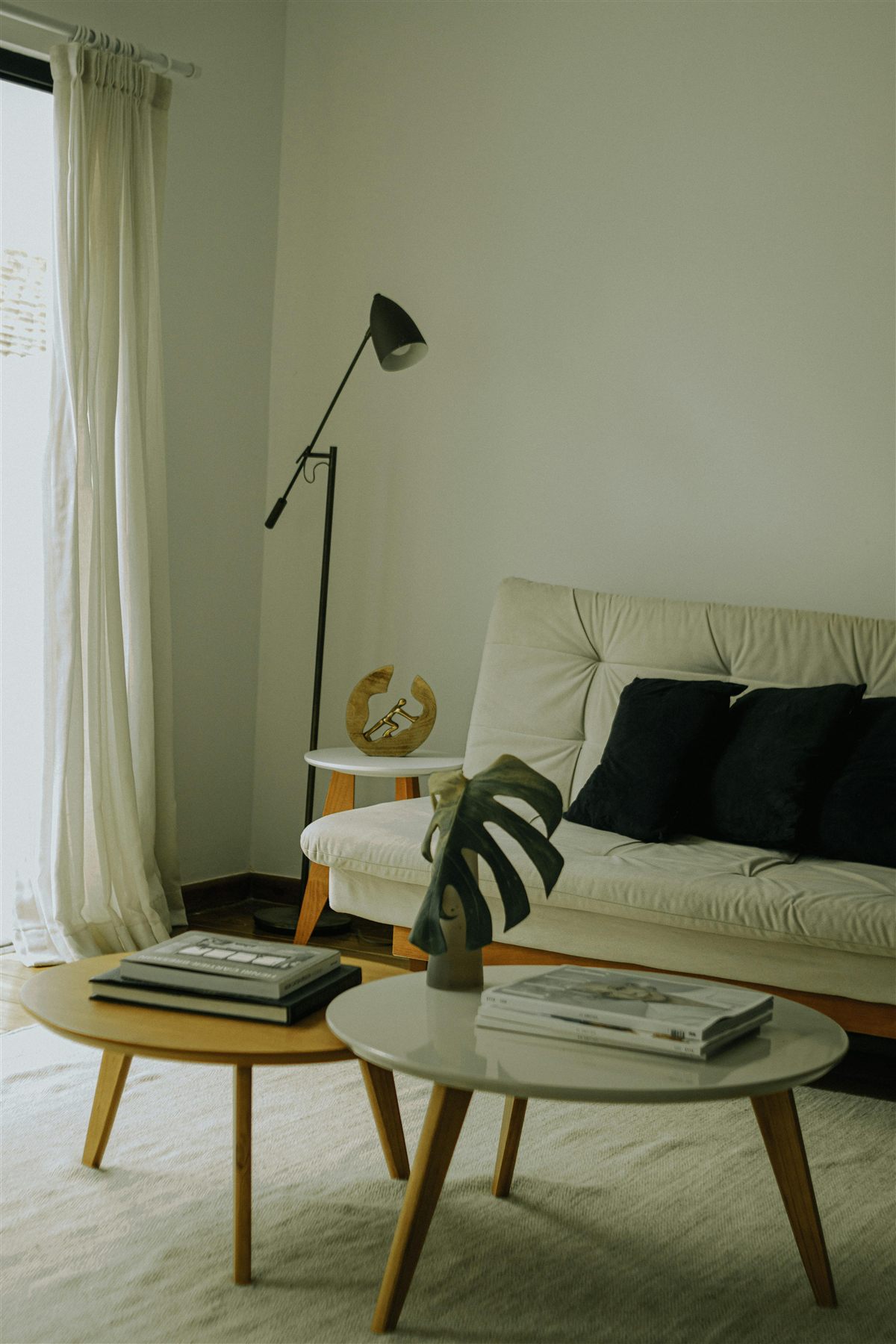
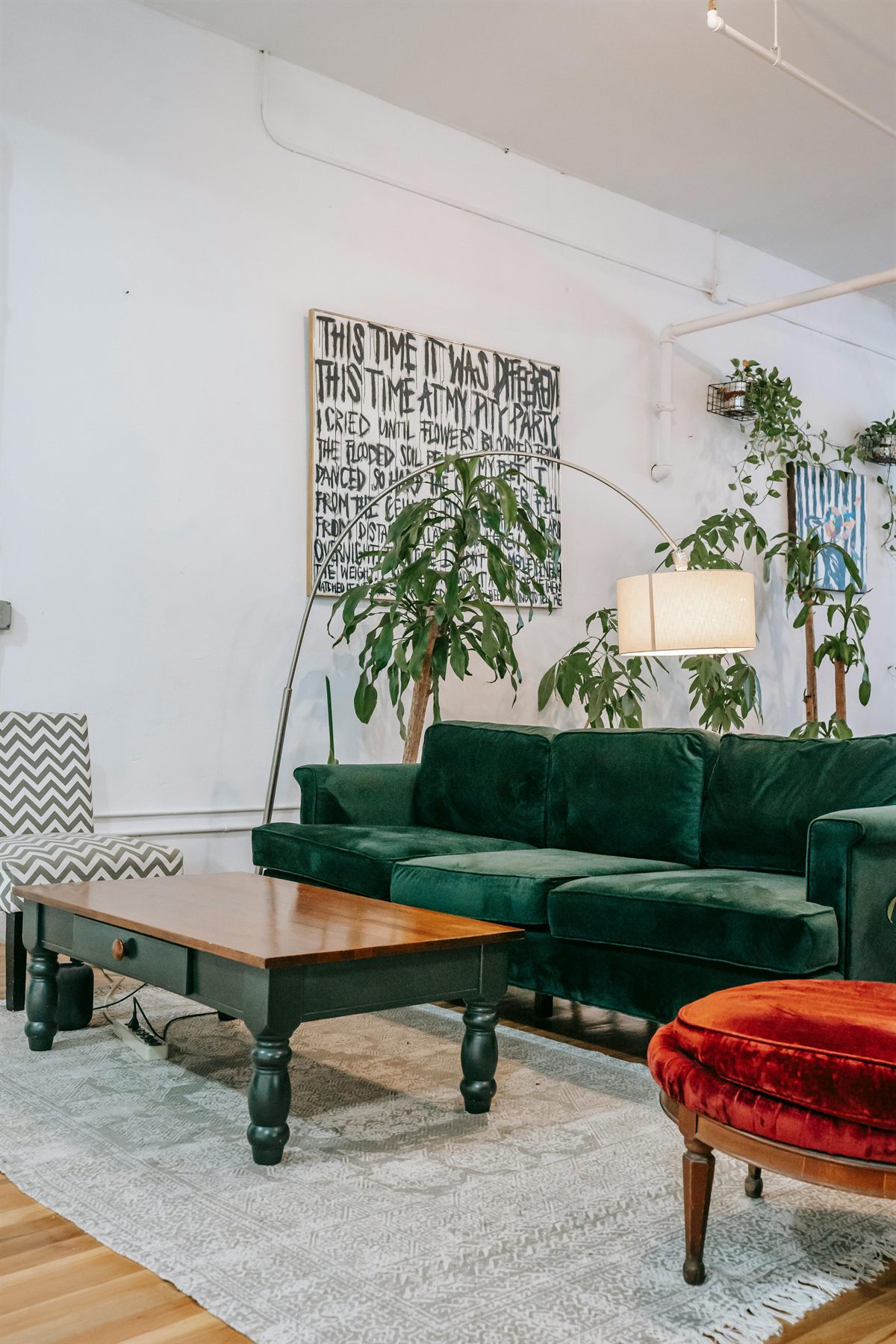
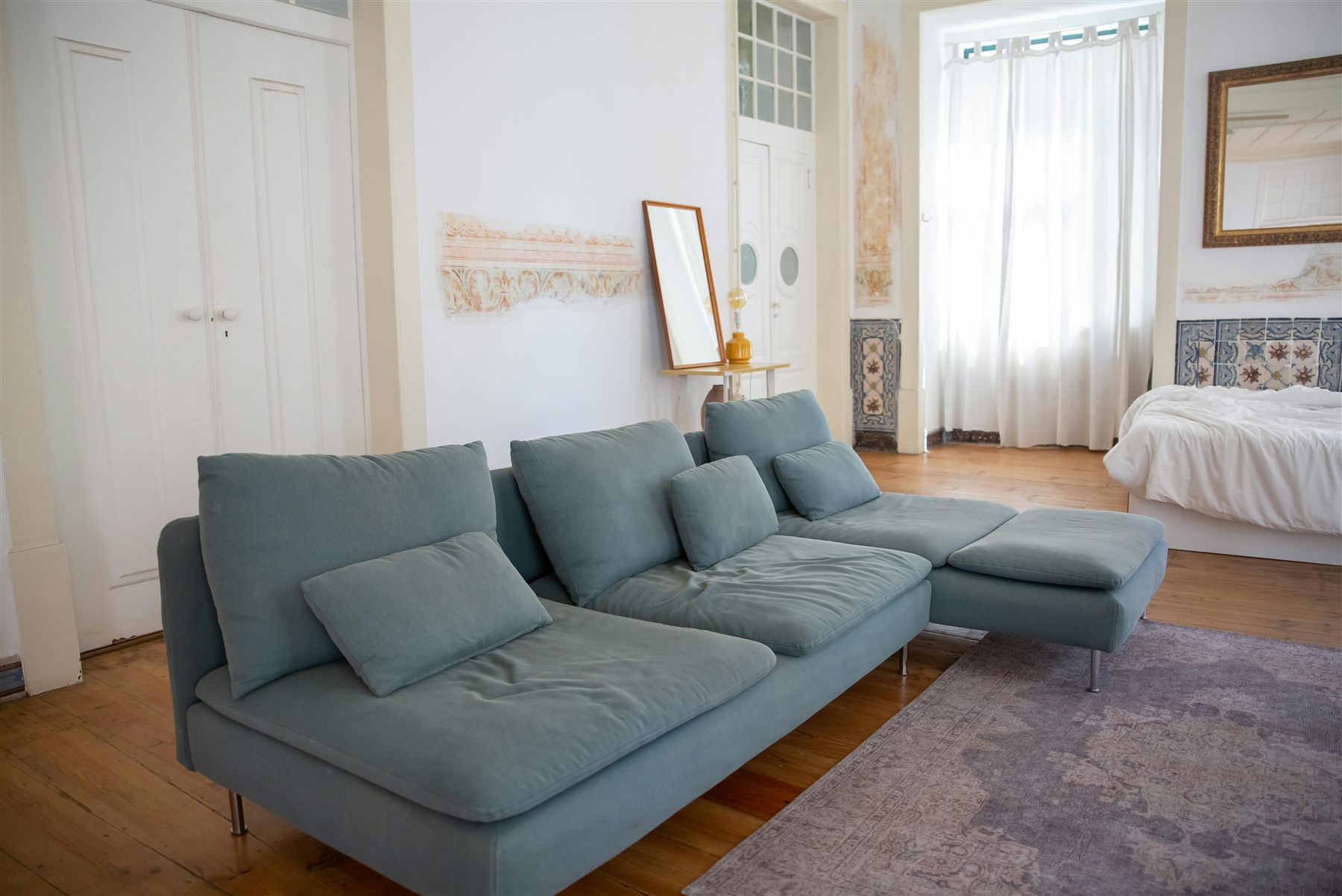
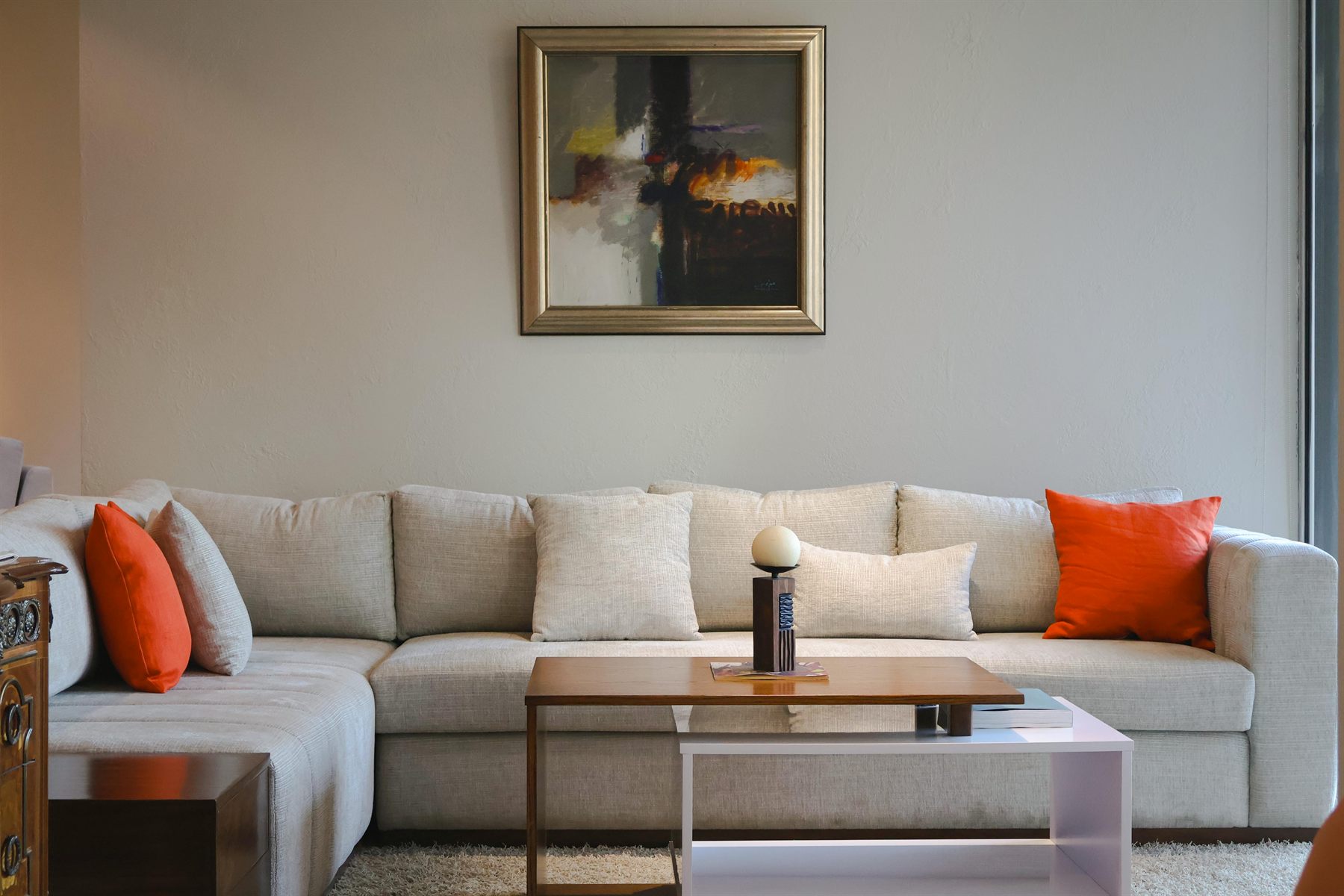
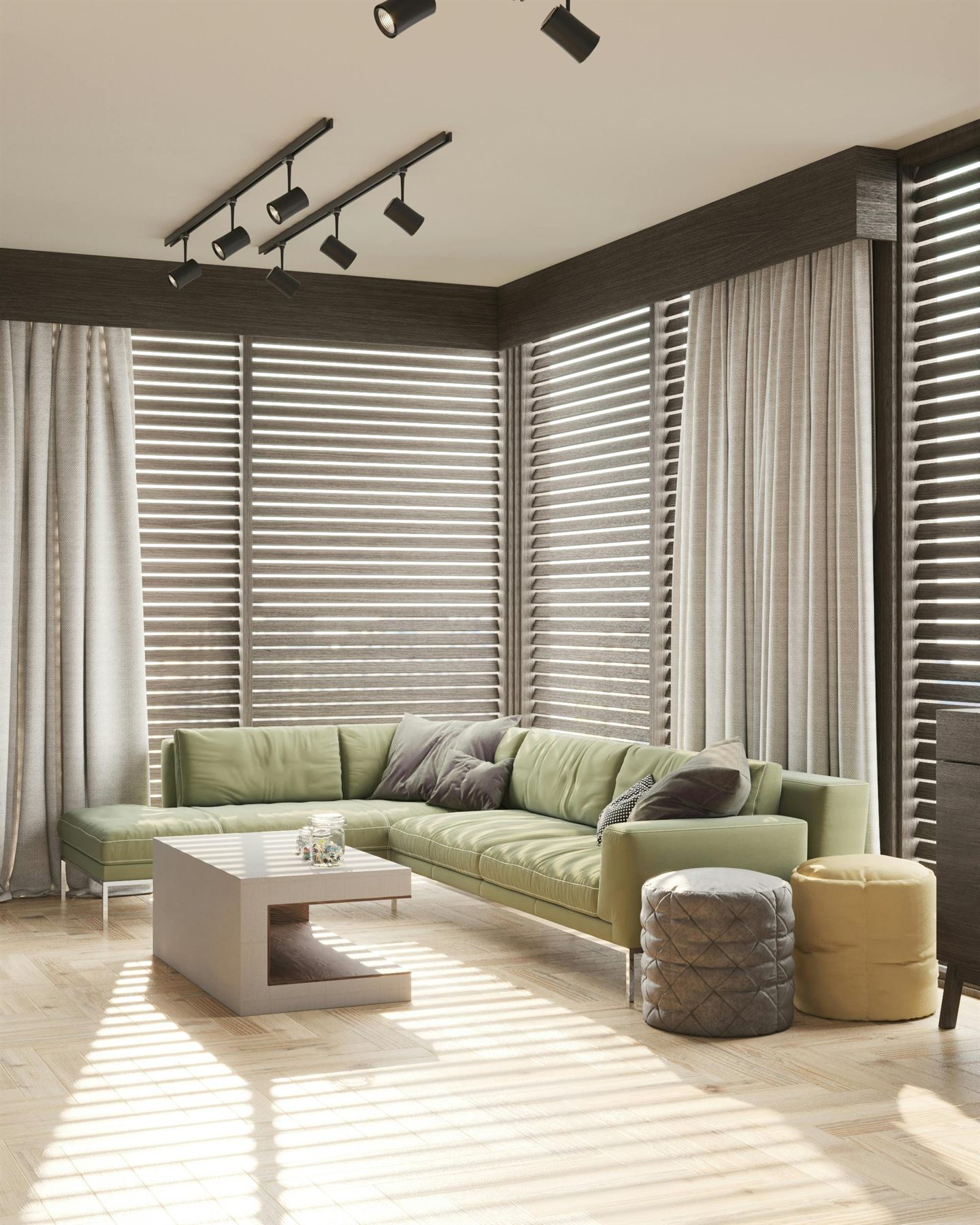
If you want the room to feel a little richer without painting everything darker, a colored sofa is often a better move than dark walls. It grounds the room while still letting the floor, rug, and natural light keep the space open.
If you want green in the room without making the palette feel heavy, softer sage tones are usually easier to live with than very dark walls. They still bring that grounded, restorative feeling, but they keep the space more open and forgiving.
A practical accent ratio that keeps the room balanced
70% base
Warm cream or soft greige
Use this on walls, the rug, or other large surfaces so the room feels open and cohesive.
20% support
Sage, olive, or wood tones
Let this color ground the sofa, chairs, drapery, or larger styling pieces.
10% accent
Terracotta, rust, or muted brass
Keep this for pillows, ceramics, art, and small details that add warmth without pushing the room too hard.
Colors to Use More Carefully
Most feng shui color advice becomes more useful when you think in terms of dosage instead of total ban lists. There are very few colors that are universally wrong, but there are colors that can become tiring quickly when they take over the entire room.
Avoid this palette trap, try this instead
Avoid this
Cold gray + Bright white + Hard red
A room built around cold gray, stark white, and one loud red accent often ends up feeling sharper than people expect.
Try this instead
Greige + Cream + Terracotta
Swap the same idea into warmer undertones so the room still feels fresh, but not emotionally distant or overstimulating.
Build the palette this way
- +Start with one quiet base color for the walls or largest surfaces.
- +Anchor the room with one deeper note through the sofa, wood, or drapery.
- +Repeat your accent color in two or three places so it looks intentional.
- +Test paint and textiles in both daylight and evening lamp light before committing.
What usually weakens the room
- -Choosing five trendy colors at once and hoping the room balances itself.
- -Using only cool gray and white in a room that already feels emotionally cold.
- -Painting the whole room a strong color before you know how it behaves at night.
- -Letting one loud accent color dominate every soft surface in the room.
A good rule of thumb
If a color feels sharp, loud, or draining after a few minutes, it usually works better as an accent than as the dominant mood for the entire room.
Frequently Asked Questions
What is the best feng shui color for a living room?
Is blue good feng shui for a living room?
Should a feng shui living room be white?
What color should be avoided in a living room?
The Bottom Line
The best feng shui colors for a living room are the ones that help the room feel welcoming, visually calm, and emotionally easy to be in. For most homes, that means warm neutrals, gentle greens, and earthy supporting tones.
Start with the light in the room, give each color a job, and let stronger shades stay in supporting roles. When the palette supports the way you want the room to feel, the feng shui usually gets stronger naturally.