



Quick Answer
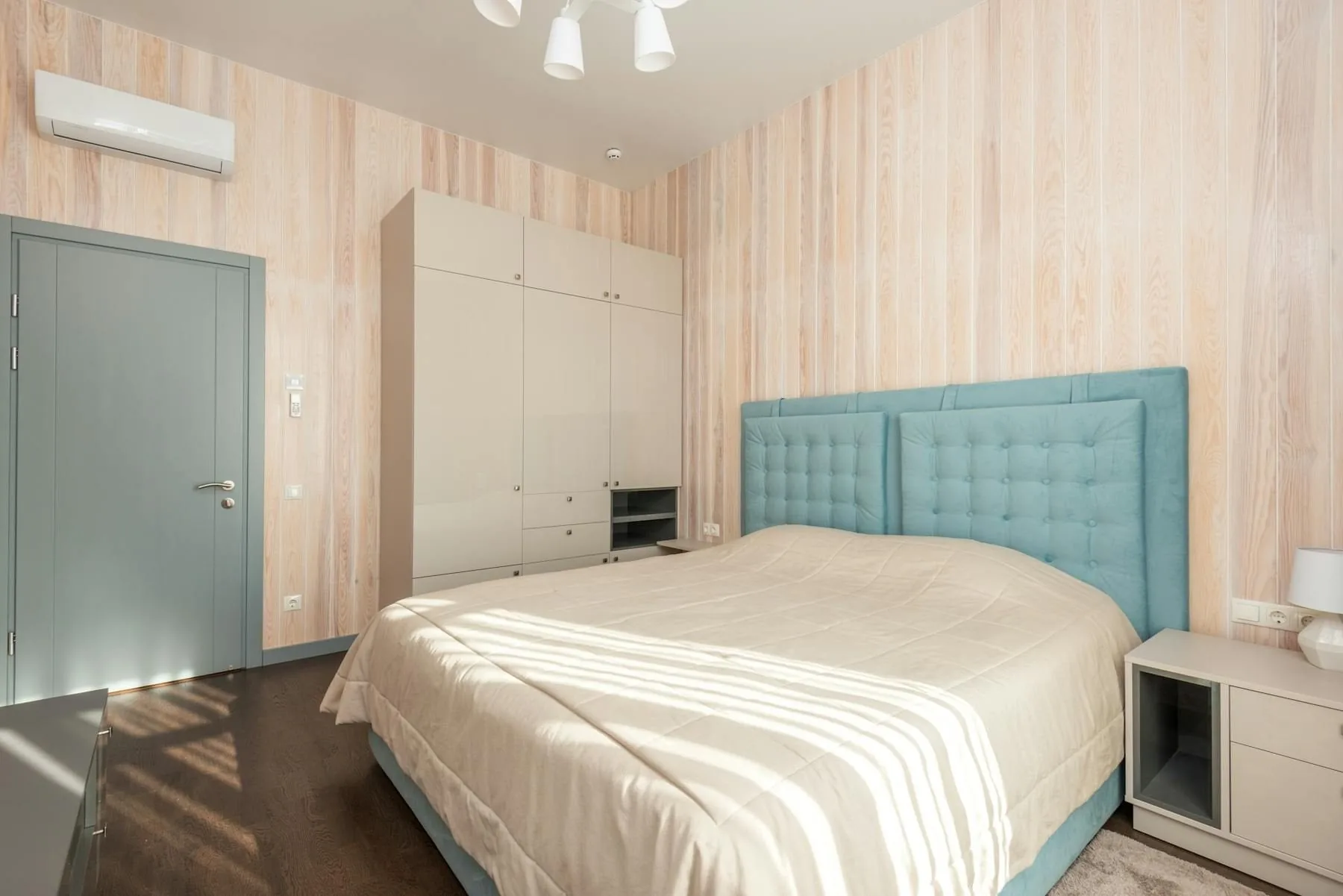
The best feng shui colors for a bedroom are warm white, soft beige, mushroom, muted taupe, dusty blue, and soft sage. These tones feel calmer, warmer, and easier to sleep with than stark white, icy gray, or very intense color.
Bedroom color should feel good at night, not just under daytime light. The best palette is one that helps the room settle down as the evening goes on.
In feng shui, the bedroom works best when it supports rest, intimacy, and emotional ease. That is why softer tones tend to work so well. The room does not need to be boring, but it does need to feel less stimulating than the rest of the home.
Start With Colors That Already Feel Restful
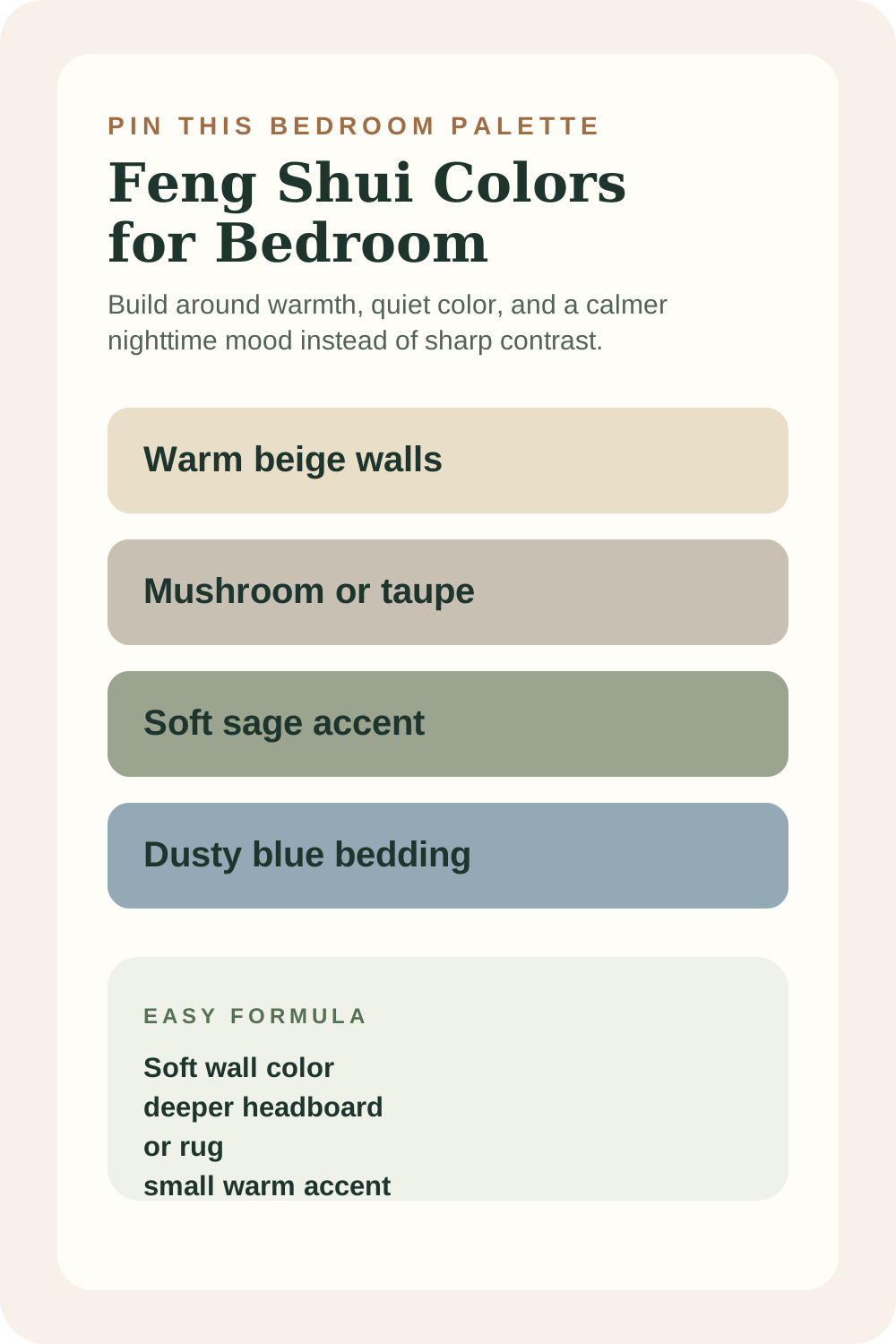
The most useful bedroom color directions
These tones tend to feel better over time because they soften the room instead of sharpening it.
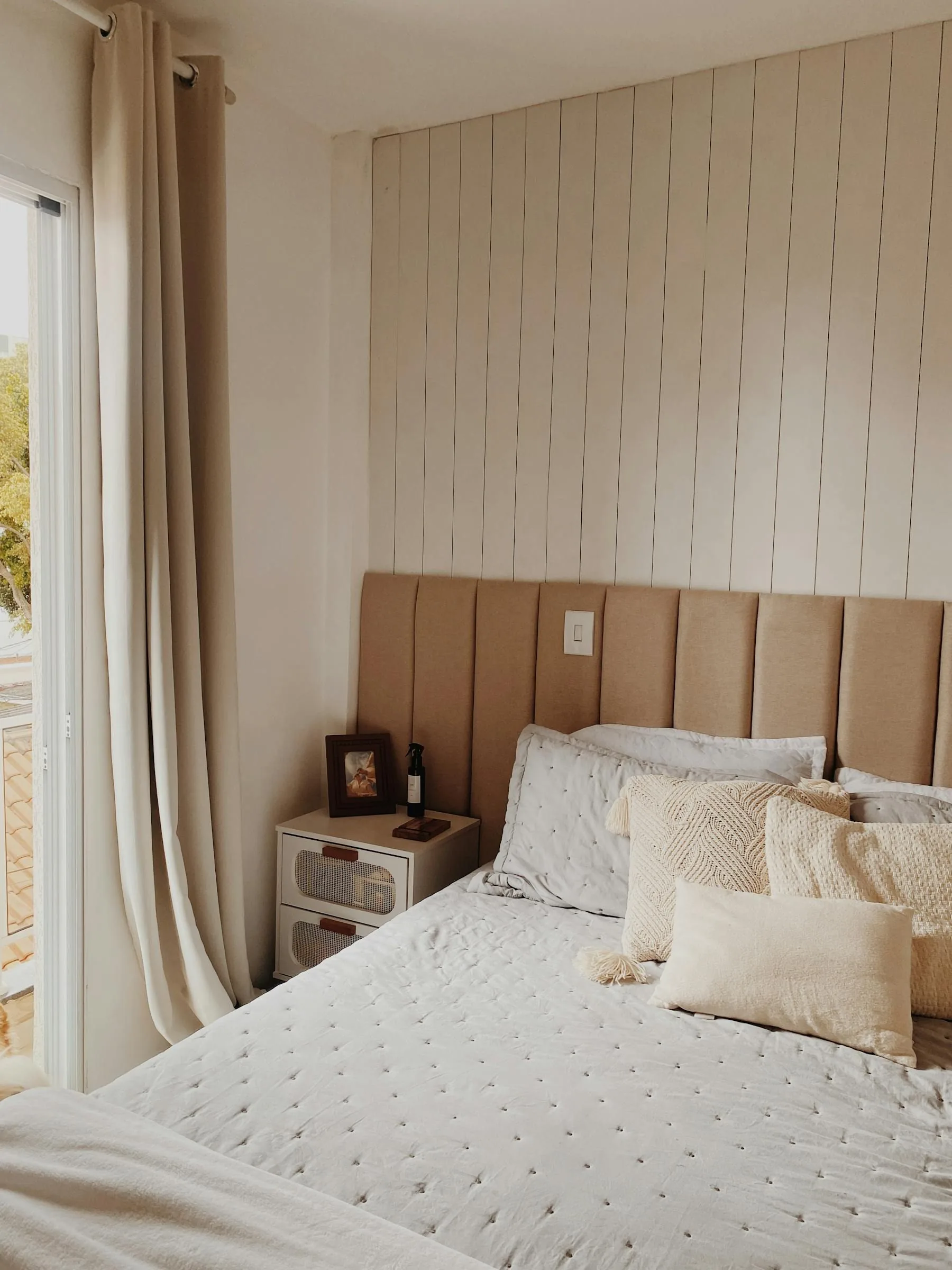
Warm beige
Soft and cocooning
Warm beige + Taupe + Walnut
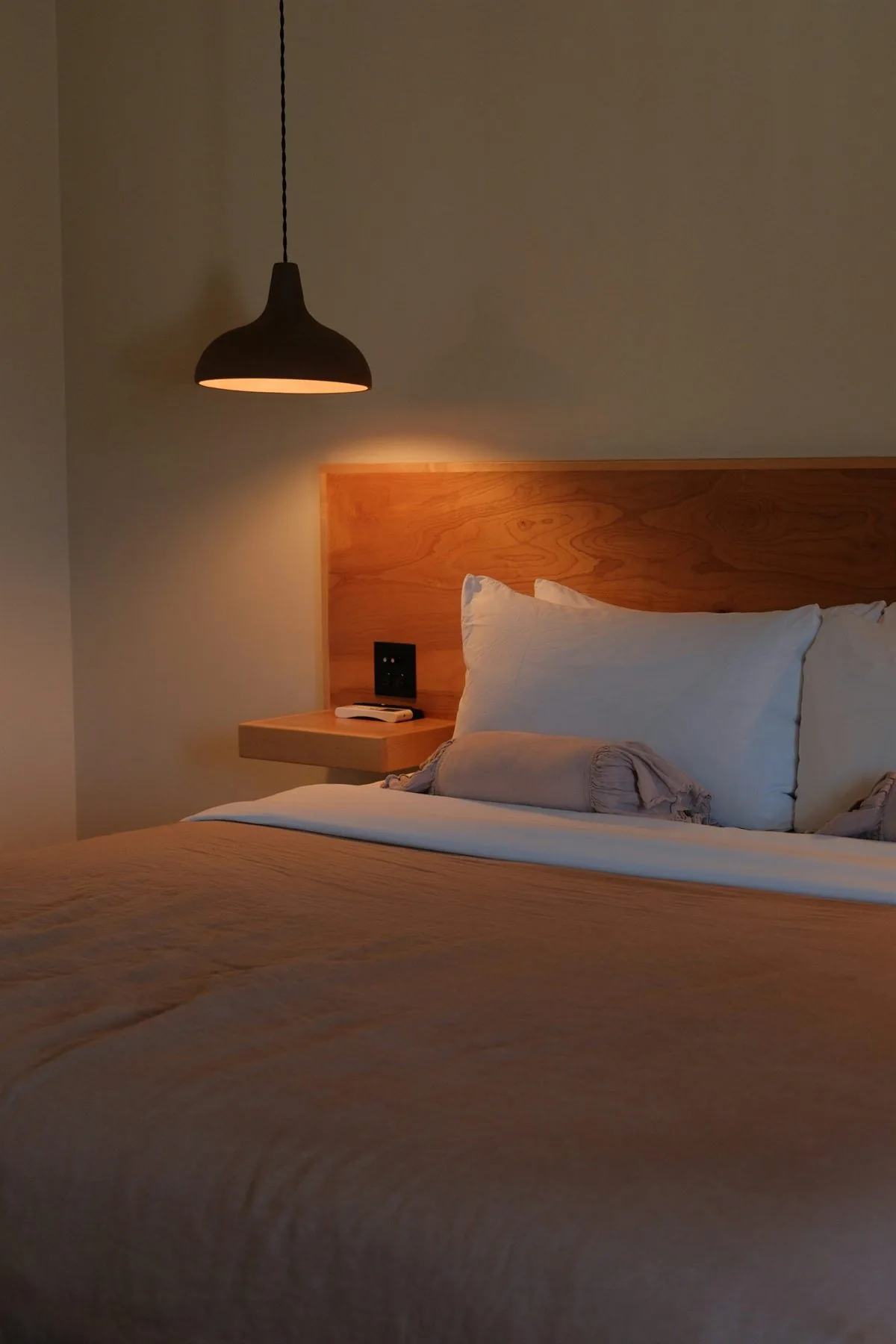
Excellent for walls, bedding, and larger surfaces when you want the room to feel gentle instead of stark.
Mushroom
Quiet and stable
Mushroom + Oat + Clay
Helpful when you want a neutral bedroom that still has more depth than plain cream.
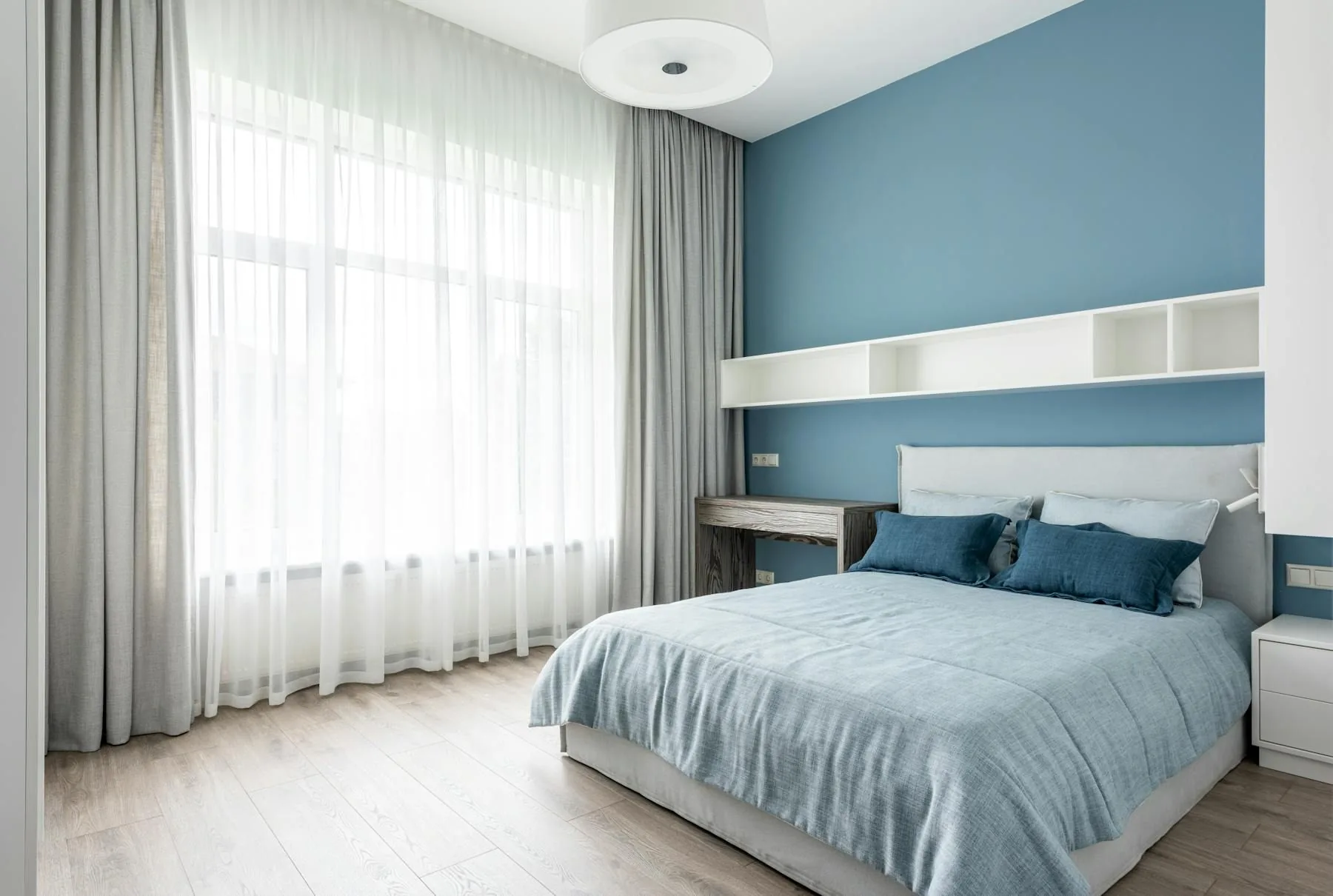
Dusty blue
Cooler but still calm
Dusty blue + Cream + Greige
Best through bedding, one wall, or upholstery when you want freshness without harshness.
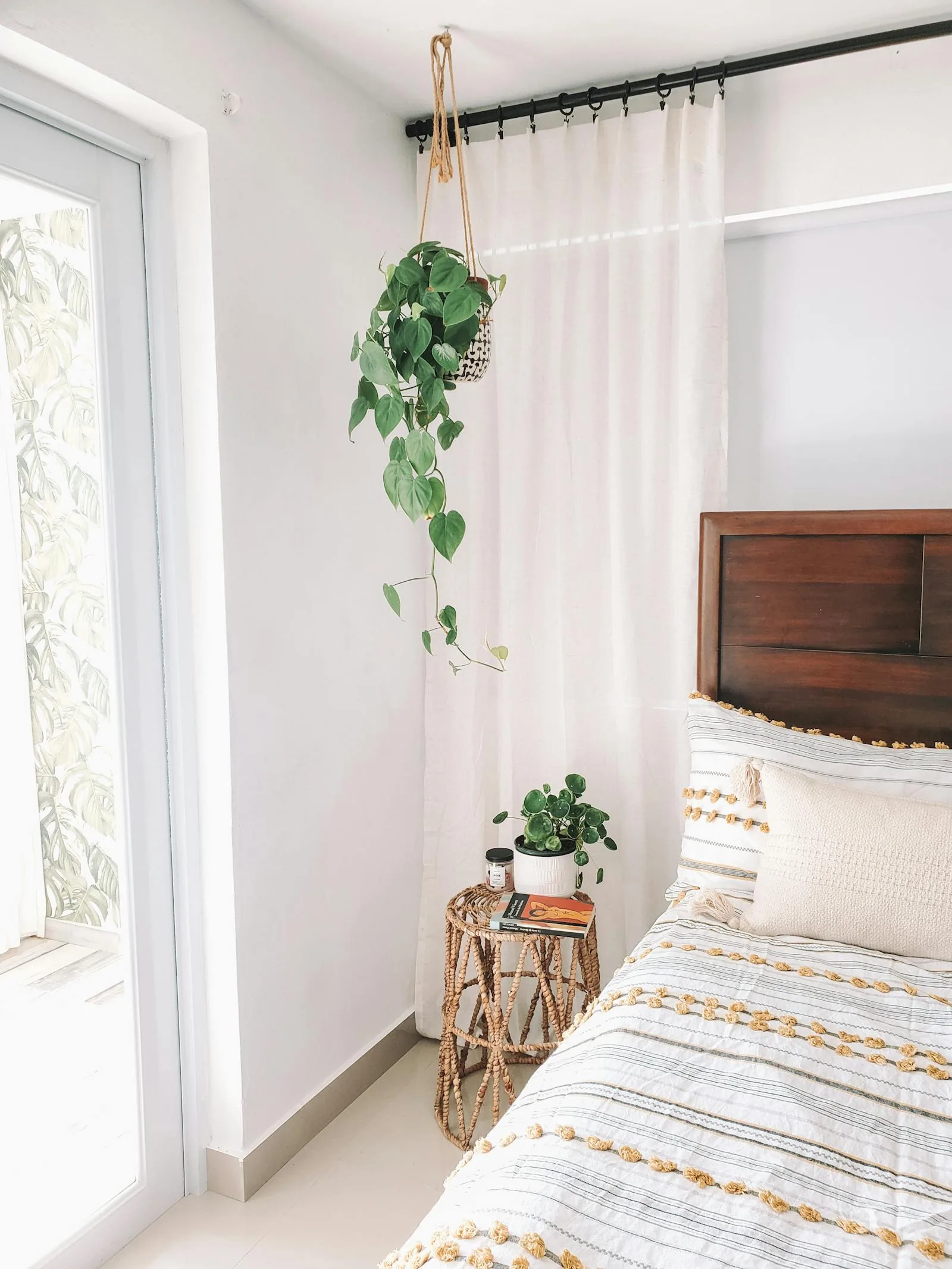
Soft sage
Restorative and grounded
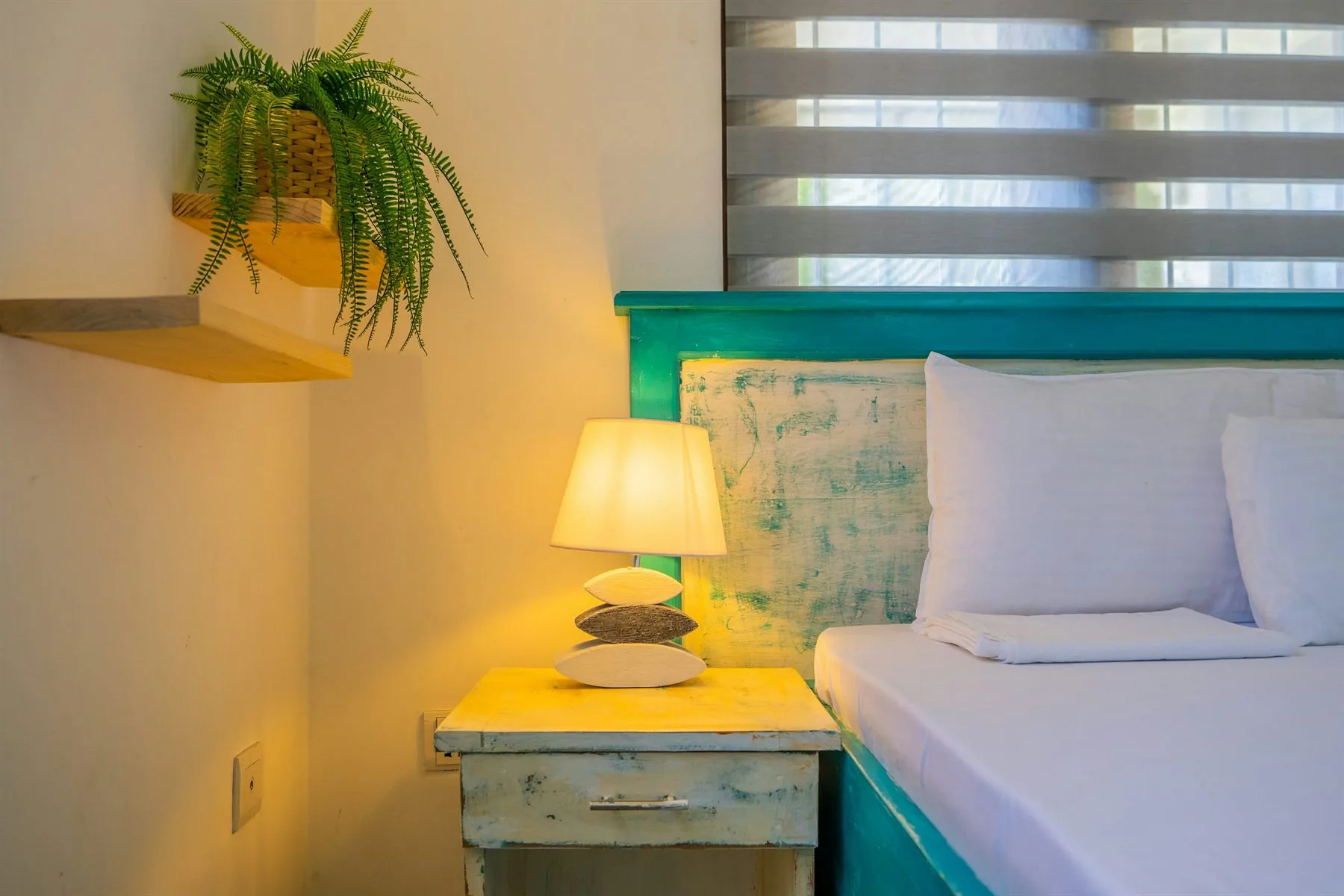
Soft sage + Linen + Wood
Good for an accent wall, drapery, or a headboard if you want a touch of nature without heaviness.
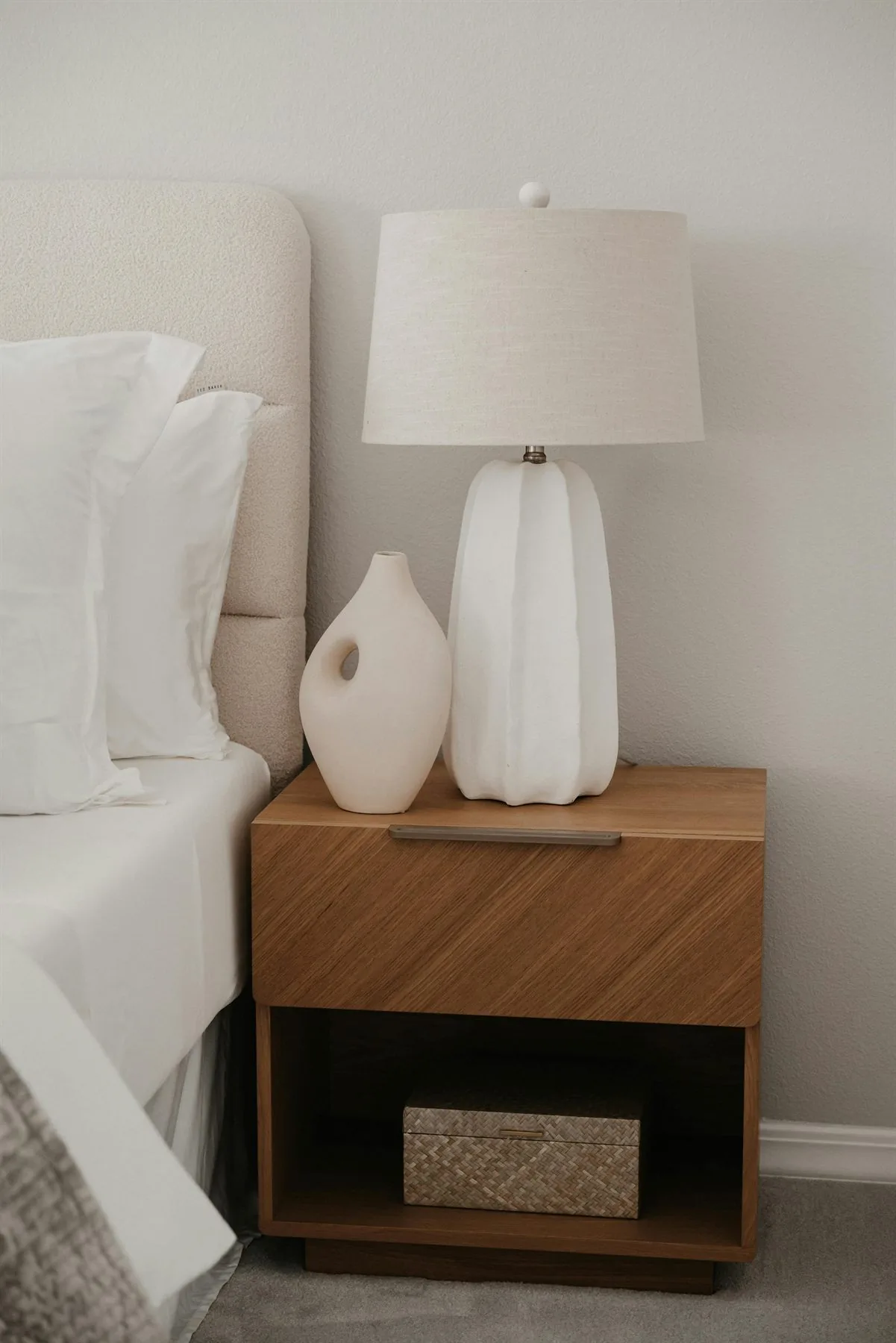
Warm white
Light without glare
Warm white + Taupe + Dusty blue
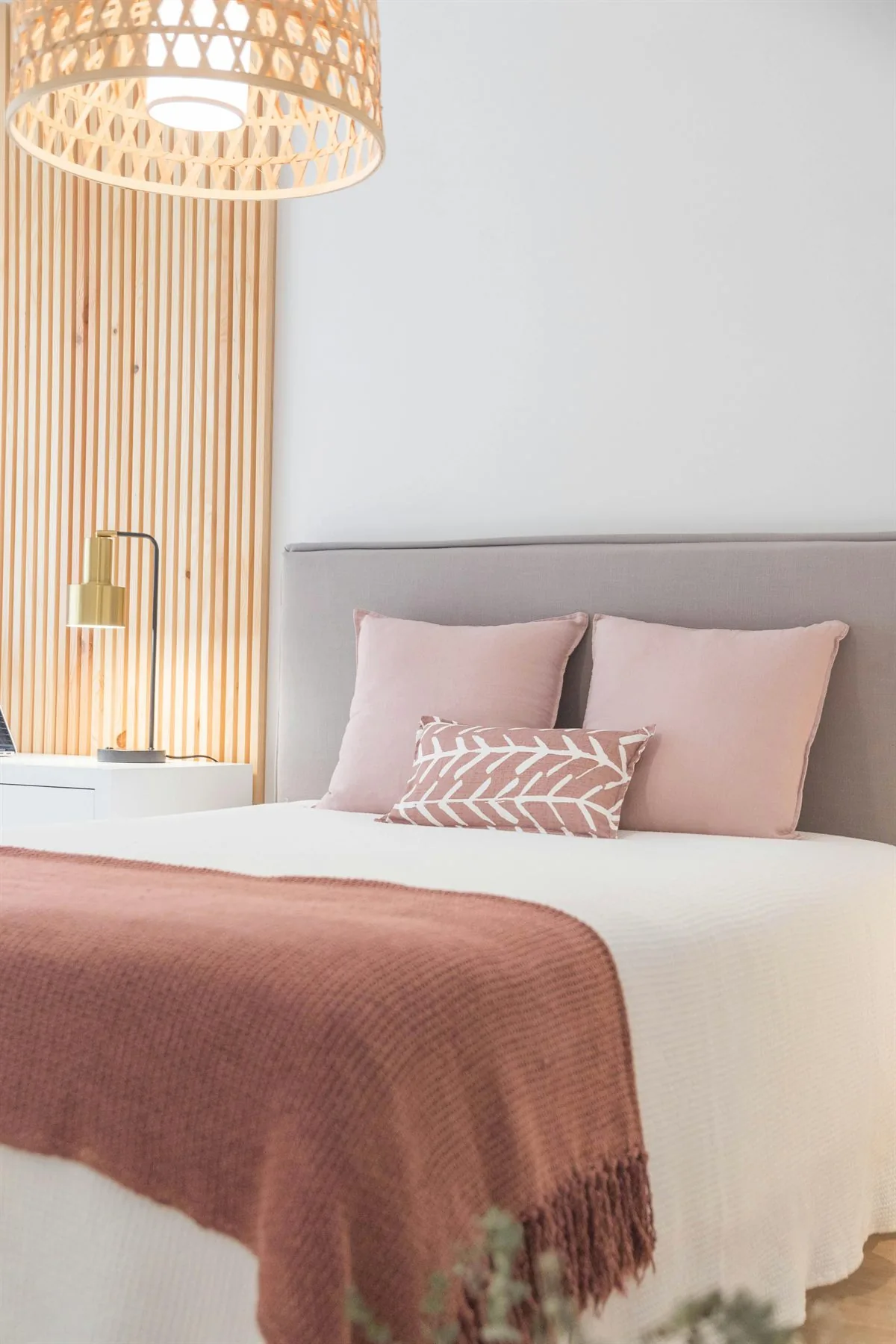
A better bedroom base than stark bright white when the room needs softness and more evening warmth.
How the Five Elements Shape Bedroom Color
Bedroom color works best when the elements support rest instead of stimulation. For most bedrooms, earth tones and soft wood tones should carry the room, while fire, water, and metal show up more gently through bedding, art, lighting, or small details.
| Element | Bedroom colors | Best use |
|---|---|---|
| Earth | Warm beige, taupe, mushroom, clay, sand | Grounds the sleep zone and makes the room feel steady at night. |
| Wood | Sage, olive, green plants, natural wood | Adds softness and a restorative mood without making the room loud. |
| Water | Dusty blue, blue-gray, ink, deep charcoal | Can feel calming when muted and balanced with warm fabric or wood. |
| Fire | Blush, clay rose, terracotta, warm lamp glow | Works best in small doses for warmth, romance, and emotional softness. |
| Metal | Warm white, cream, soft gray, ivory | Adds clarity, but needs texture so the room does not feel sharp. |
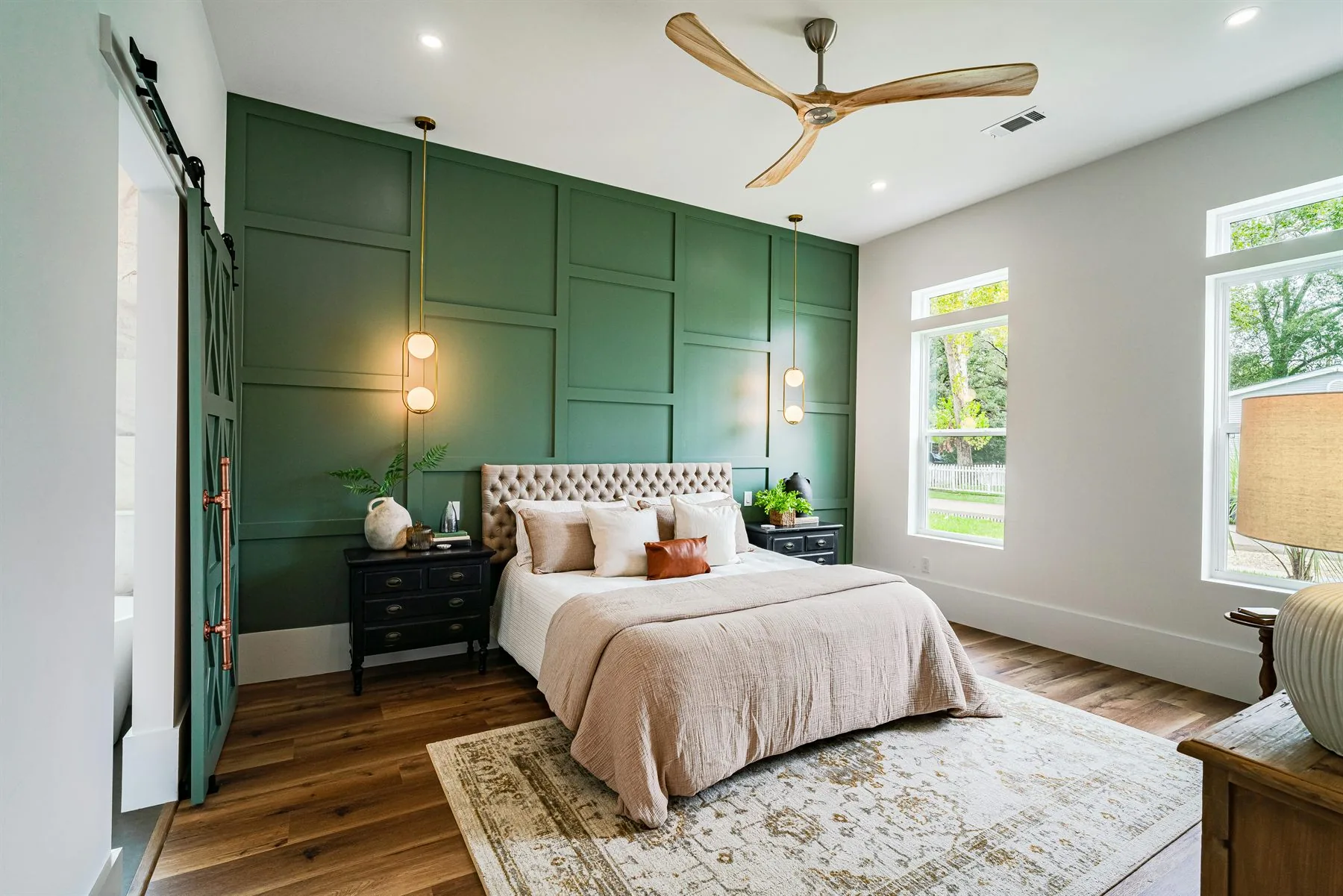
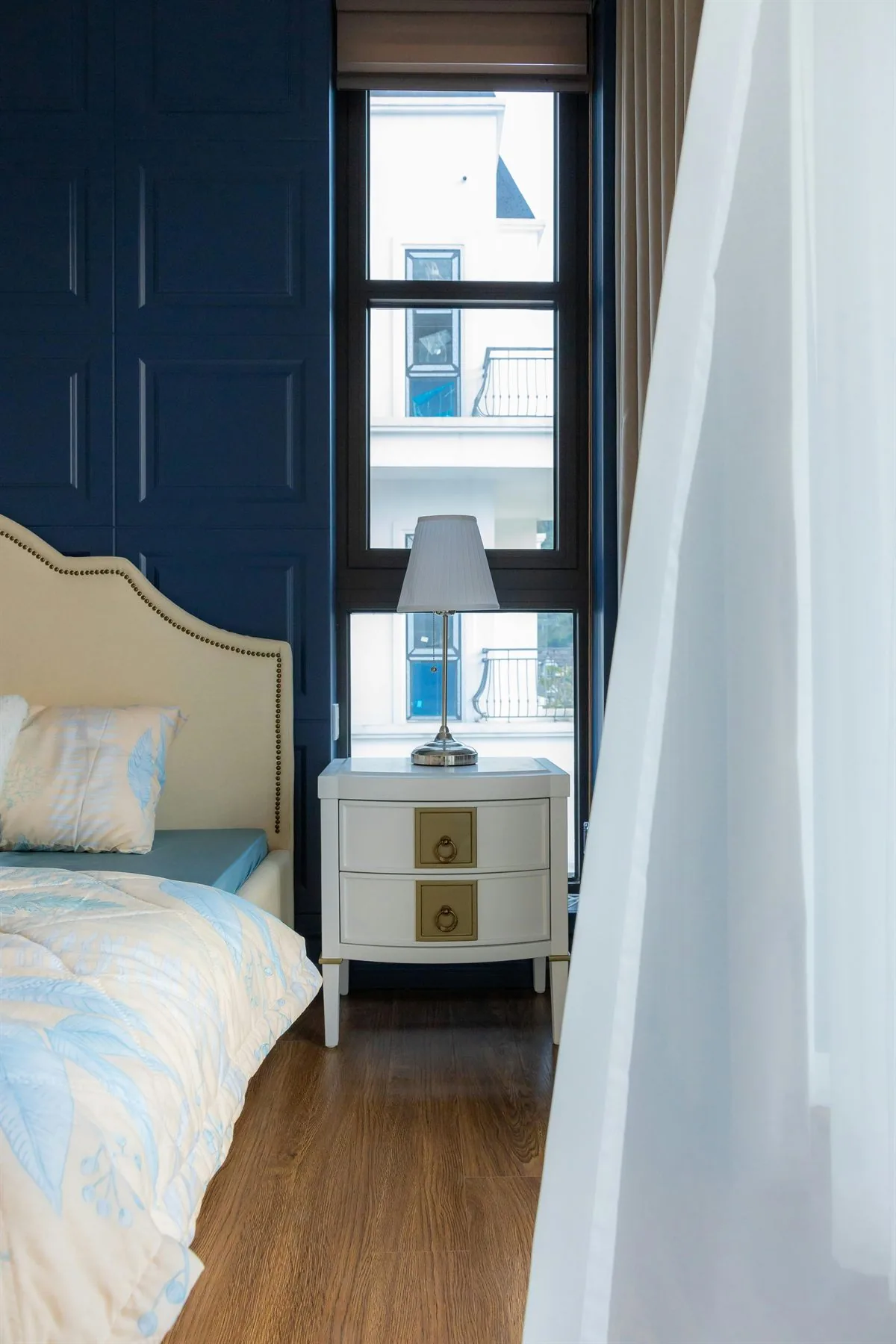
Warm neutrals are often the easiest place to start because they make the room feel gentler without deciding everything for you. Once the base is calm, the room can take on character through wood, textiles, plants, or one cooler accent tone. If the layout still feels unsettled, it helps to fix feng shui bedroom layout before worrying about more color.
Mirrors and reflective finishes matter too because they can sharpen a bedroom that was otherwise starting to feel restful. If the room has a large dresser mirror or mirrored closet doors, review feng shui mirrors so the palette and reflection are working toward the same quieter mood.
Three bedroom palettes that age well
Warm and quiet
Warm beige + Taupe + Walnut
Good for bedrooms that need to feel softer and more cocooning at night.
Cool but calm
Dusty blue + Cream + Greige
Useful when you want a fresher palette without making the room feel cold.
Nature softened
Soft sage + Linen + Wood
A helpful direction when you want green in the room but not a darker earthy atmosphere.
How to Build the Palette So the Bedroom Still Feels Soft
Give each bedroom color one clear job
Best wall color
Warm beige or warm white
These shades soften the room quickly and stay easier to live with in lower evening light.
Best bedding or headboard color
Taupe, mushroom, or dusty blue
A slightly deeper tone helps the bed feel grounded without making the room feel heavy.
Best accent color
Soft sage or clay
A smaller touch of nature or warmth gives the room personality without waking it up too much.
A practical bedroom color ratio
70% base
Warm beige, cream, or warm white
Let the walls, bedding, and broadest surfaces stay soft so the room can settle more easily at night.
20% support
Taupe, mushroom, dusty blue, or sage
Use the secondary tone in the headboard, drapery, rug, or a grounding bed layer that gives the room a little depth.
10% accent
Clay, wood, or a smaller nature note
Keep the stronger warmth in wood, lamps, throw pillows, or smaller accent pieces rather than another major wall color.
Bedroom Colors to Use More Carefully
The bedroom color swap that helps
Avoid this
Bright white + Hard black + Strong red
Bright white, hard black, and one aggressive accent often leave the bedroom feeling sharper and more awake than most people expect.
Try this instead
Warm white + Taupe + Clay accent
Switch the same idea into warmer undertones so the bedroom still feels intentional, but much easier to rest in.
Rest beats trend
If a bedroom color feels dramatic all day but tiring at night, it is probably too hard for the room. Bedrooms respond better to softness than to high contrast.
Frequently Asked Questions
What are the best feng shui colors for a bedroom?
Is blue good feng shui for a bedroom?
Should a feng shui bedroom be white?
What bedroom colors should be used more carefully?
The Bottom Line
The best feng shui colors for a bedroom are the ones that soften the room, support rest, and still feel beautiful in everyday life. Warm beige, soft taupe, dusty blue, warm white, and gentle sage are the safest starting points.
Let the walls stay calm, give the bed a slightly deeper supporting tone, and keep strong contrast in small doses. A bedroom that feels softer at night is the palette that works best.