

Quick Answer
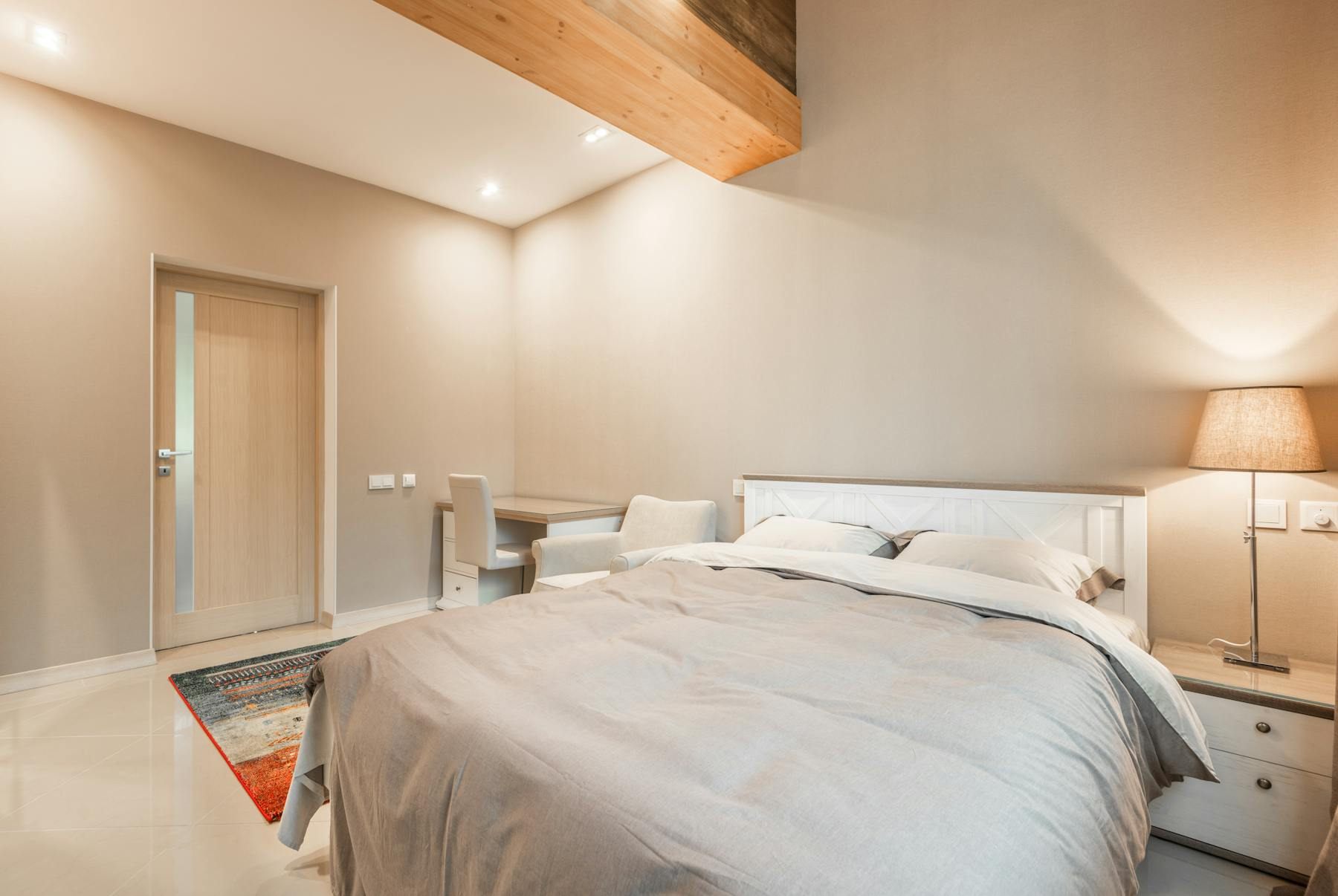
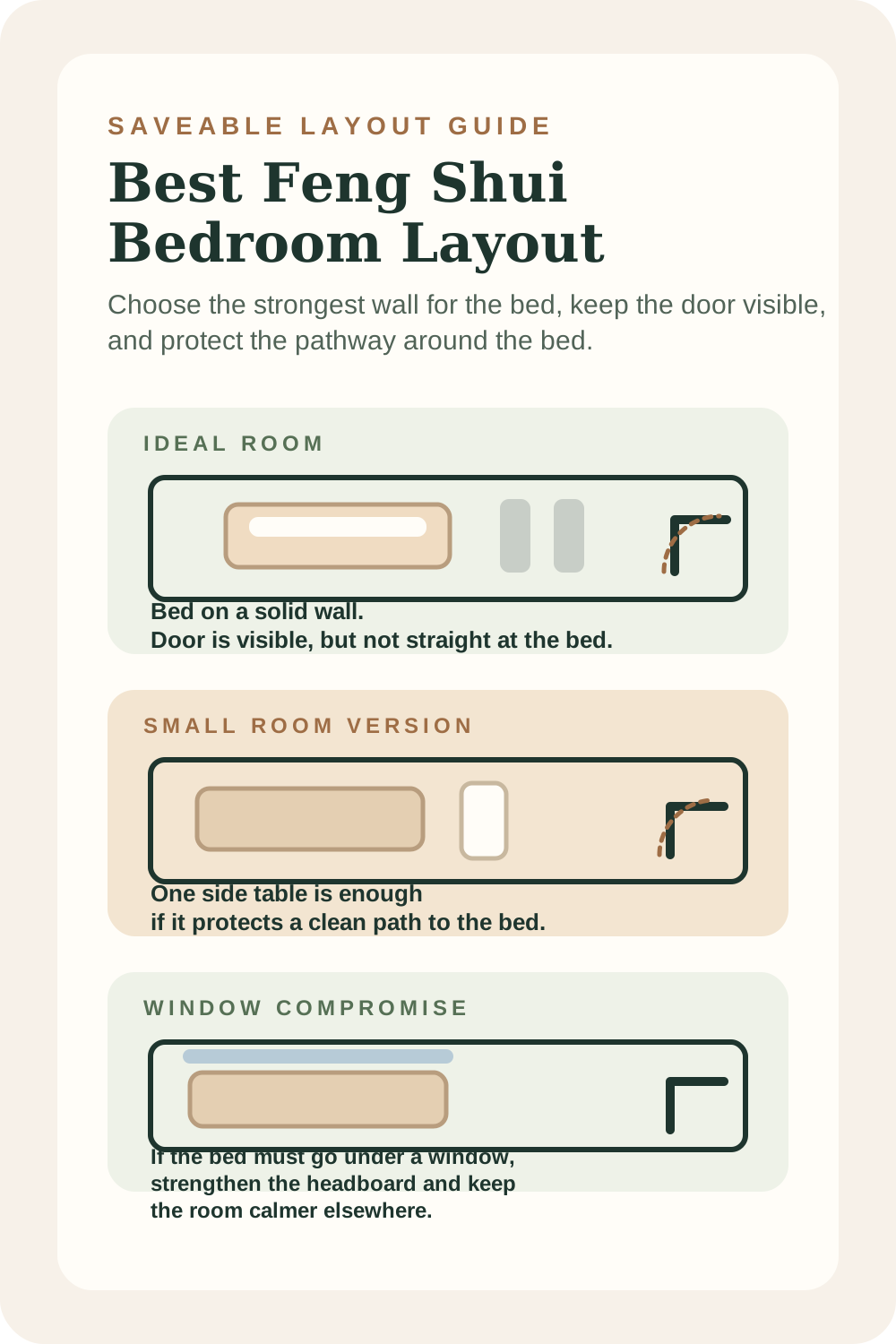
The strongest feng shui bedroom layout puts the bed on the best available solid wall, lets you see the door without being directly in line with it, and keeps the room focused on rest rather than extra activity. Perfect symmetry is nice, but the room does not need to be perfect to feel much better.
A bedroom usually starts to feel better as soon as the bed is in the strongest position the room can realistically support. Everything else becomes easier after that.
Feng shui bedroom layout advice can sound rigid when it is reduced to one rule. In real homes, the better approach is to understand the hierarchy. Bed placement matters most. Pathways matter next. After that, simplify whatever pulls too much attention away from sleep.
The Best Bedroom Layout Starts With the Bed
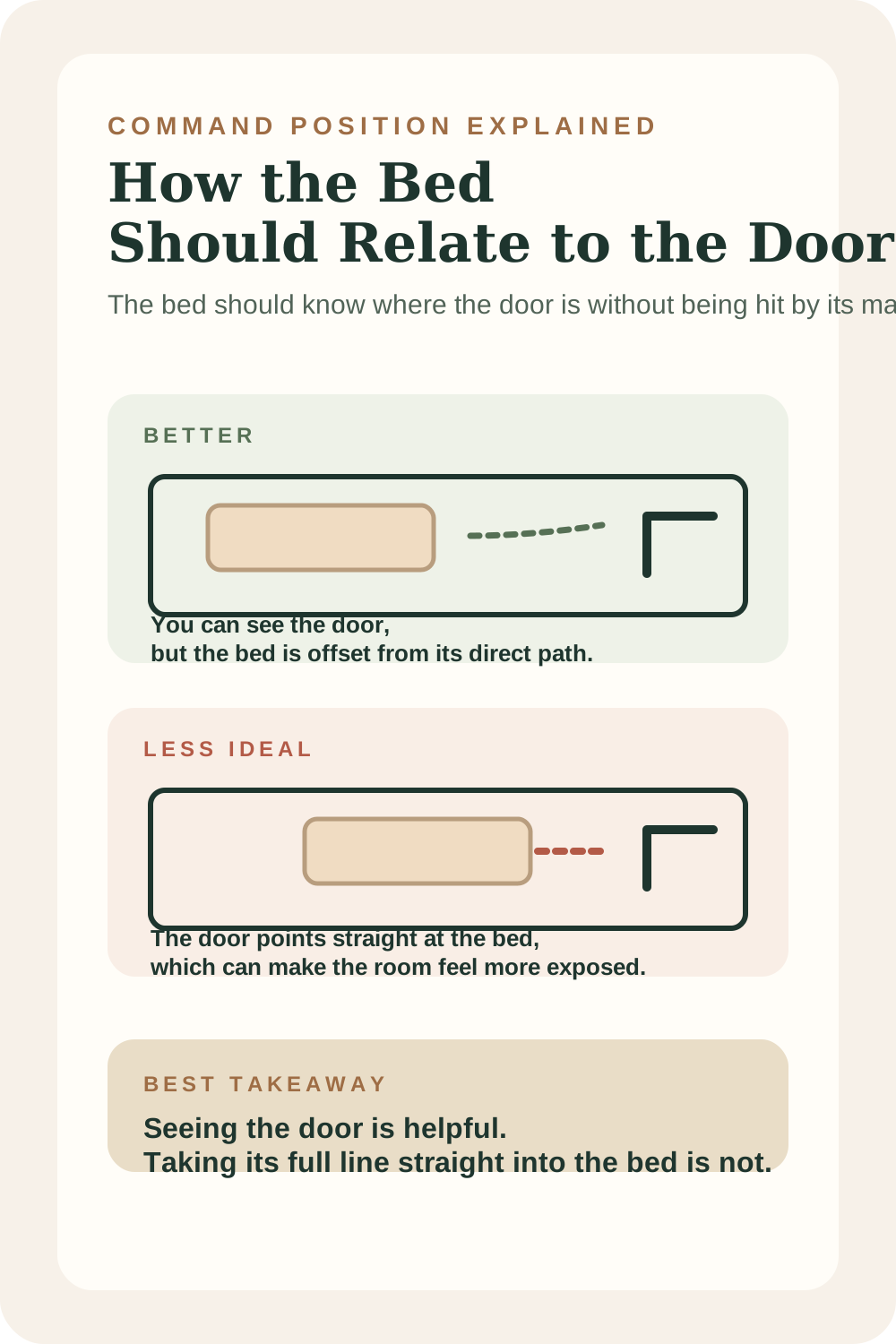
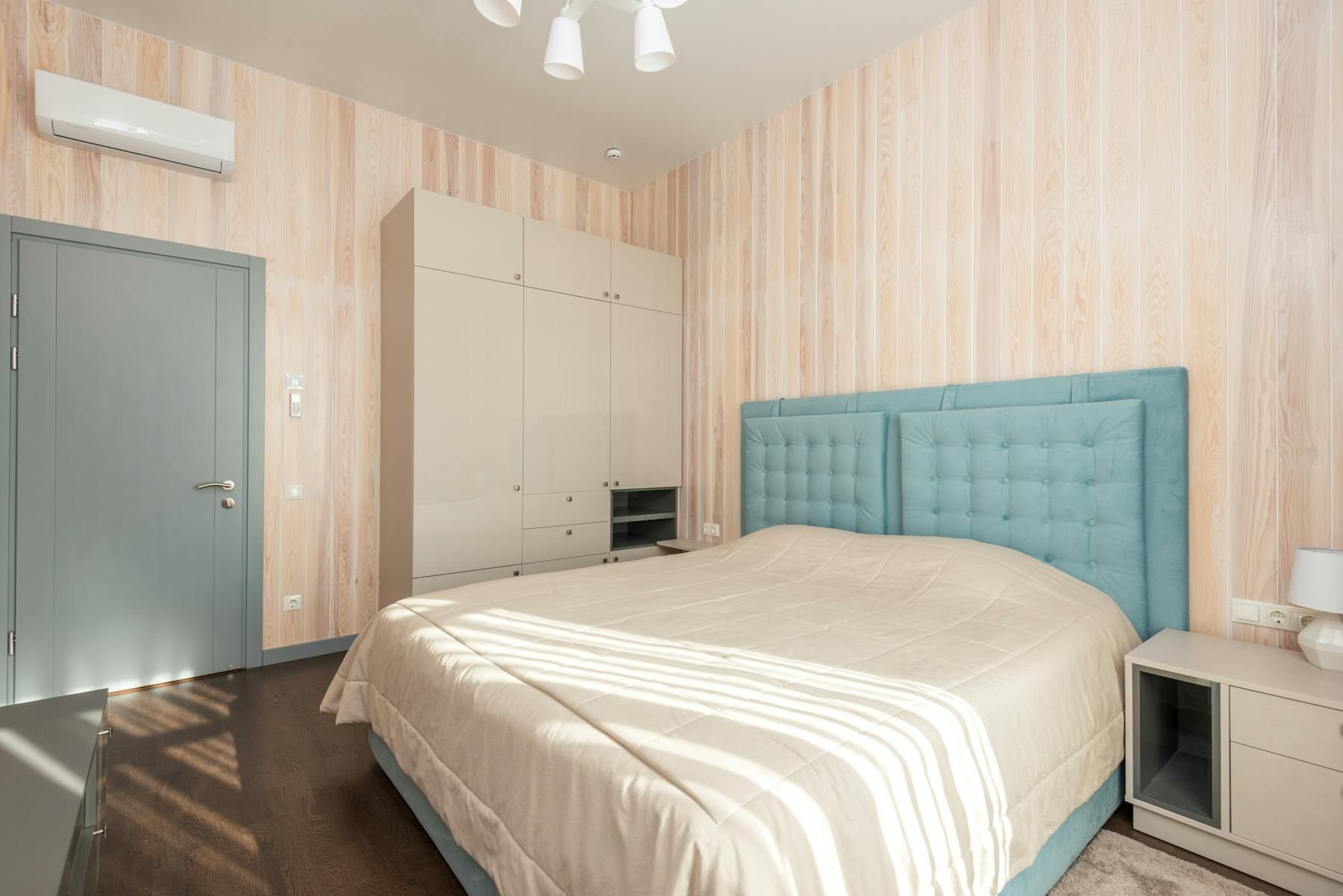
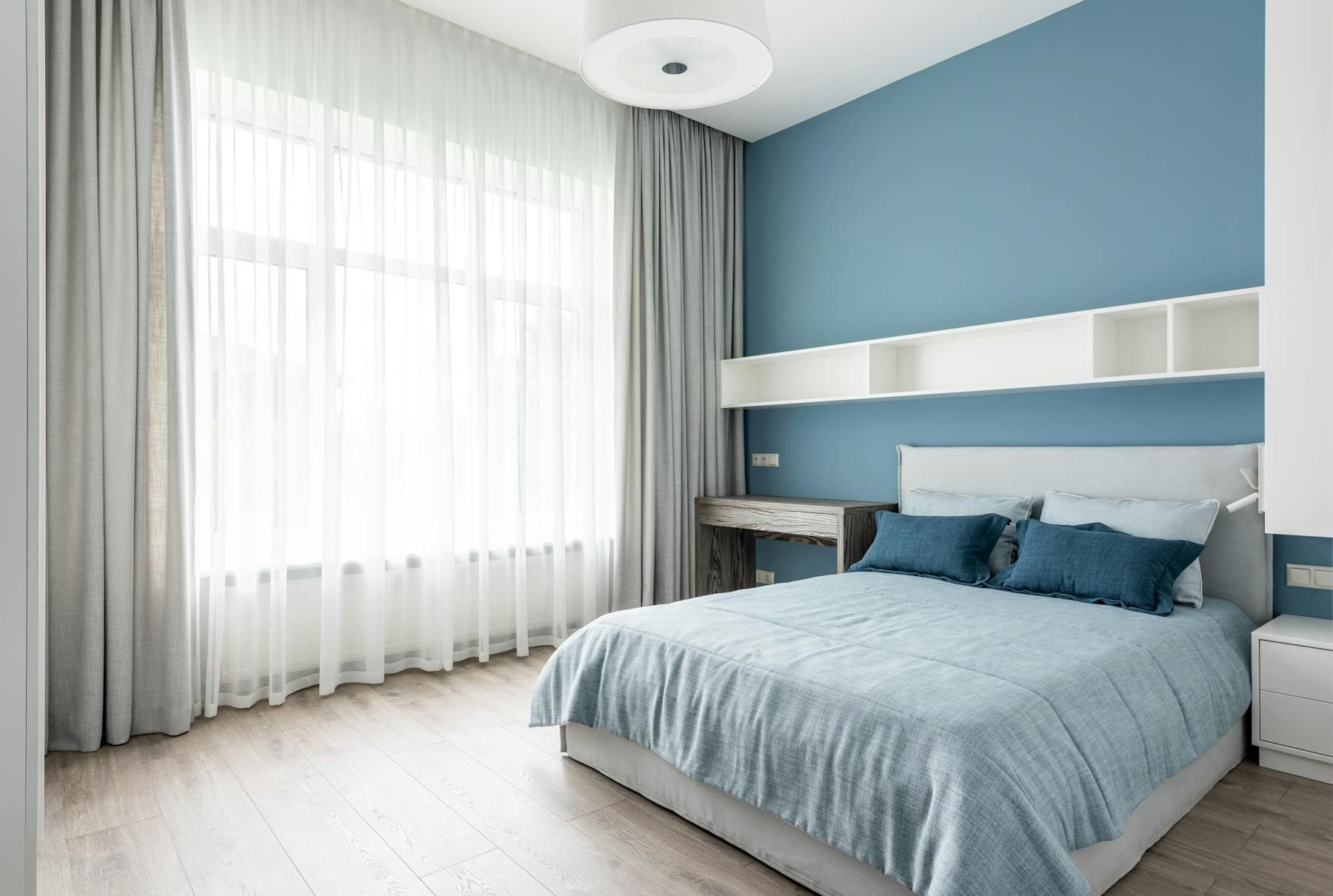
The bed is the anchor. If it feels exposed, cramped, or constantly in motion, the rest of the room often feels unsettled too. That is why the best bedroom layout usually gives the bed the strongest wall, protects the head of the bed, and keeps the door in sight without aiming the bed directly at it.
| Layout goal | What it looks like | Why it helps |
|---|---|---|
| Command position | Bed can see the door but is not directly in line with it | The room feels calmer and less exposed. |
| Solid support | Headboard on a full wall instead of floating in the room | The bed reads as stable rather than temporary. |
| Clear pathways | Enough space to get in and out of bed without squeezing | The room feels easier to use and less pressured. |
| Reduced stimulation | Fewer active work zones and less visual noise around the bed | The bedroom supports rest more naturally. |
Small Bedroom Fixes That Still Support Good Feng Shui
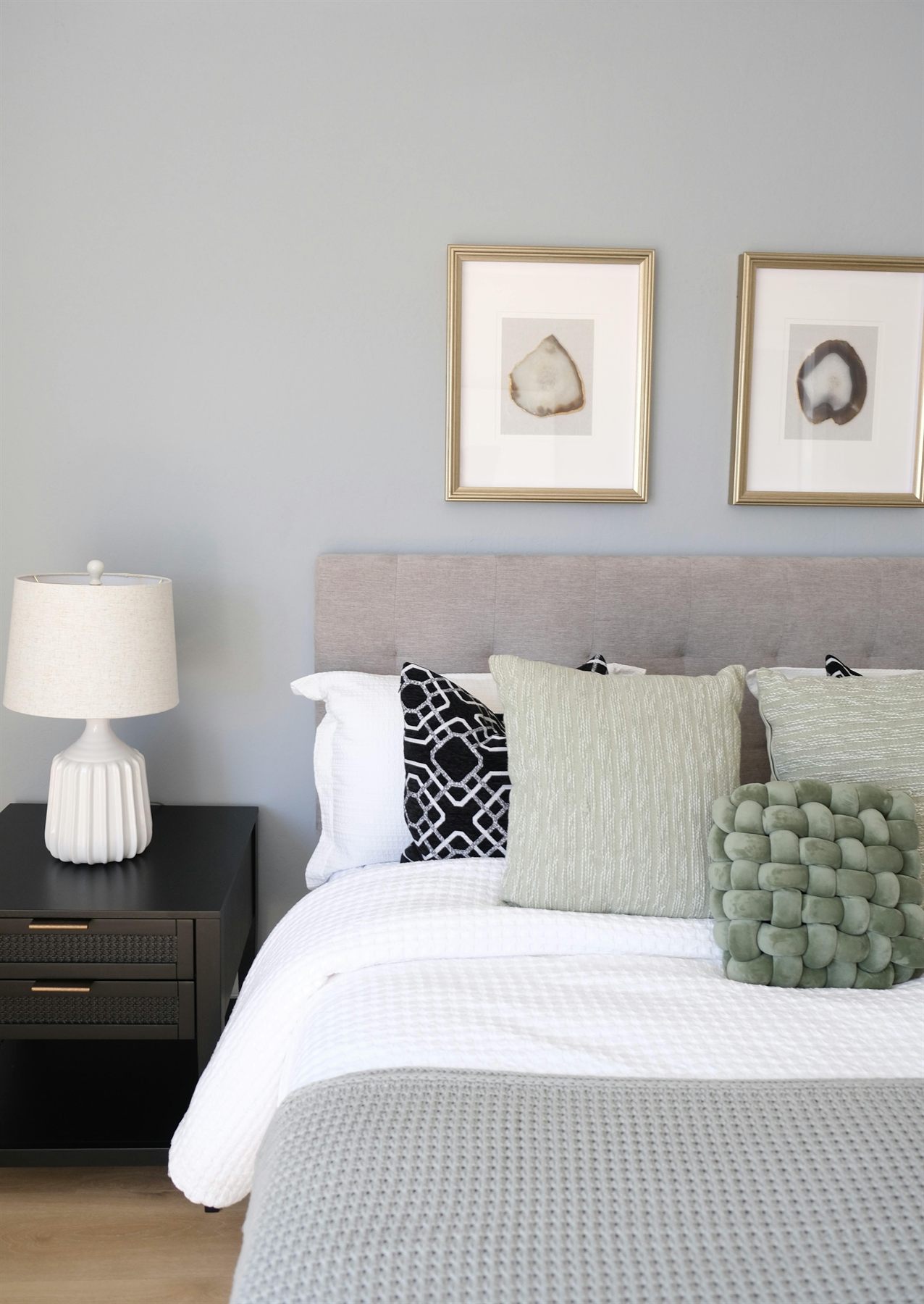
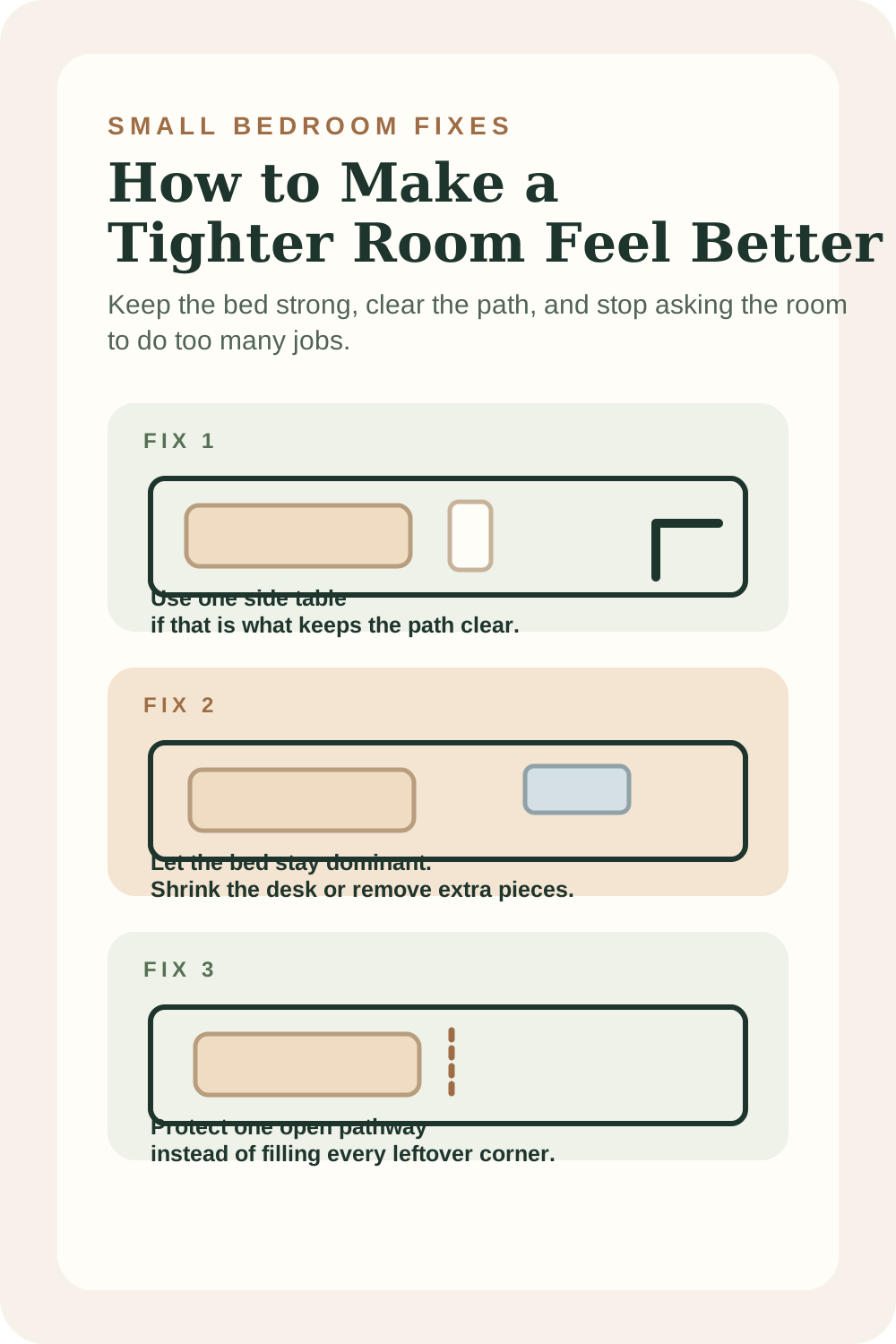
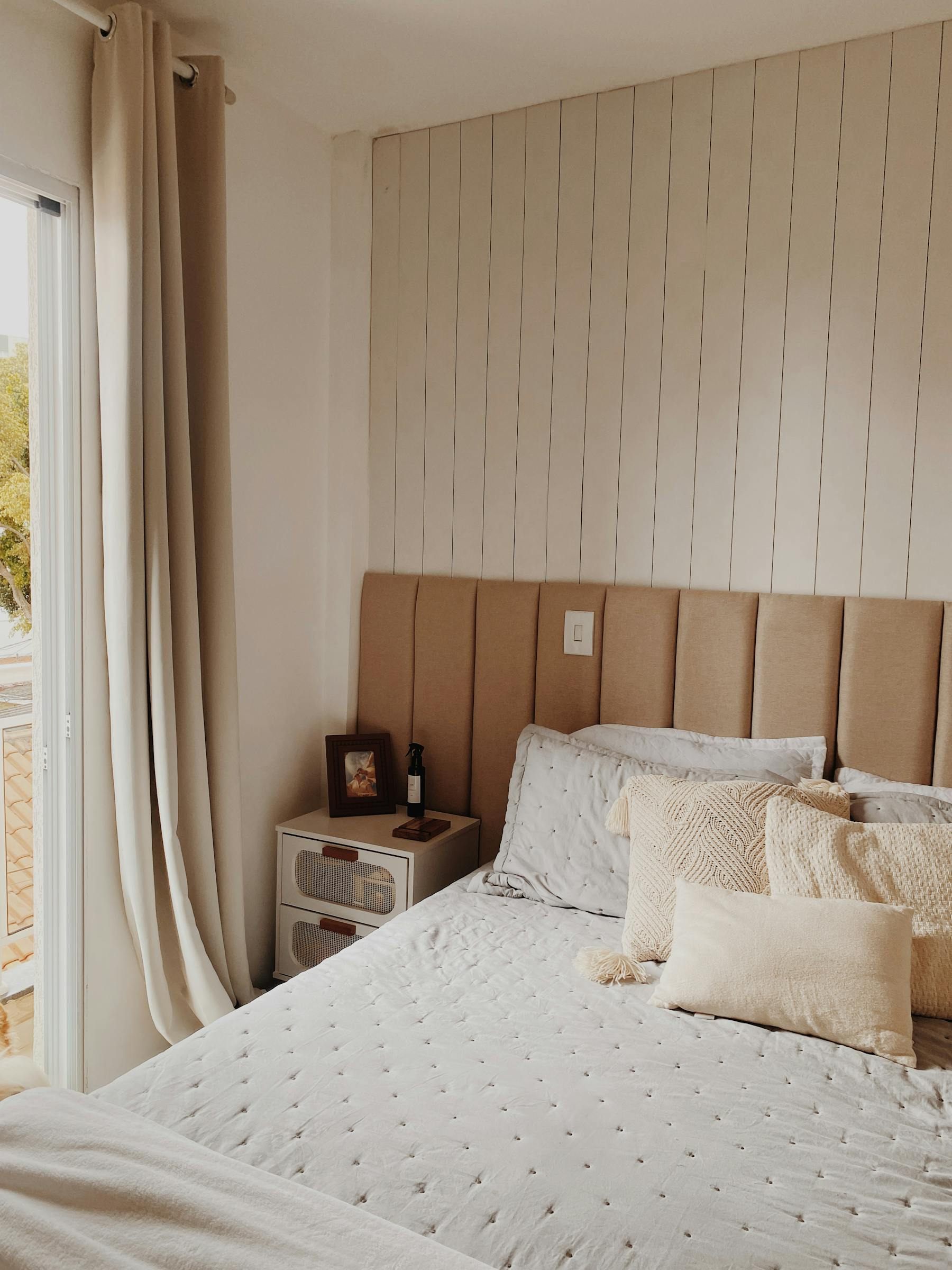
Many bedrooms do not have room for the ideal version of everything. That does not mean the layout cannot work. If the room is small, protect the strongest move first, which is bed placement, then reduce whatever makes the room feel overly busy.
Small-room moves that help
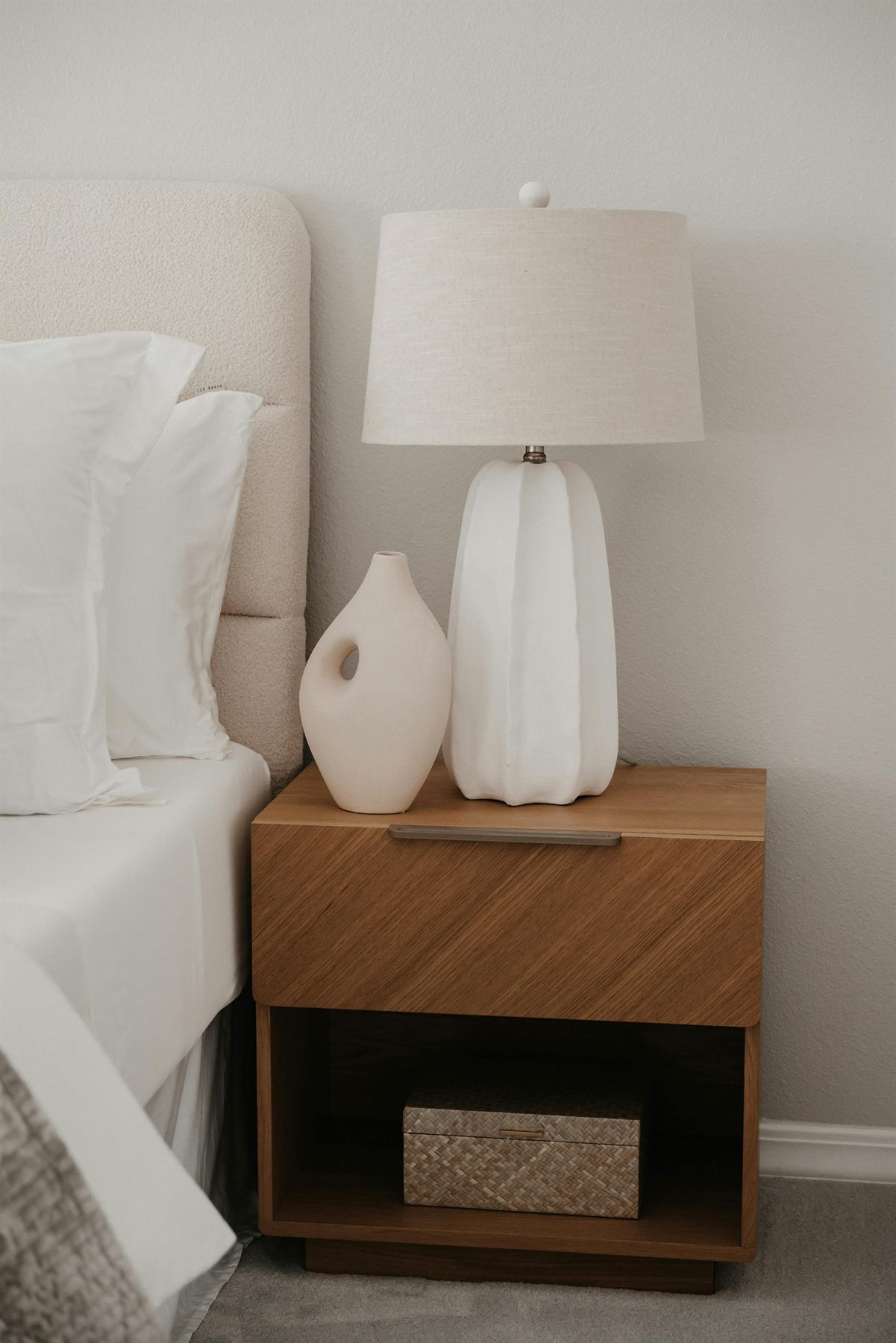
- +Use one nightstand instead of forcing two where they do not fit.
- +Keep the path from the door to the bed easy to walk.
- +Let the bed stay the main visual anchor.
- +Use calmer colors and lighter visual weight around the bed.
What usually makes the room harder
- -Adding a desk, bench, and storage unit just because they fit mathematically.
- -Pushing the bed so hard into a corner that it feels trapped.
- -Letting mirrors, screens, or open shelving dominate the bed wall.
- -Treating a tiny room like a multipurpose studio if it can be avoided.
Color also supports the layout. If the room already has awkward proportions, calmer palettes will often help more than stronger contrast. That is why feng shui colors for bedroom can be such a useful follow-up after the layout is settled.
Bedroom Layout Mistakes That Usually Feel Less Restful
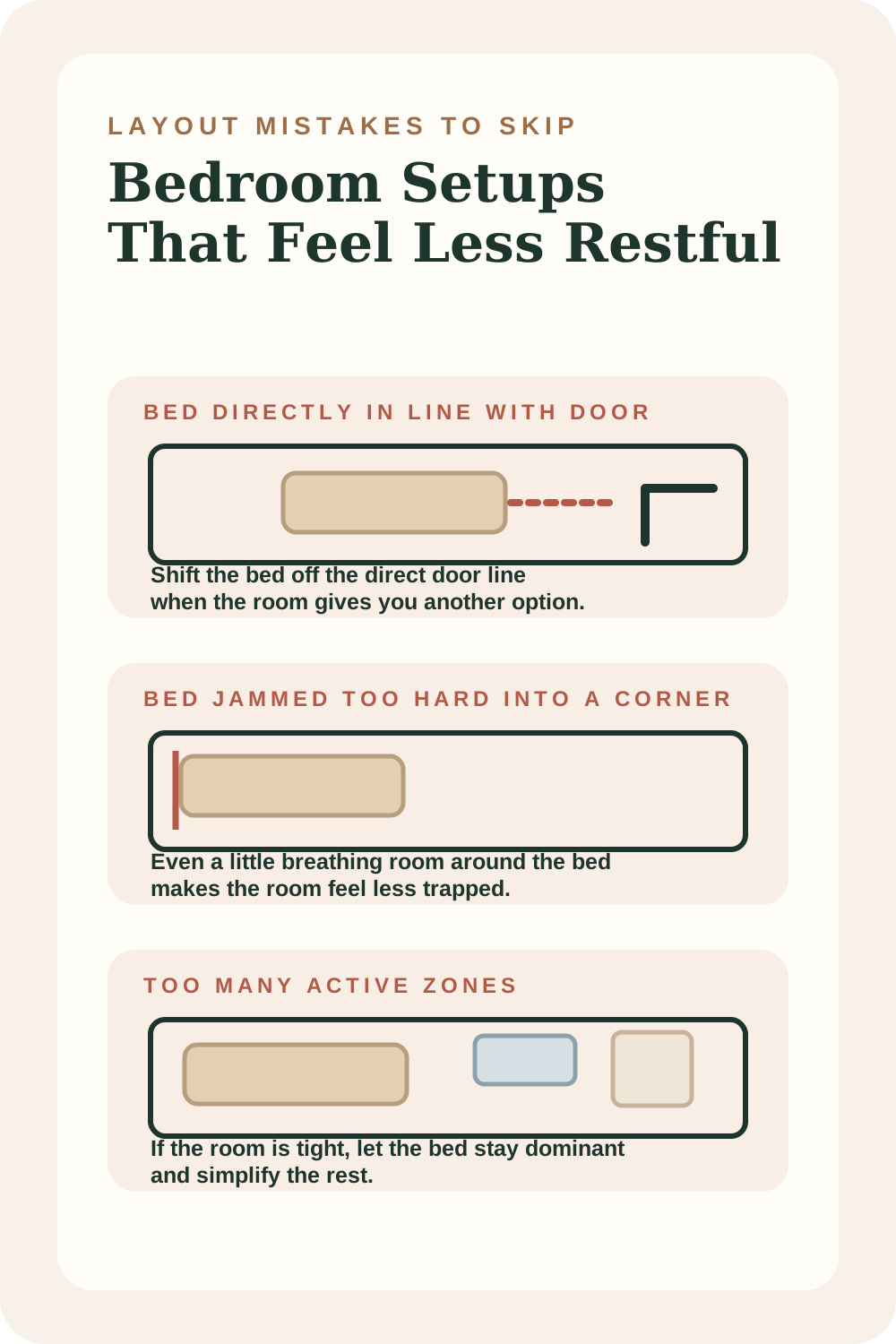
The biggest bedroom mistakes usually come down to exposure, crowding, or too much mixed purpose. A bedroom that is also an office, dressing room, and storage catchall often struggles to feel restful even when the decor is pretty. If mirrors are part of the room, it also helps to review feng shui mirror placement so they do not add more activity around the bed.
Frequently Asked Questions
What is the best feng shui bedroom layout?
Should the bed face the door in feng shui?
What if my bed has to go under a window?
How do I improve a small bedroom layout in feng shui?
The Bottom Line
The best feng shui bedroom layout gives the bed the strongest available position, keeps the door visible without harsh alignment, and reduces whatever makes the room feel too active for sleep.
If the room is awkward, improve the hierarchy instead of chasing perfection. A stronger bed wall, a clearer path, and less visual pressure will usually make the bedroom feel better fast.