



Quick Answer
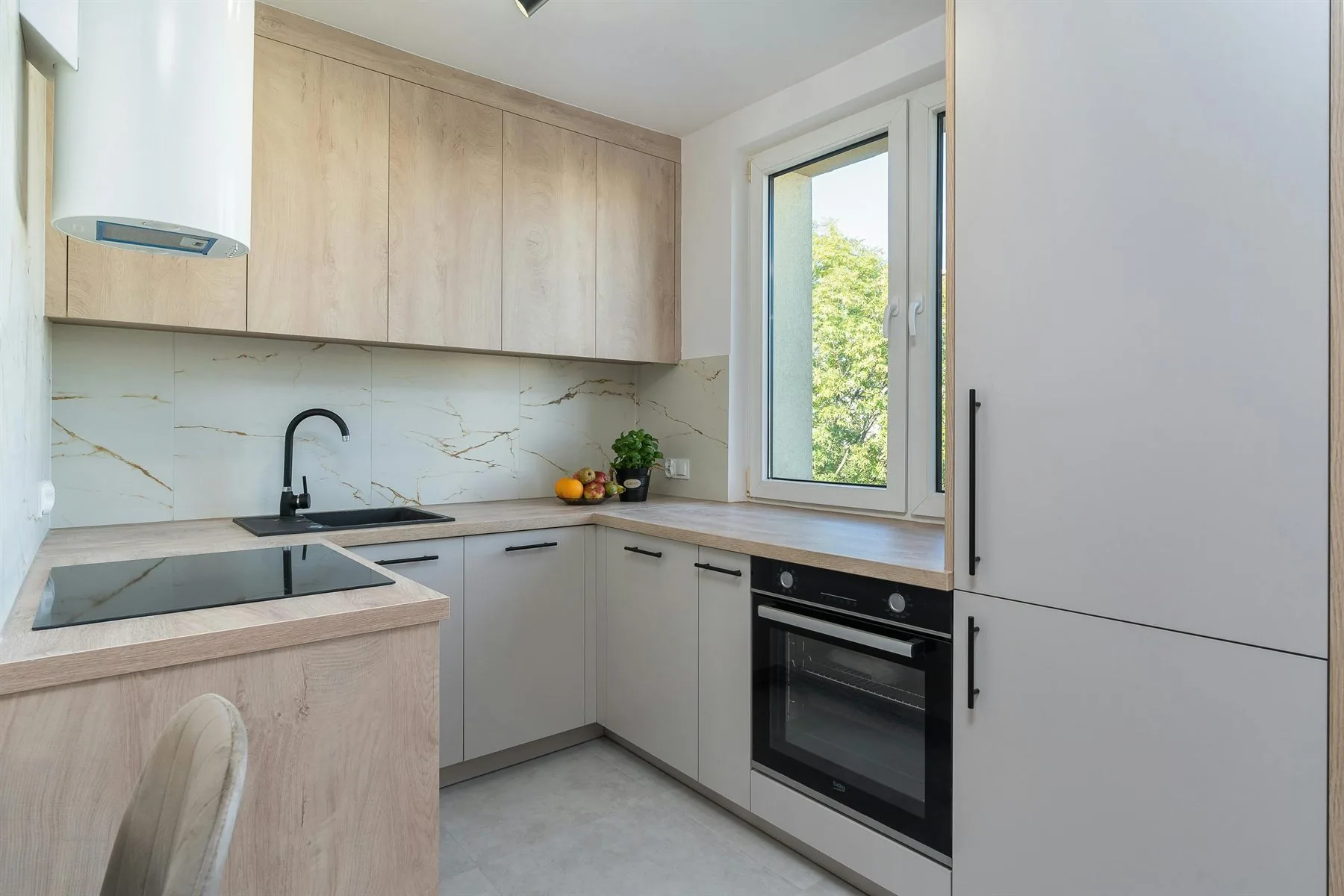
The best feng shui colors for a kitchen are warm white, mushroom, pale sage, oat, natural wood, and small touches of muted clay. They keep the kitchen feeling cleaner, brighter, and more nourishing than colder gray or louder trend colors.
Kitchen color has to do a little more work than living room color. It has to look clean in bright daylight, hold up beside food and cabinetry, and still feel warm enough that the room does not read like a utility zone.
In feng shui terms, the kitchen supports nourishment, care, and daily energy. That is why the strongest kitchen palettes feel alive and steady rather than sharp or theatrical. A good kitchen color should make the room easier to use and nicer to be in, not just more photogenic. Feng shui kitchen goes wider on counters, layout, light, and the practical room fixes that matter before color.
Kitchen Colors That Feel Clean and Nourishing
The safest starting point is a color direction that already makes sense with cabinets, counters, tile, hardware, and food. Kitchens handle softer warmth better than people expect.
The most useful kitchen palette directions
These are the colors that tend to make a kitchen feel cleaner, warmer, and easier to stay with.
Warm white
Bright and breathable
Warm white + Oat + Oak
Best for walls, upper cabinets, and kitchens that need lift without a colder clinical look.
Mushroom
Quiet and grounded
Mushroom + Cream + Charcoal
Useful for lower cabinets or kitchens with mixed materials that need one calm bridge color.
Soft sage
Fresh and settled
Soft sage + Linen + Walnut
A very good option for cabinets, pantry doors, and kitchens that want life without obvious color noise.
Oat
Warm and light
Oat + Cream + Clay
Helpful in kitchens that feel too cold with white but still need a bright working mood.
Muted clay
Welcoming and earthy
Muted clay + Warm white + Mushroom
Best in smaller doses through stools, art, pottery, or one quieter accent zone.
How to Build a Kitchen Palette That Still Feels Warm
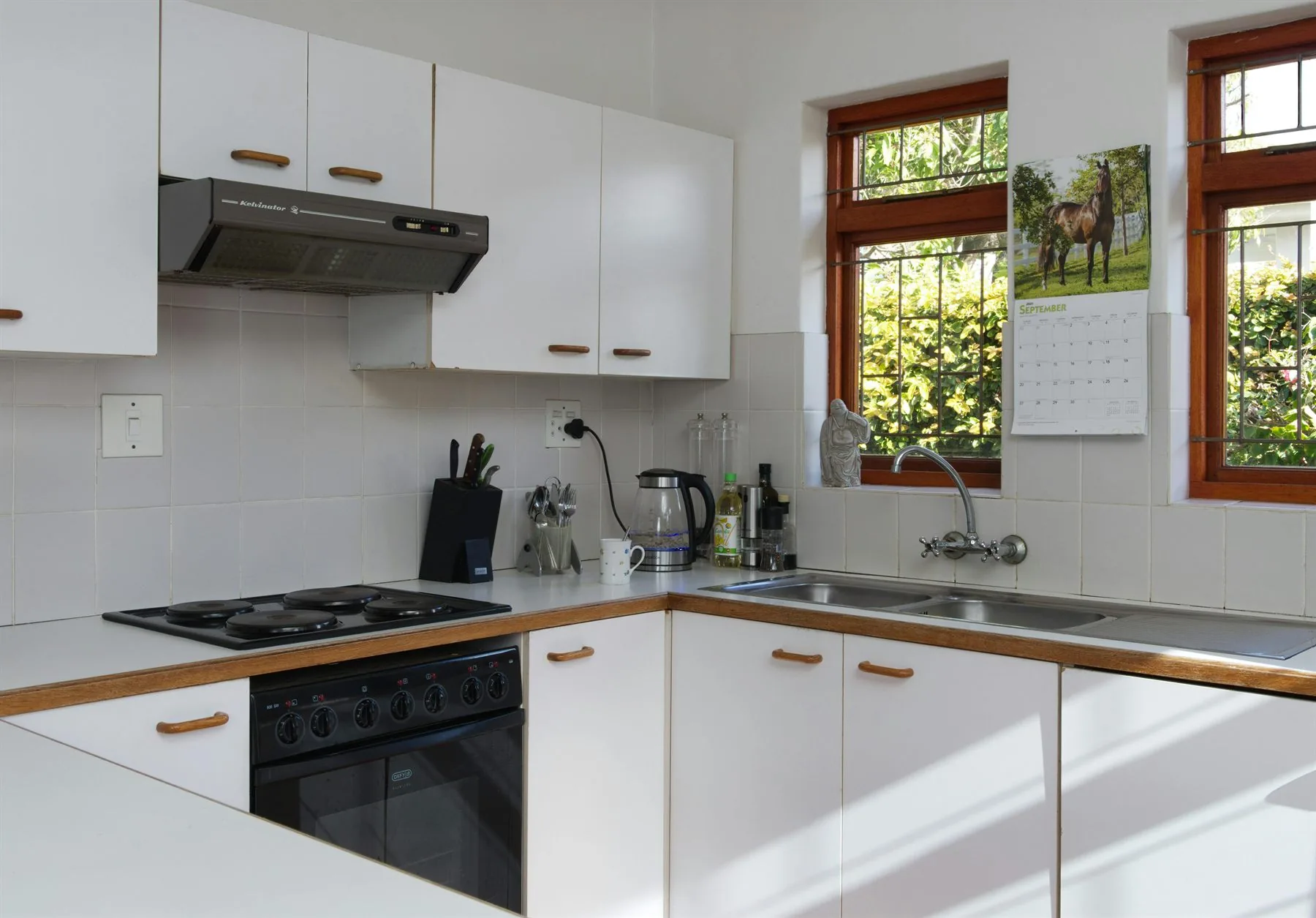
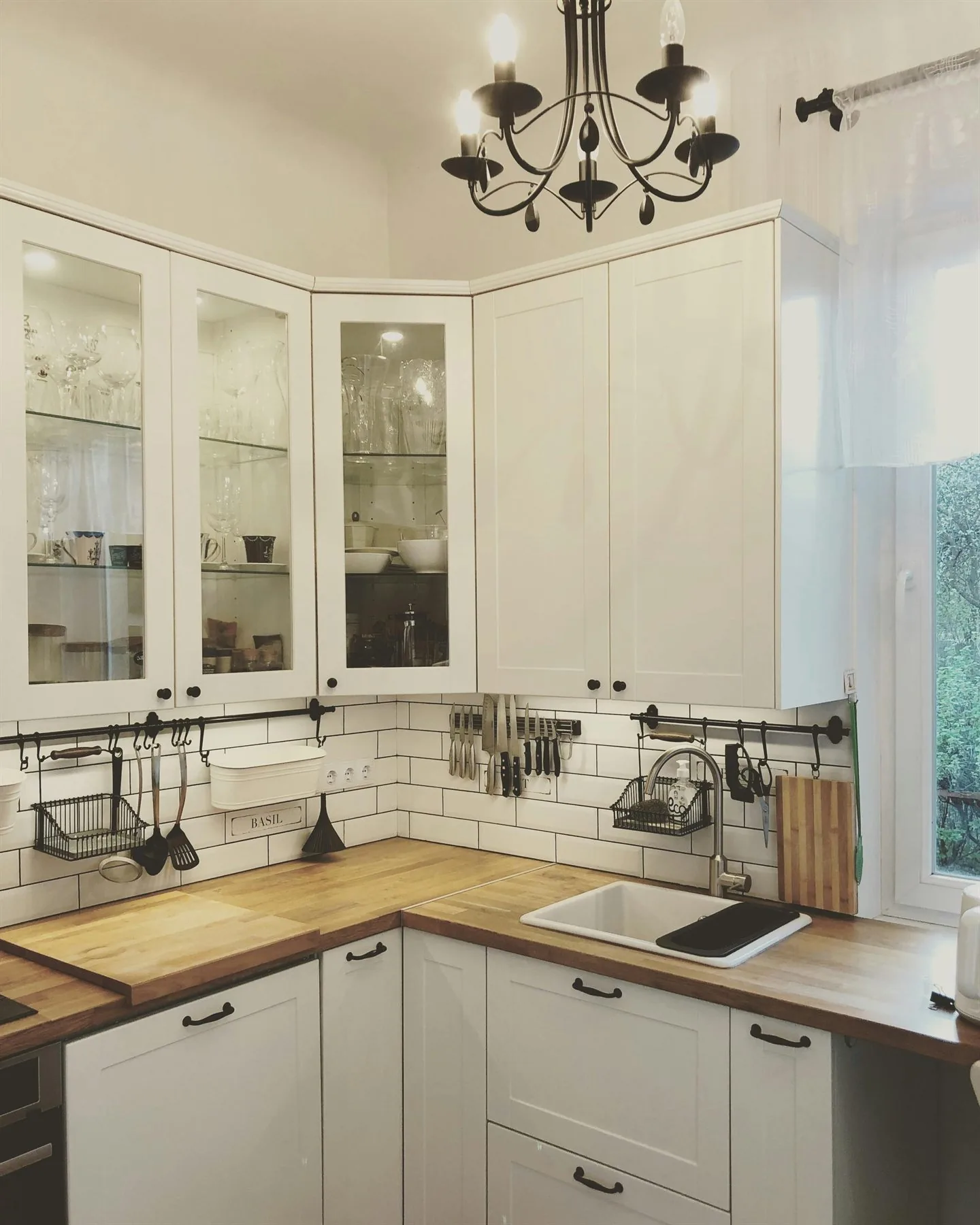
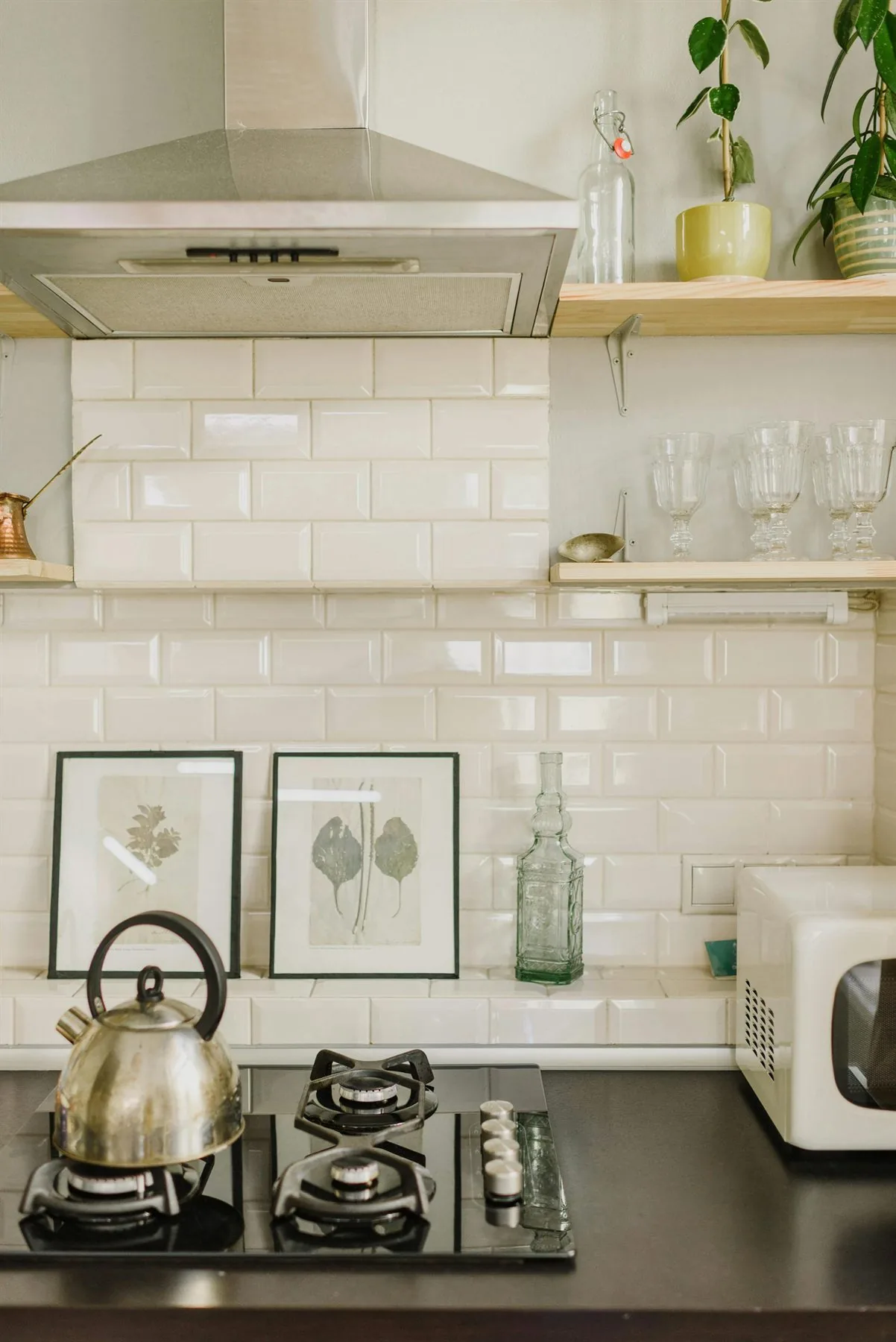
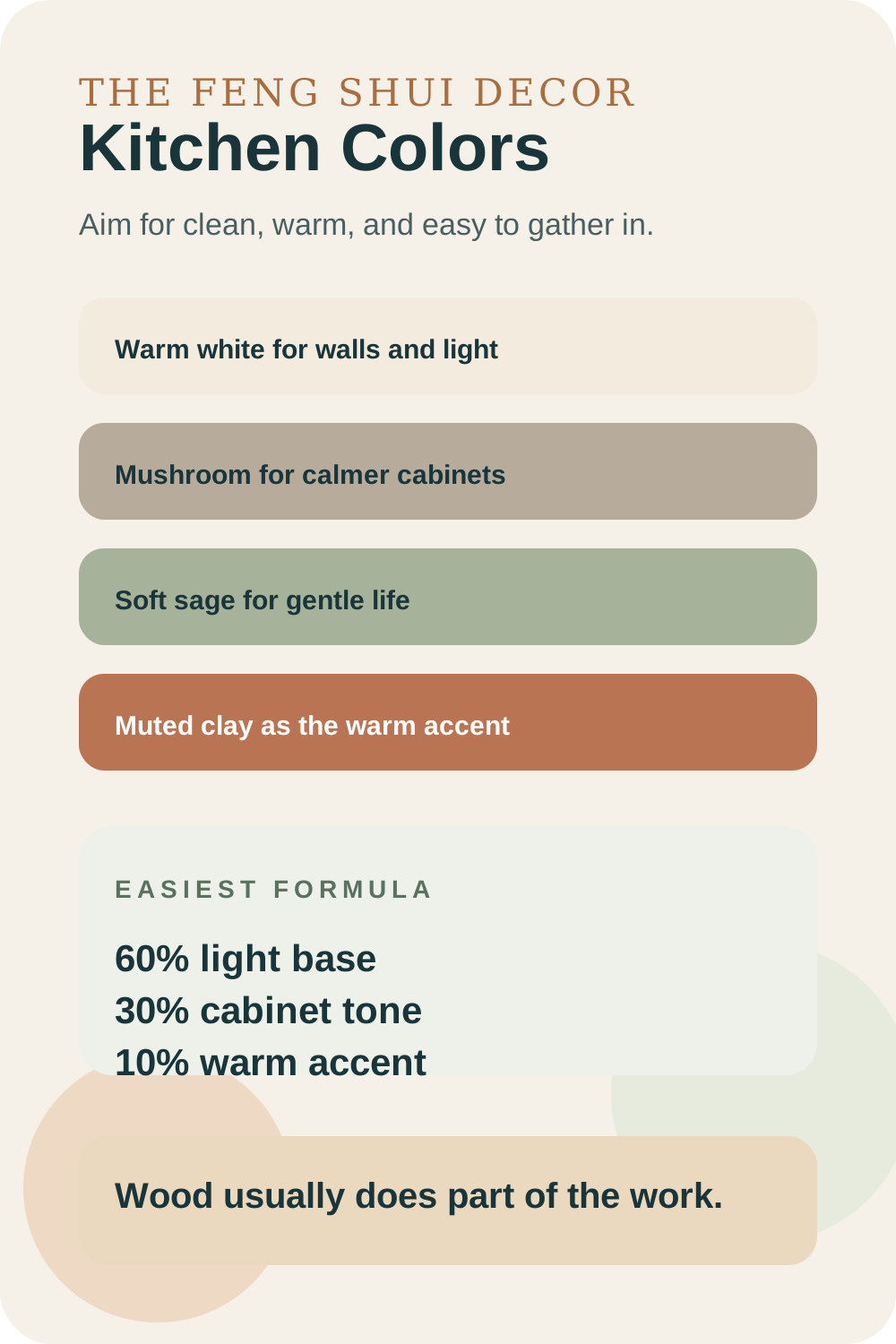
Kitchen palette works best when one color brightens the room, one color grounds the cabinets or bigger surfaces, and one accent gives the kitchen a little warmth. That keeps the room alive without turning it into a color exercise. If you are styling the kitchen with more abundance in mind, colors that attract abundance is the closest companion guide.
Three kitchen palettes that feel more nourishing
Warm everyday kitchen
Warm white + Oak + Muted clay
A dependable formula for kitchens that need to feel clean and bright but still lived in.
Quiet cabinet color
Soft sage + Linen + Walnut
A good fit when the cabinets need a stronger role but the kitchen should still feel calm and useful.
Clean but grounded
Mushroom + Warm white + Charcoal
Helpful in kitchens with stone, stainless, or open shelving that can otherwise start to feel harder than necessary.
Pick one color for each kitchen job
Best wall color
Warm white or oat
These shades keep the kitchen clean and open, but still allow the room to feel lived in.
Best cabinet color
Mushroom or soft sage
Cabinet color has more visual weight, so it helps when it feels quieter and a little grounded.
Best accent color
Muted clay or charcoal
The accent should add warmth or definition, not take over the whole cooking zone.
How the Five Elements Shape Kitchen Color
A kitchen already carries a strong Fire quality because of cooking, heat, light, and daily activity. That does not mean the room needs more red. In most homes, the better move is to balance that activity with earth, wood, warm metal, and only small amounts of stronger color.
| Element | Kitchen colors | Best use |
|---|---|---|
| Fire | Clay, terracotta, rust, warm lamp glow | Use as a small accent so the kitchen feels welcoming, not overheated. |
| Earth | Oat, mushroom, cream, sand, taupe | Grounds the kitchen and keeps the cooking zone feeling nourishing. |
| Wood | Natural wood, sage, olive, herbs, leafy plants | Adds life and softens tile, stone, stainless, and other hard surfaces. |
| Metal | Warm white, ivory, brass, brushed nickel, soft gray | Supports cleanliness and order when warmed by wood or earth tones. |
| Water | Blue, black, ink, deep charcoal | Use lightly, because too much water color can make a kitchen feel cold or heavy. |
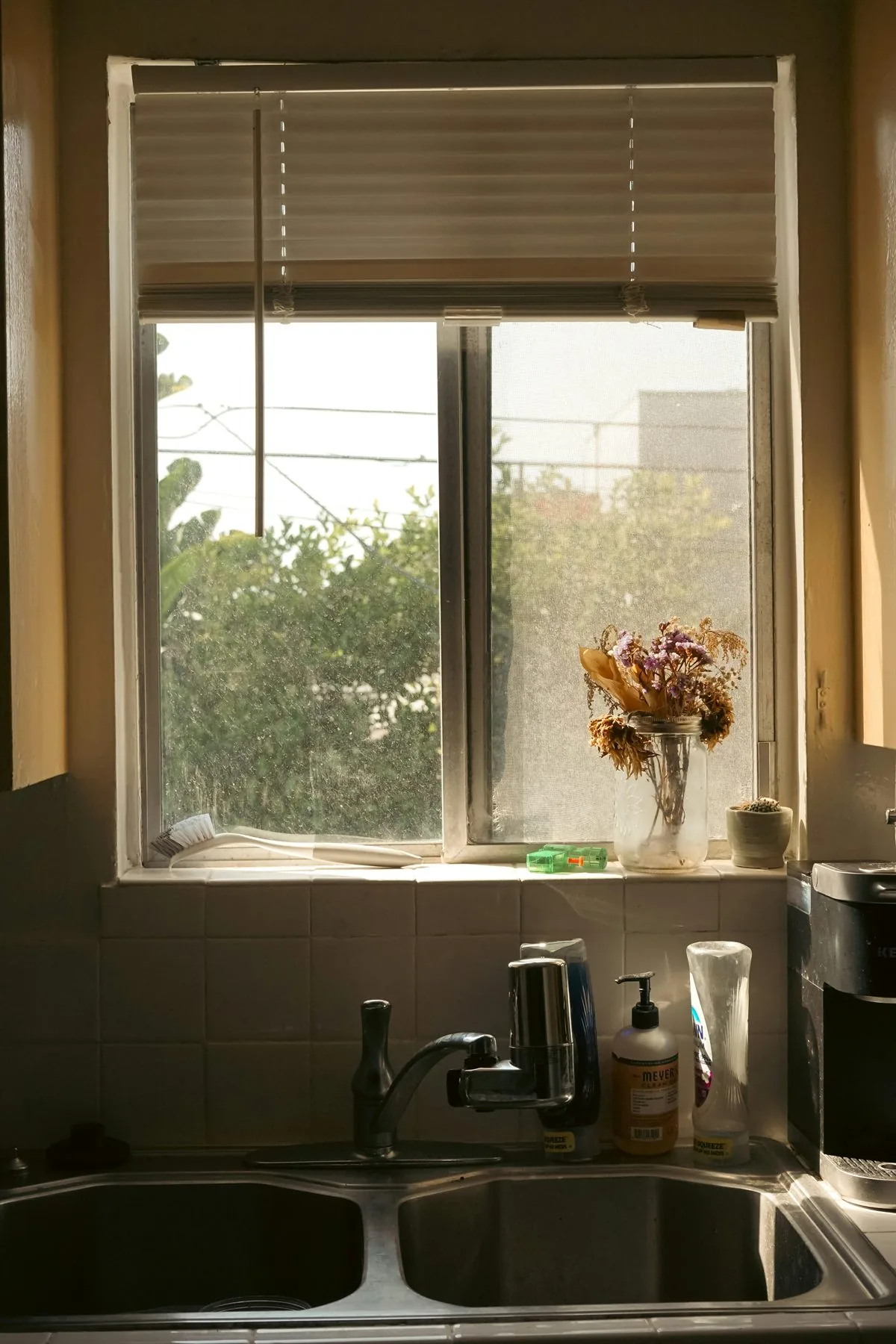
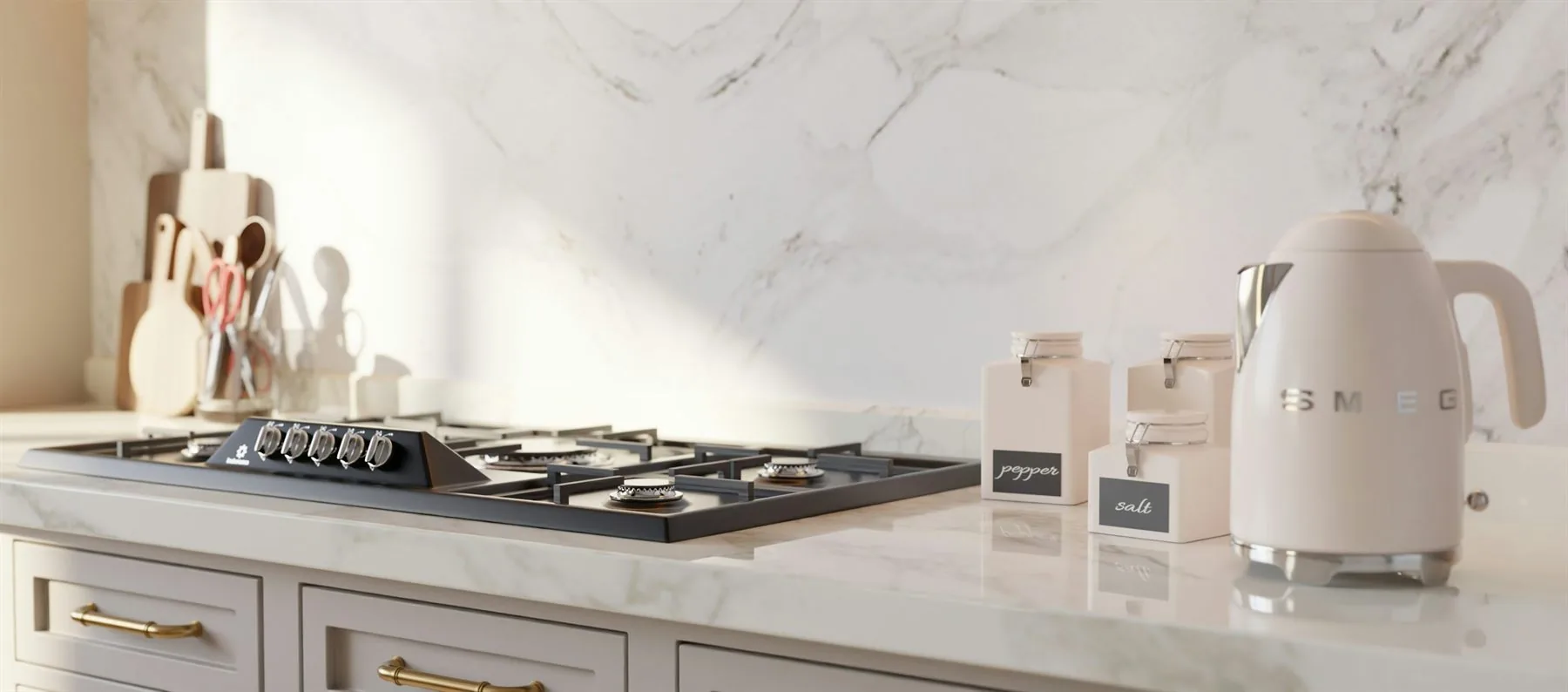
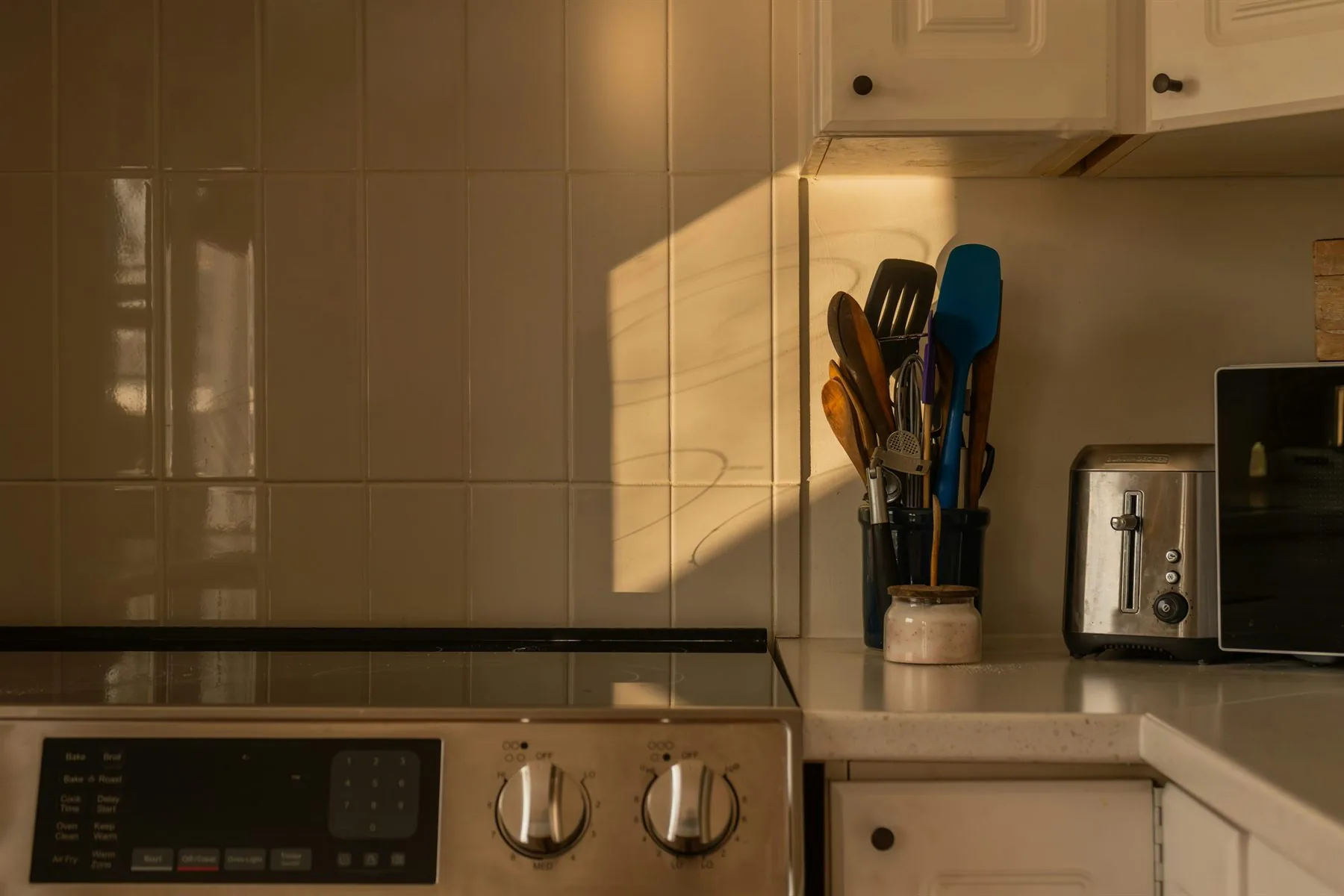
If the kitchen already has stainless appliances, glossy white tile, and cool stone, it probably needs more earth or wood before it needs another bright color. If the kitchen already has dark cabinets or very warm floors, a lighter wall, backsplash, or counter color can keep the room from feeling too dense.
A practical kitchen color ratio
65% base
Warm white or oat
Keep the walls, backsplash field, or upper cabinets light so the kitchen feels clean and open.
25% support
Mushroom, sage, or wood cabinet tone
Use the grounding color on lower cabinets, island panels, shelves, or larger visible work surfaces.
10% accent
Muted clay, charcoal, or warmer hardware
Let the smaller accent live in stools, pottery, runners, hardware, or one edited color moment instead of everywhere.
Kitchen Colors to Use More Carefully
Most kitchen color mistakes happen when the palette gets too cold or too loud. Very cold gray can flatten the room. Strong red can make the kitchen feel tense. Heavy black can work, but only when the room already has plenty of light and enough warmth to balance it.
Avoid this palette trap, try this instead
Avoid this
Cold gray + Bright white + Hard black
This can make the kitchen feel harder and less nourishing than it needs to.
Try this instead
Warm white + Mushroom + Muted clay
You still get freshness, but the room feels steadier and easier to spend time in.
One easy kitchen fix
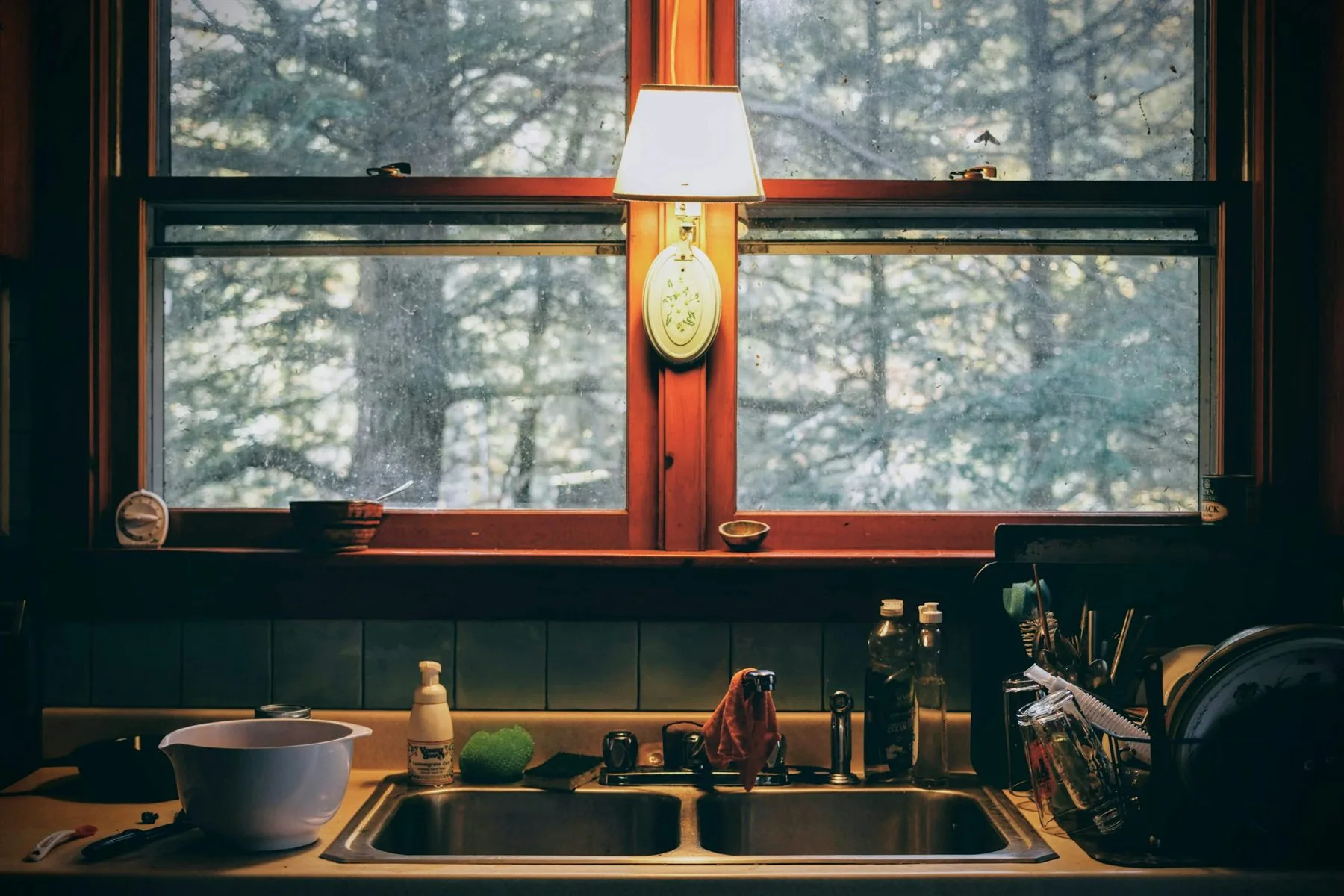
If the kitchen feels colder than you want, try warming the wall color, stools, or hardware first. That can help faster than a full cabinet repaint.
Frequently Asked Questions
What are the best feng shui colors for a kitchen?
Is white good feng shui for a kitchen?
Is green good feng shui for a kitchen?
What kitchen colors should be used more carefully?
The bottom line
The best feng shui kitchen colors make the room feel bright, useful, and warm enough to gather in. Warm white, mushroom, soft sage, oat, and natural wood do that well because they support both cleanliness and comfort.
If you want the simplest formula, keep the kitchen mostly light, choose one grounded cabinet tone, and add warmth through wood, muted clay, or a little softer metal. That gives the room energy without making it loud.