

Quick Answer
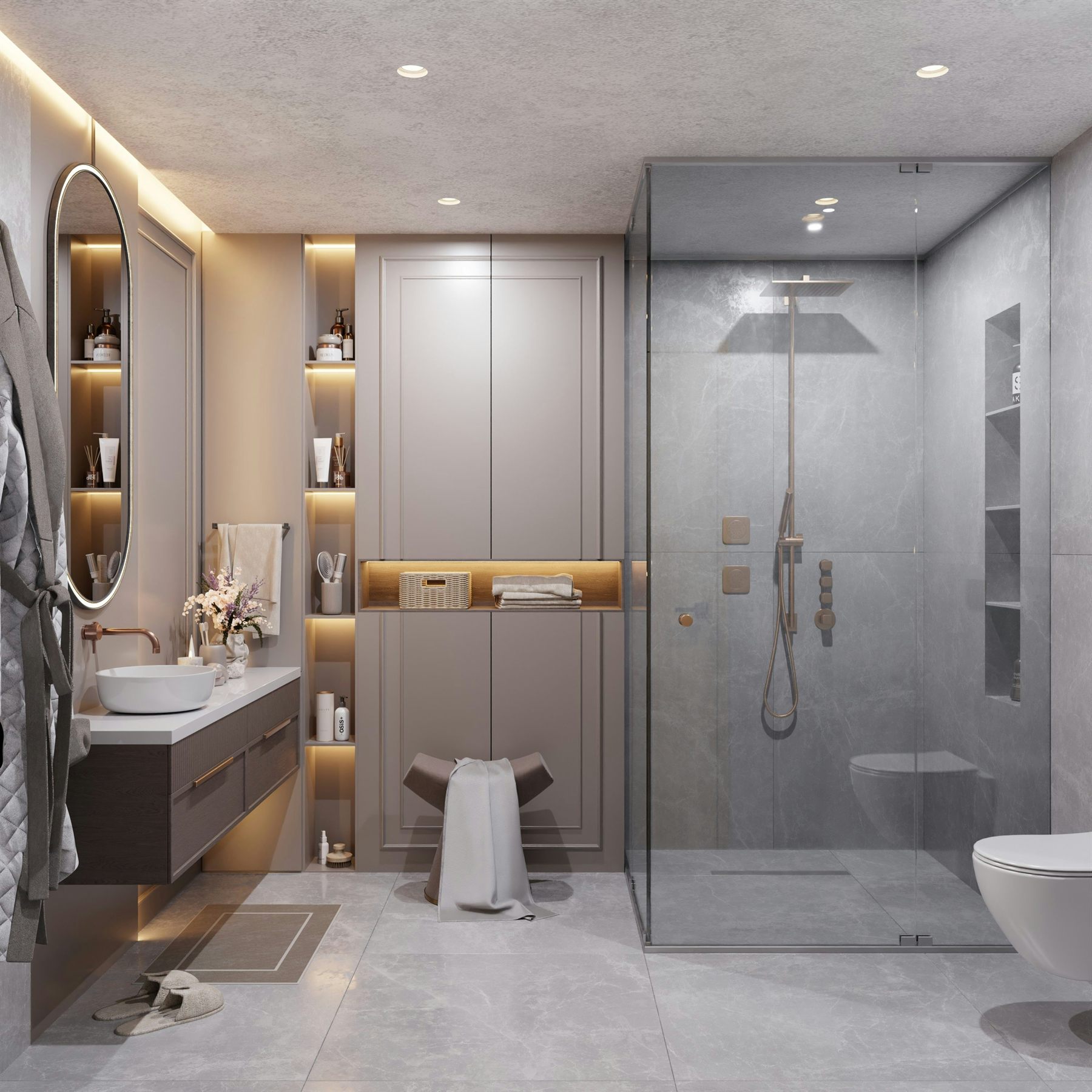
The best feng shui colors for a bathroom are warm white, soft stone gray, pale sage, quiet greige, and sandy neutrals. They usually make the room feel cleaner, lighter, and calmer without turning the bathroom into a cold white box.
Bathroom color matters more than people expect because the room already carries hard finishes, reflective surfaces, and stronger lighting. The palette has to soften all of that.
In feng shui terms, the bathroom usually feels best when it looks bright, well-kept, and easy to breathe in. That is why the most useful bathroom colors are rarely loud. They are light enough to feel fresh, warm enough to feel human, and quiet enough that the room does not start to feel restless.
Bathroom Colors That Feel Fresh Without Feeling Cold
The easiest way to choose a bathroom palette is to start with colors that already look believable beside tile, mirrors, plumbing fixtures, and glass. That usually points you toward softer neutrals rather than sharp statements.
The most useful bathroom color directions
These tones usually keep the room feeling cleaner, calmer, and more cared for.
Warm white
Bright but not clinical
Warm white + Oat + Brass
Best for walls, ceilings, trim, and bathrooms that need lift without looking stark.
Stone gray
Clean and grounded
Stone gray + Bone + Graphite
Useful when you want a fresher gray that still works with stone, tile, and chrome.
Soft greige
Quiet and forgiving
Soft greige + Mushroom + Linen
A good bridge color when the bathroom already has mixed stone, warm woods, or beige tile.
Pale sage
Fresh and restorative
Pale sage + Cream + Oak
Helpful in bathrooms that need a little color but still need to feel bright and easy.
Soft sand
Warm and comforting
Soft sand + Clay + Stone
Best in bathrooms that feel too cold with gray but still need a restrained natural palette.
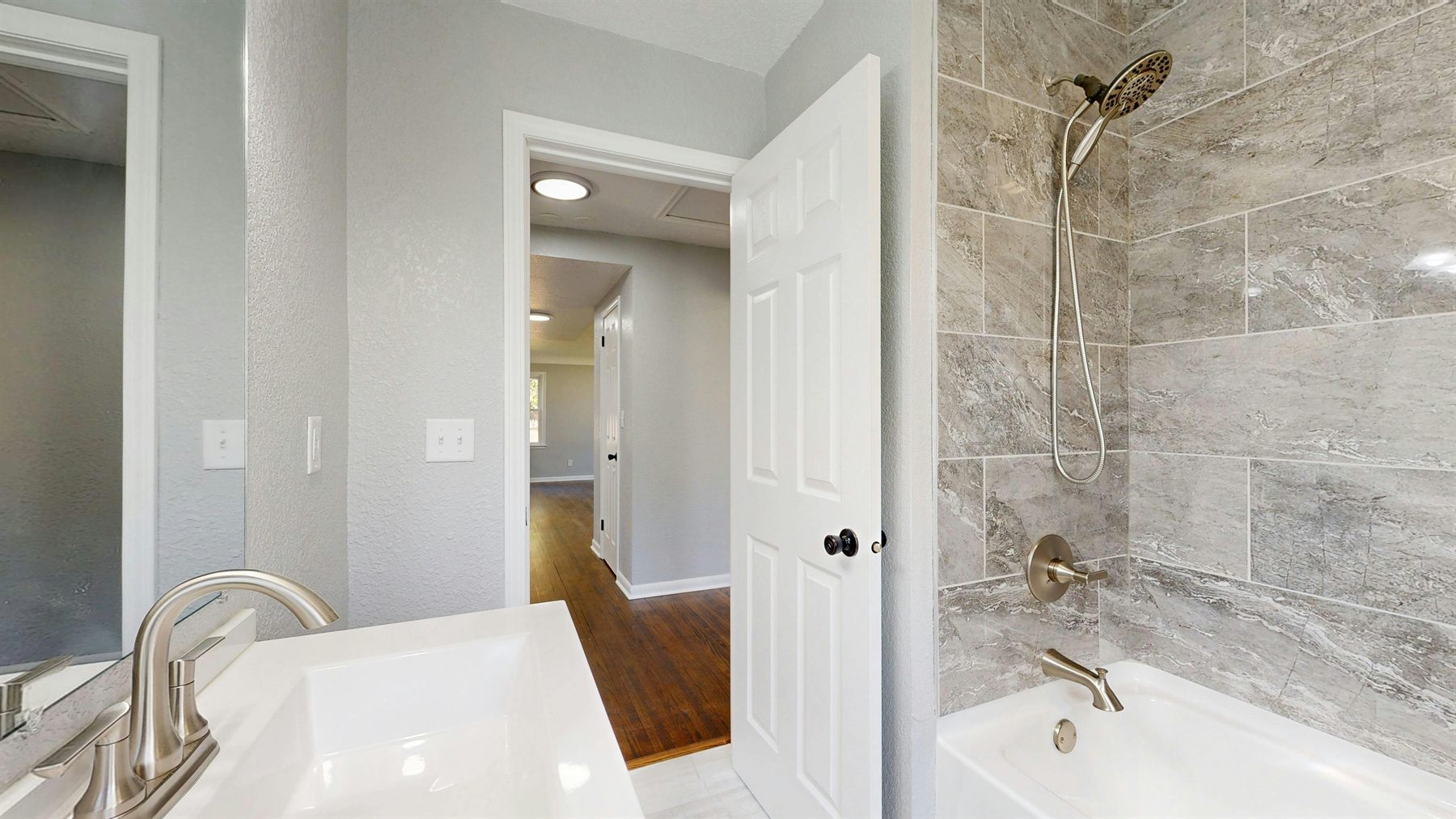
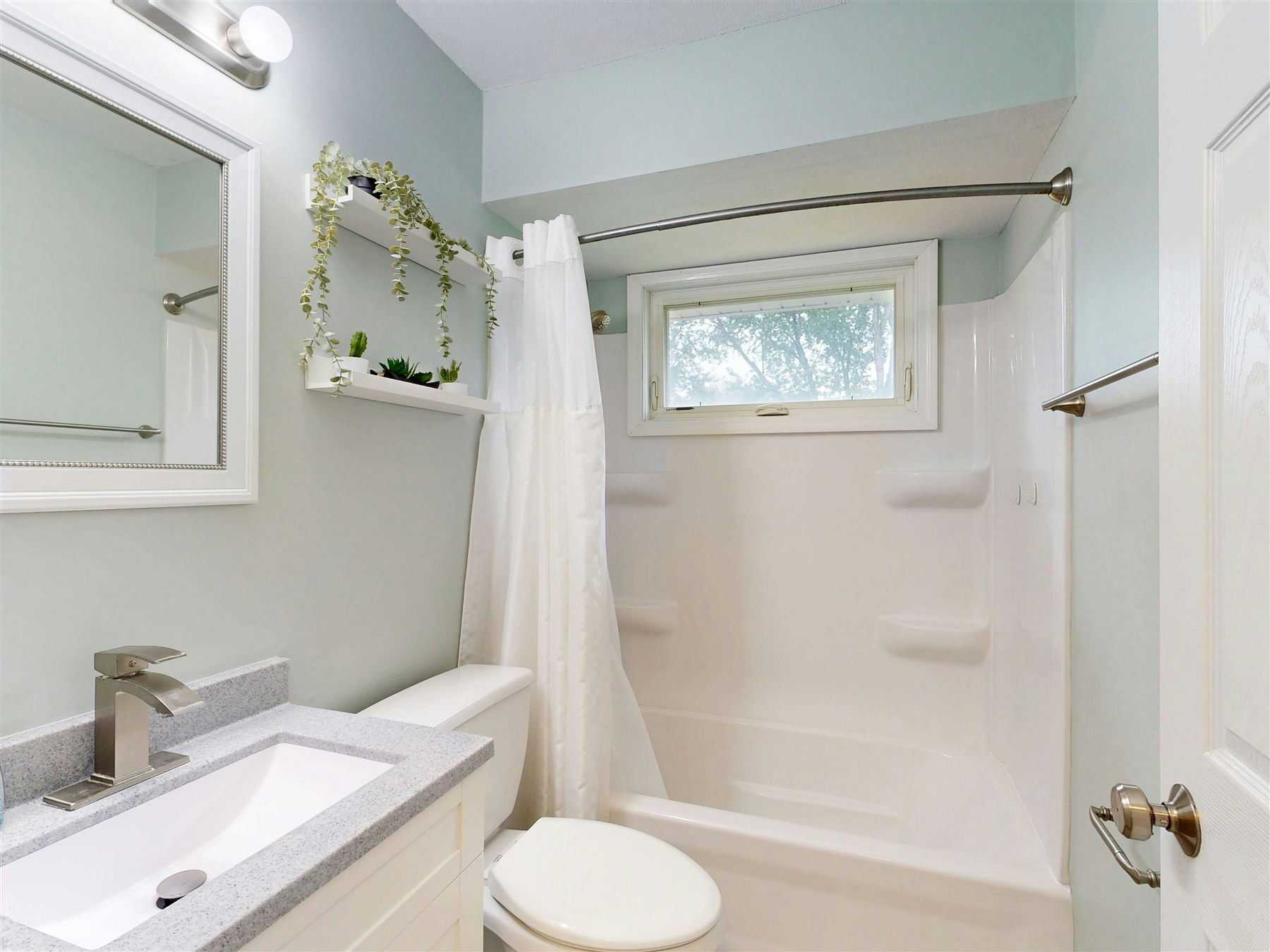
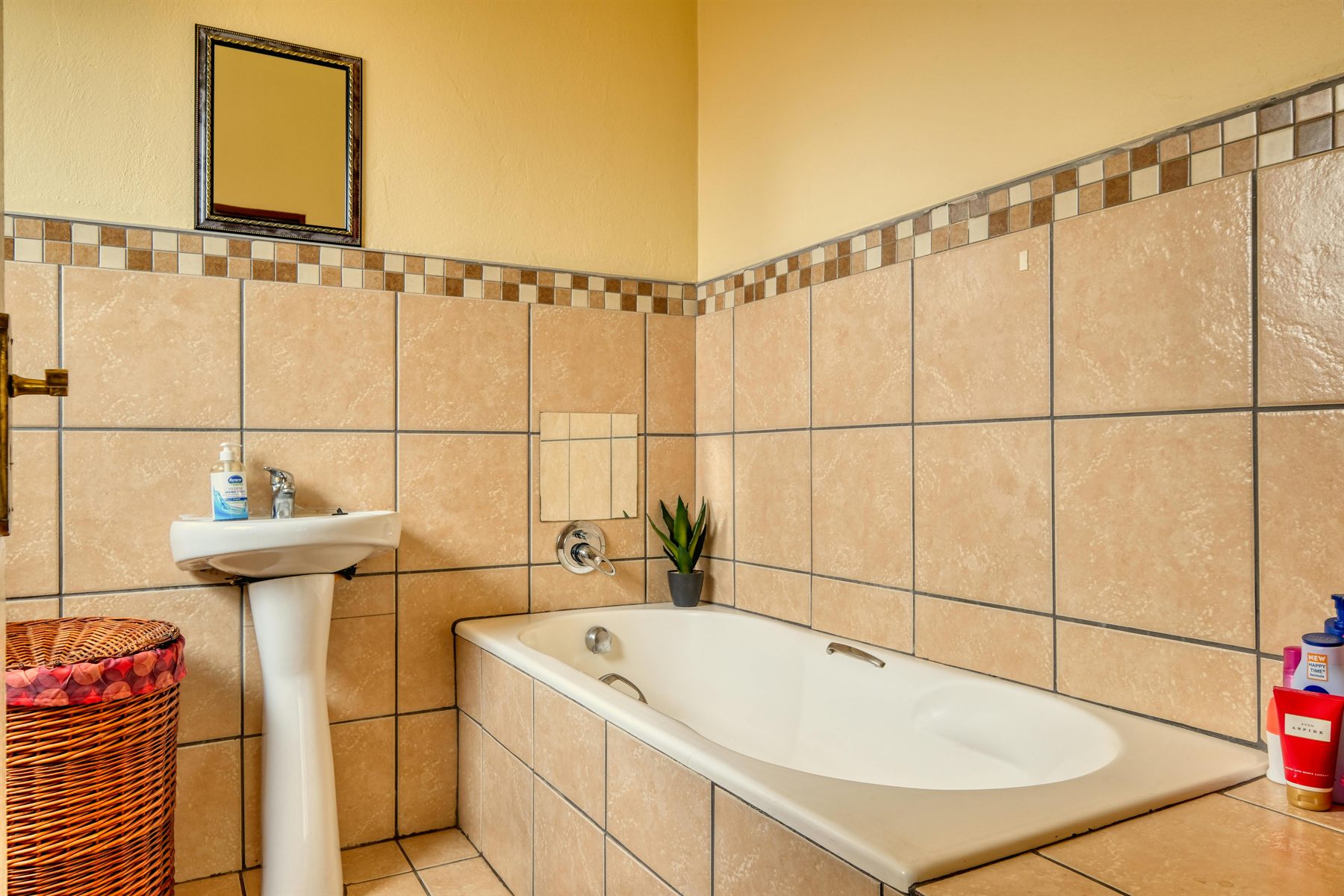
If your bathroom already has chrome, glass, and a lot of white surfaces, a touch of warmth usually helps more than more contrast. The room should feel cared for, not sharp. If you are working room by room, this same logic also helps with broader feng shui colors for home.
Three bathroom palettes that usually feel fresher for longer
Clean but warm
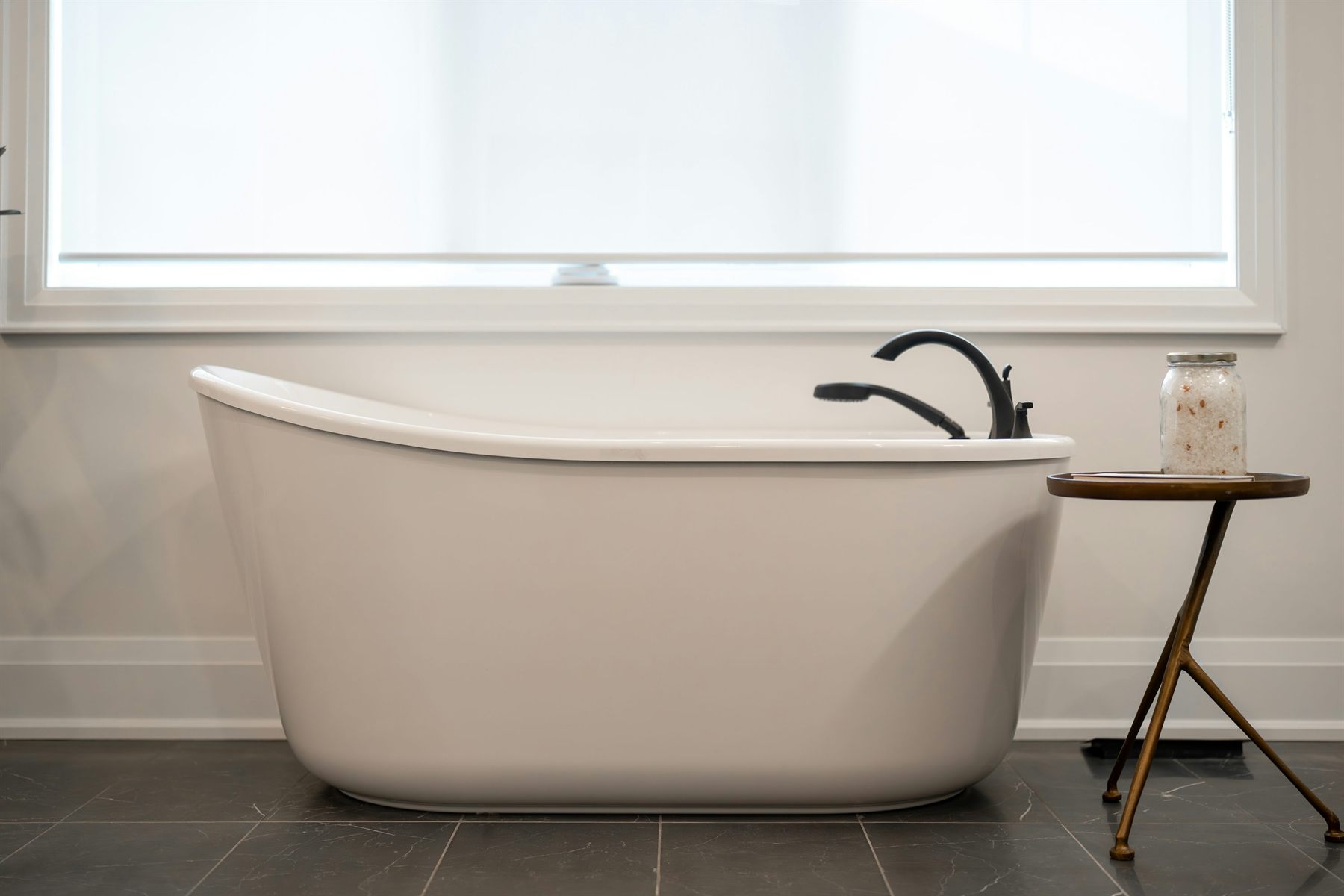
Warm white + Stone gray + Muted brass
A dependable direction for bathrooms that need brightness without the cold white-box feeling.
Spa-like neutral
Soft greige + Bone + Oak
Helpful when you want the bathroom to feel quieter and more layered than a basic contractor palette.
Fresh with color
Pale sage + Cream + Stone
A good fit for bathrooms that want a little life while still feeling bright and easy to keep calm.
How to Build a Bathroom Palette That Still Feels Clean
Bathroom palette works best when each color has a job. One color should keep the room bright, another should ground the harder finishes, and a smaller accent should stop the space from feeling anonymous.
Pick one color for each bathroom job
Best wall color
Warm white or pale greige
These shades make the room feel bright and forgiving without turning the bathroom stark.
Best grounding color
Stone gray or pale sage
One grounded tone helps tile, hardware, and cabinetry feel intentional instead of disconnected.
Best accent finish
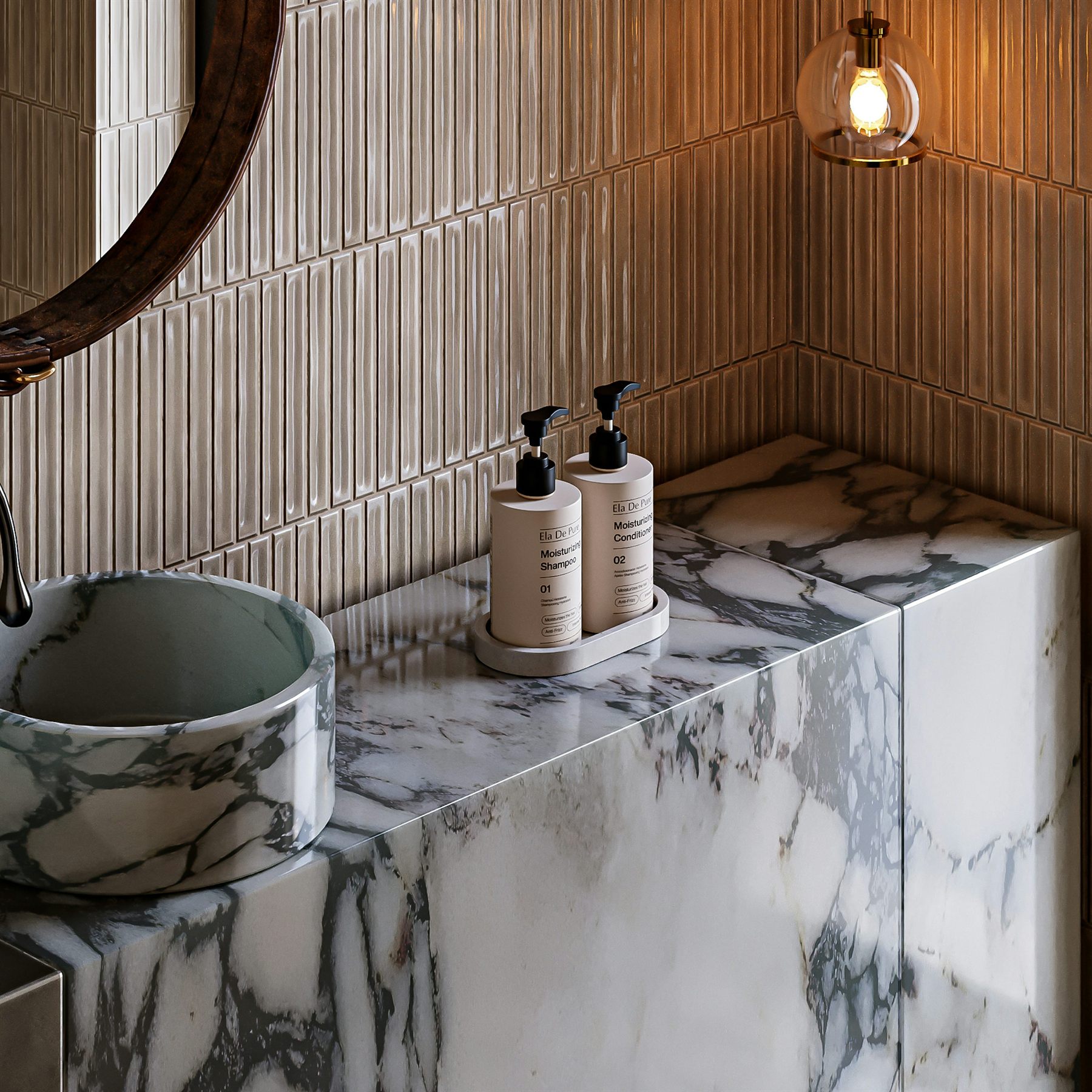
Muted brass or warm wood
A warmer accent keeps the bathroom from reading like a showroom or a contractor default.
A practical bathroom color ratio
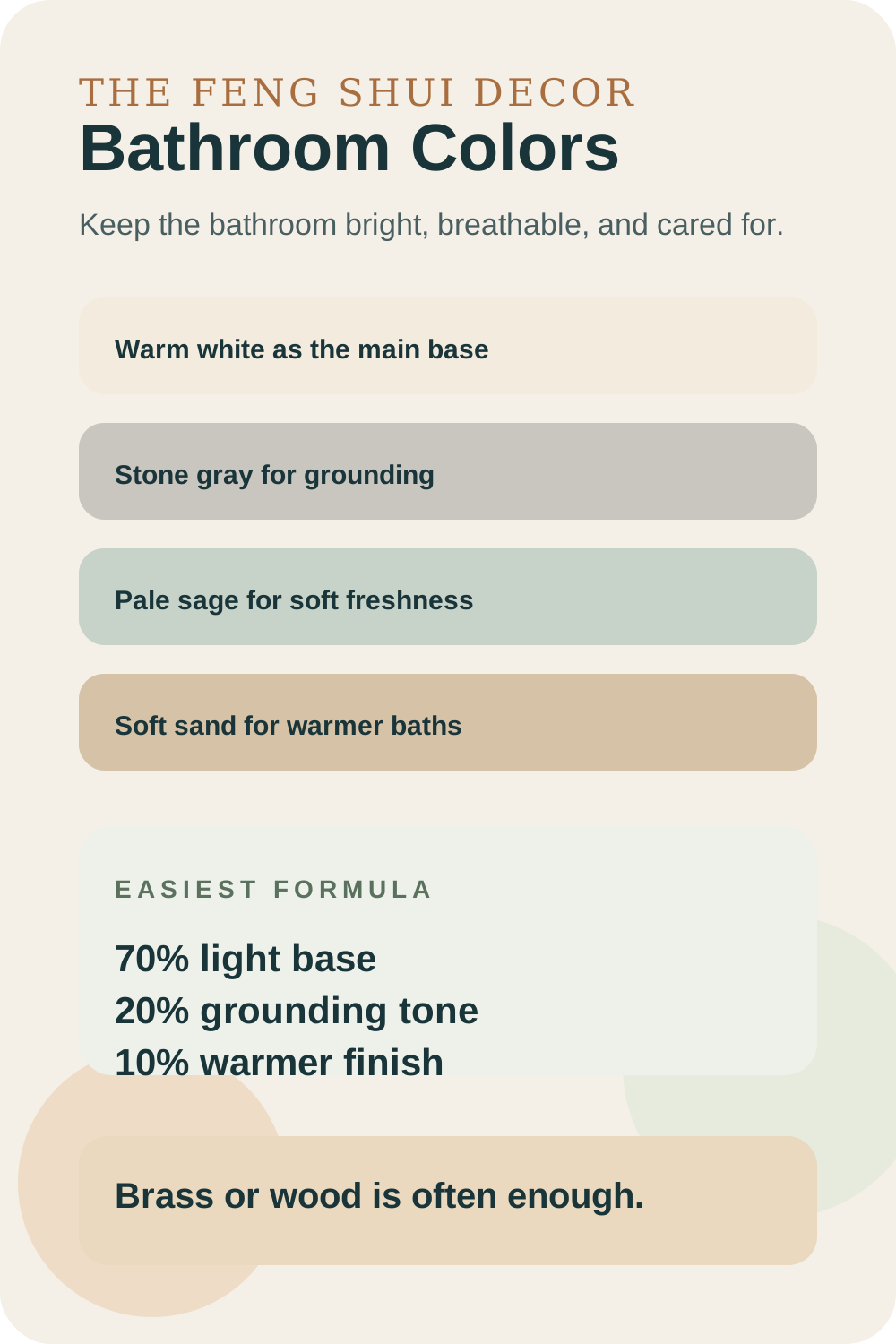
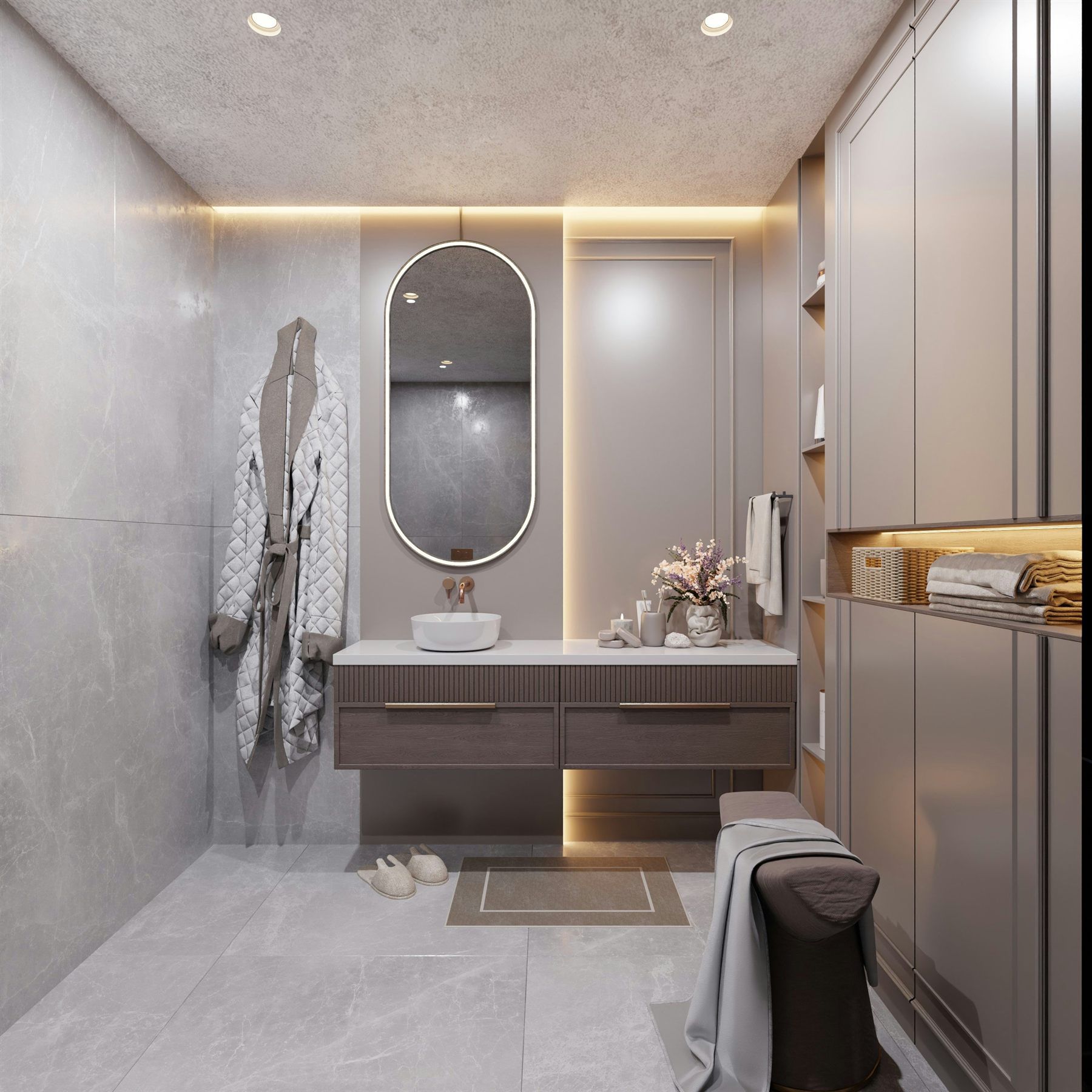
70% base
Warm white or pale greige
Let the walls, upper tile field, curtain, or largest visible surfaces stay light so the bathroom feels cleaner and calmer.
20% support
Stone gray, sage, or soft taupe
Use this on vanity color, floor tile, or a grounding cabinet tone so the room feels finished instead of flat.
10% accent
Muted brass, oak, or clay warmth
Keep warmth in metal finishes, wood details, towels, or smaller styling pieces rather than another big painted surface.
Bathroom Colors to Use More Carefully
Bathroom color usually goes wrong in one of two directions. Either the room becomes so bright white that it feels cold, or it becomes so warm and saturated that it starts to feel heavy. Both are fixable with better dosage.
Avoid this palette trap, try this instead
Avoid this
Harsh white + Icy gray + Steel
This combination can make the bathroom feel colder and less forgiving than it needs to.
Try this instead
Warm white + Stone gray + Muted brass
You still get freshness, but the room feels calmer and more livable.
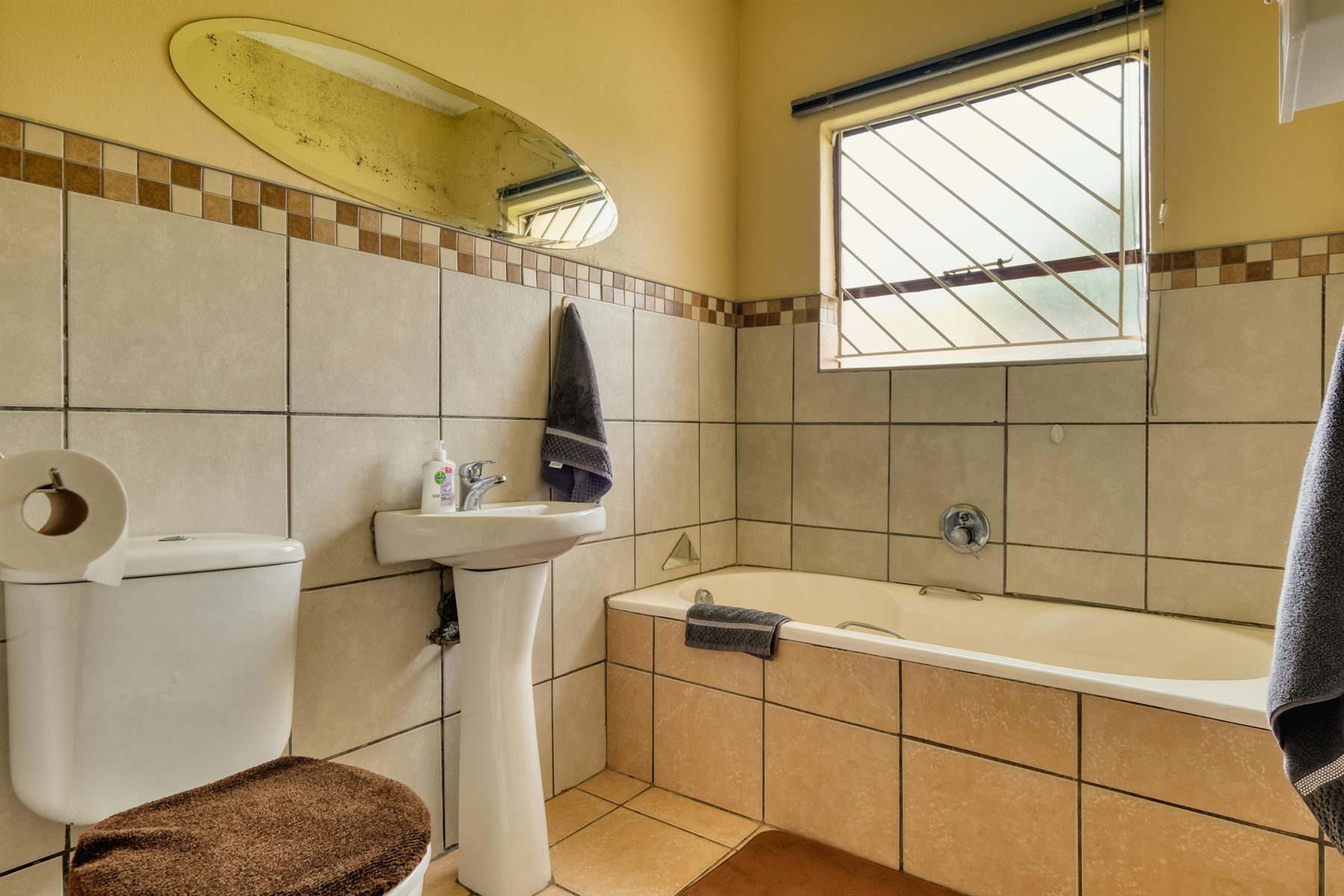
One easy bathroom fix
If the room already has colder tile, start by warming the wall color and the metal finishes. That shift usually helps faster than repainting every hard surface.
The bottom line
The best feng shui bathroom colors usually make the room feel cleaner, calmer, and less sharp. Warm white, stone gray, pale sage, soft greige, and sandy neutrals do that well because they can live beside tile, glass, and metal without fighting them.
If you want the simplest rule, keep the bathroom mostly light, add one grounding tone, and let the warmth come through smaller details like wood or brass. That balance is what keeps the space feeling fresh instead of clinical.