



Quick Answer
Feng shui symbols include auspicious animals, plants, objects and characters. Identify the motif and its cultural context before choosing a display. Paired ducks, fish, bats and peaches have documented meanings in Chinese art, but a meaningful symbol is not a guarantee of wealth, protection or relationship outcomes.
For the three-legged toad specifically, our money frog guide covers its meaning, identification and a stable placement that does not obstruct the entrance.
Two birds on a painting, a bat on a vase and a round coin with a square hole carry different associations. Learning to recognize them is more useful than collecting everything sold as a lucky object.
This guide explains common meanings, the details that change an interpretation and how to display an object thoughtfully. For a wealth-object shopping and placement guide, use items for wealth; this page is the identification and meaning reference.
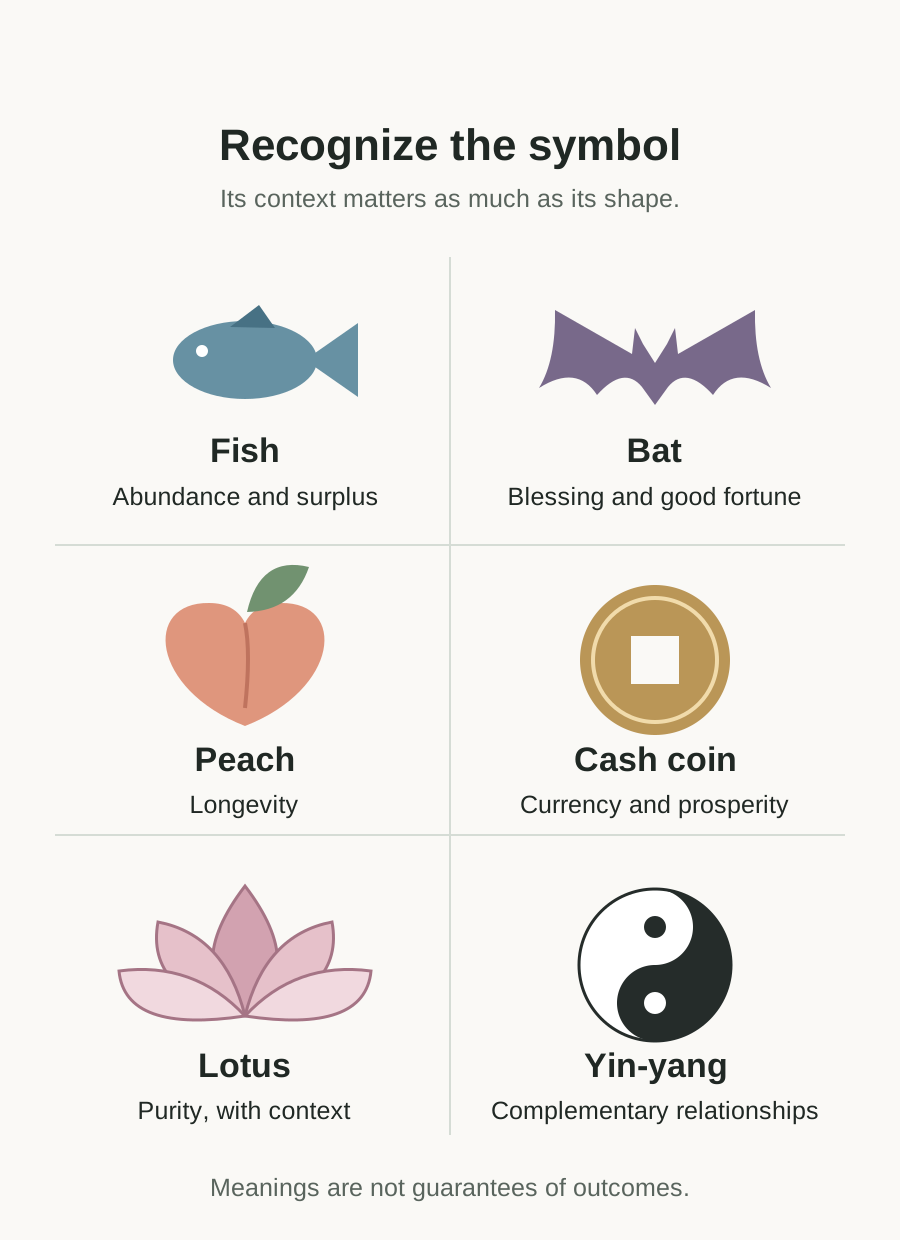
The main photograph shows a late-seventeenth-century Dish with dragon. The Met's object record describes the dragon's power and playful expression. Its imagery is documented art, not evidence that owning a dragon ornament produces an outcome.
Not every Chinese symbol is a feng shui remedy
The modern label “feng shui symbols” covers several traditions. Chinese decorative art uses wordplay and auspicious motifs. Wedding customs, New Year decorations, Buddhist and Daoist imagery, imperial designs and contemporary feng shui products have their own contexts.
An old artistic motif can be adapted into modern decor without acquiring one universal compass placement. A museum record can establish what an object represents; it does not prove a seller's promise that displaying it in a corner will change your finances.
Start by identifying what you have, rather than choosing a location from a vague “good luck” label.
Common feng shui symbols and how to recognize them
A starting directory of auspicious motifs and related symbols
Scroll sideways to compare all columns.
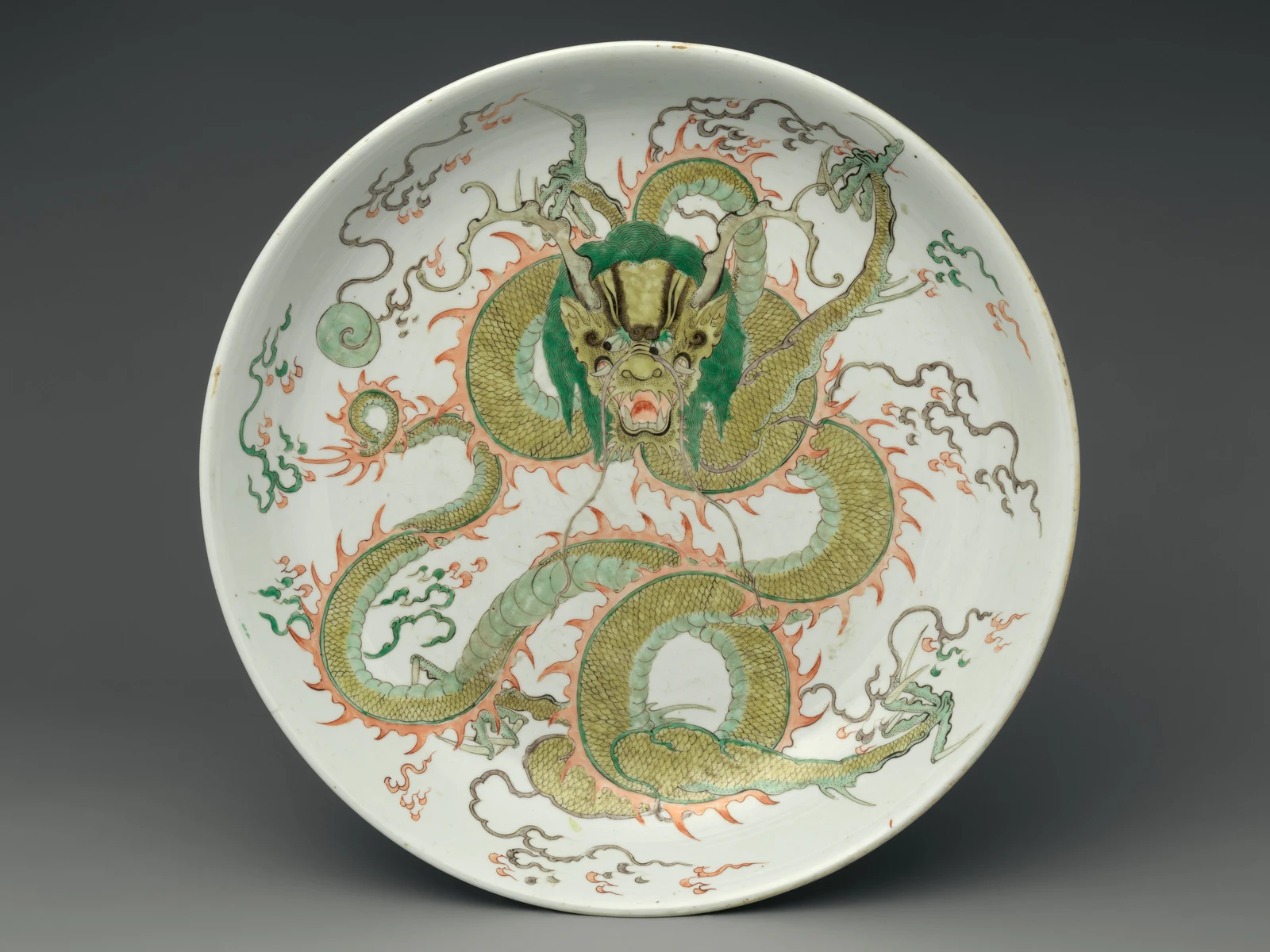
| Motif | Identification clue | Attributed meaning and context |
|---|---|---|
| Mandarin ducks | A pair of waterbirds, often beside plants | Marital harmony and fidelity in Chinese art and wedding imagery |
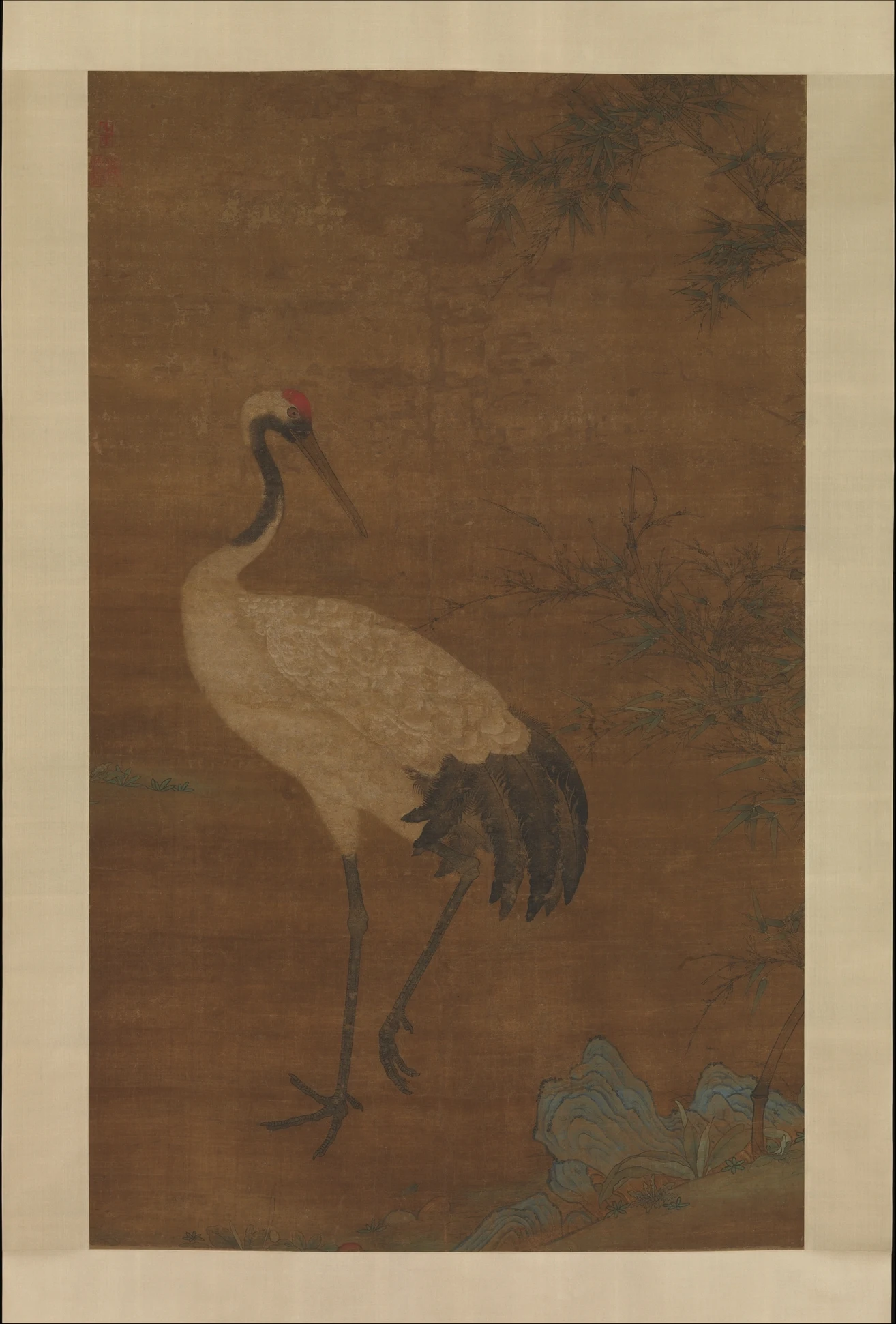
| Crane | Long legs and neck; may appear with pine or bamboo | Longevity and faithfulness; context can include immortality themes |
| Fish or carp | Fish motifs, sometimes paired with lotus | Abundance and surplus through wordplay; some carp scenes suggest achievement |
| Bat | Spread wings, often in a patterned group | Blessing or good fortune through Chinese wordplay, not an ominous motif |
| Peach | Fruit, blossom or a figure carrying peaches | Longevity and immortality themes |
| Dragon | Serpentine mythical creature, often with clouds | Auspicious power; imperial rank is important in some historical objects |
| Tortoise | Shell and four legs | Longevity and support; distinguish it from a dragon-headed hybrid |
| Lotus | Flower, leaves or seed pod | Purity and other meanings depending on religious, artistic and wordplay context |
| Bamboo | Jointed stems and narrow leaves | Resilience and upright character in scholarly imagery |
| Chinese cash coins | Round coin with a square central hole | Historical currency, later charms and prosperity associations |
| Fu 福 | The character 福 | Blessing or good fortune, familiar in New Year decoration |
| Double happiness 囍 | Two joined happiness characters | Marital joy, especially wedding-related decoration |
This is an identification aid, not an exhaustive symbol dictionary. Combinations, inscriptions and historical use can change the meaning.
Recognize motifs on real objects
Paired mandarin ducks
Lü Ji's Mandarin ducks and cotton rose hibiscus is a late-15th-century painting held by The Metropolitan Museum of Art. The museum record connects the paired birds with happy marriage.
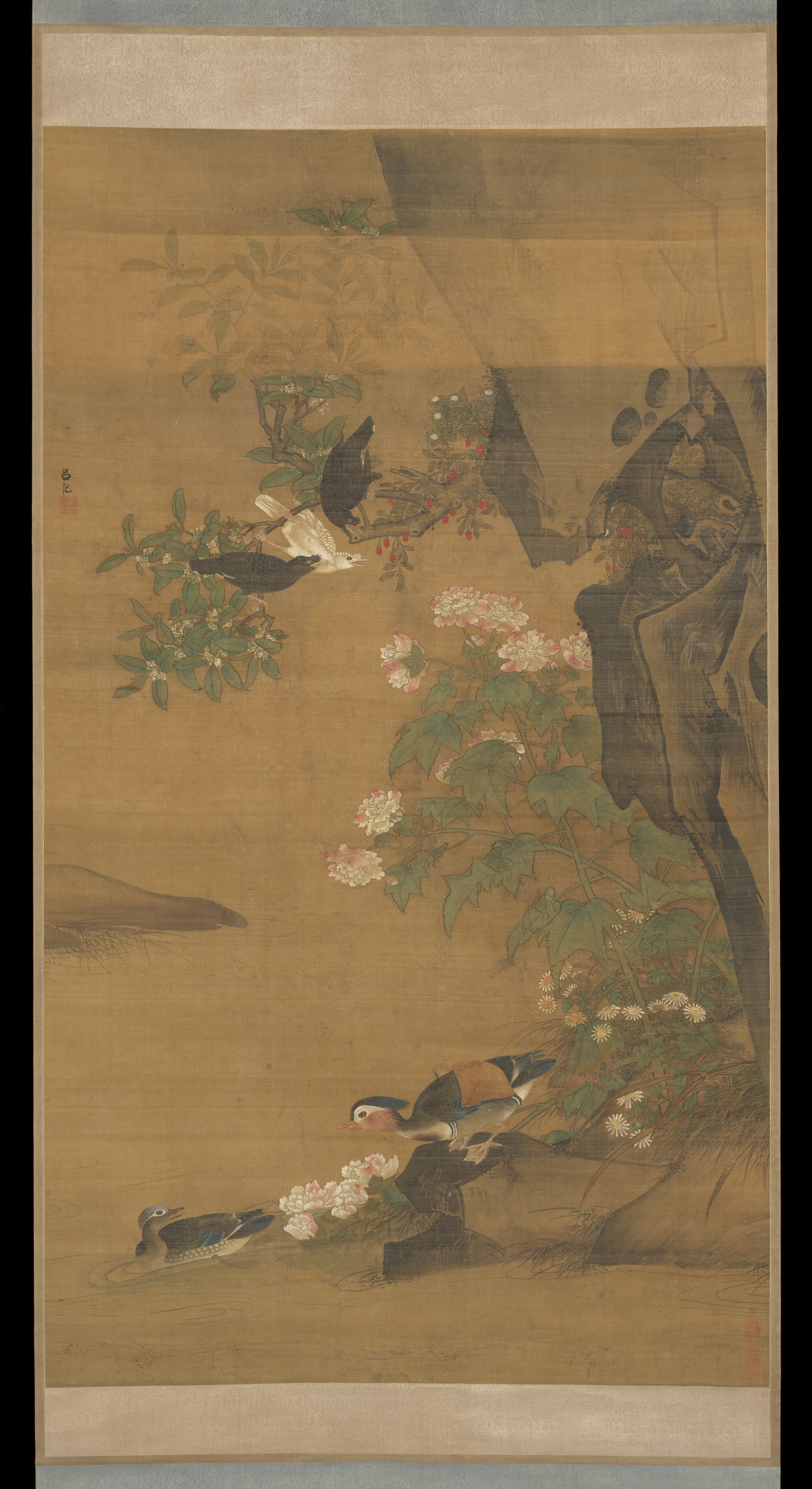
Notice the pair low in the composition and the flowering setting around them. The subject is richer than two interchangeable plastic bird figures. In a home, artwork with that association can be a considerate relationship-themed choice if both people enjoy it. There is no need to force it into a shared bedroom someone dislikes.
Bats, peaches and double happiness
This Qing vase combines several motifs. The Met's description identifies happiness, longevity and marital themes in the combination. A bat here is auspicious, not a warning of danger.
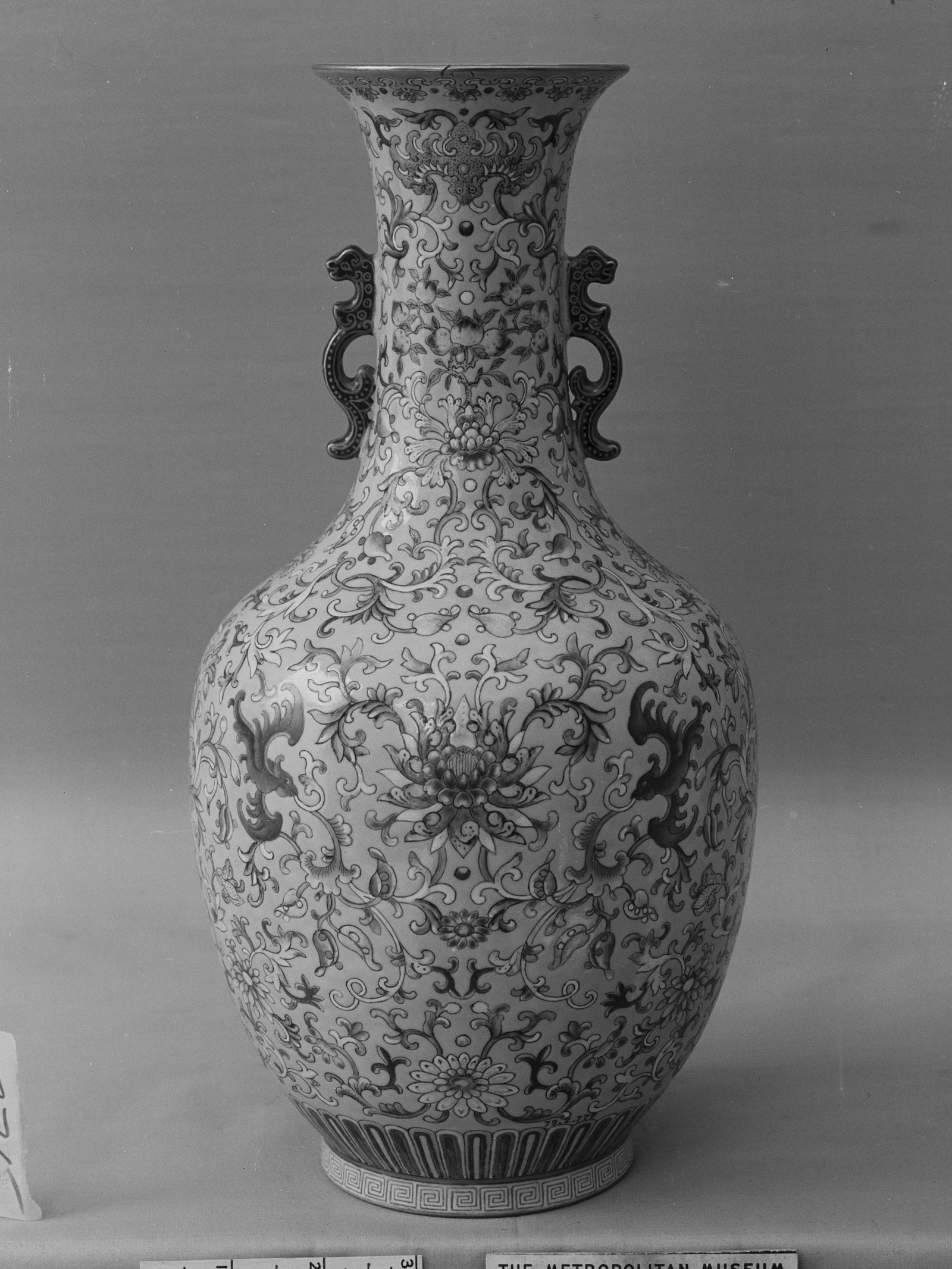
The useful lesson is to read the motifs together. Do not assign an object a precise placement from its color when the reference photograph is black and white, and do not assume every bat design is a feng shui product.
Crane and bamboo
The painting below is Shen Quan's Crane in a bamboo grove, dated 1748. The museum record discusses longevity and faithfulness in the crane motif.
Lotus flowers and lotus leaves
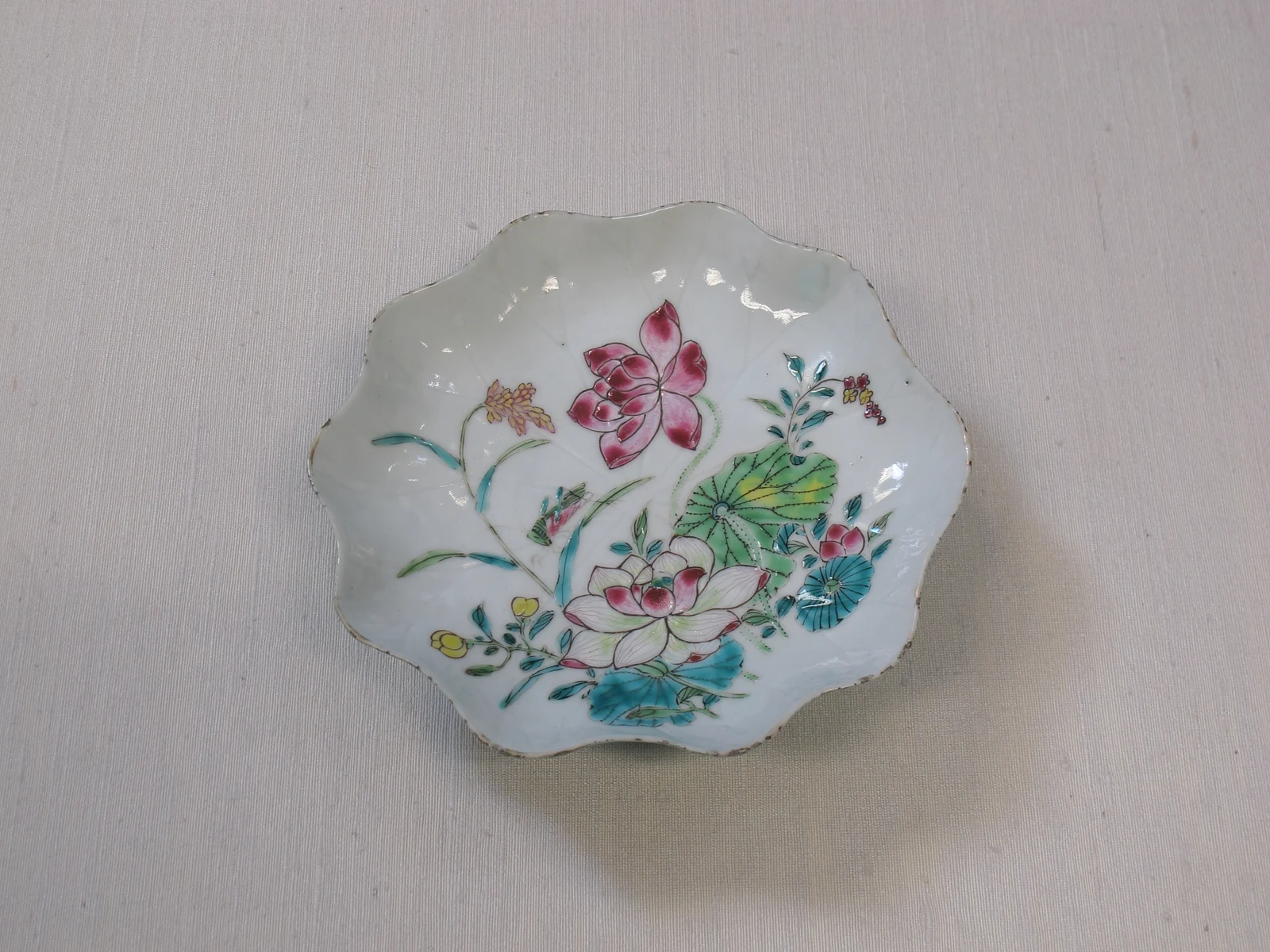
A lotus motif can be painted onto a surface or built into the object's shape. On this Qing porcelain dish, the pink flowers and rounded leaves are part of the decoration. The Met's record identifies it as a Lotus dish from the first half of the nineteenth century.
The next object takes a different approach. Its carved form resembles a leaf rather than a flat flower illustration. The museum identifies it as a Lotus-Leaf Dish made from olive-green nephrite during the Kangxi period.
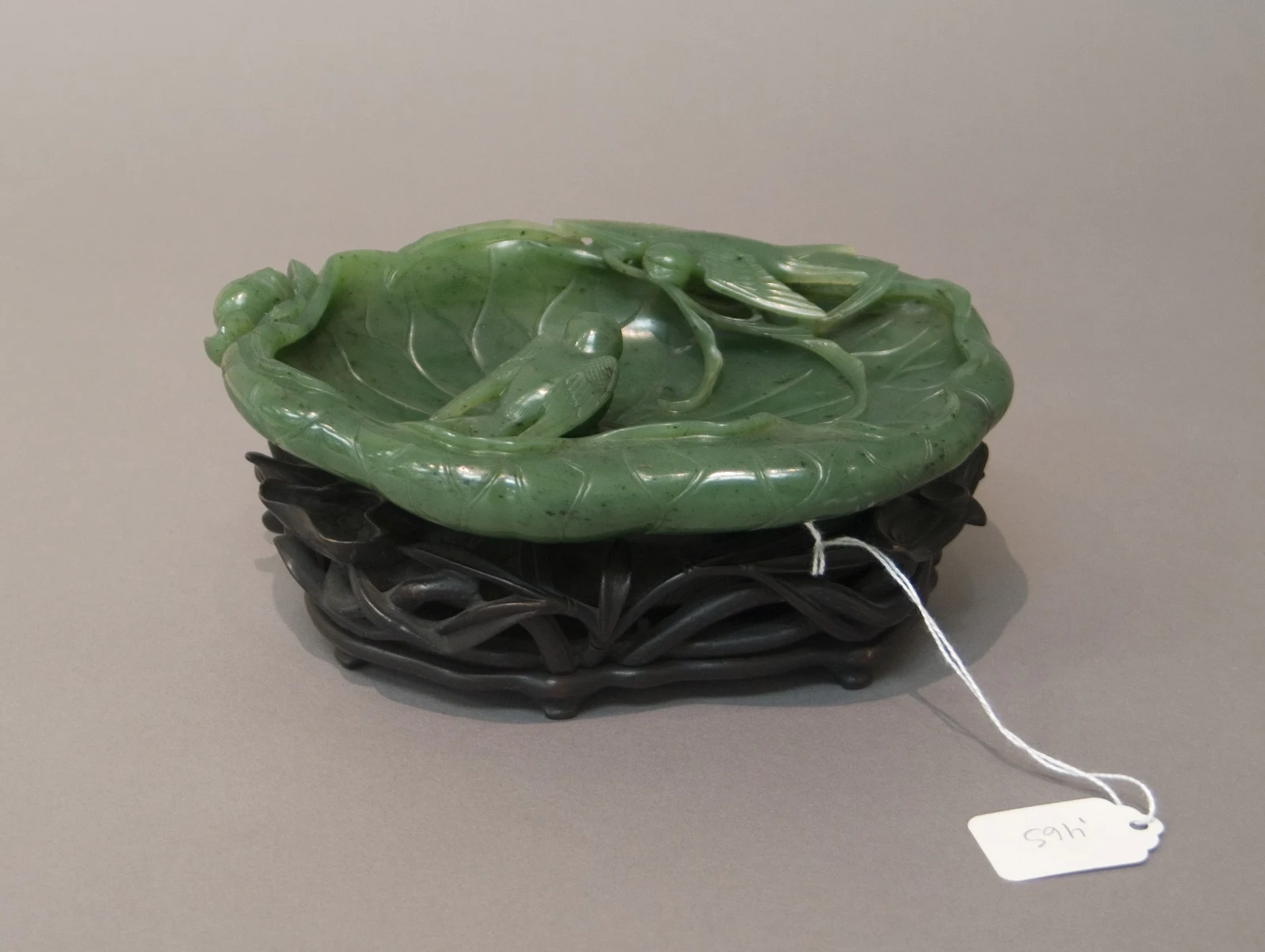
Neither object needs to be treated as a universal feng shui remedy. If you like lotus imagery, choose an artwork or decorative piece whose meaning and appearance suit your household. A lotus leaf, a lotus flower and a lotus combined with another motif are not automatically the same message.
Yin-yang and bagua are not just lucky ornaments
The black-and-white taijitu, commonly called the yin-yang symbol, represents complementary relationships. Yin and yang are not simply good versus bad. The Met's introduction to nature in Chinese culture discusses their wider philosophical context.
The bagua consists of eight trigrams. A trigram uses three solid or broken lines; it is not a Chinese character. In feng shui, different methods use the bagua differently. Learn the bagua mapping method before placing a grid over your home.
A bagua mirror is a particular object, not the same as a normal decorative mirror. Do not assume that a symbol-identification guide tells you to hang one outside your entrance, especially in a shared building.
Distinguish wealth objects that look similar
- Money frog or Jin Chan: usually a three-legged toad, often with coins or a coin at the mouth. It is not a normal four-legged frog ornament.
- Dragon turtle: a mythical hybrid with a dragon-like head and tortoise body, not every turtle sculpture.
- Cash coin charm: may use replicas, cords and added symbols. A modern charm is not necessarily historic currency.
- Yuanbao or sycee-style ingot: a decorative form based on historical money, not proof that the ornament itself is precious metal.
These labels help identify the object; they do not establish a single placement rule. For choices and placement cautions, use feng shui items for wealth. Avoid buying several near-identical prosperity symbols when one personally meaningful object would do.
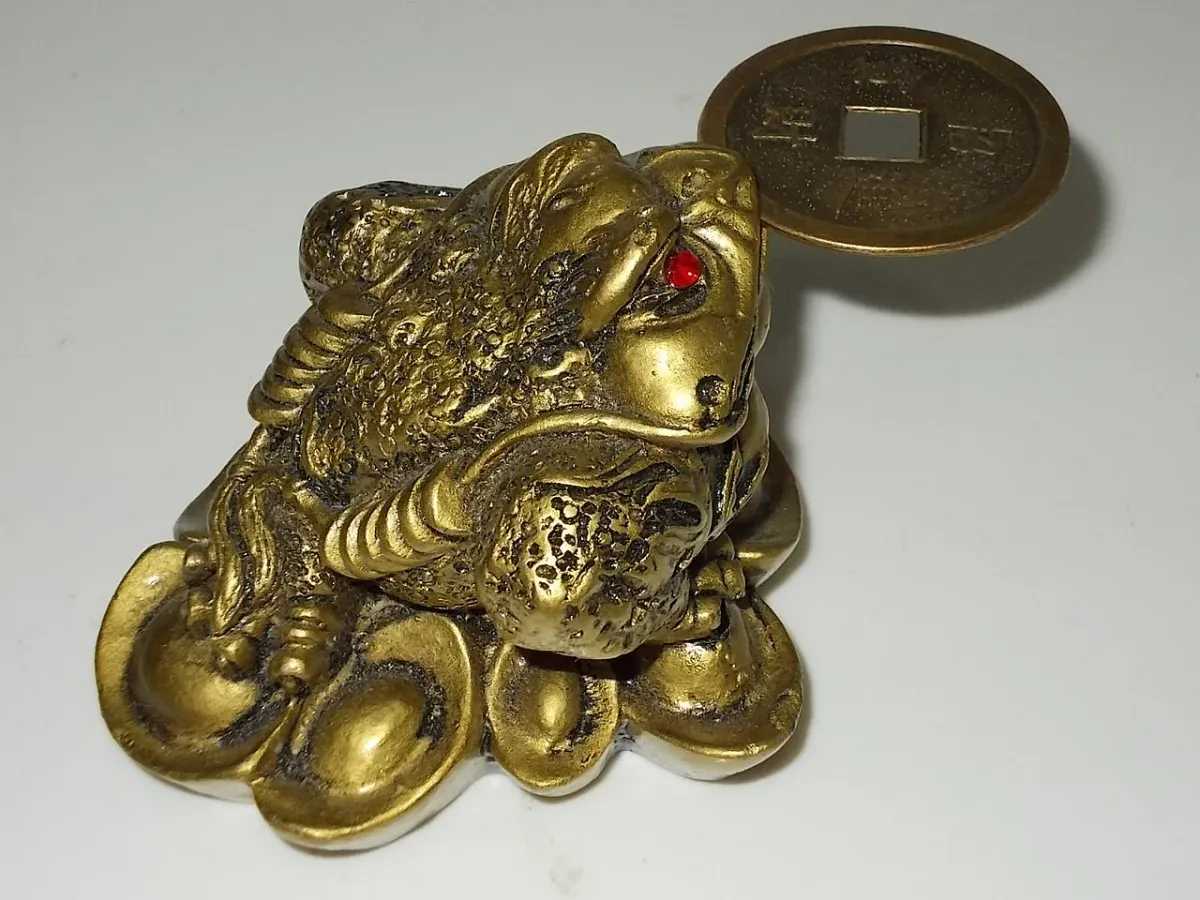
A photograph from one angle may hide a leg or inscription. Before buying, ask for another view and confirm the material and size. The money frog guide explains the three-legged identification and practical display choices in more detail.
Choose a display that belongs in the room
After identifying the motif, choose the scale and location like any other piece of decor. Artwork should be legible from the usual viewing distance. A small figurine needs a stable surface and space around it; it should not crowd the spot used for keys, cooking or work.
Do not put heavy or fragile ornaments on an unstable shelf above a bed, seat or play area. Keep routes, switches and usable surfaces clear. Ask everyone sharing the room whether the object is welcome, especially for relationship or religious imagery.
A useful display example: one print with paired ducks on a wall where both partners enjoy seeing it, rather than a shelf crowded with unrelated romance objects. Its meaning can be personal without turning it into a guarantee about the relationship.
For religious figures, identify the figure and tradition first. Budai, different Buddhas and Daoist figures are not interchangeable “lucky statues.” Respectful display depends on the actual tradition and household, not a universal decorating formula.
Before buying, answer four questions
- What is it? Ask for the object, motif or inscription's proper name.
- Where does the meaning come from? Look for a museum record, cultural reference or named practitioner explaining a specific tradition.
- Does it fit this room? Check scale, stability, maintenance and the household's taste.
- Is the claim realistic? A meaningful object does not replace budgeting, communication, locks or medical care.
If a seller cannot identify the symbol but promises a guaranteed result, that is a reason to pause. Symbols are optional. A home can use layout, light, maintenance and color without displaying any symbolic object.
Feng Shui Symbol Questions
Are feng shui symbols necessary?
Why do sources give different meanings?
Is a bagua mirror an ordinary decorative mirror?
Which symbol guarantees wealth or protection?
The images reproduce documented collection objects, not examples of a certified feng shui installation.