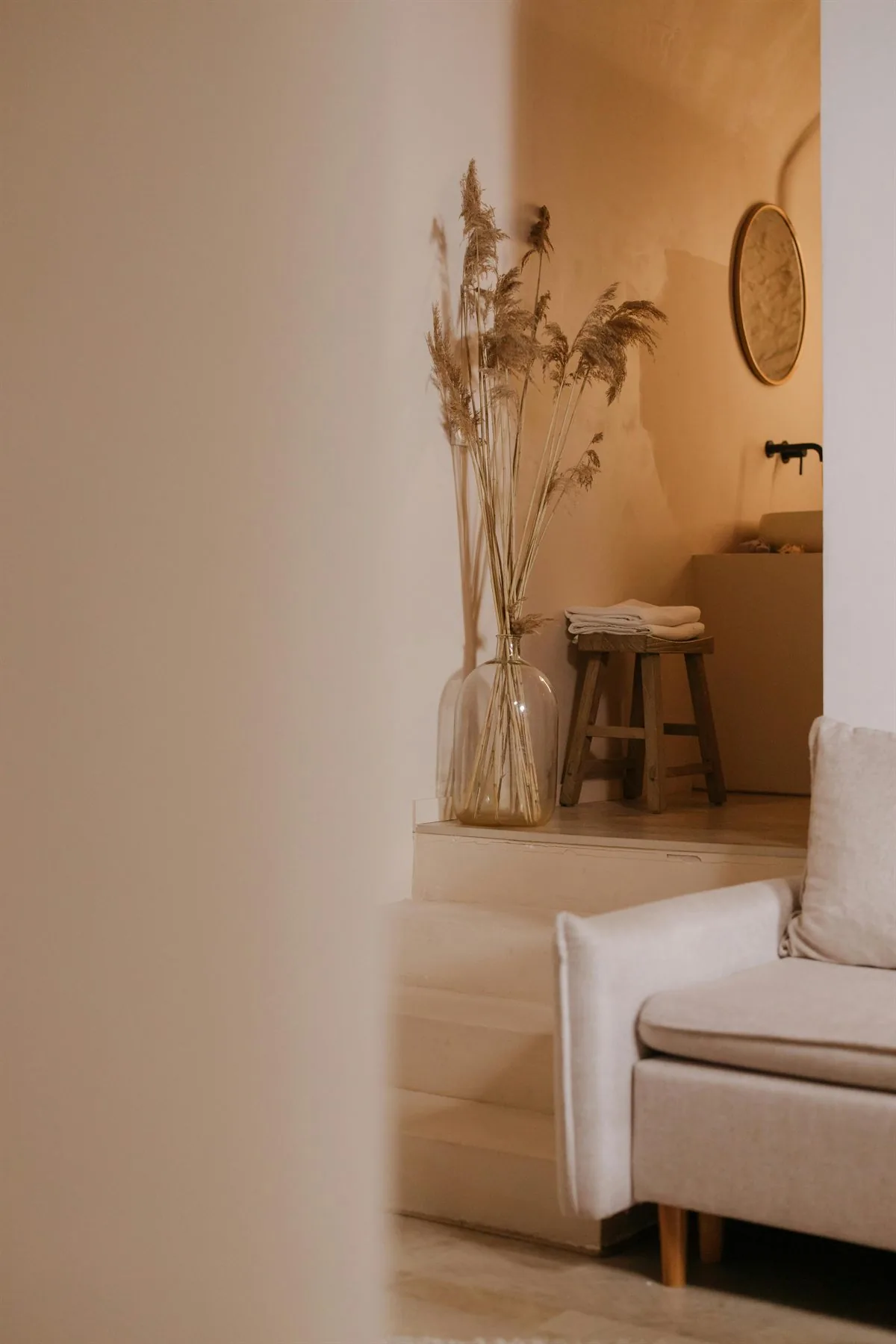
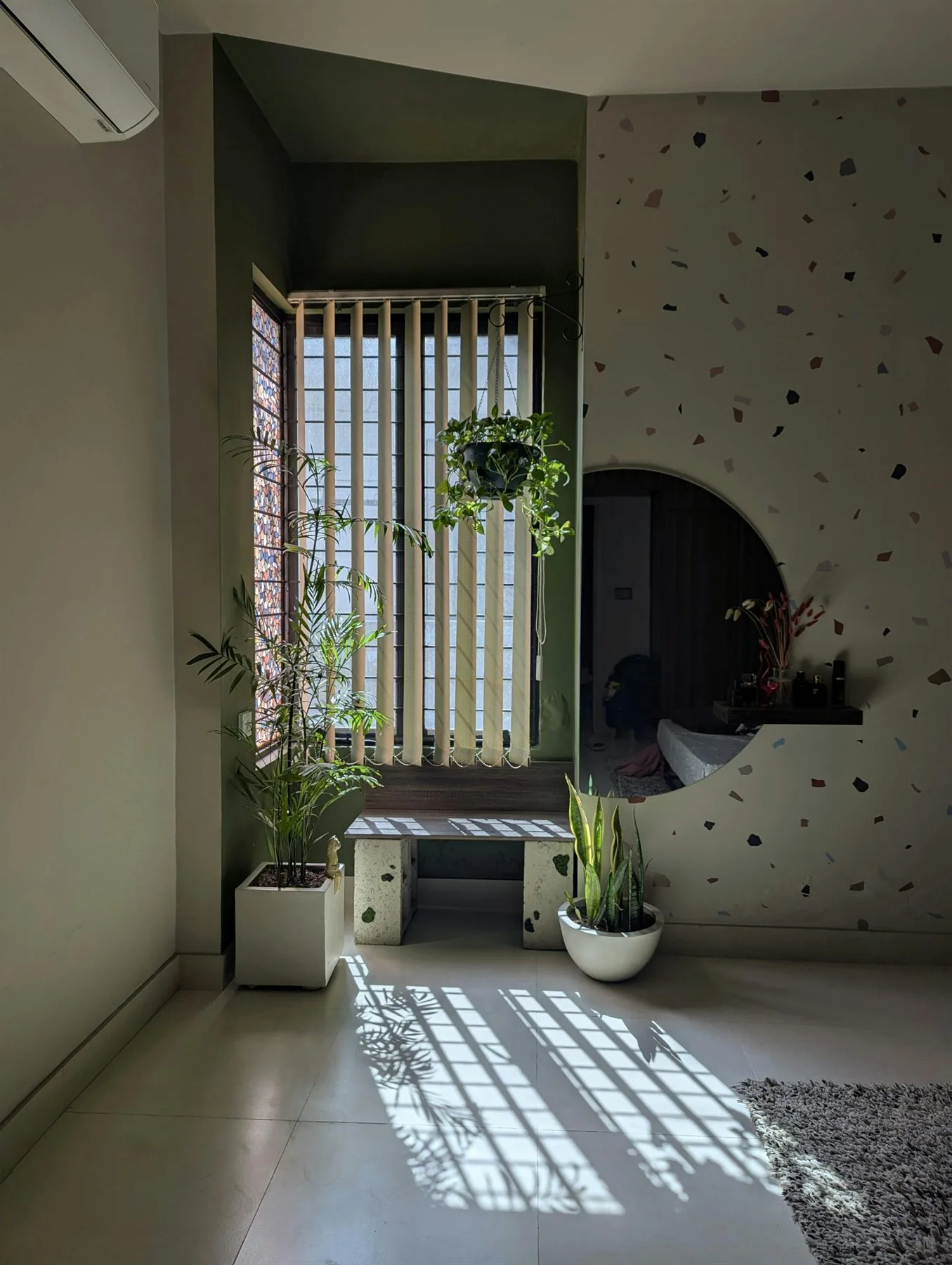
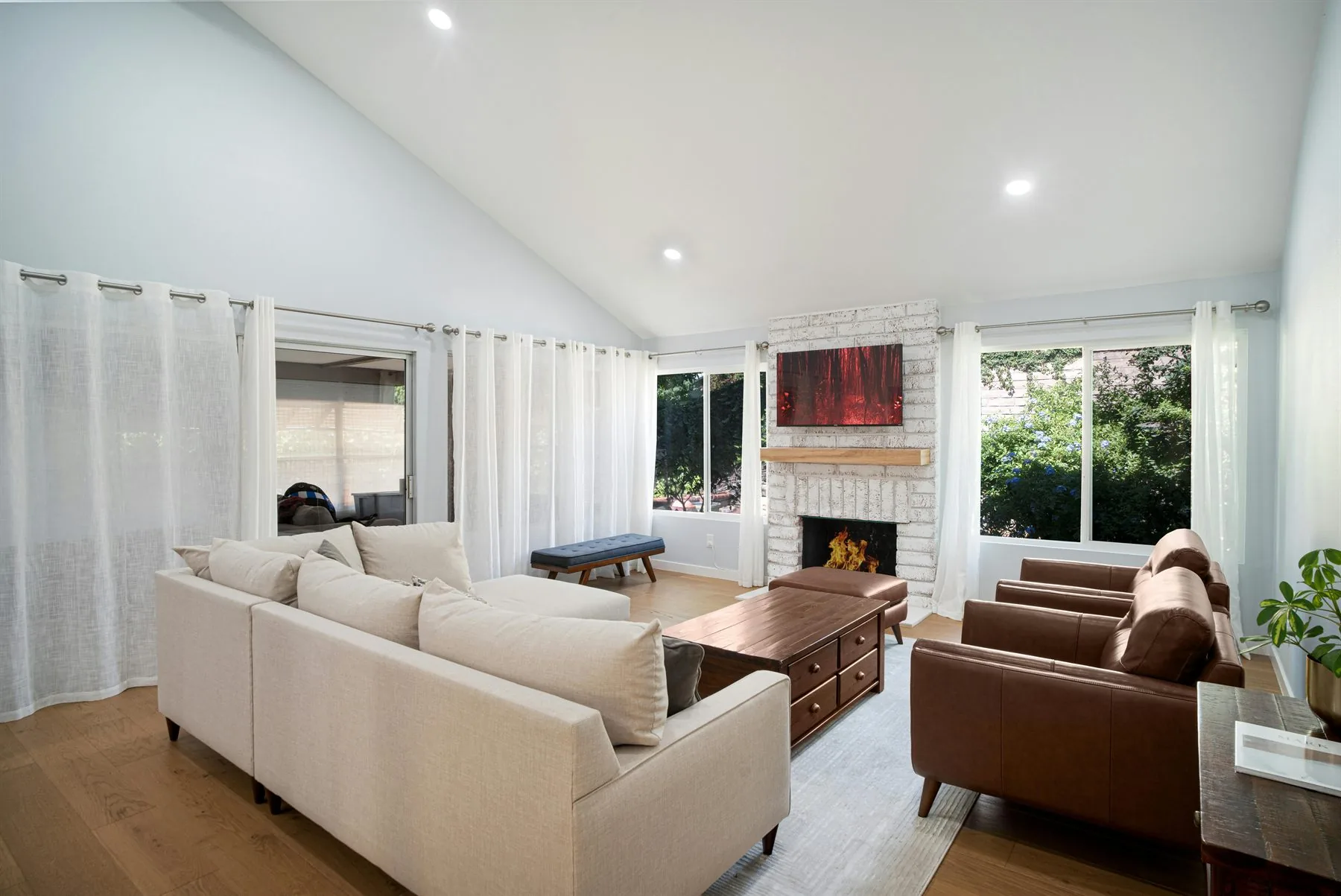
Feng shui inspiration works best when it gives you a room mood you can actually borrow: calmer color, clearer paths, natural texture, warm light, healthy plants, and furniture that lets the home breathe.
The best feng shui inspiration comes from rooms that feel calm, breathable, cared for, and easy
to live in. Look for softer color, natural texture, clear paths, warm light, healthy plants, and
furniture that gives the room enough space to settle.
Inspiration is useful when it gives you a feeling to aim for and enough visual clues to recreate
that feeling in your own home.
Instead of copying every object, borrow the larger pattern: the color family, the amount of open
floor, the way light lands in the room, the balance of wood and fabric, and the few details that
make the space feel personal without becoming crowded.
What Good Feng Shui Inspiration Looks Like
These five signals show up in the strongest rooms.
1
A quieter color family
Warm neutrals, muted greens, clay accents, and softer blue-green tones create a calmer base.
2
Natural texture
Wood, woven detail, linen, stone, and clay help the room feel grounded and believable.
3
Visual breathing room
The room feels edited, not overfilled. Empty space helps the good details register.
4
Layered light
Daylight, lamp light, and softer evening glow do more than one harsh overhead source.
5
Objects that belong
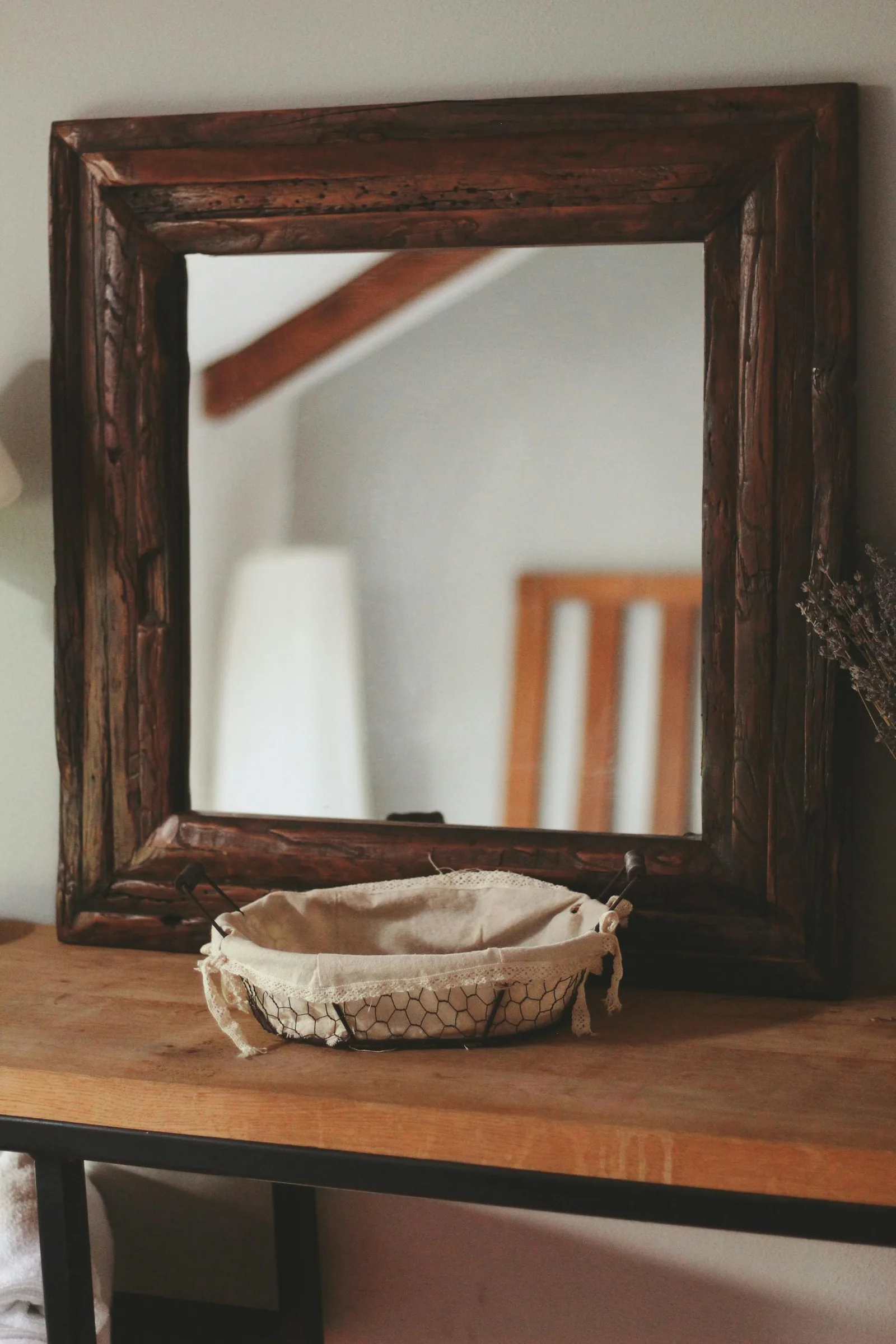
Plants, art, trays, mirrors, and decor are chosen to suit the room rather than prove a theme.
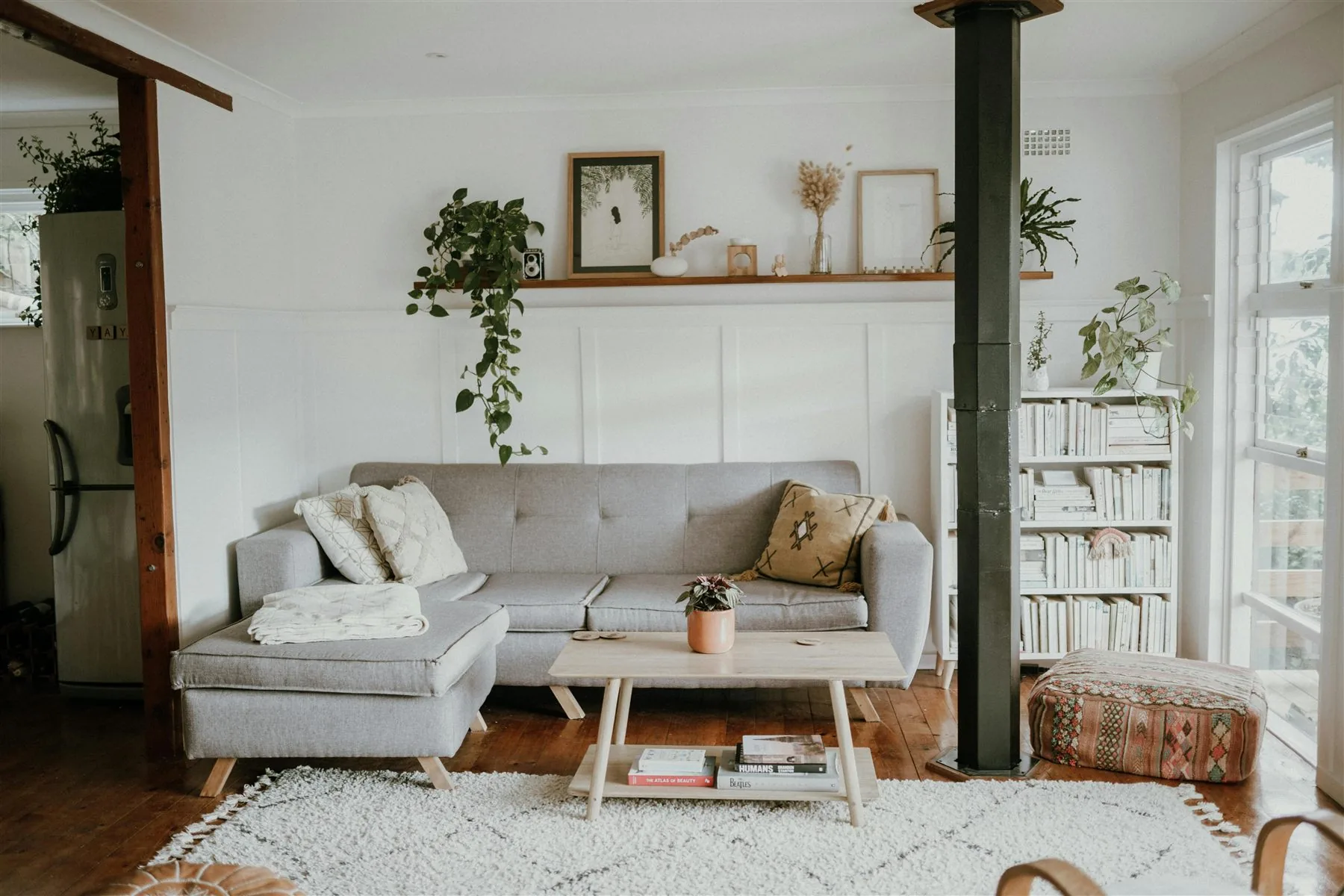
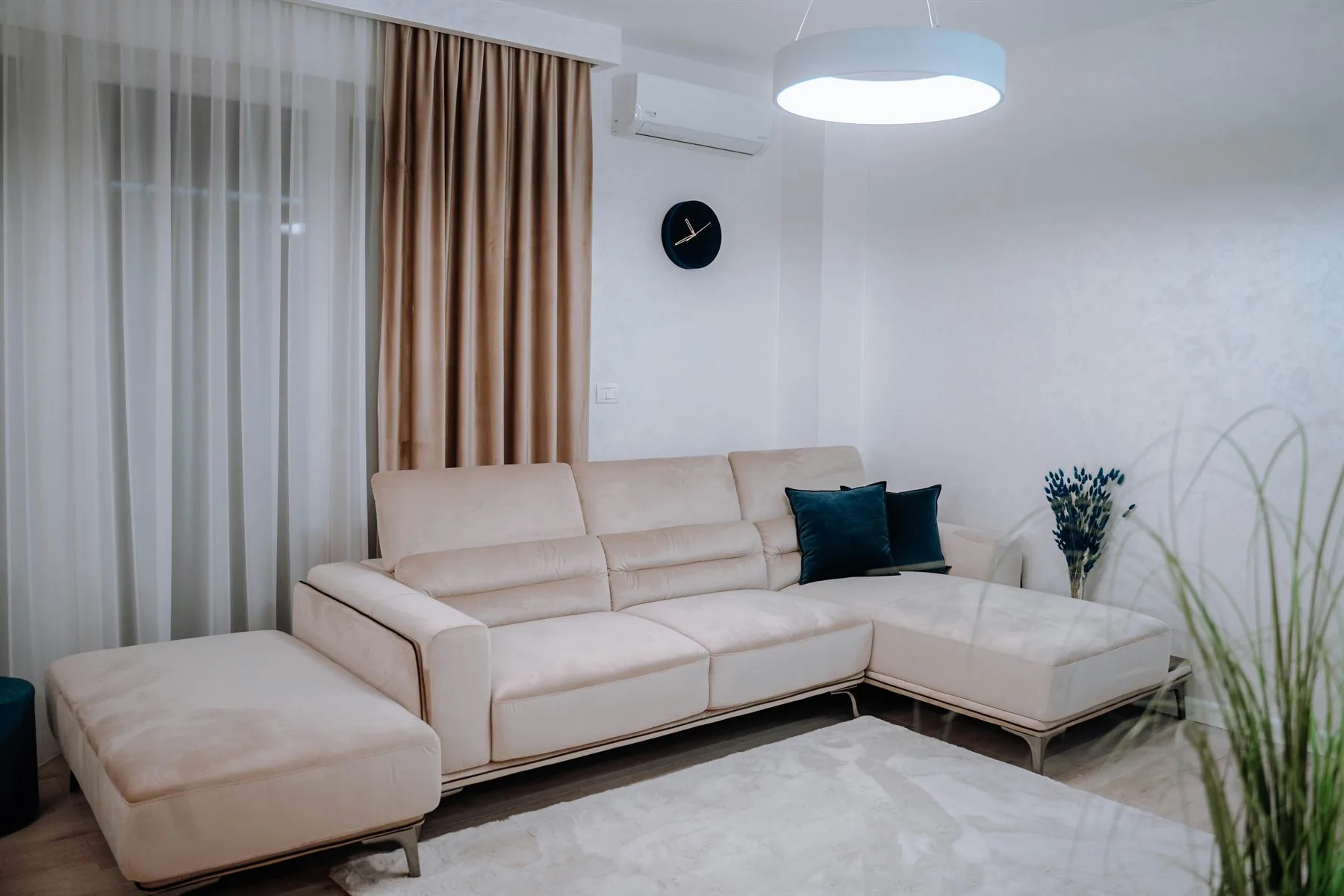
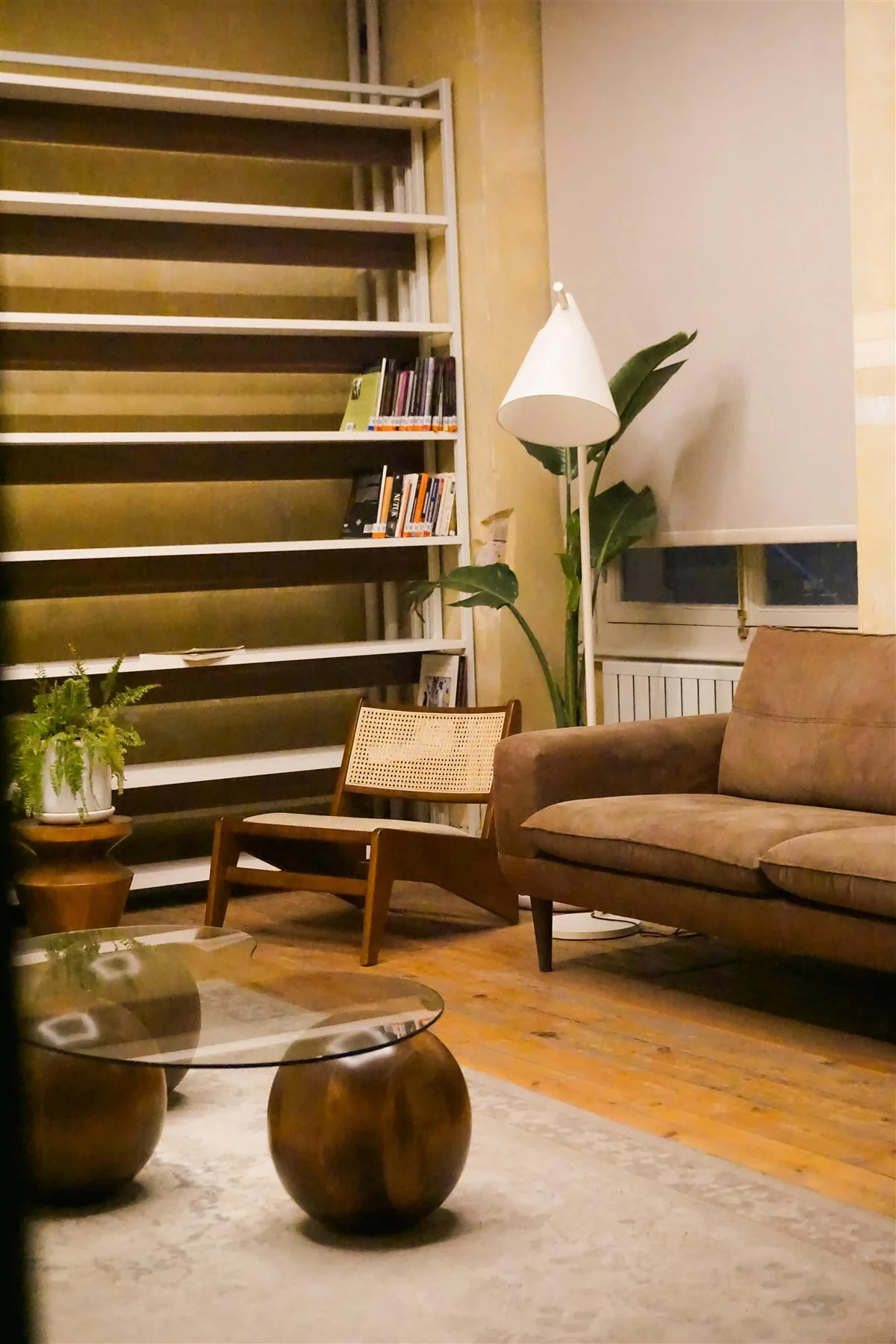
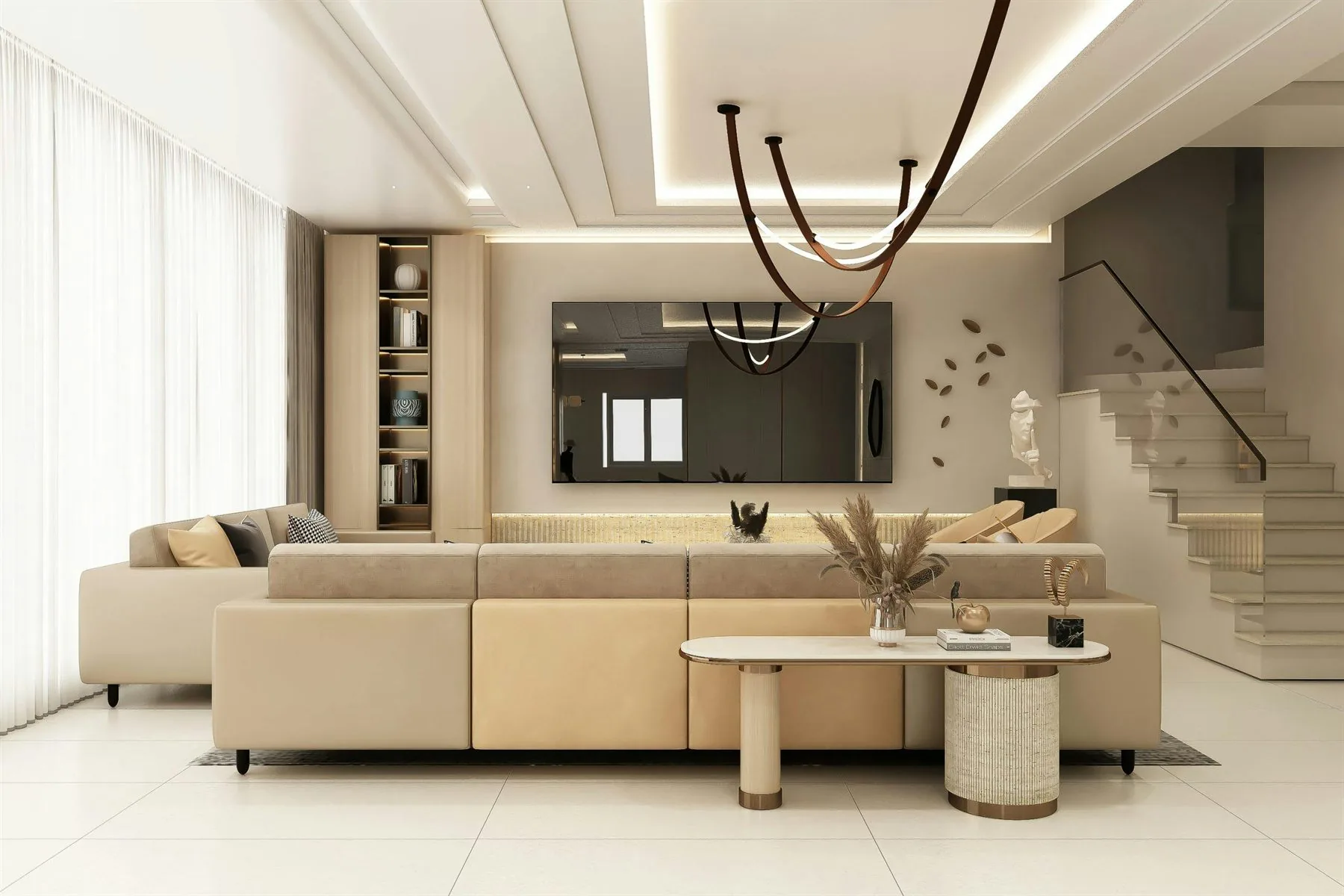
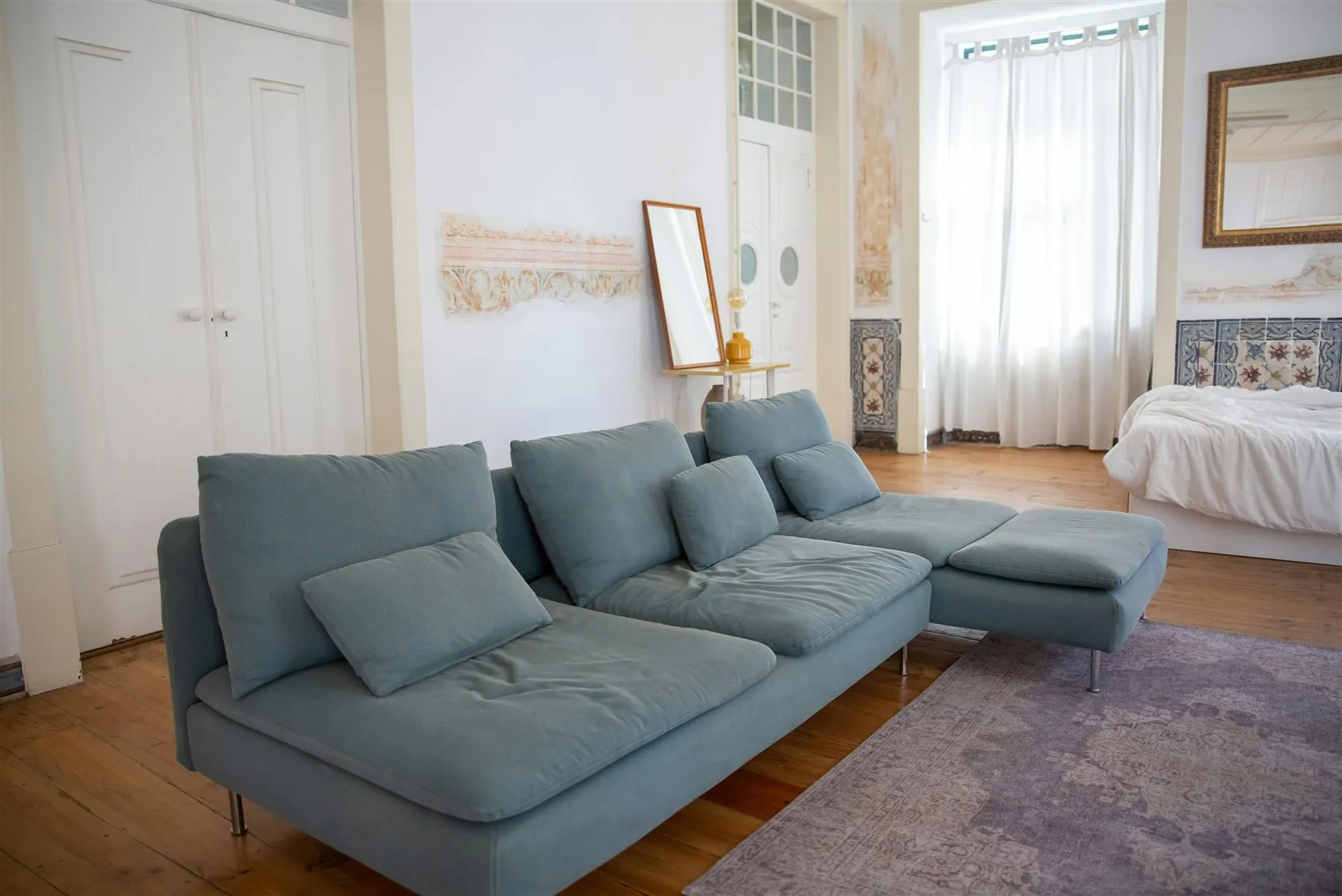
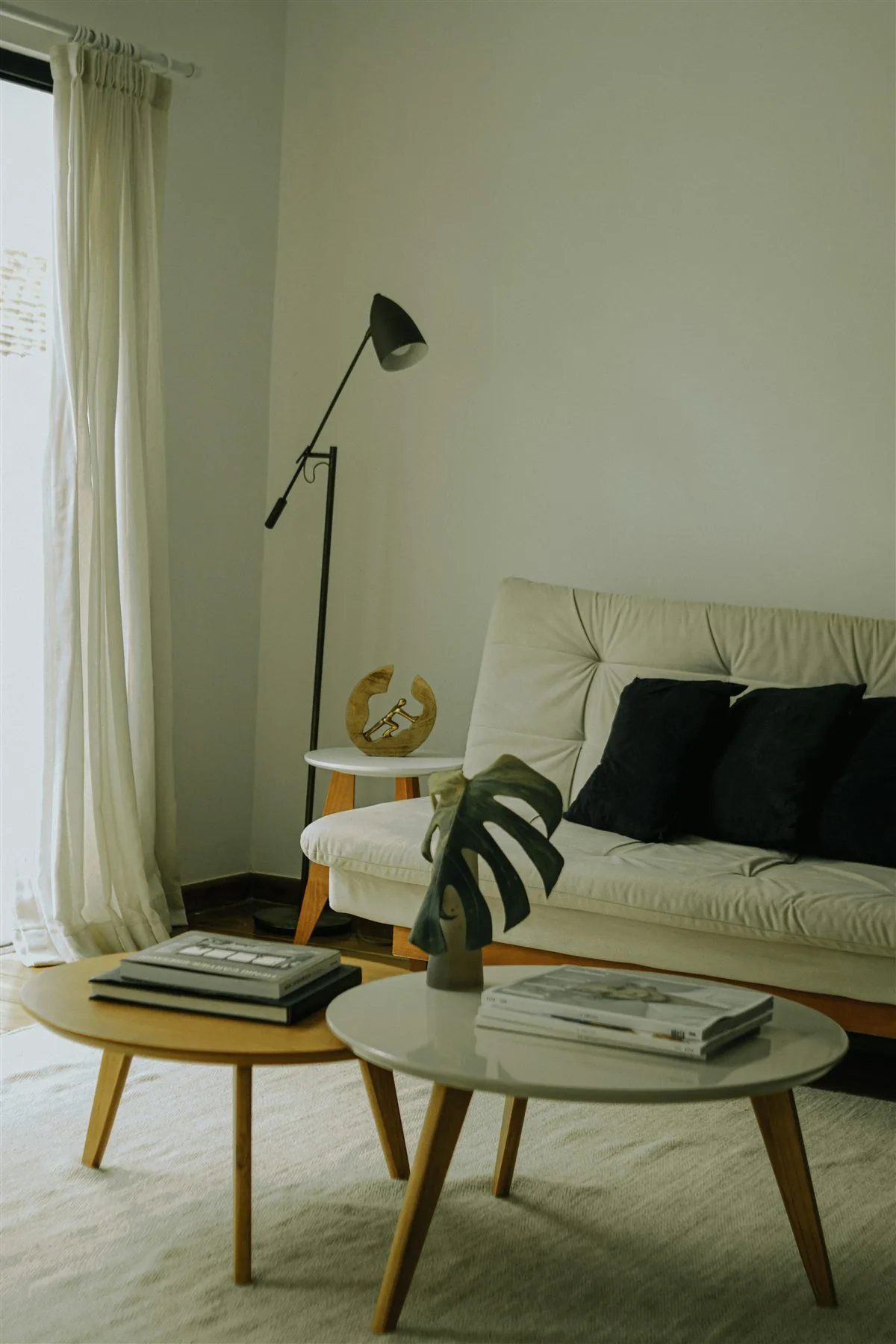
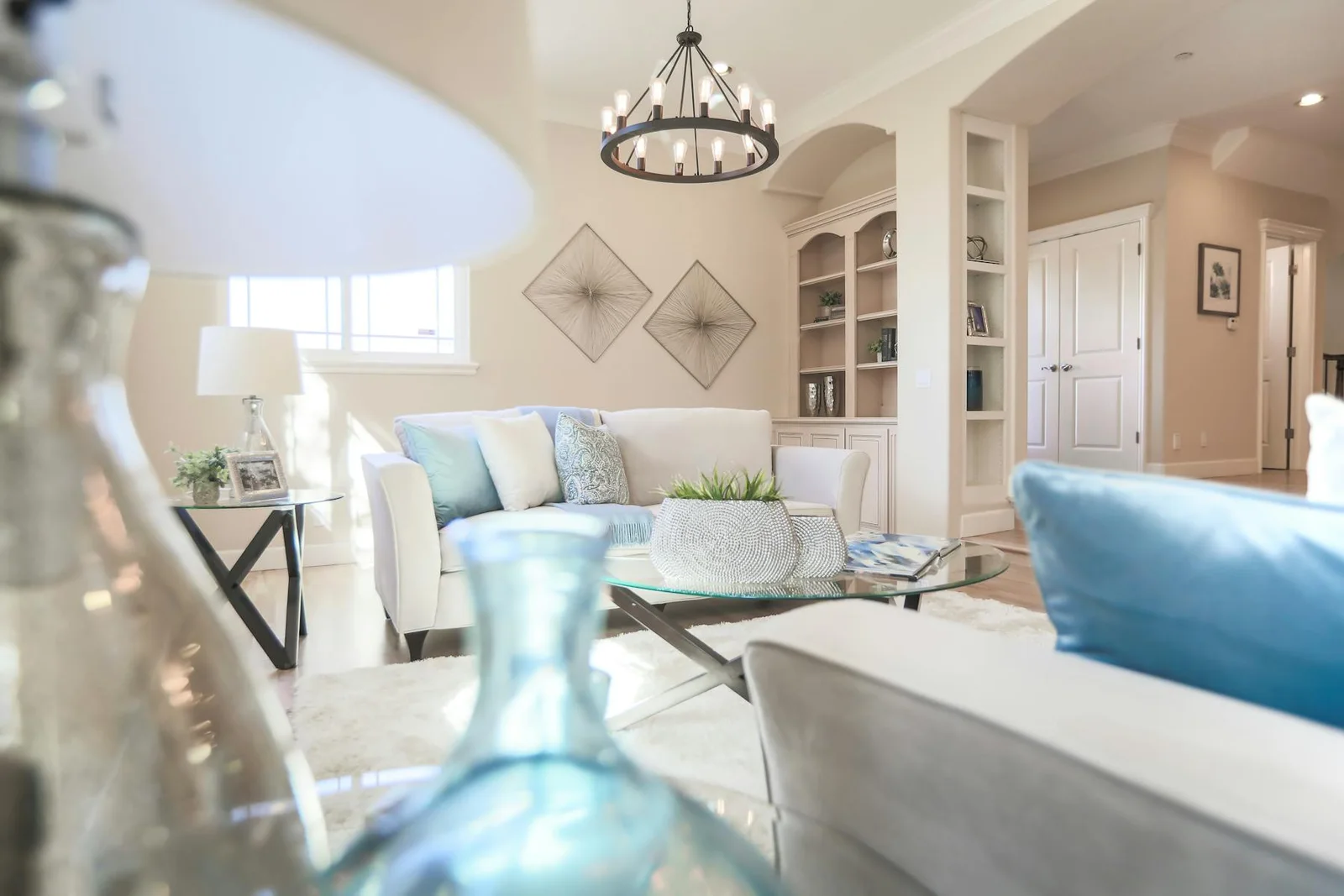
This is the kind of living room people save because it feels easy to imagine living in, not just photographing.
Feng Shui Inspiration by Mood
A saved room becomes more useful when you can name the feeling it gives you. Start with the mood,
then choose the color, material, and layout moves that support it.
Scroll sideways to compare all columns.
Mood to borrow
What to notice
Best room fit
Calm and airy
Pale upholstery, open walkways, softer contrast, and fewer small objects.
Living room, bedroom, one-room apartment
Grounded and warm
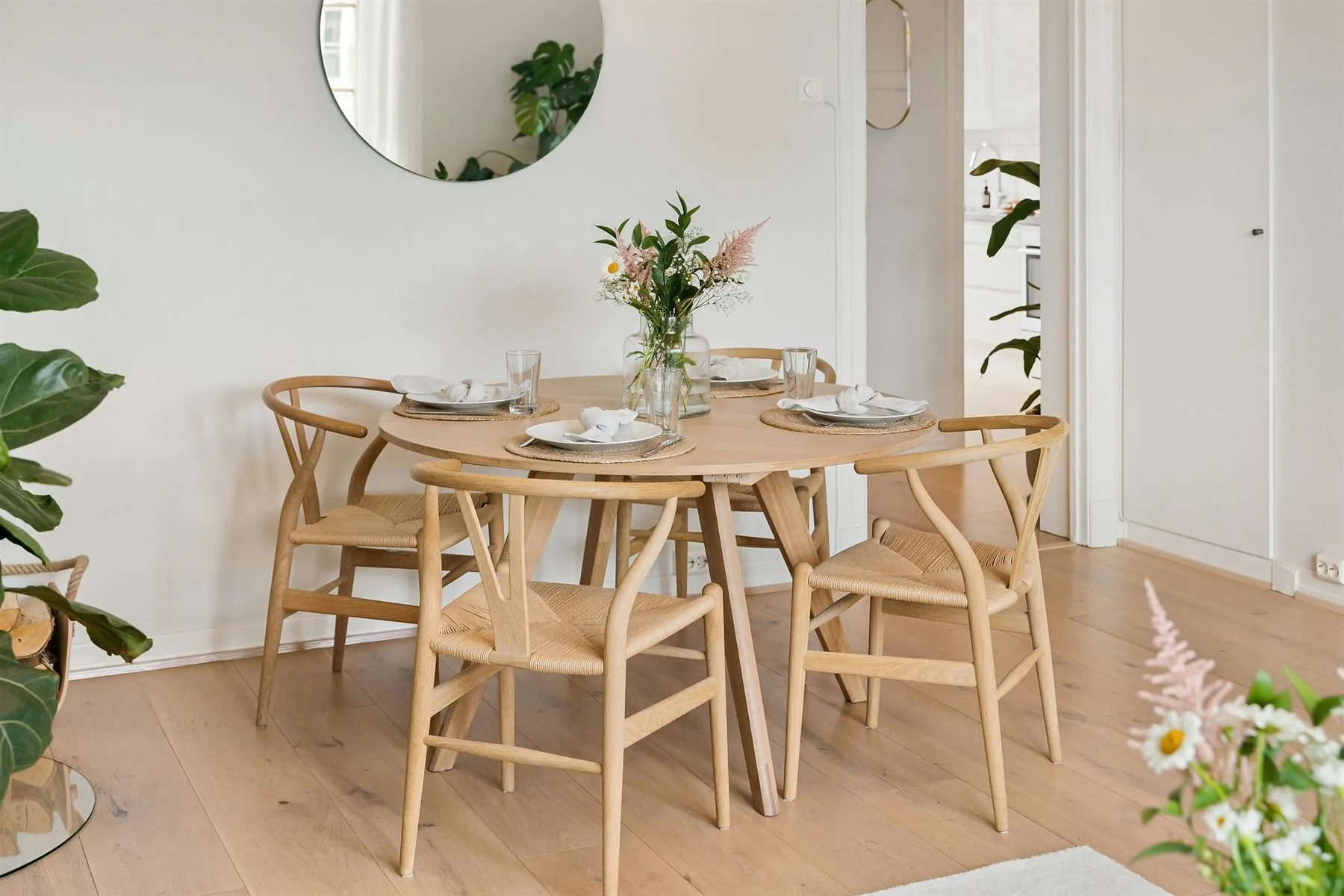
Wood, clay, woven texture, warm white walls, and lamp light.
Entryway, dining room, kitchen, reading corner
Fresh and alive
Healthy plants, clean windows, botanical art, and natural green accents.
Living room, bathroom, office, front door
Restful and protected
Balanced bedside styling, softer bedding, less visual pressure near the bed.
Bedroom, nursery, guest room
Room-by-Room Feng Shui Inspiration Gallery
Living Room Inspiration
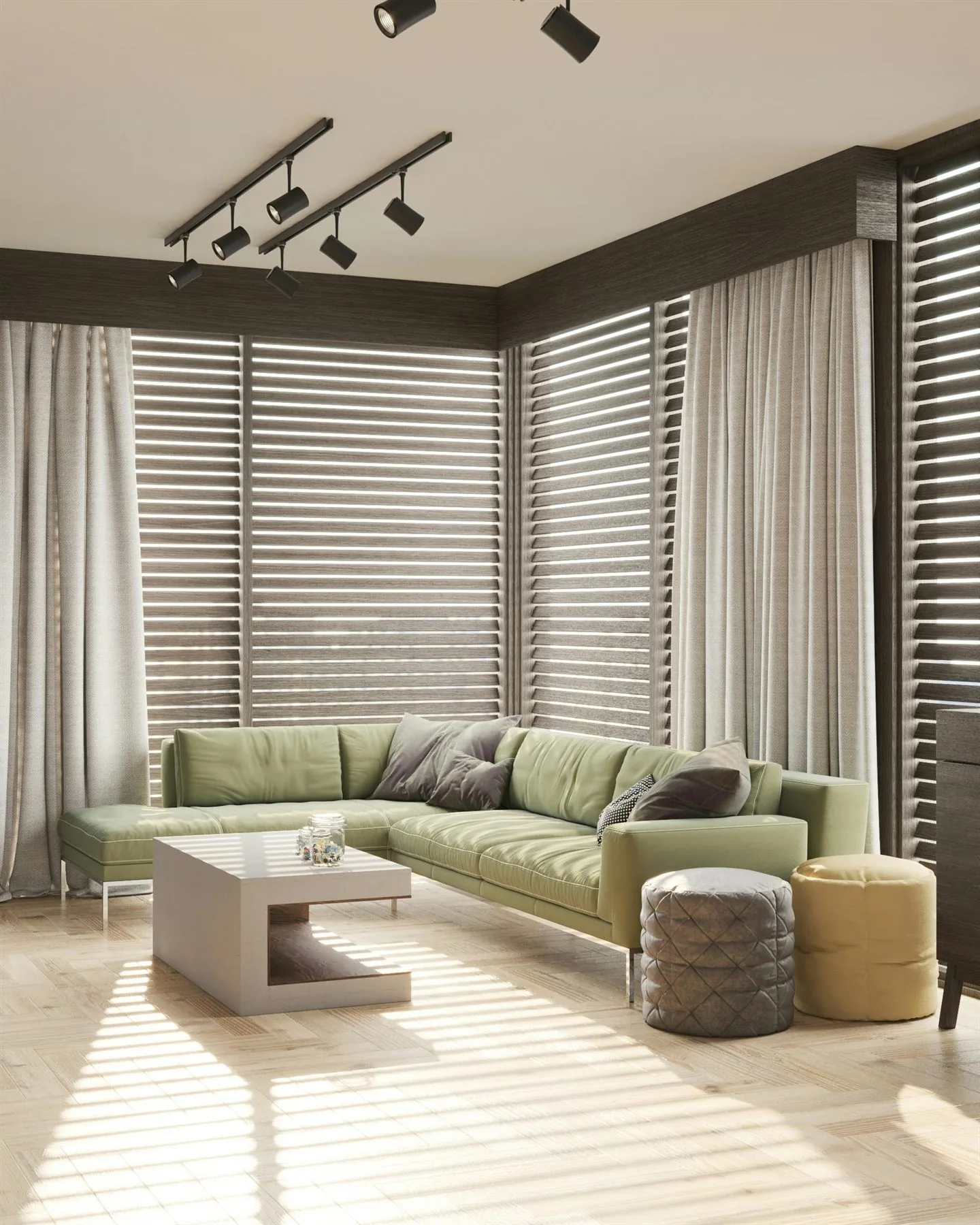
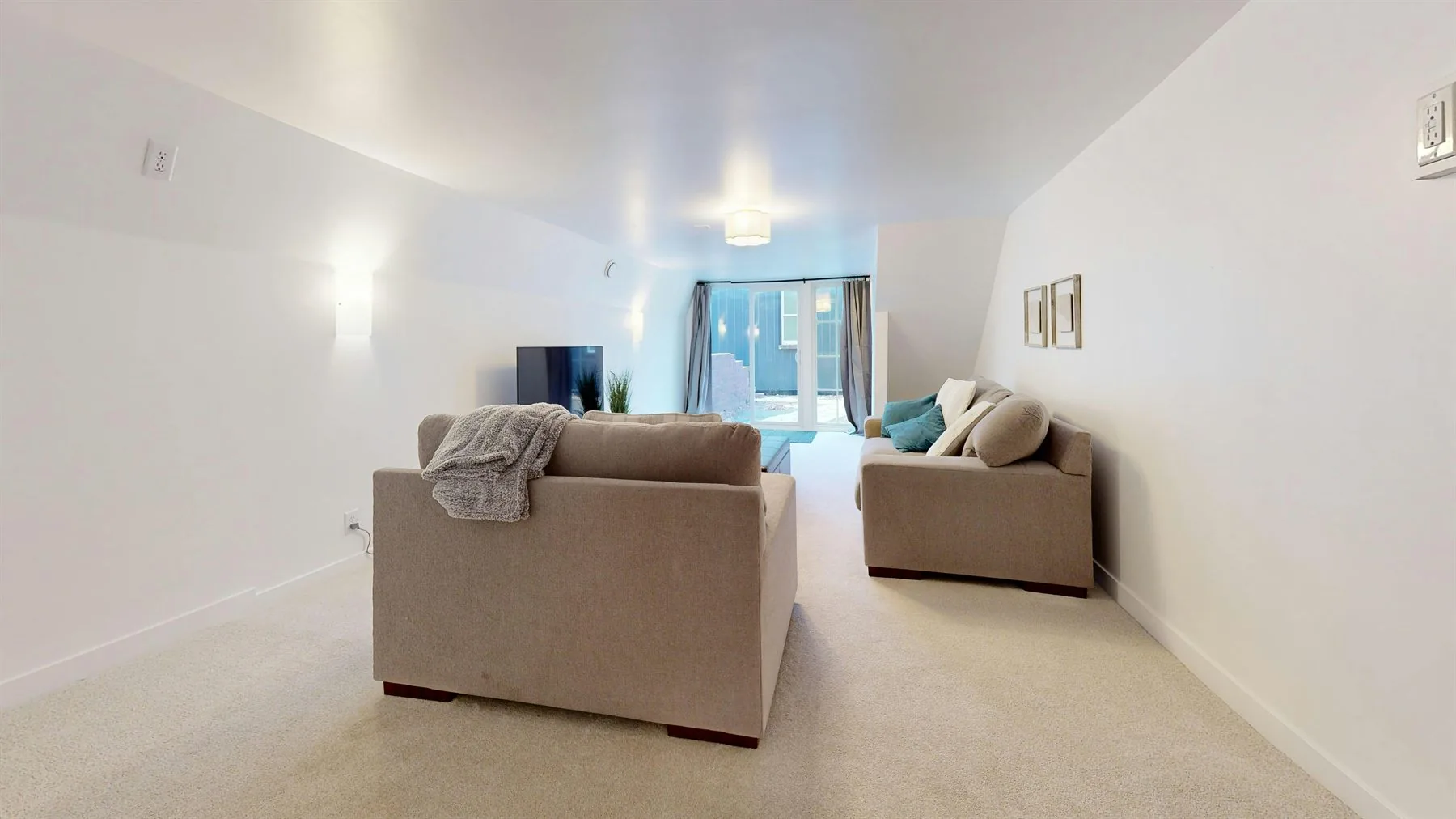
Living room inspiration should show comfort, conversation, and clear movement. The best examples
make seating feel anchored without blocking the room.
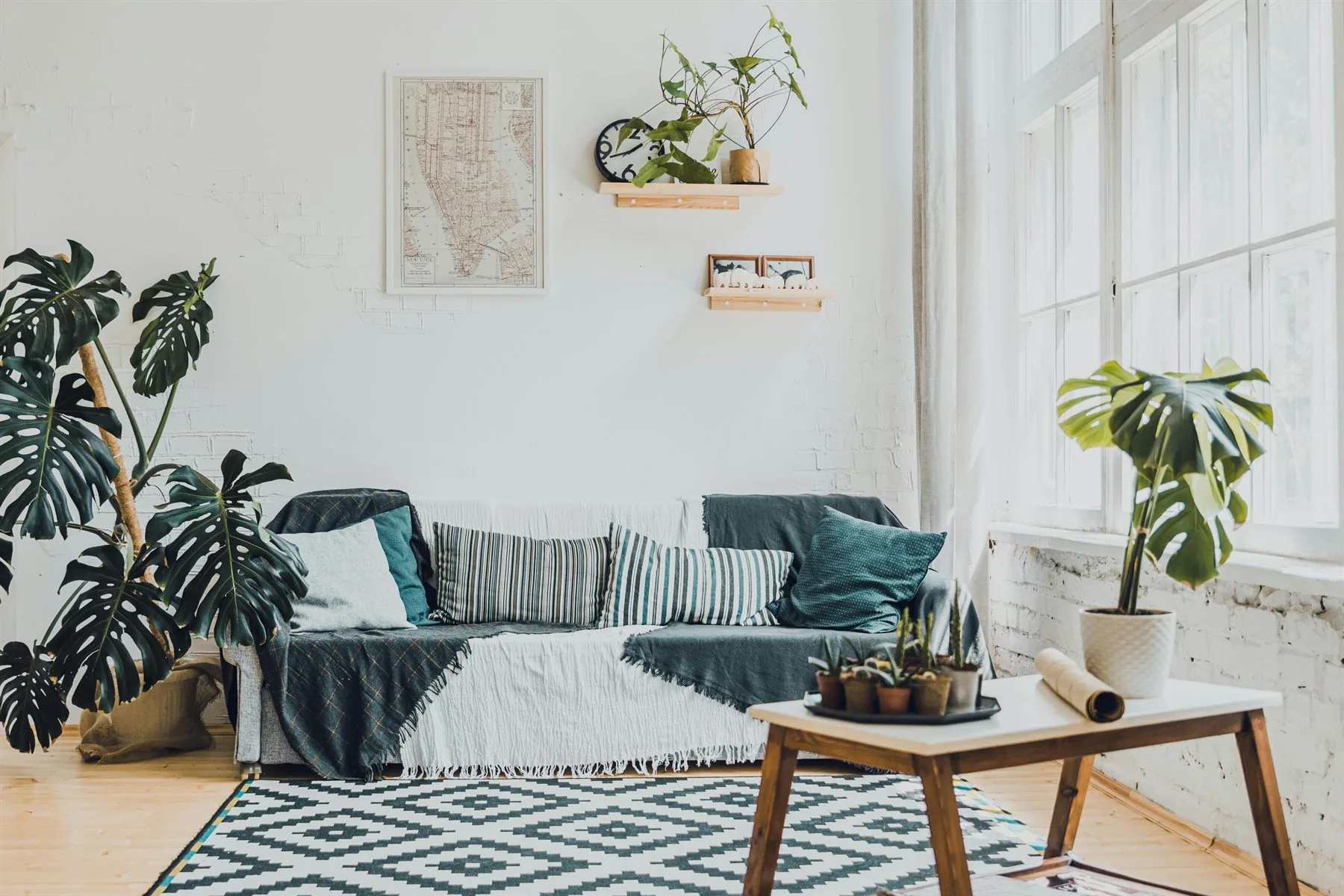
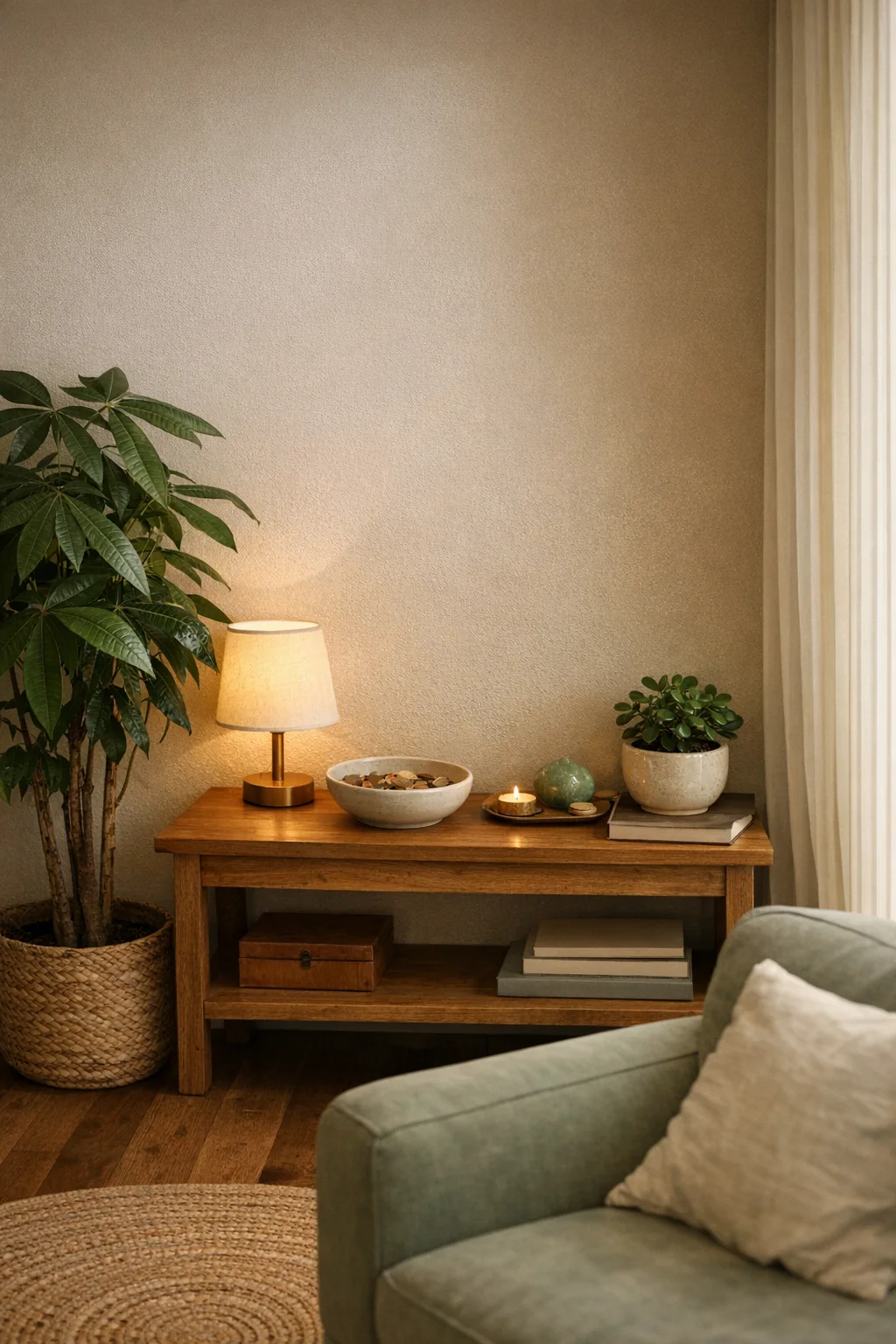
Wood shelving, warm upholstery, and one lamp can carry more mood than a room full of smaller decorative fixes.
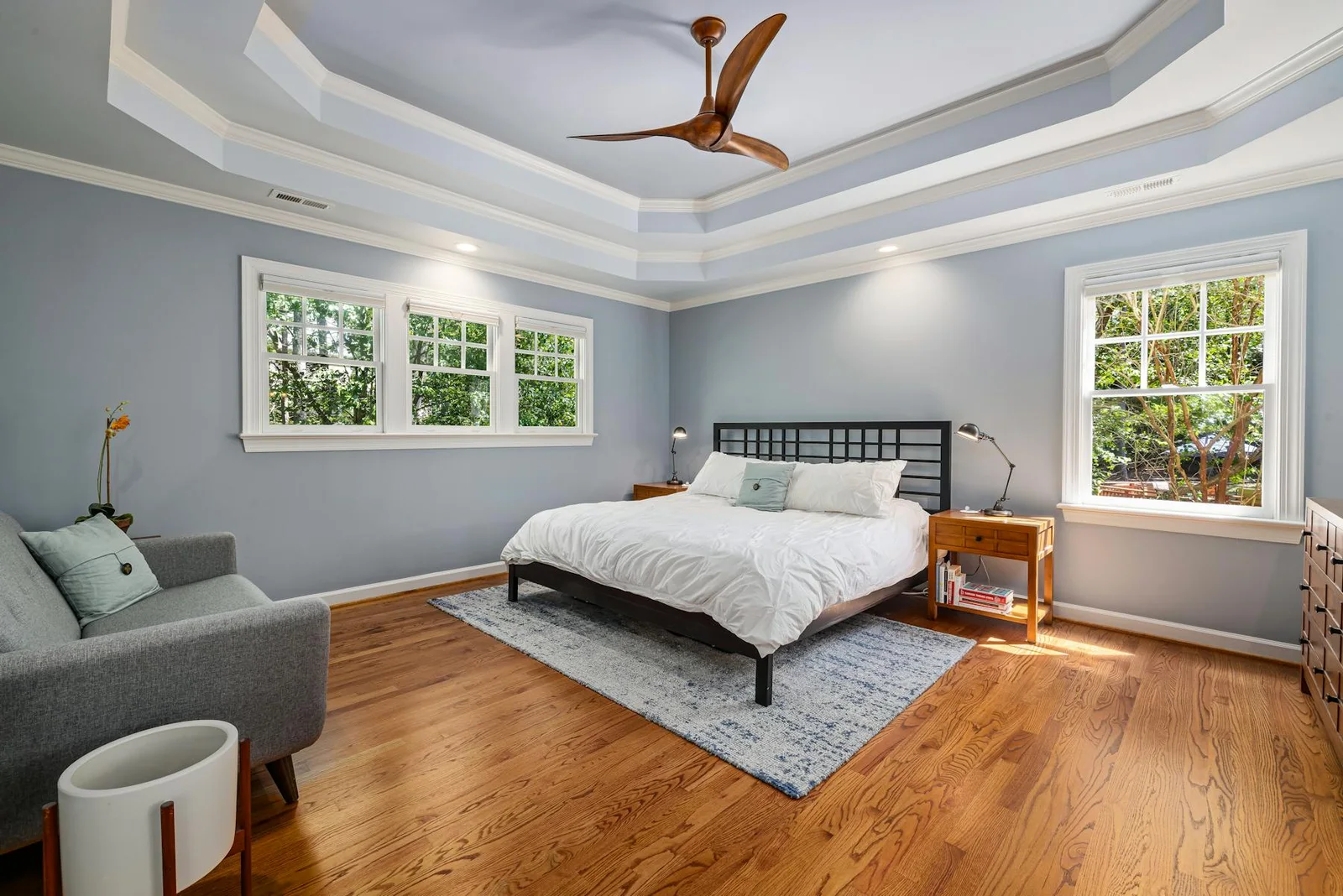
Bedroom Inspiration
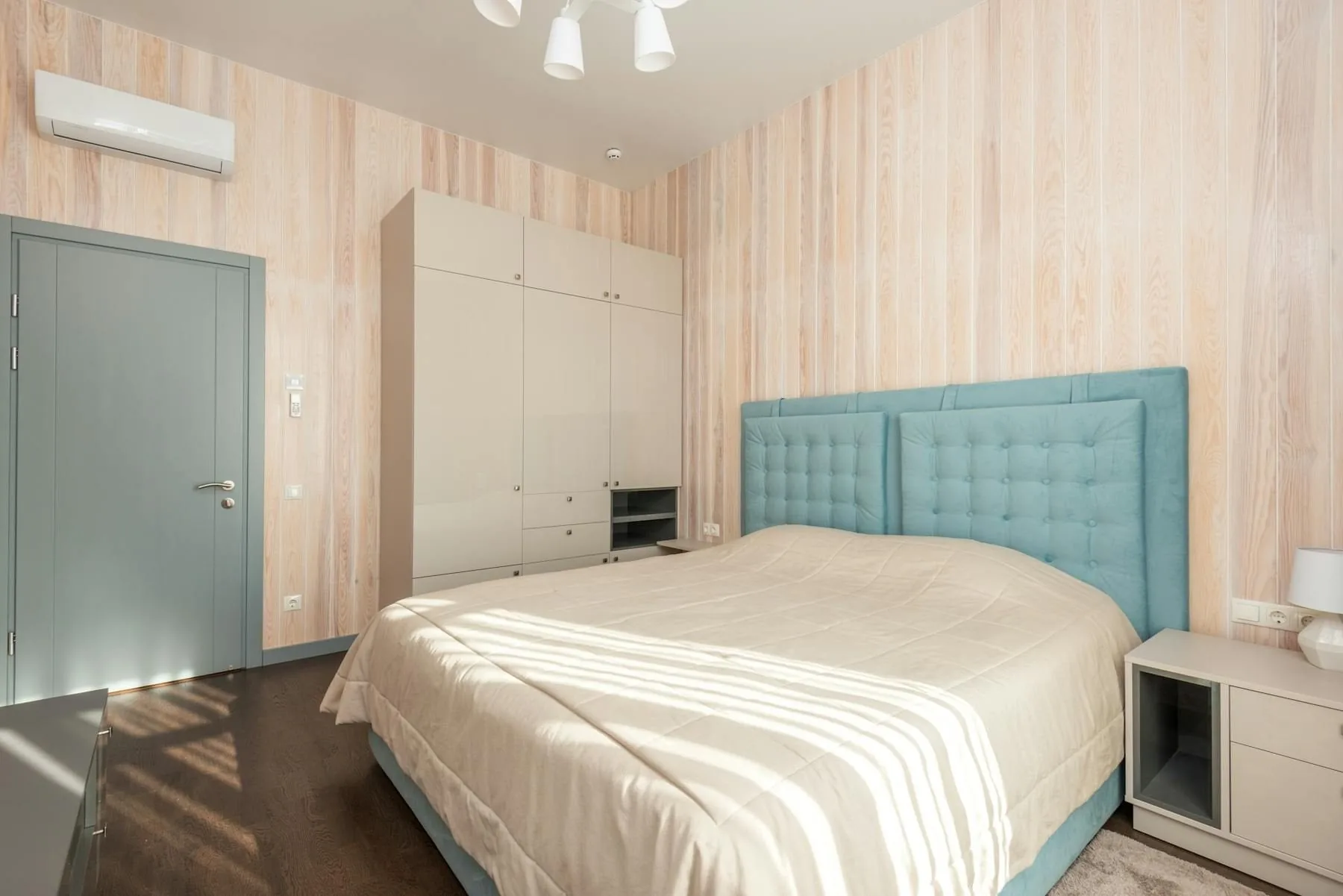
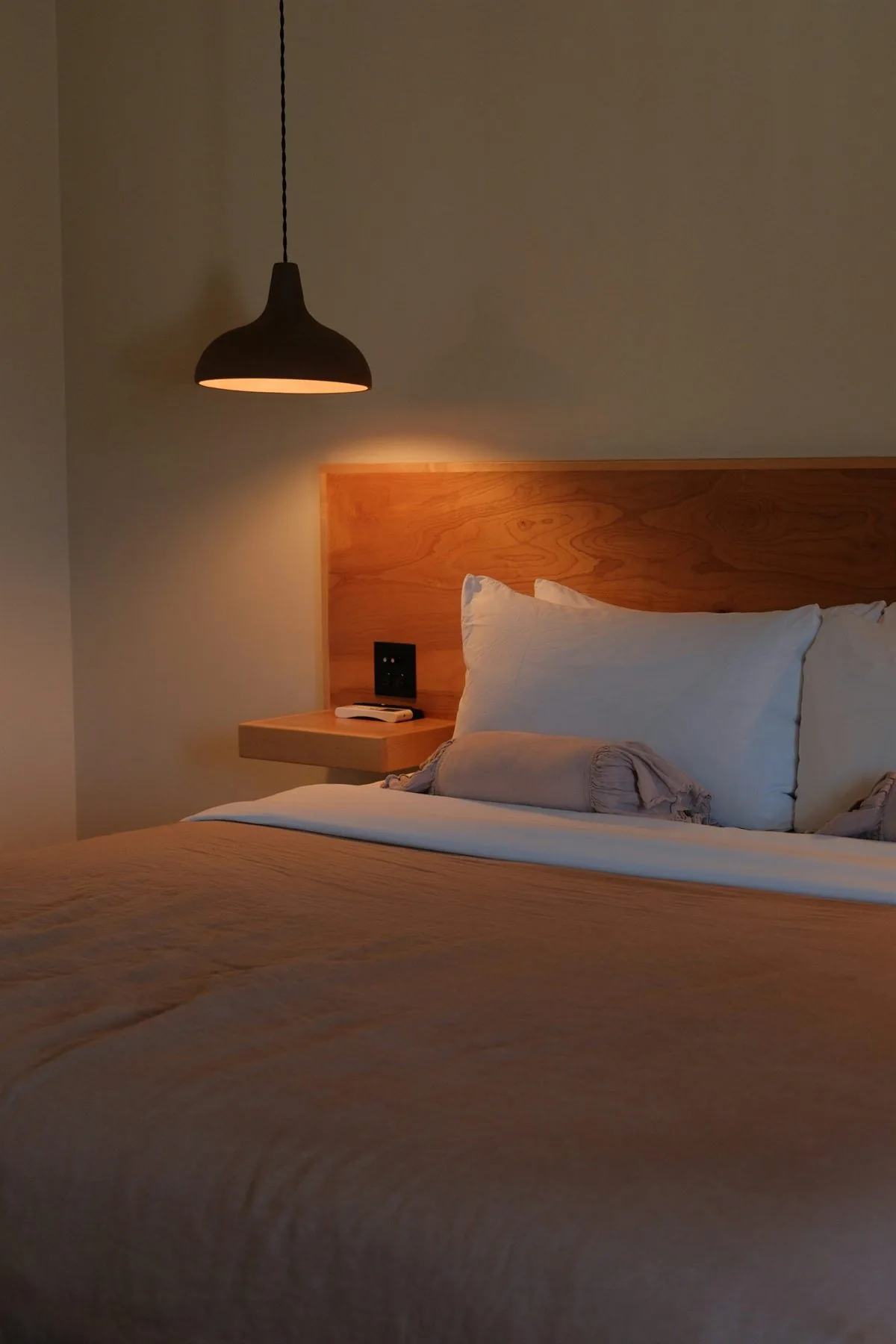
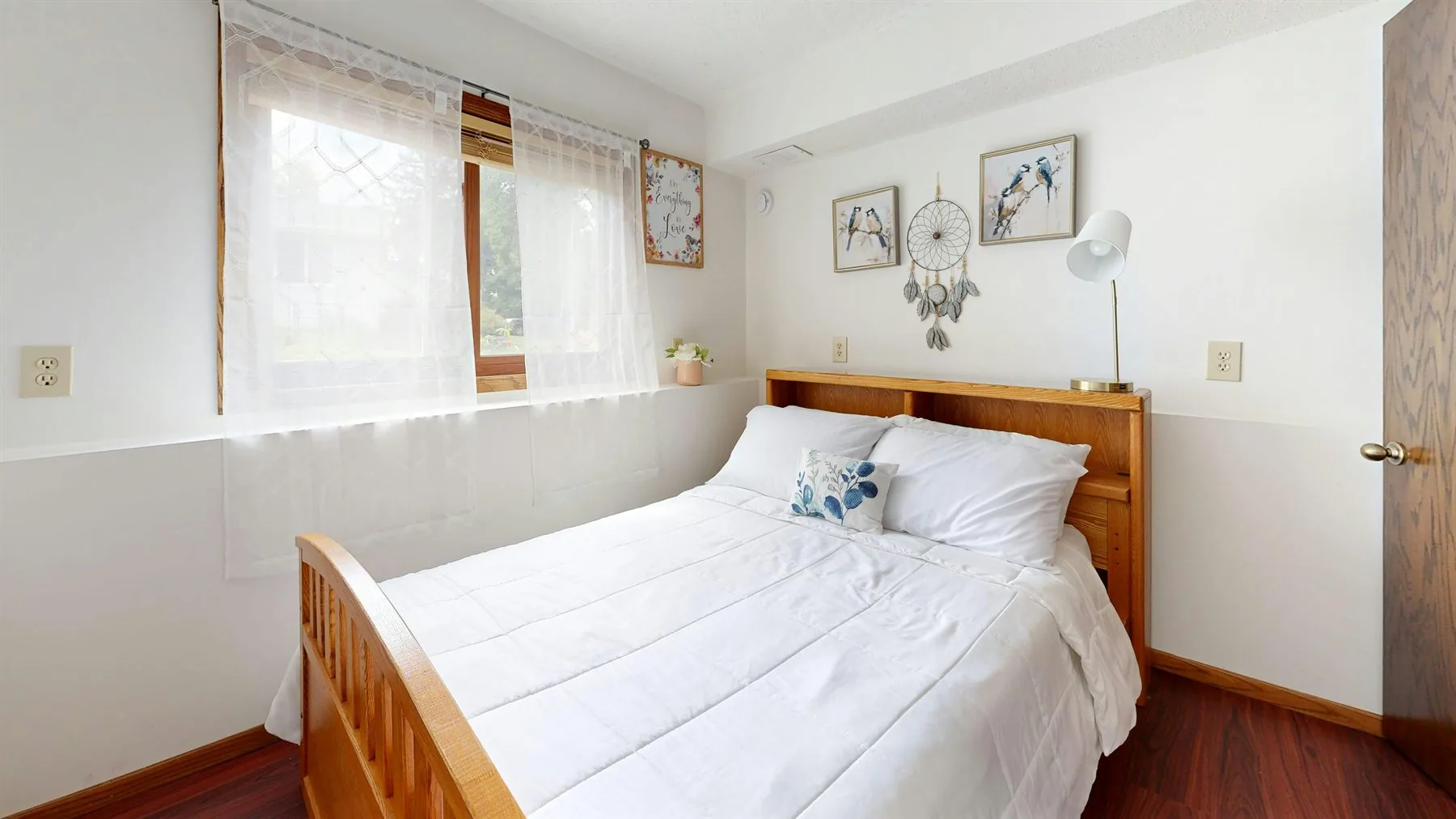
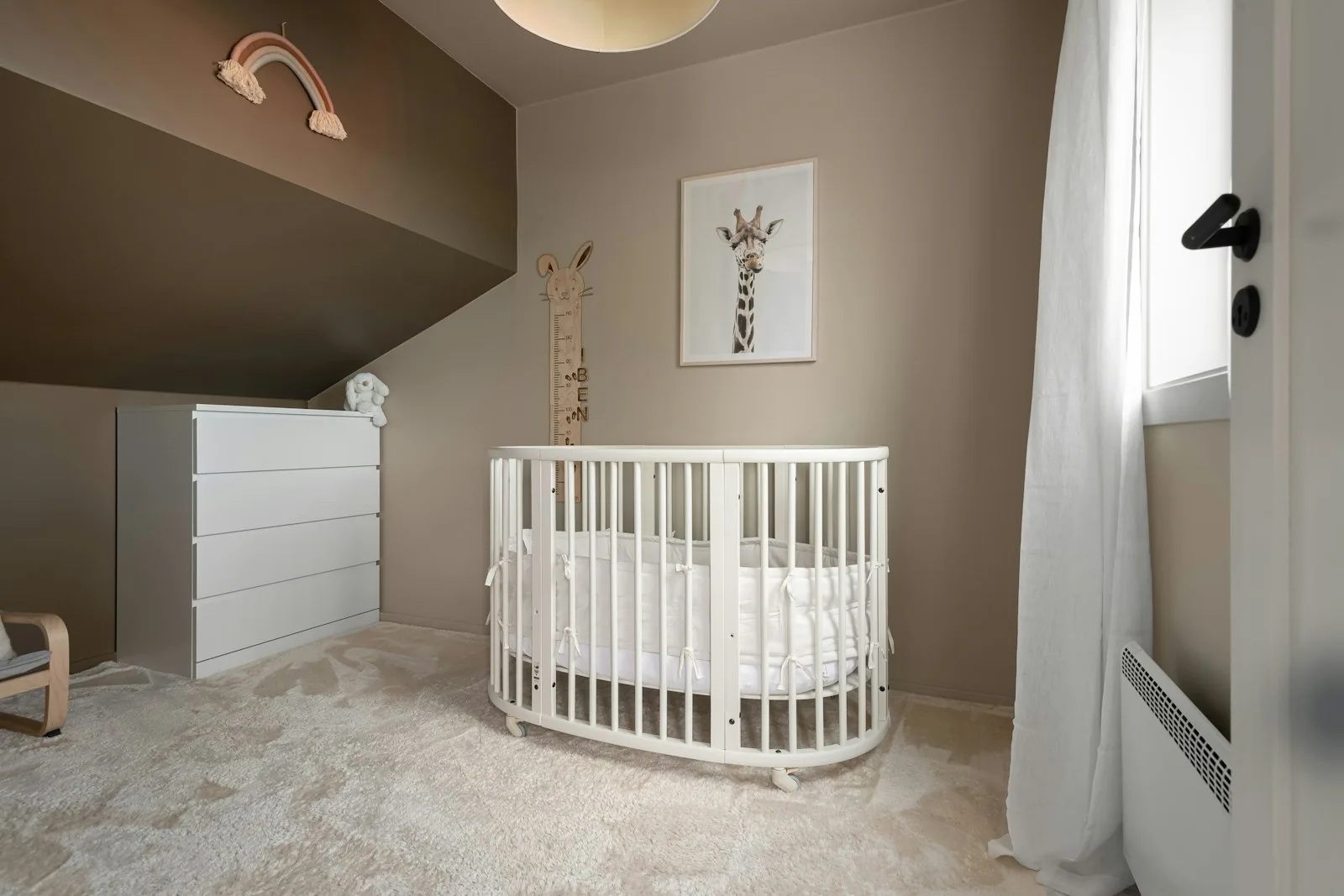
Bedroom inspiration should feel quieter than the rest of the home. Look for a protected bed,
softer edges, warm light, and fewer objects competing for attention.
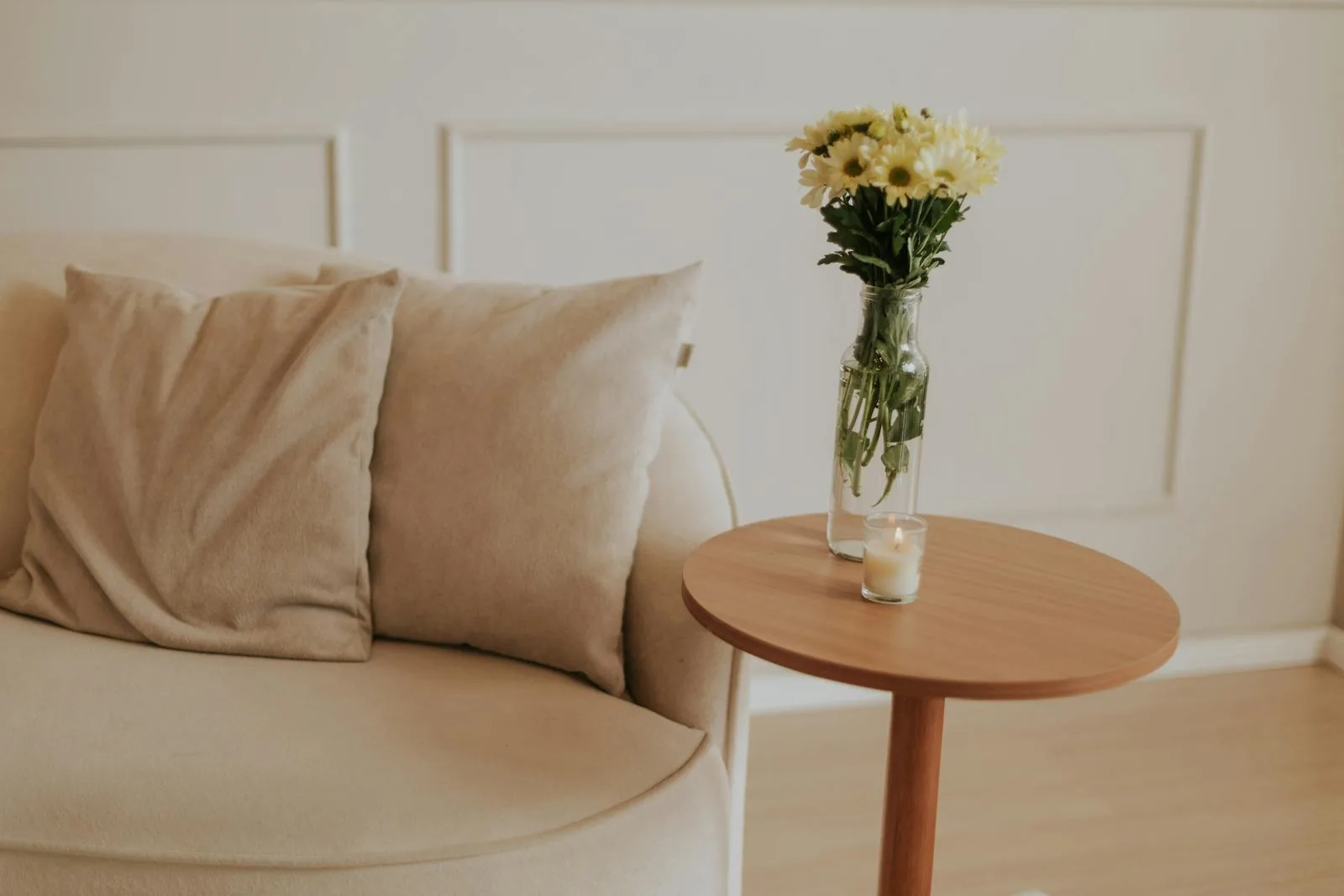
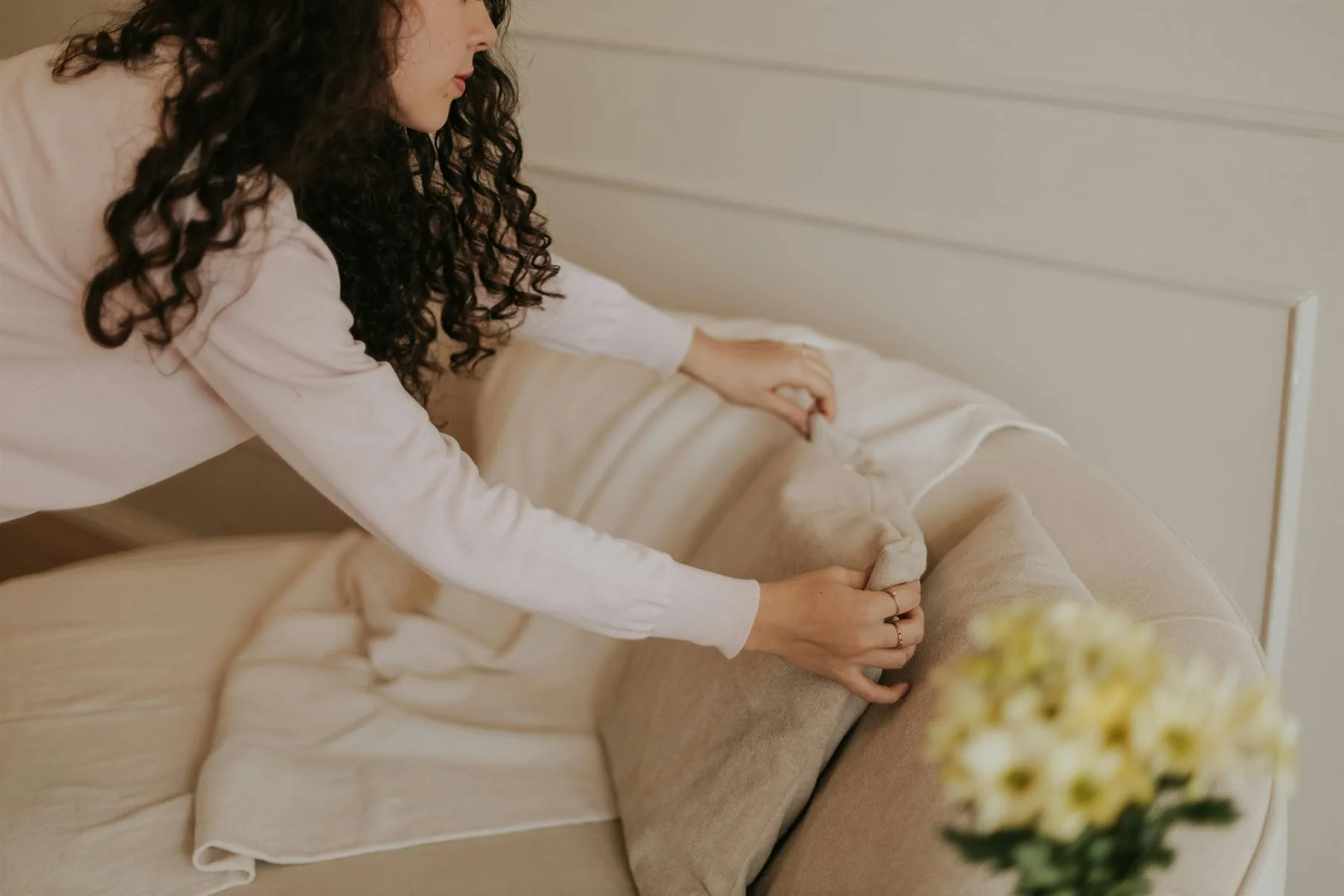
Small bedroom details work when they support the room's softness instead of adding visual pressure.
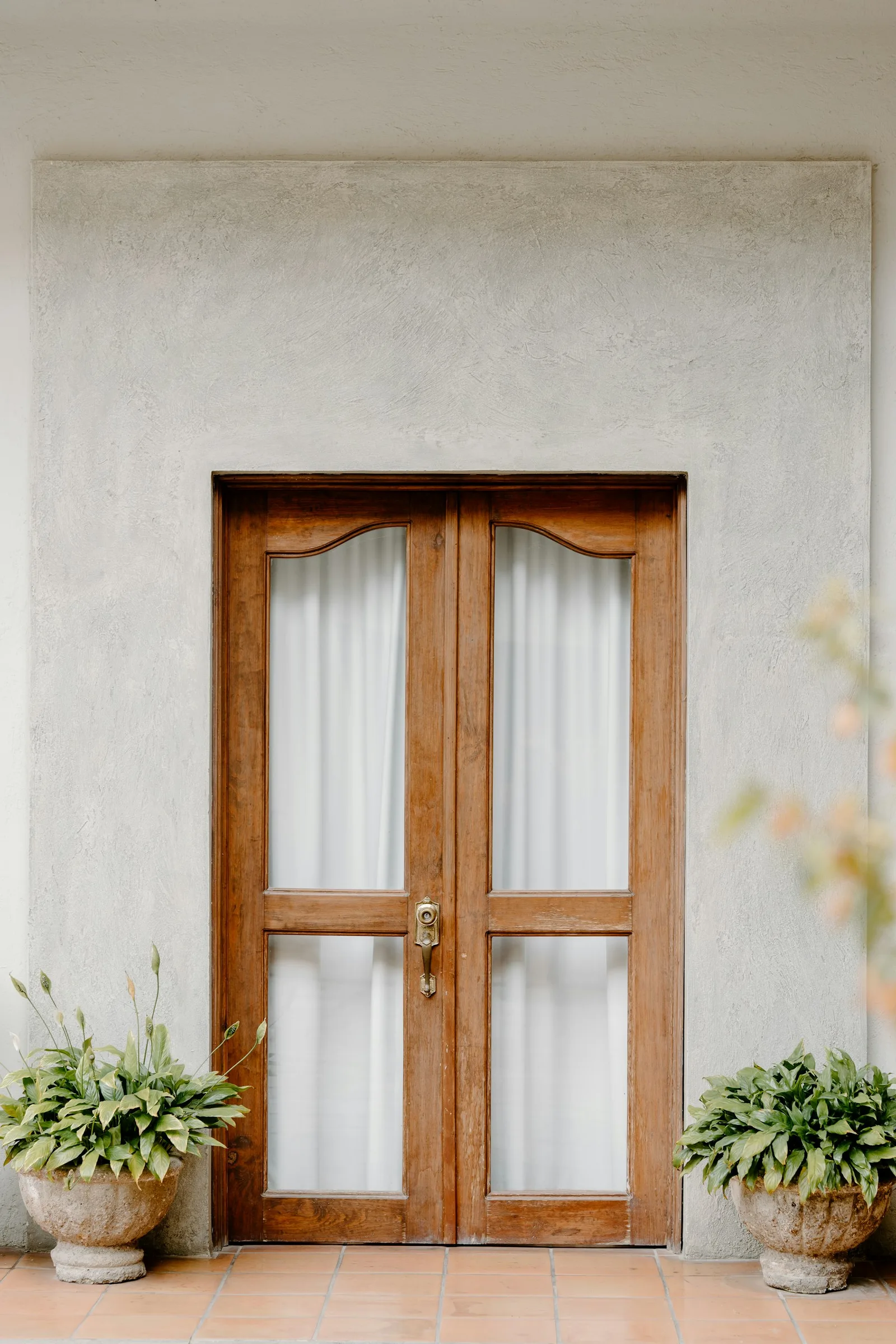
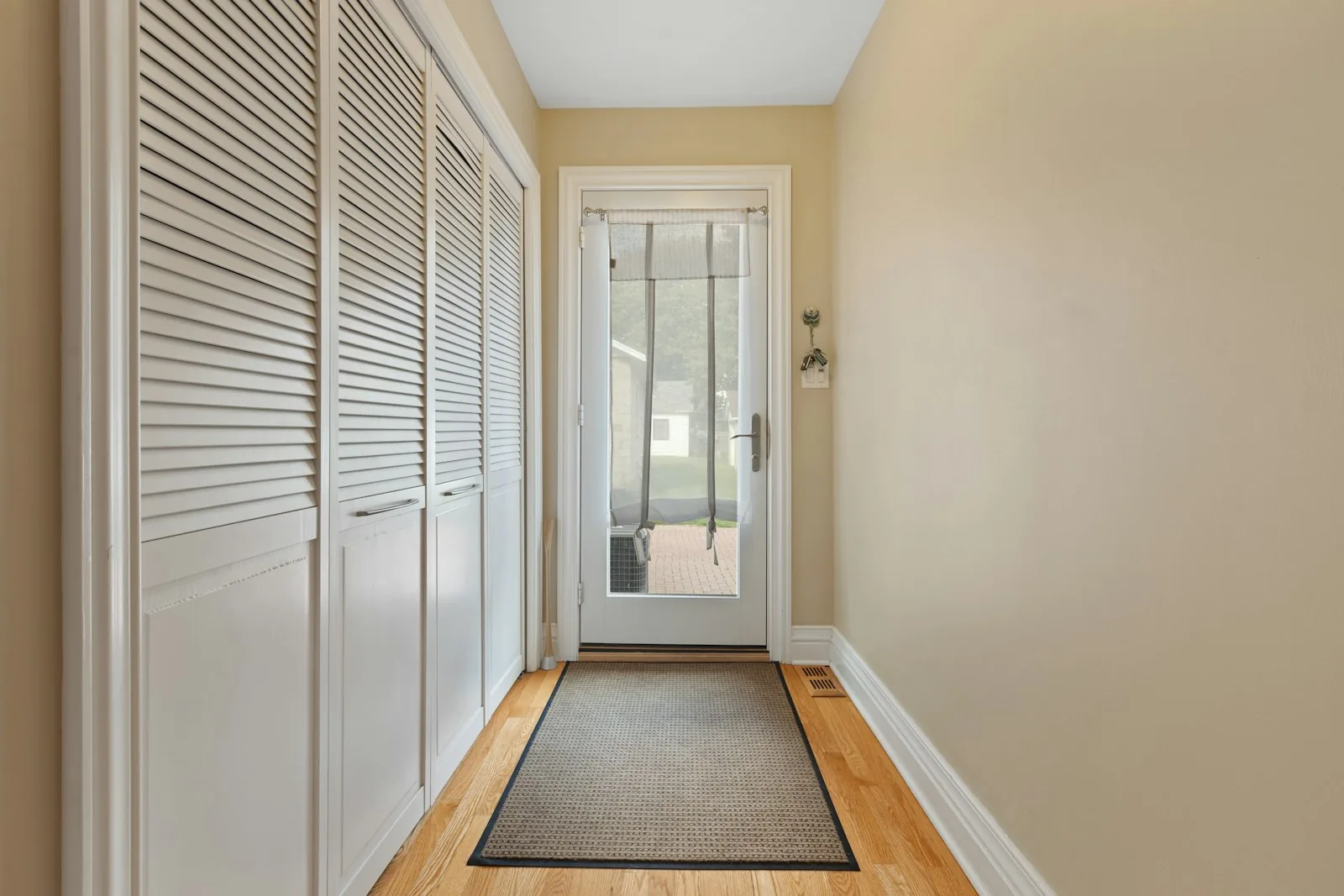
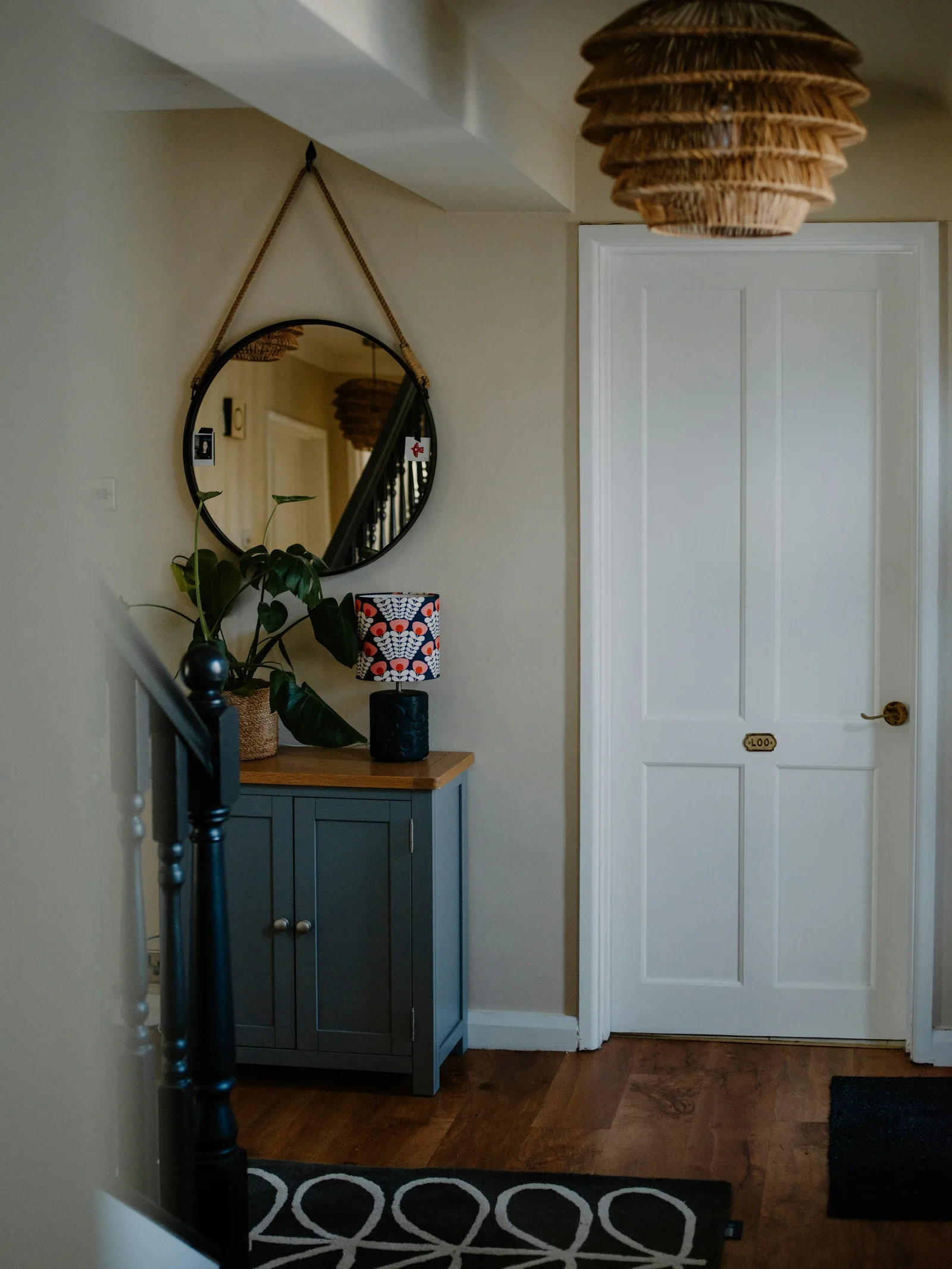
Entryway and Front Door Inspiration
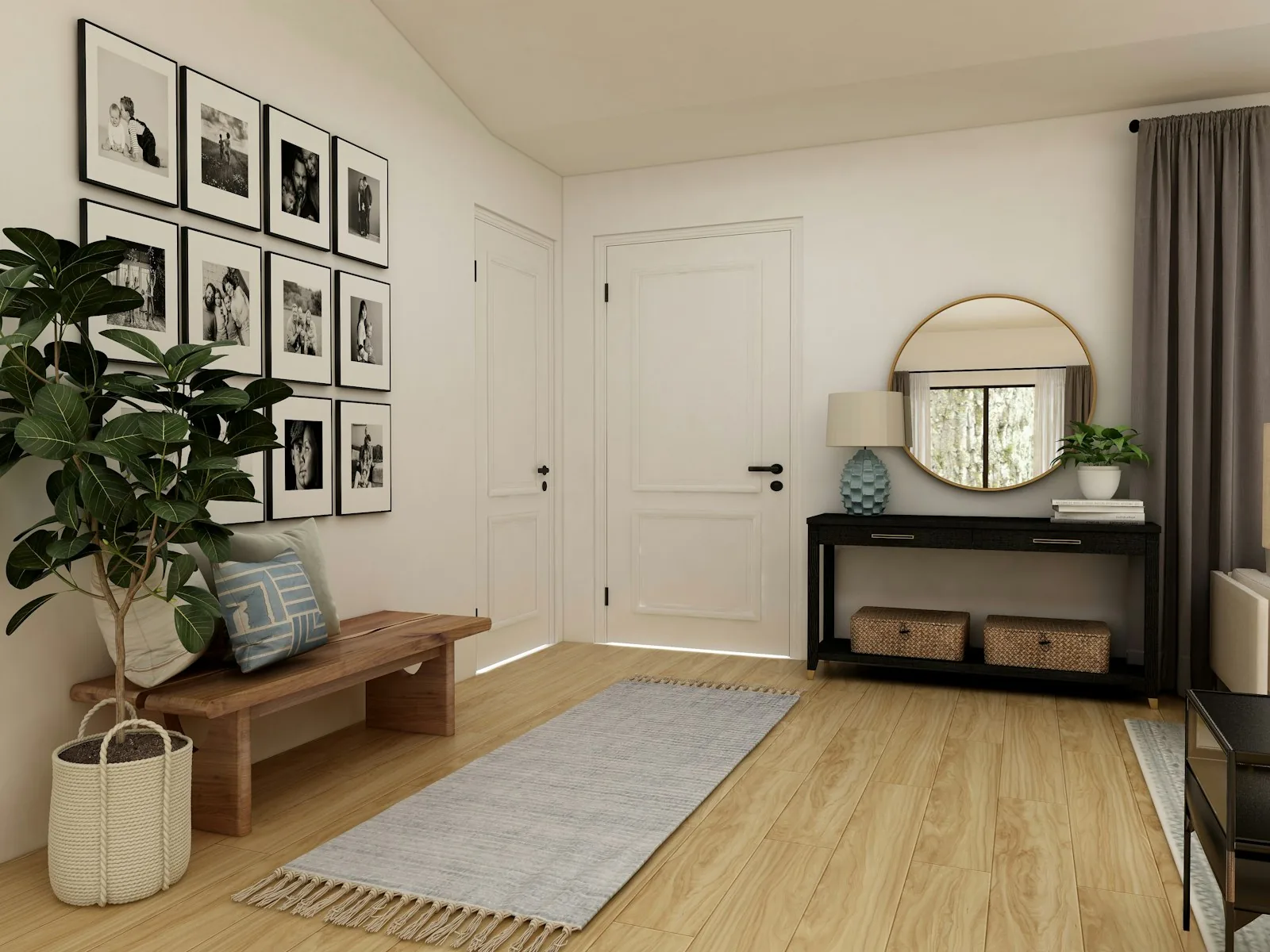
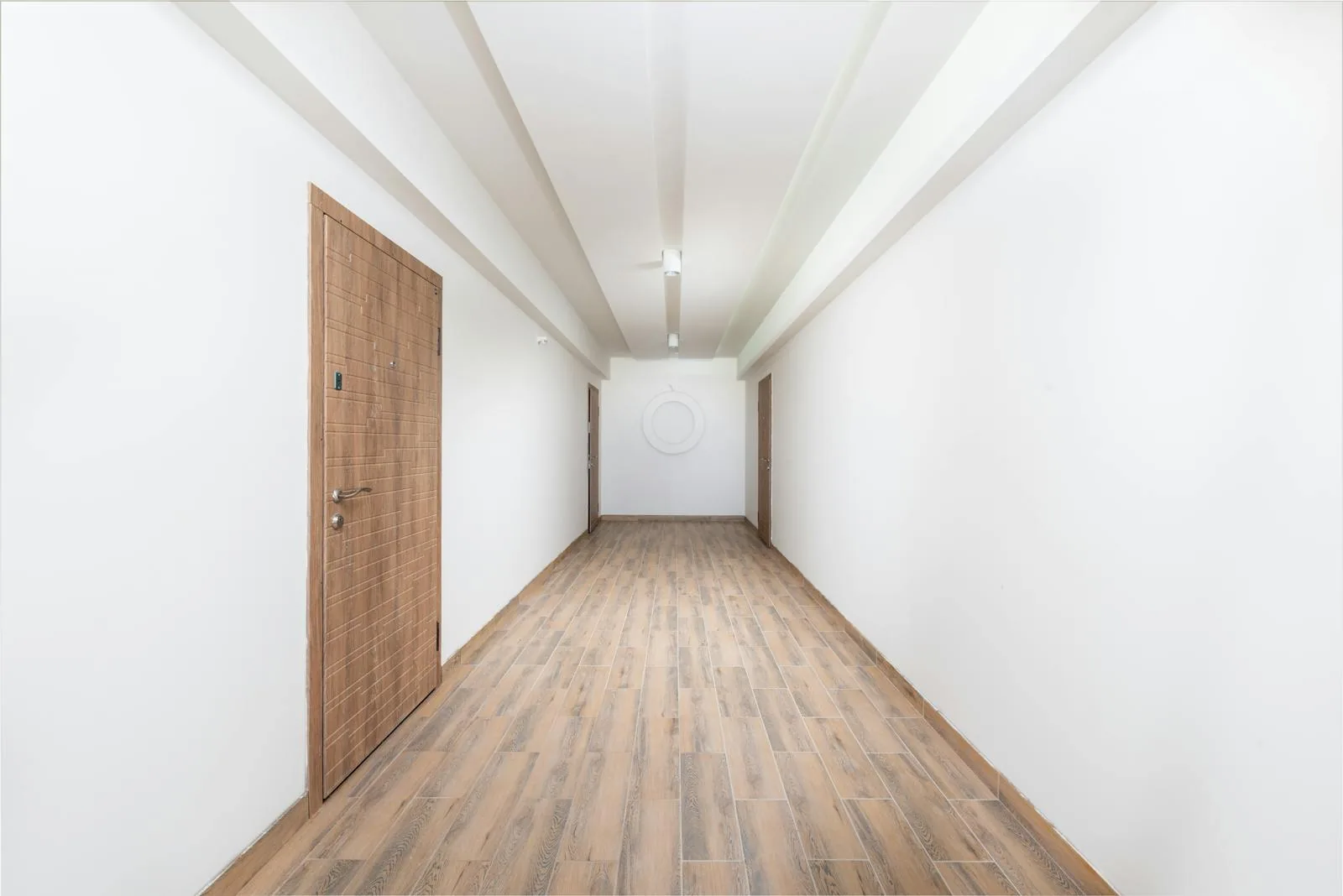
Entry inspiration should make arrival feel clear. The strongest examples use a readable path,
a clean landing surface, and one welcoming detail instead of too many small objects.
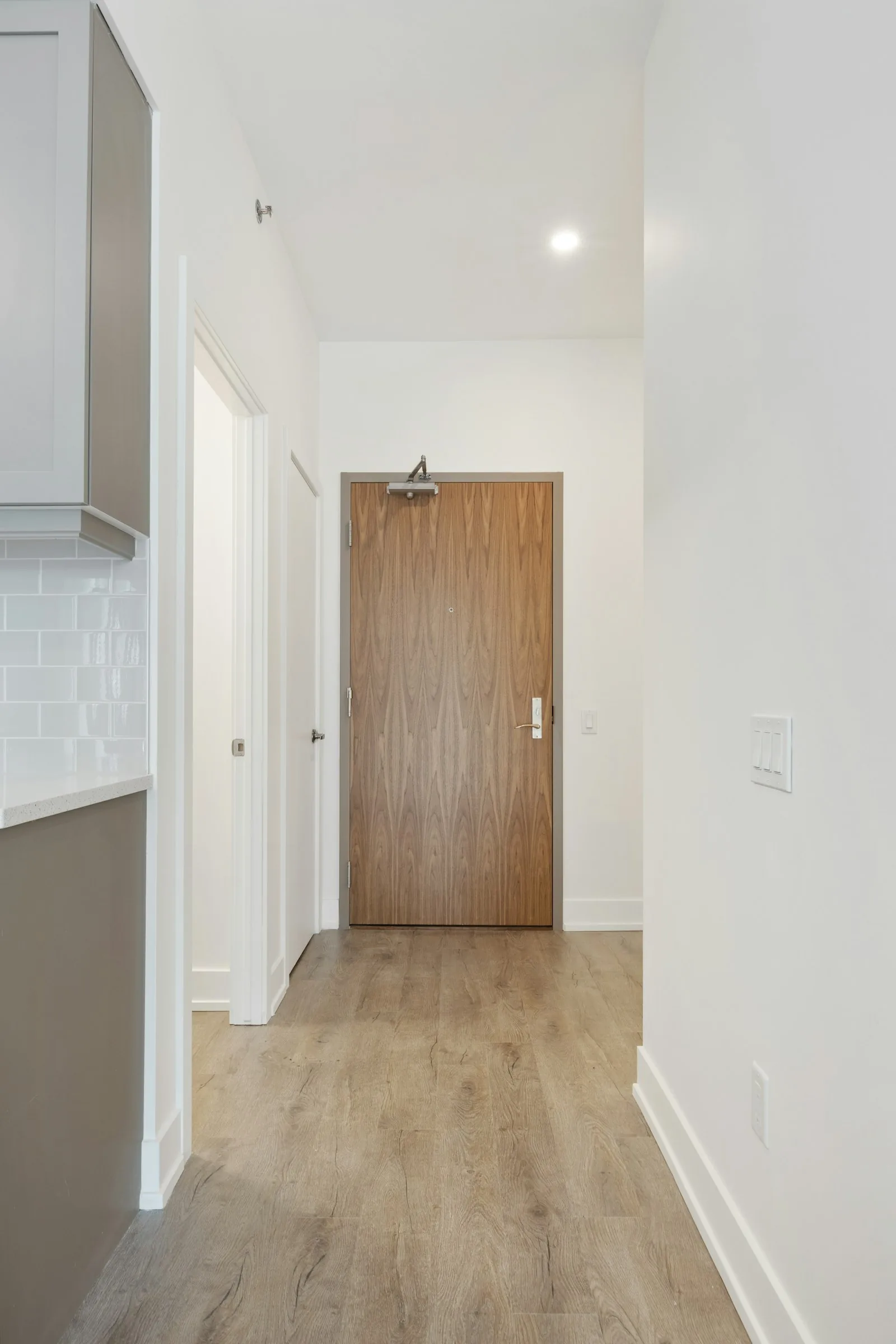
A warm door and clear threshold make the entry feel intentional before any extra decor is added.
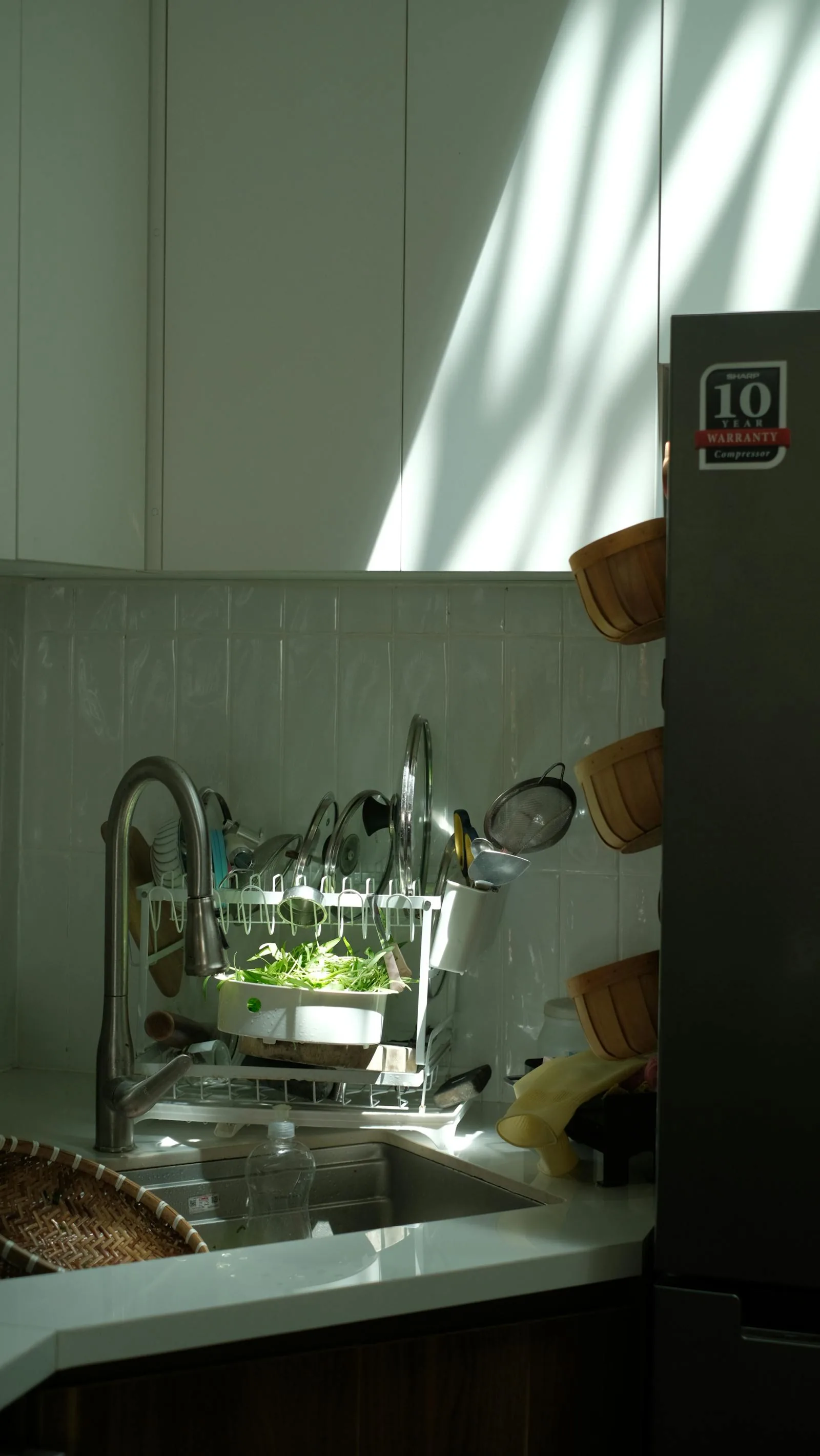
Dining and Kitchen Inspiration
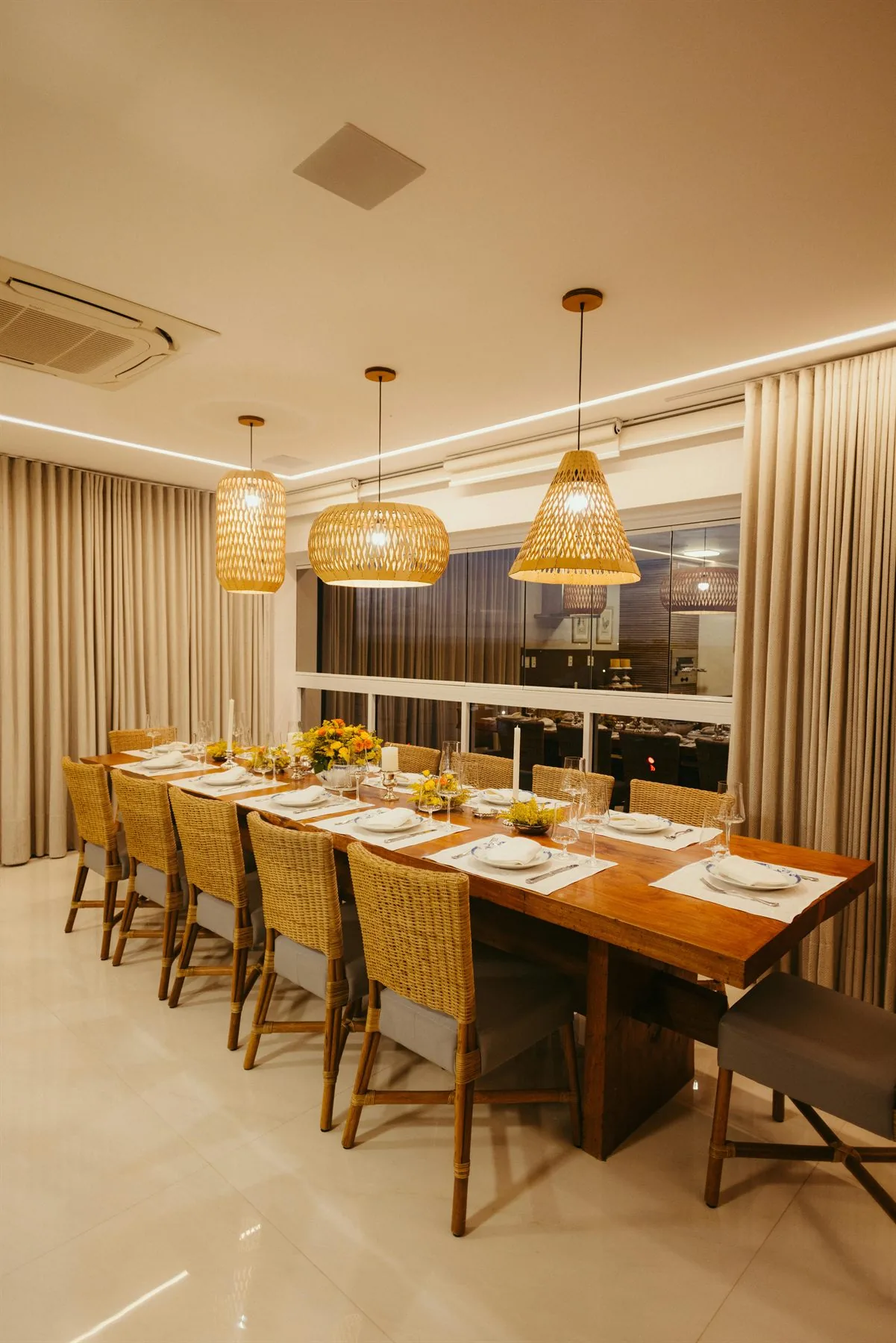
Kitchens and dining rooms bring in nourishment, routine, and gathering. Inspiration here should
feel clean, warm, and usable, not staged beyond daily life.
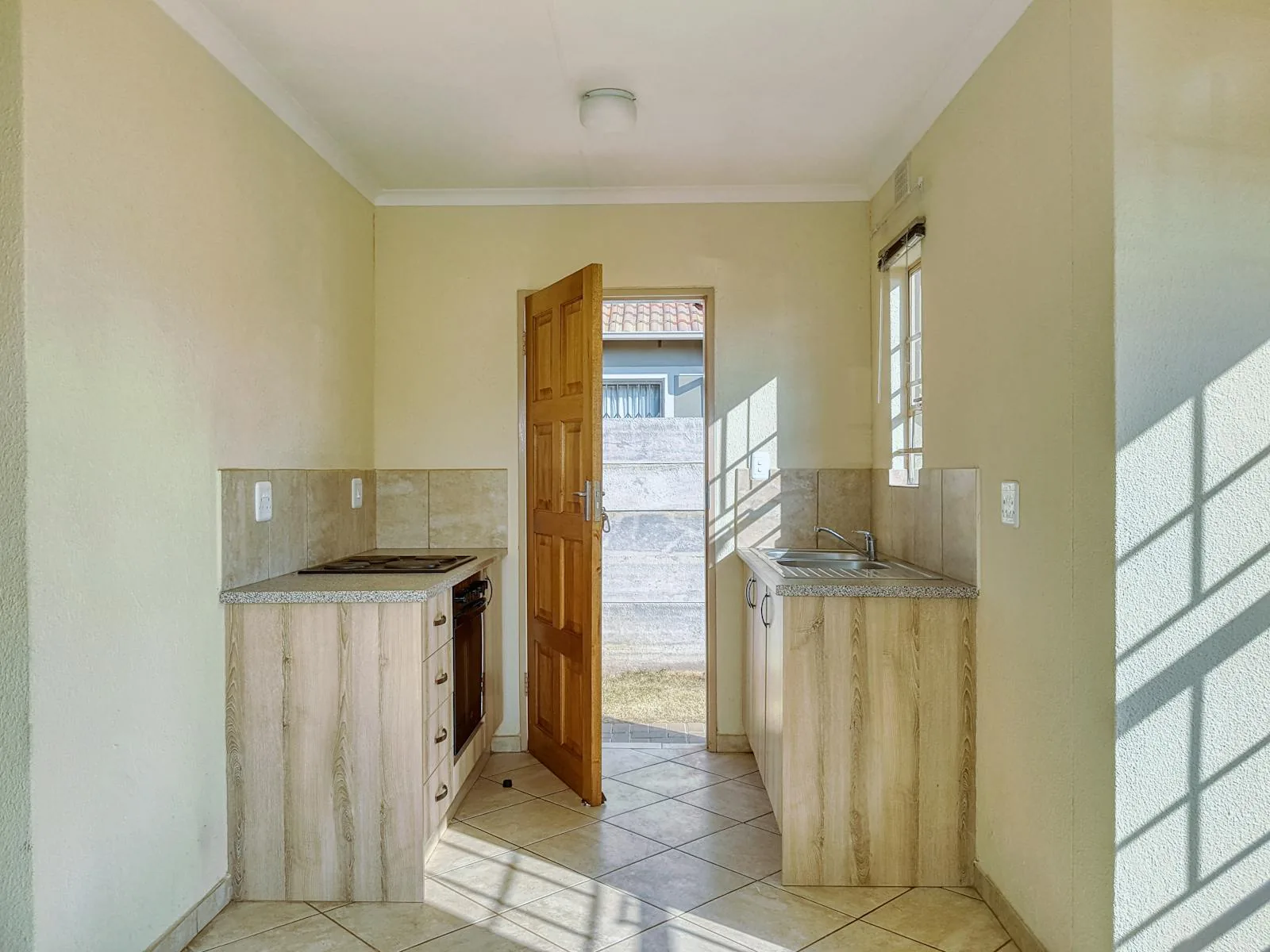
Wood tones can warm up a kitchen without making the room feel visually heavy.
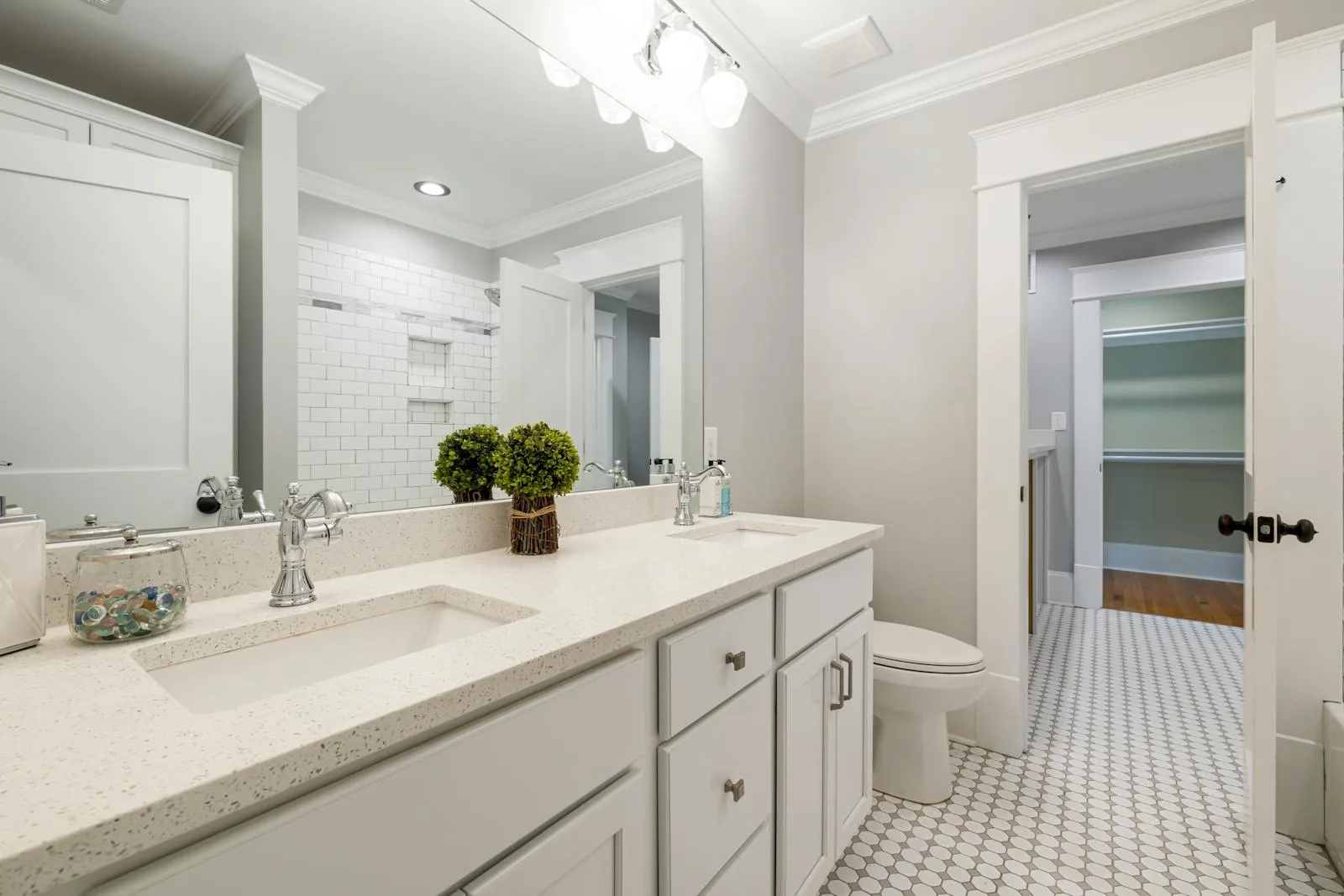
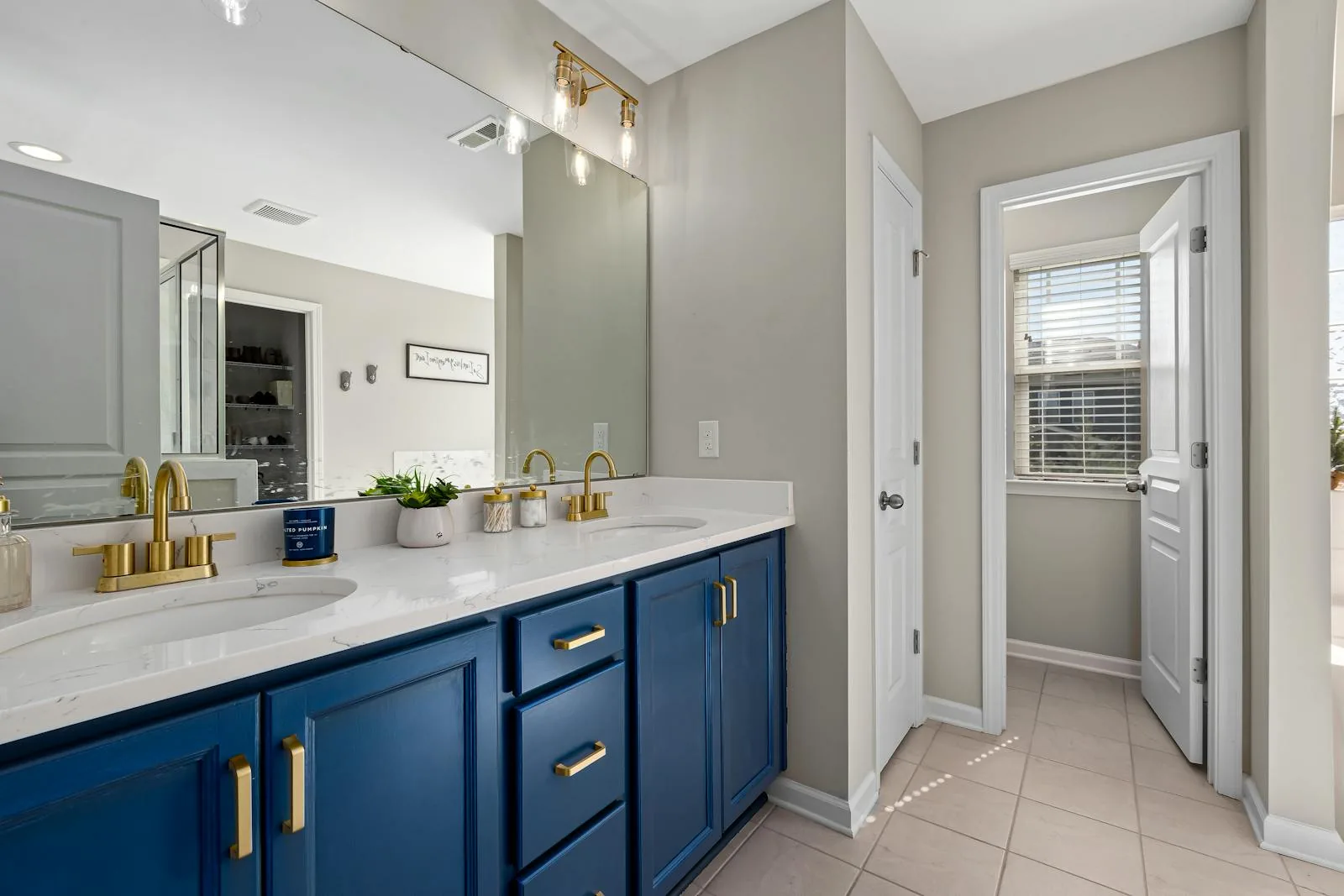
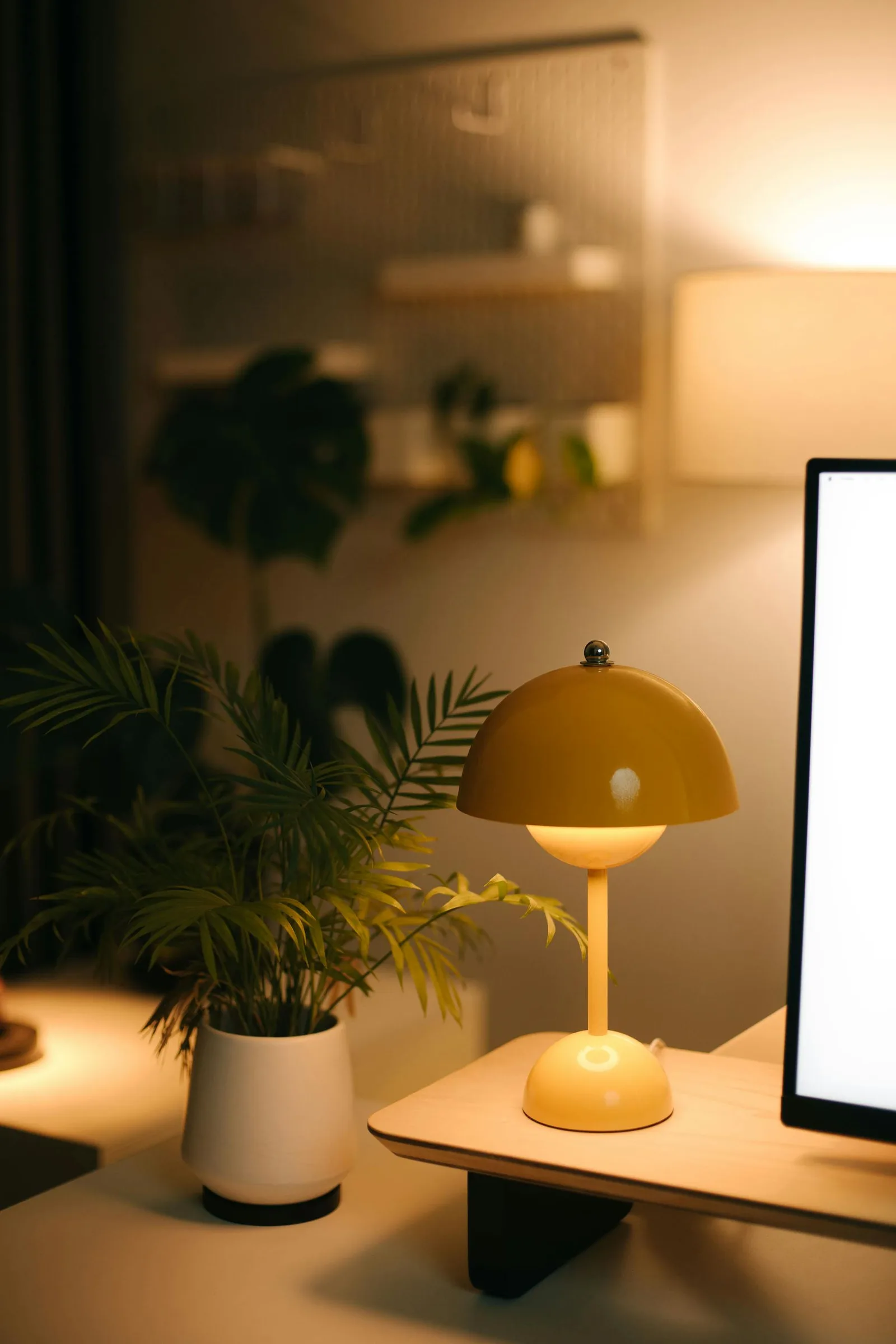
Bathroom, Office, Nursery, and Outdoor Inspiration
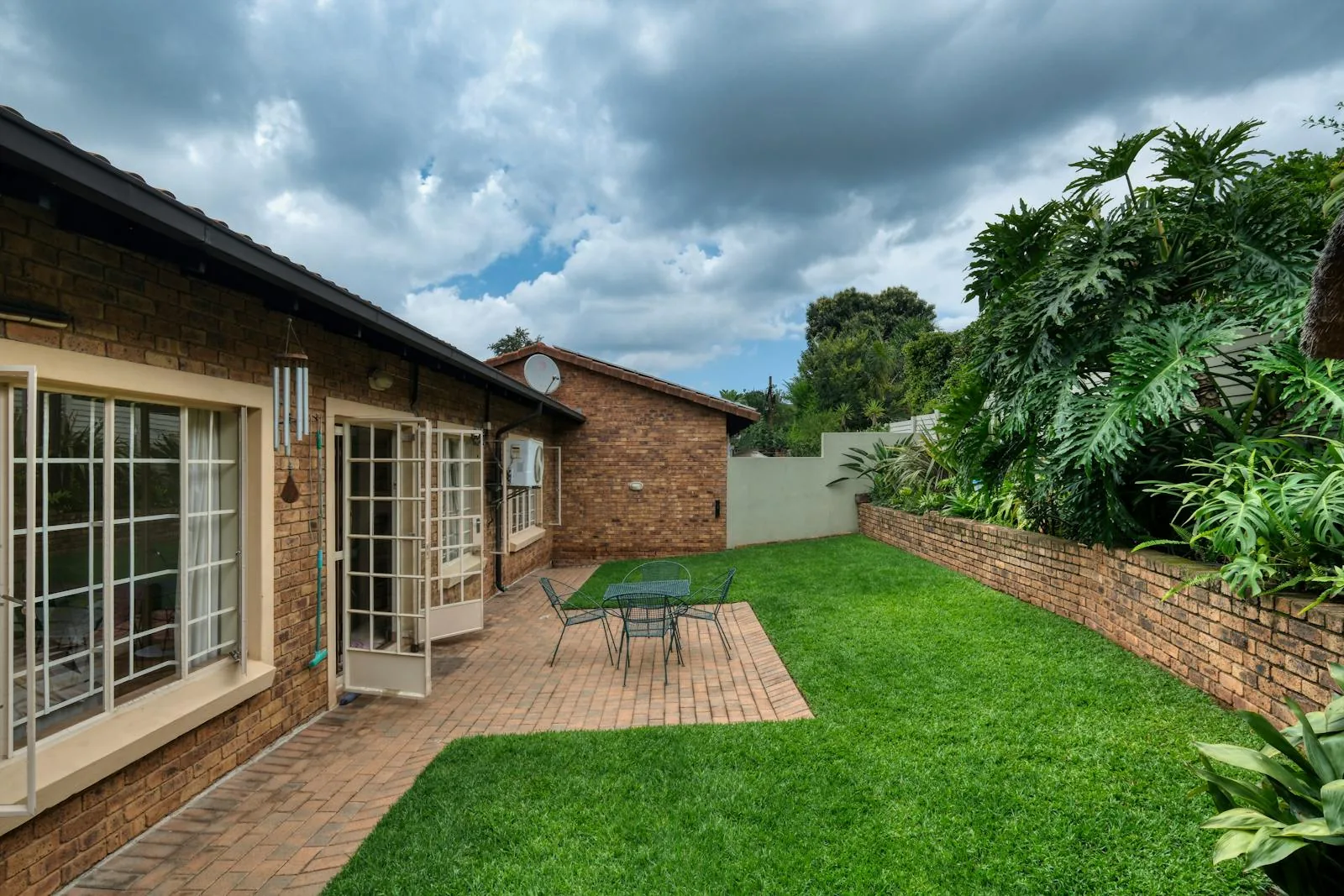
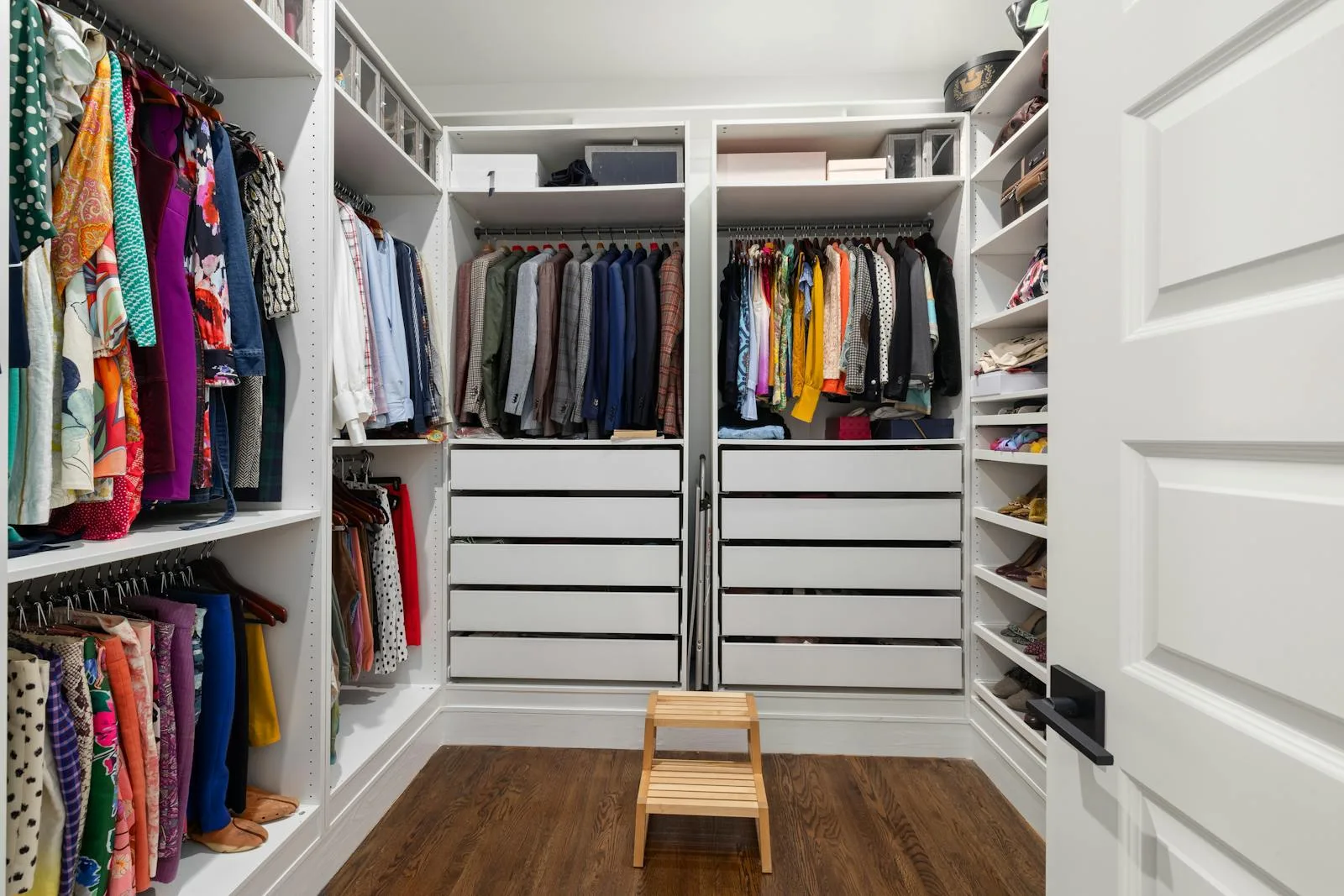
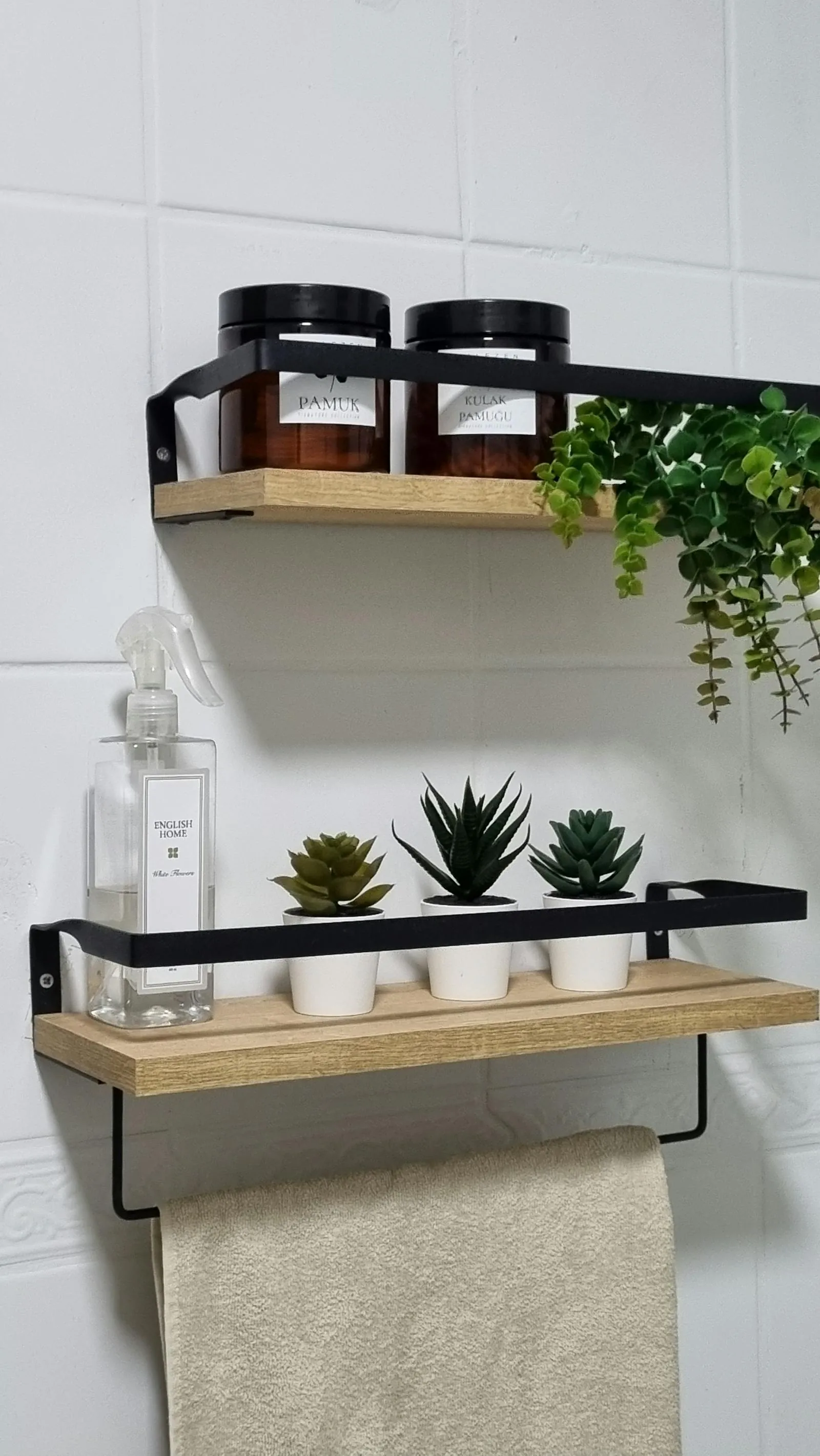
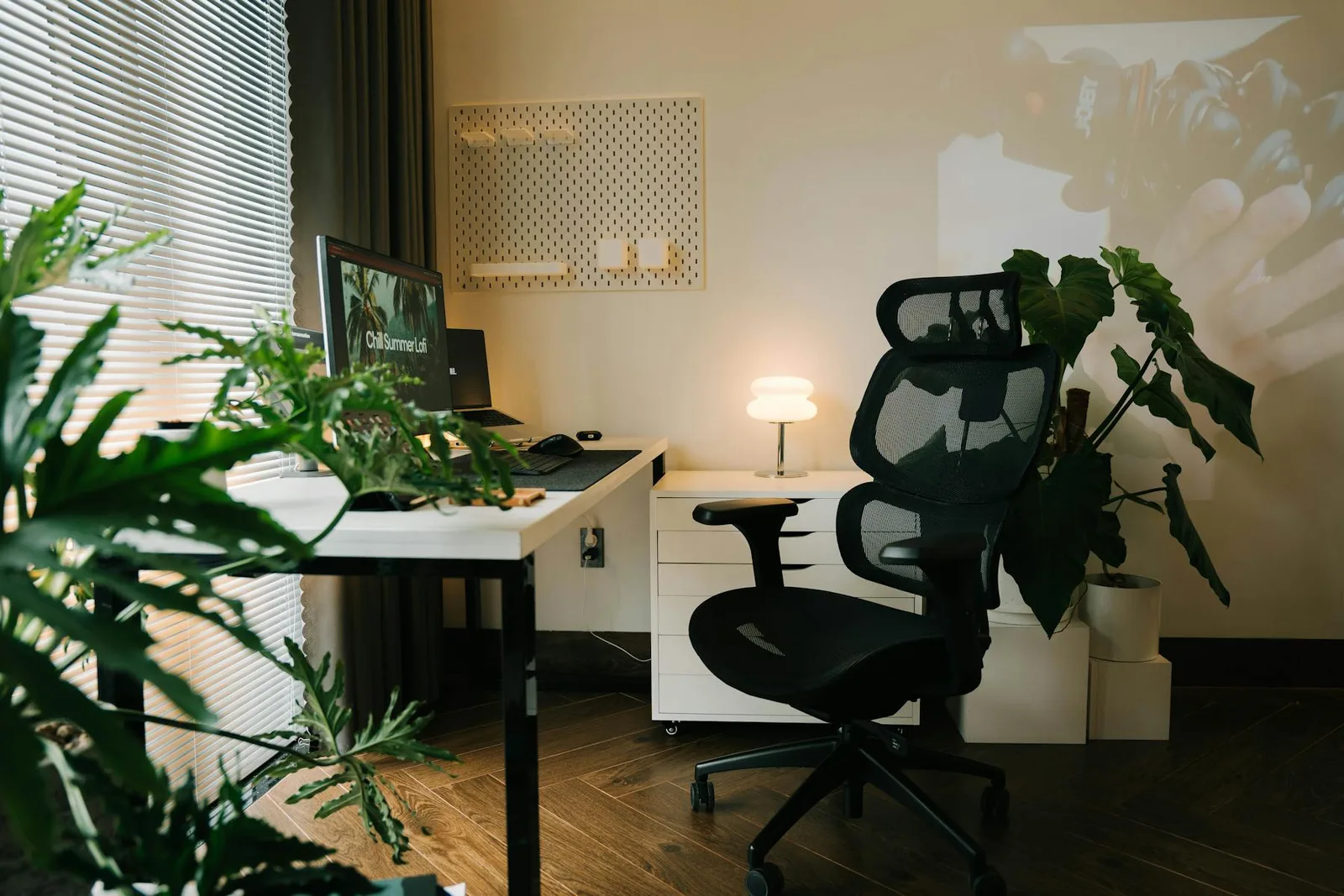
Inspiration is not only for the main rooms. Smaller or more practical spaces can still feel calm
when the lighting, storage, and natural details are handled with care.
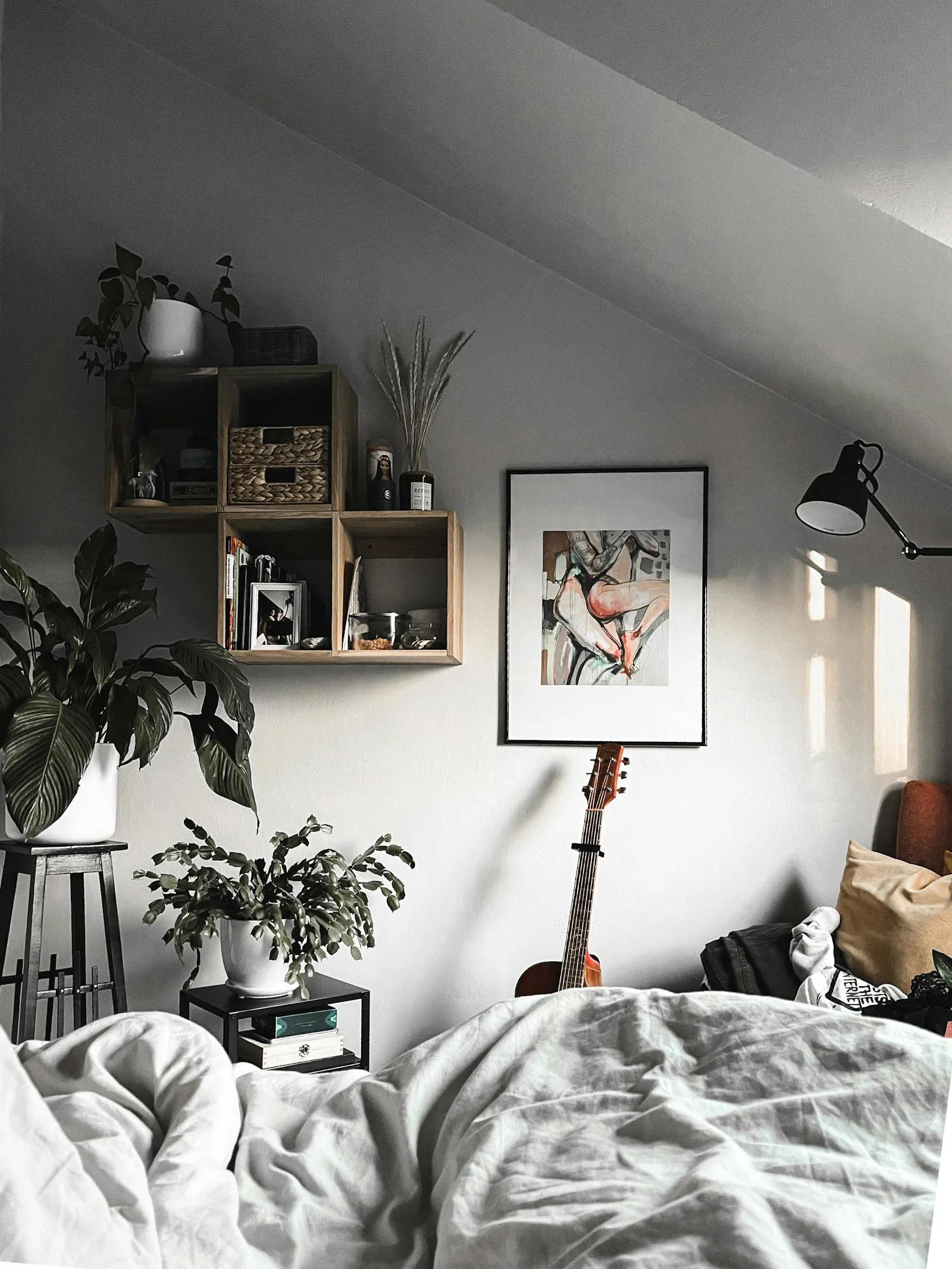
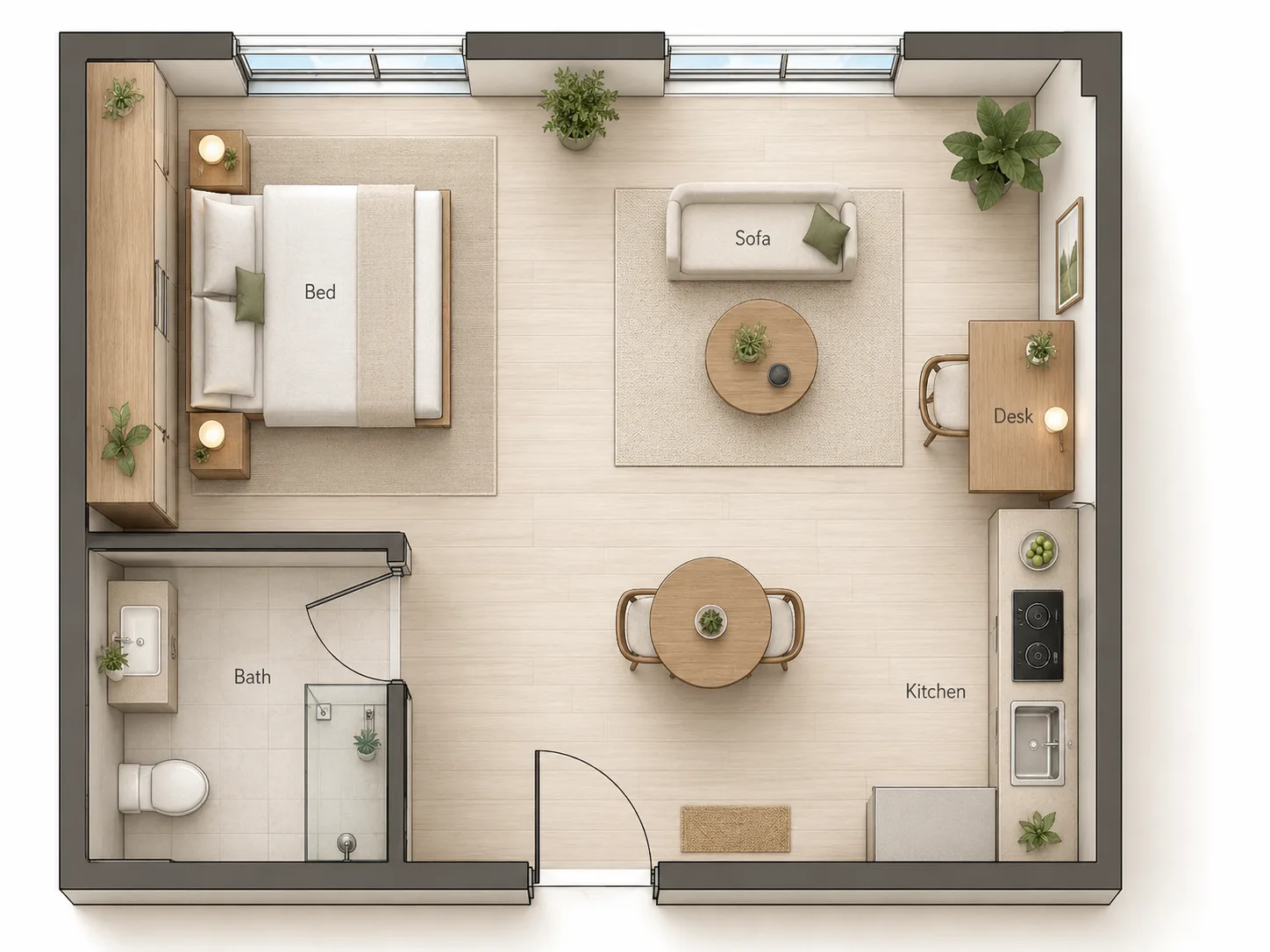
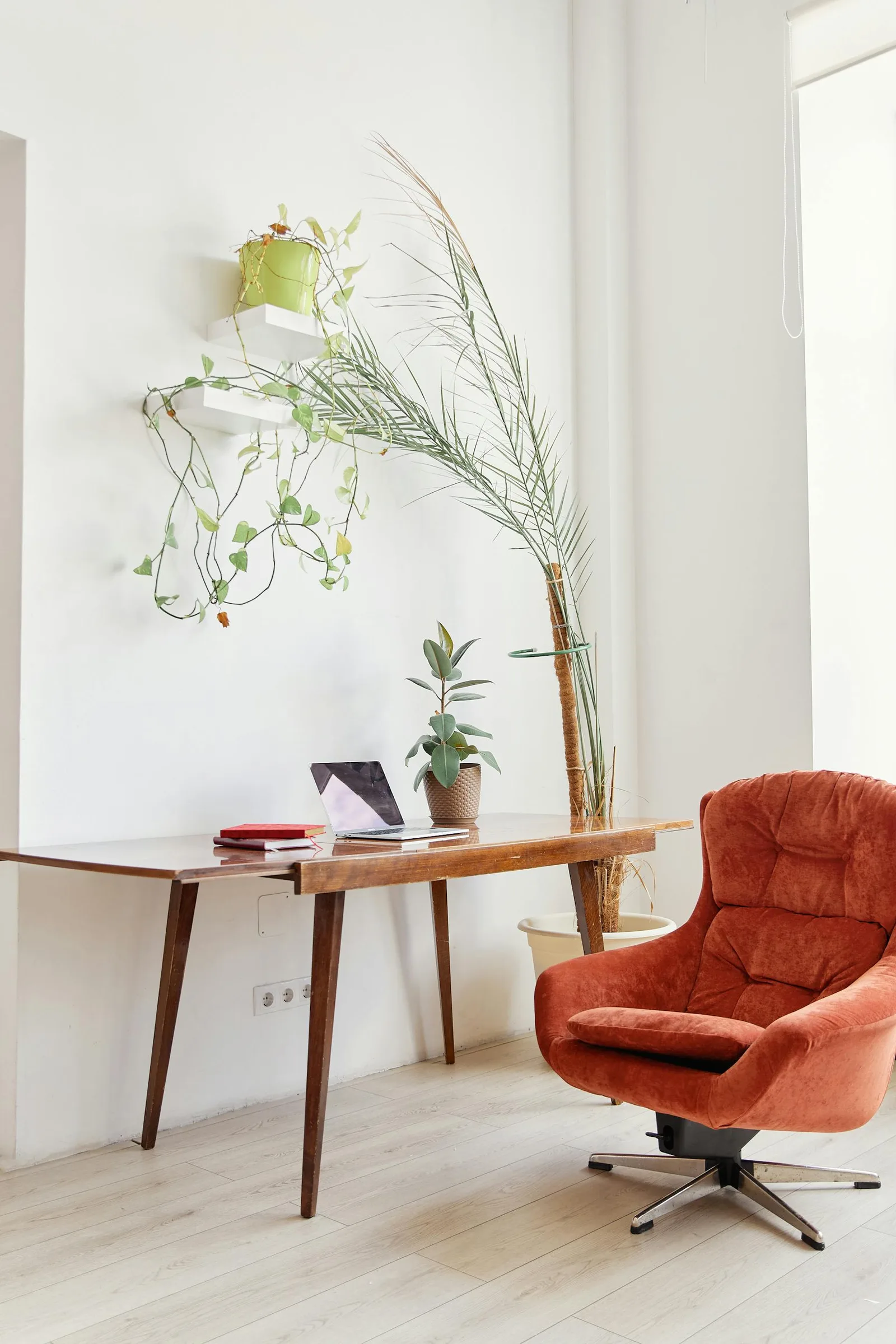
In a small home, inspiration is often about readable zones more than extra decor.
More Saveable Feng Shui Details
Once you have the room mood, look at the smaller details that make the feeling repeat: a door
that looks welcoming, a shelf that feels edited, a mirror that reflects something calm, or a path
that tells the body where to move next.
It looks calm, layered, warm, and breathable, with softer color, natural texture, clear spacing, healthy plants, and decor that feels edited instead of crowded.
How do I use feng shui inspiration without copying a room exactly?
Borrow the mood and structure first. Look at color family, lighting, spacing, materials, and one or two key decor cues instead of copying every object.
Which rooms are easiest to improve with feng shui inspiration?
Living rooms, bedrooms, entryways, dining rooms, and workspaces are often the easiest because mood, flow, light, and layering show up clearly there.
What weakens feng shui inspiration?
Treating inspiration like a shopping list, overfilling surfaces, ignoring layout, and mixing too many unrelated ideas at once can all weaken the result.
The Bottom Line
The strongest feng shui inspiration comes from rooms that feel calm, grounded, and believable enough to live in. Color, texture, spacing, plants, and light do most of the real work.
Use saved rooms to guide your mood and structure first, then let your own home decide which details actually belong.
Kim Colwell shares practical feng shui decor guidance shaped by design-led, room-focused thinking that helps homes feel calmer, more supportive, and easier to live in.