

Quick Answer
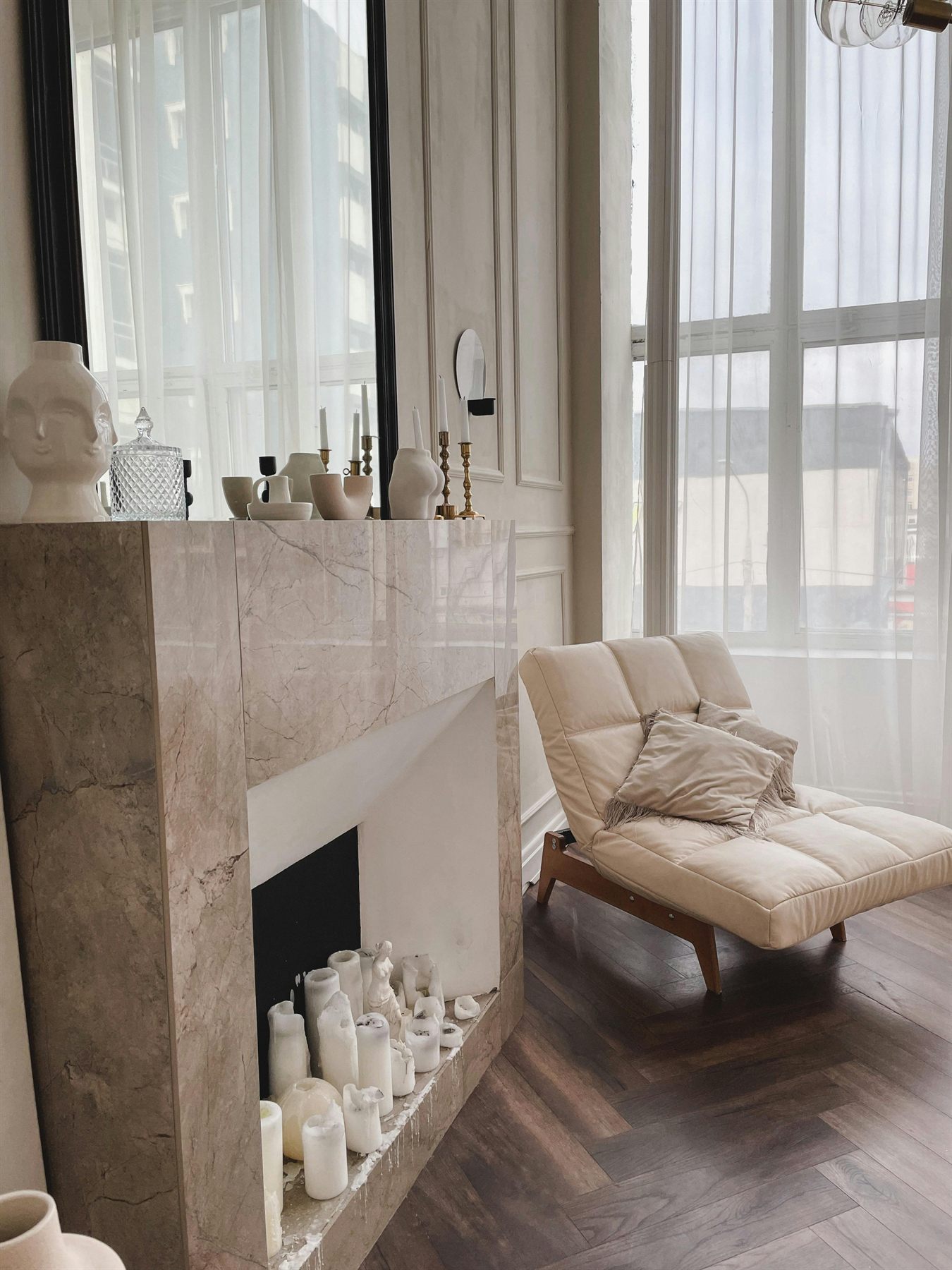
The strongest feng shui home decorating usually uses fewer, better-chosen pieces. Warm light, natural materials, edited surfaces, one calmer focal point, and decor that actually suits the room will usually do more than buying symbolic items without a larger plan.
Decorating with feng shui gets easier when you think about atmosphere first. The question is not whether an object is technically allowed. The question is whether the room feels more supported after it is there.
That is why the best rooms often look lightly layered and calm rather than highly decorated. The room should still breathe. The decor should help the room register, not compete with it.
What Good Feng Shui Decorating Usually Looks Like
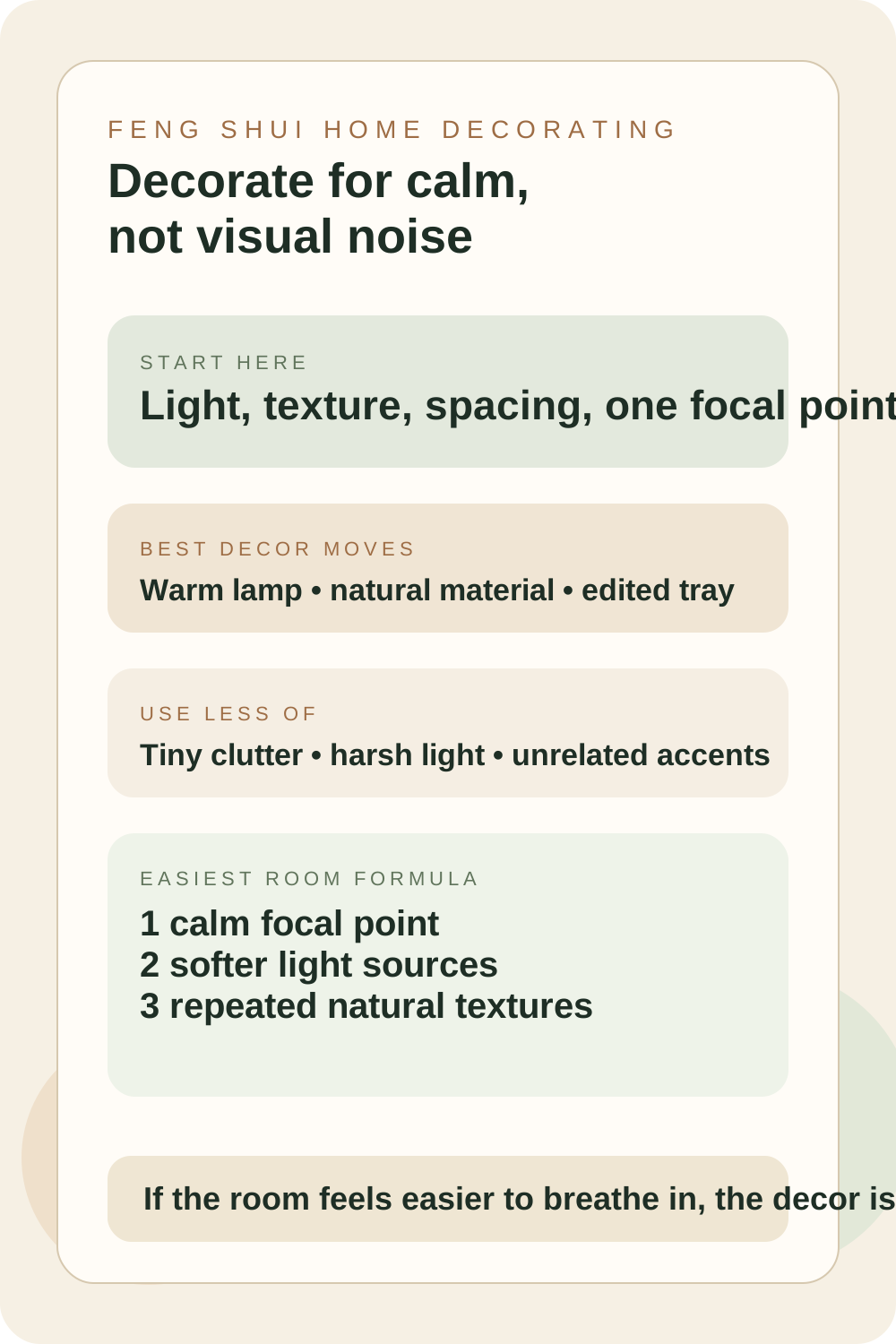
Five decorating signals that usually make a room feel better
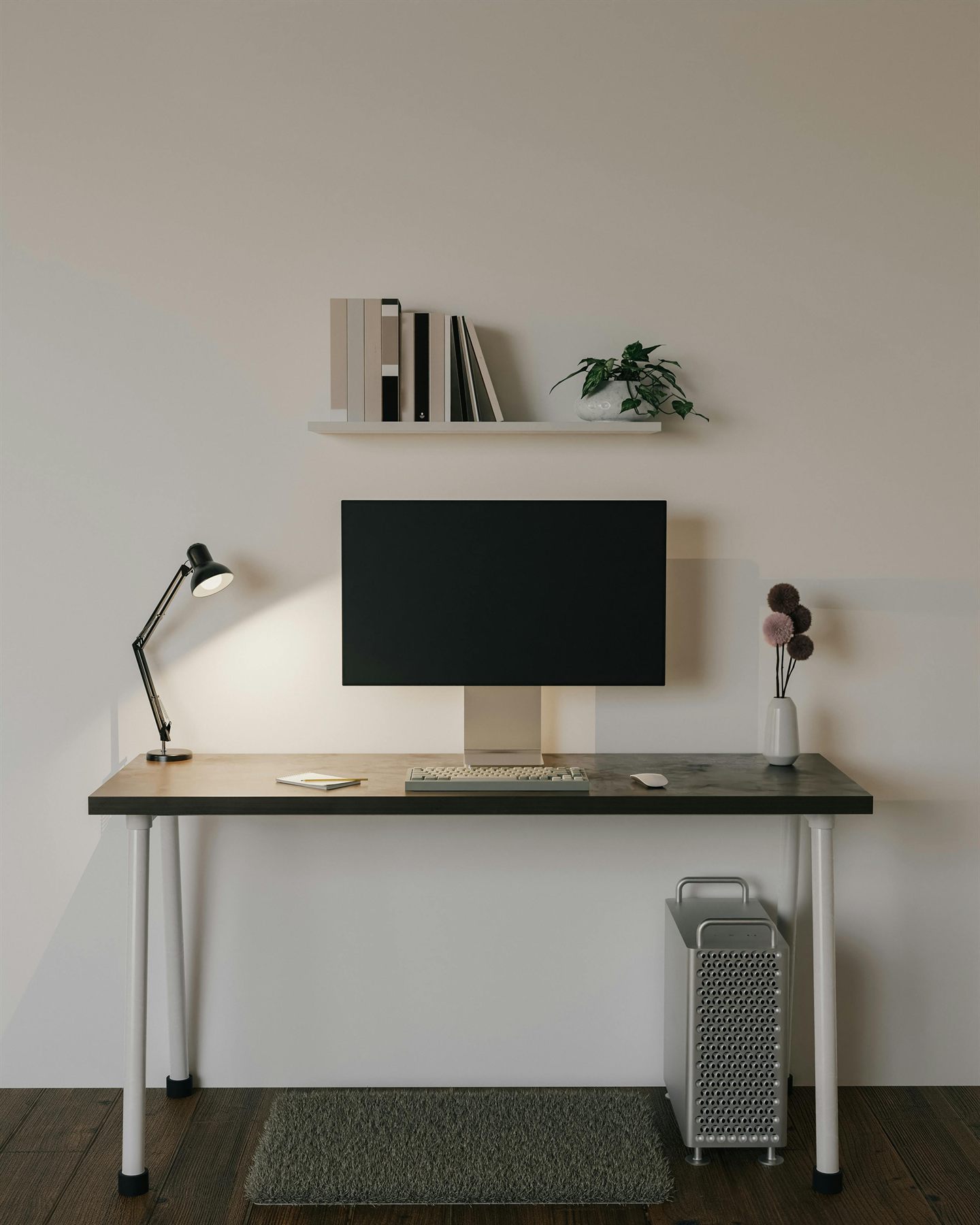
Softer layered light
Rooms usually feel calmer when lamp light, daylight, and a little ambient glow do more work than a single overhead source.
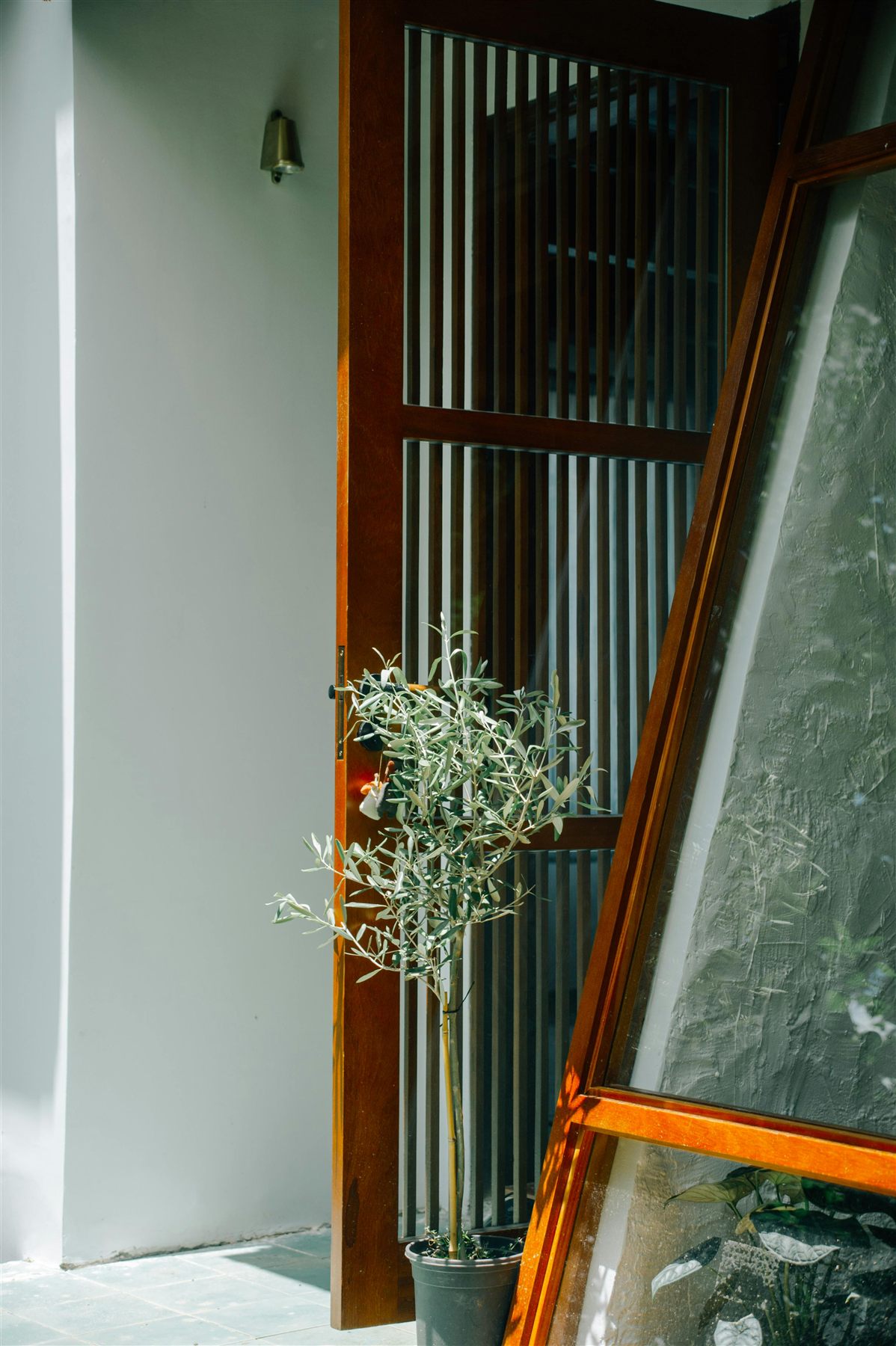
Repeated natural texture
Wood, linen, woven fiber, stone, clay, and other quieter textures usually help the room feel grounded.
A clear focal point
The eye should understand what matters first, whether that is the sofa wall, bed wall, dining table, or entry console.
Edited surfaces
A tray, lamp, plant, and one or two meaningful objects usually feels better than ten decorative pieces spread everywhere.
Enough breathing room
Decor works best when it does not fill every visible gap in the room.
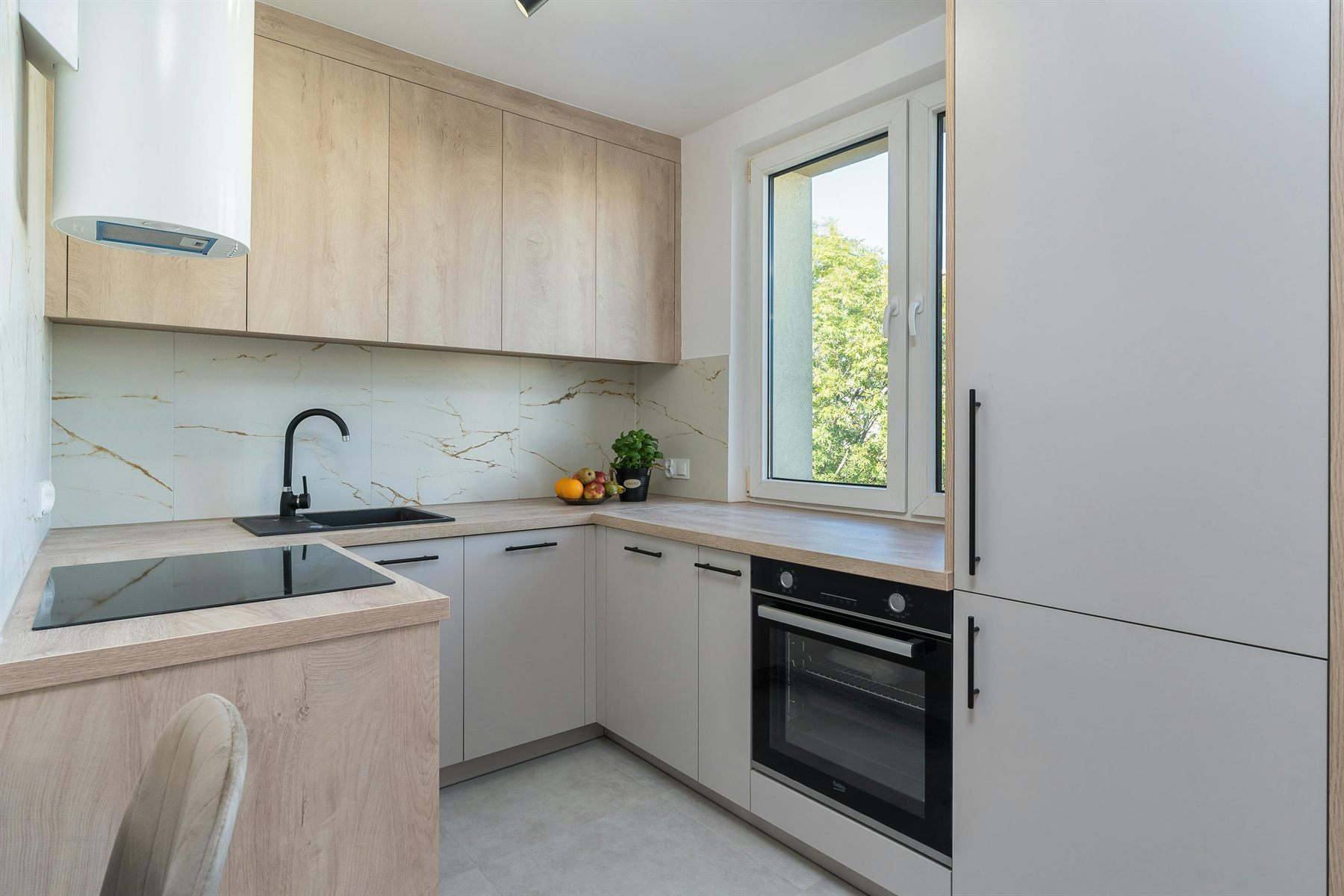
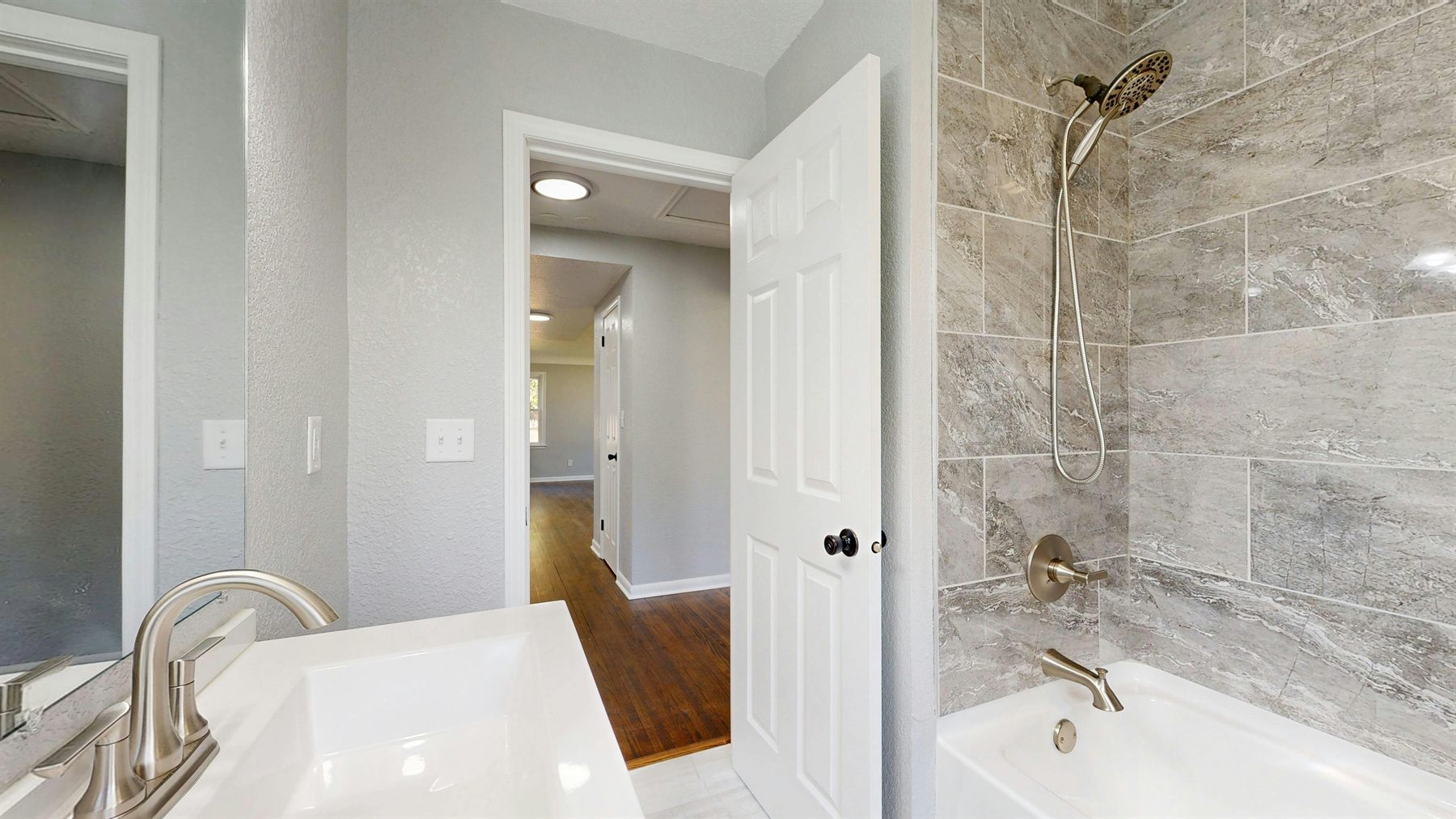
Decorating Moves That Change a Room Fast
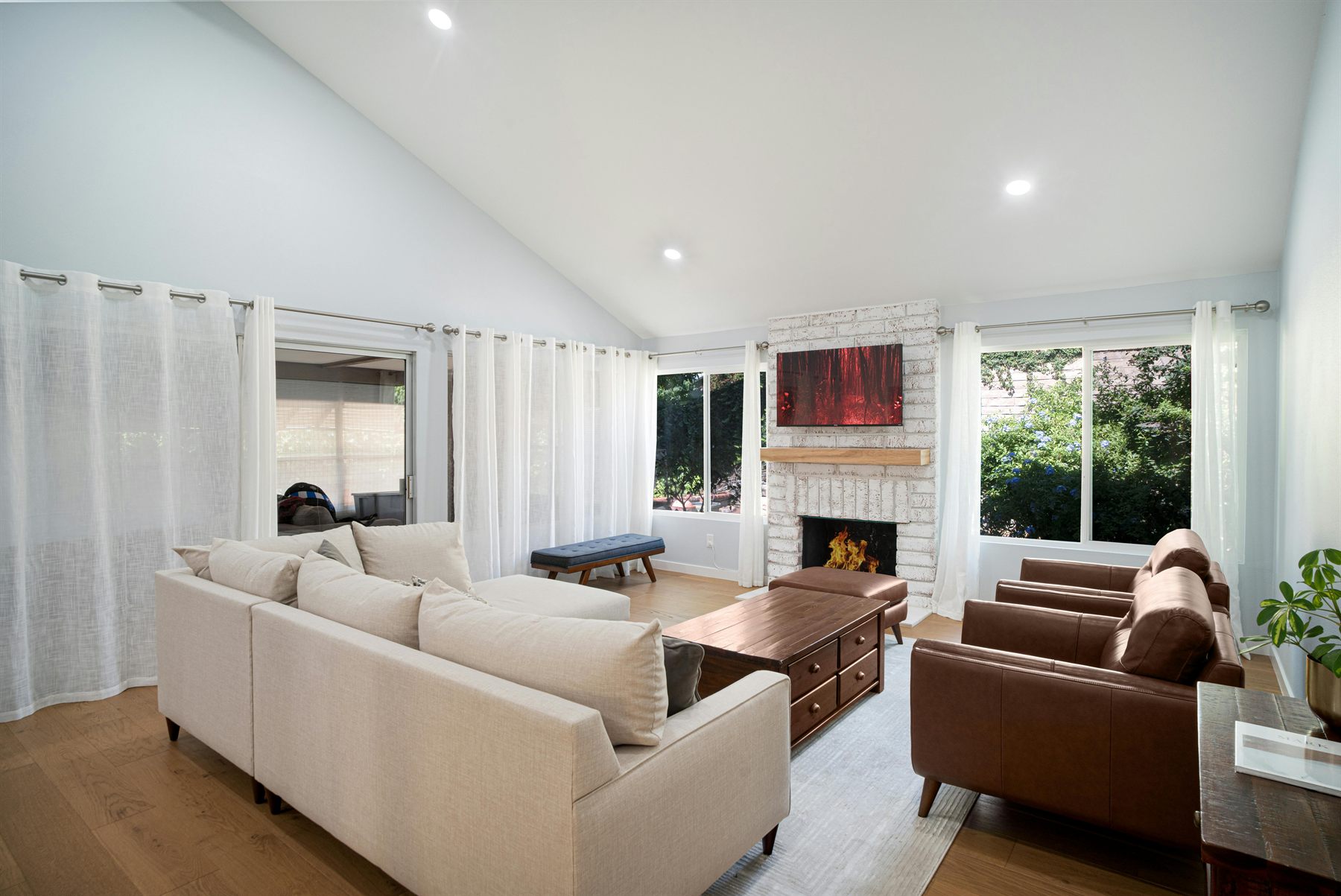
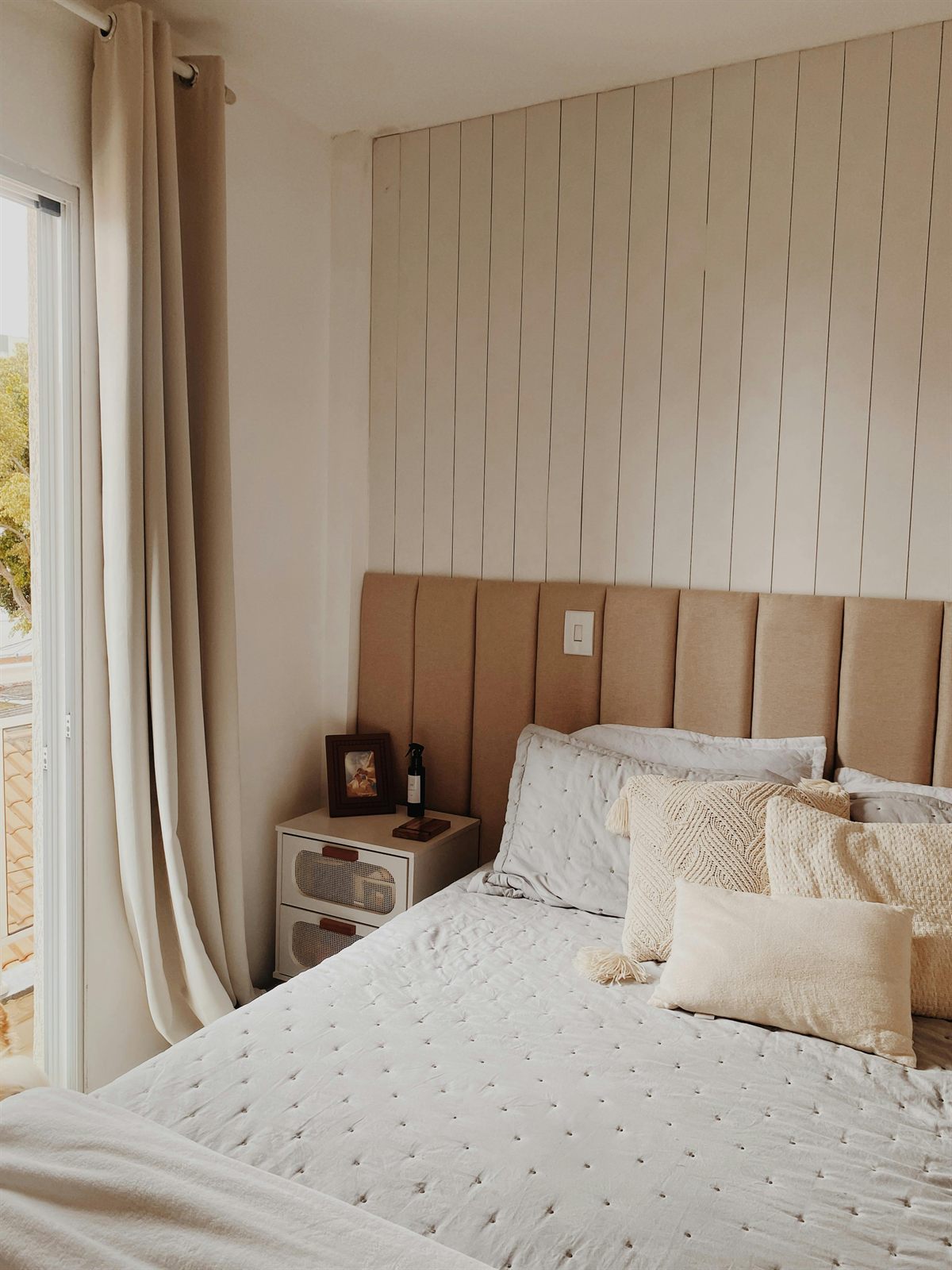
What usually helps
- +Use one lamp or lighting layer that softens the room at night.
- +Repeat one material family like wood, woven fiber, or stone.
- +Give the room one focal arrangement instead of many tiny ones.
- +Edit small decor into trays or grouped surfaces so it reads as one idea.
What usually weakens the room
- -Filling every open shelf or corner because it looks unfinished when empty.
- -Buying many symbolic decor objects that do not match the rest of the room.
- -Relying only on overhead light and then trying to fix the mood with accessories.
- -Mixing too many accent colors and metallic finishes with no calmer bridge tone.
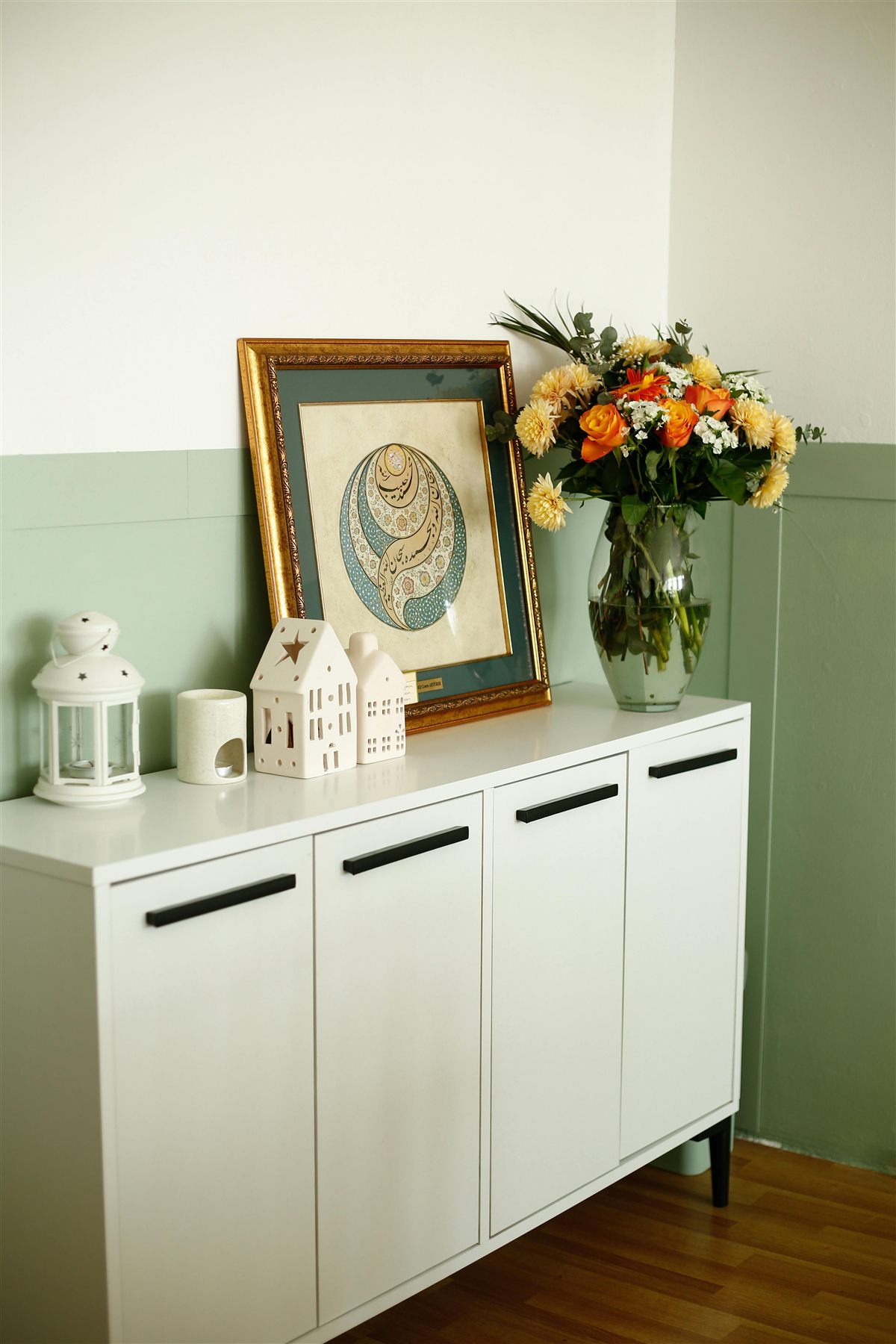
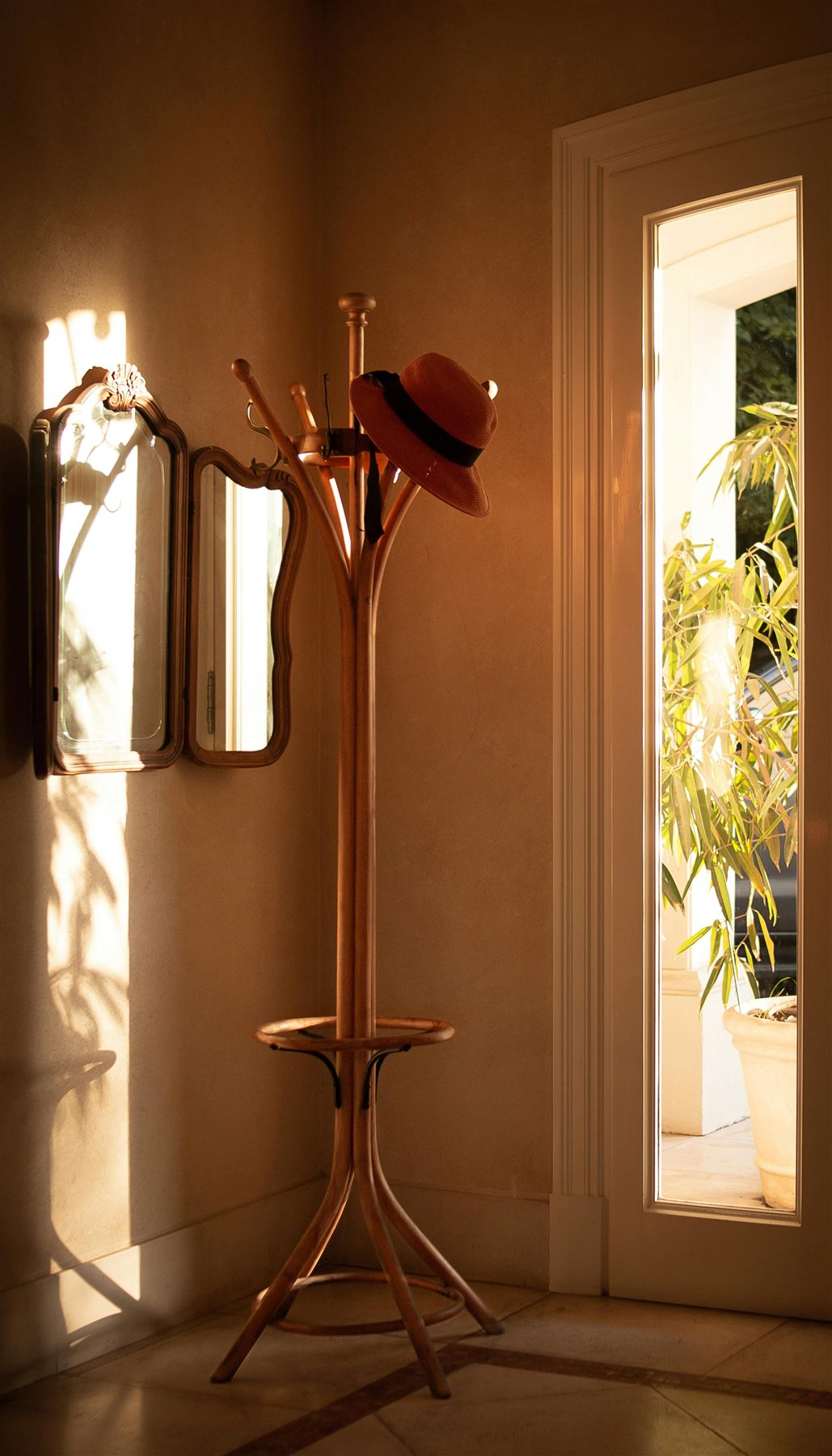
Decorate Without Making the Room Feel Overworked
Most rooms start to feel heavy when the decorating tries to solve everything at once. Better color, better light, fewer but stronger objects, and a little more open space usually get the room closer to what people actually want.
If you want the mood-board version of this topic, feng shui aesthetic is the best companion. If you want a stronger color system first, feng shui color palette ideas and feng shui home interior colors are the next useful reads.
Frequently Asked Questions
What does feng shui home decorating usually look like?
Do I need symbolic feng shui objects everywhere?
What decor choices help a room feel better fastest?
What weakens feng shui decorating?
The Bottom Line
The best feng shui home decorating usually feels simpler and more intentional than people expect. Better light, repeated texture, edited surfaces, and one stronger focal point often do more than adding more stuff.
If the room feels easier to look at, easier to move through, and easier to maintain after decorating, the choices are probably helping.