

Quick Answer
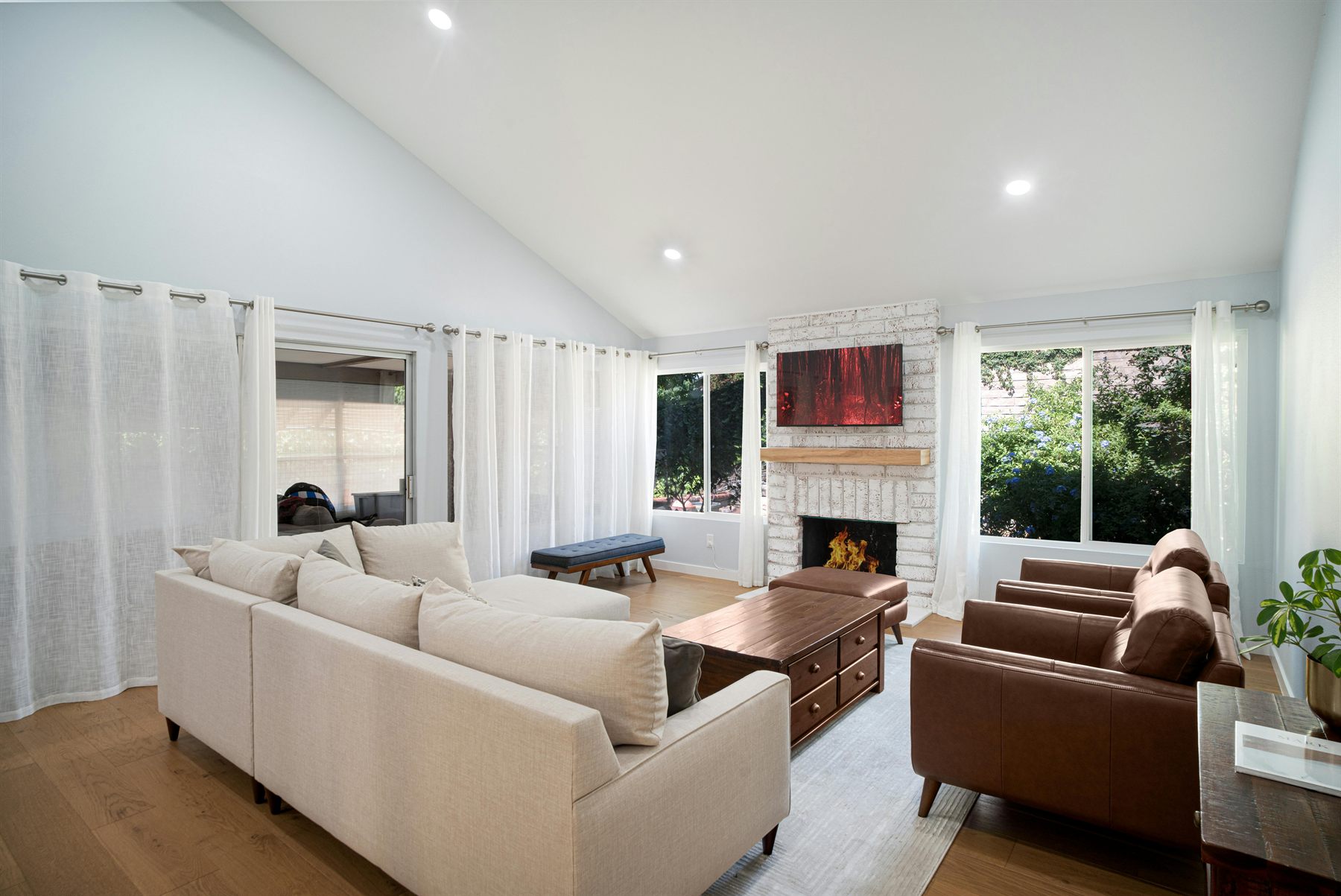
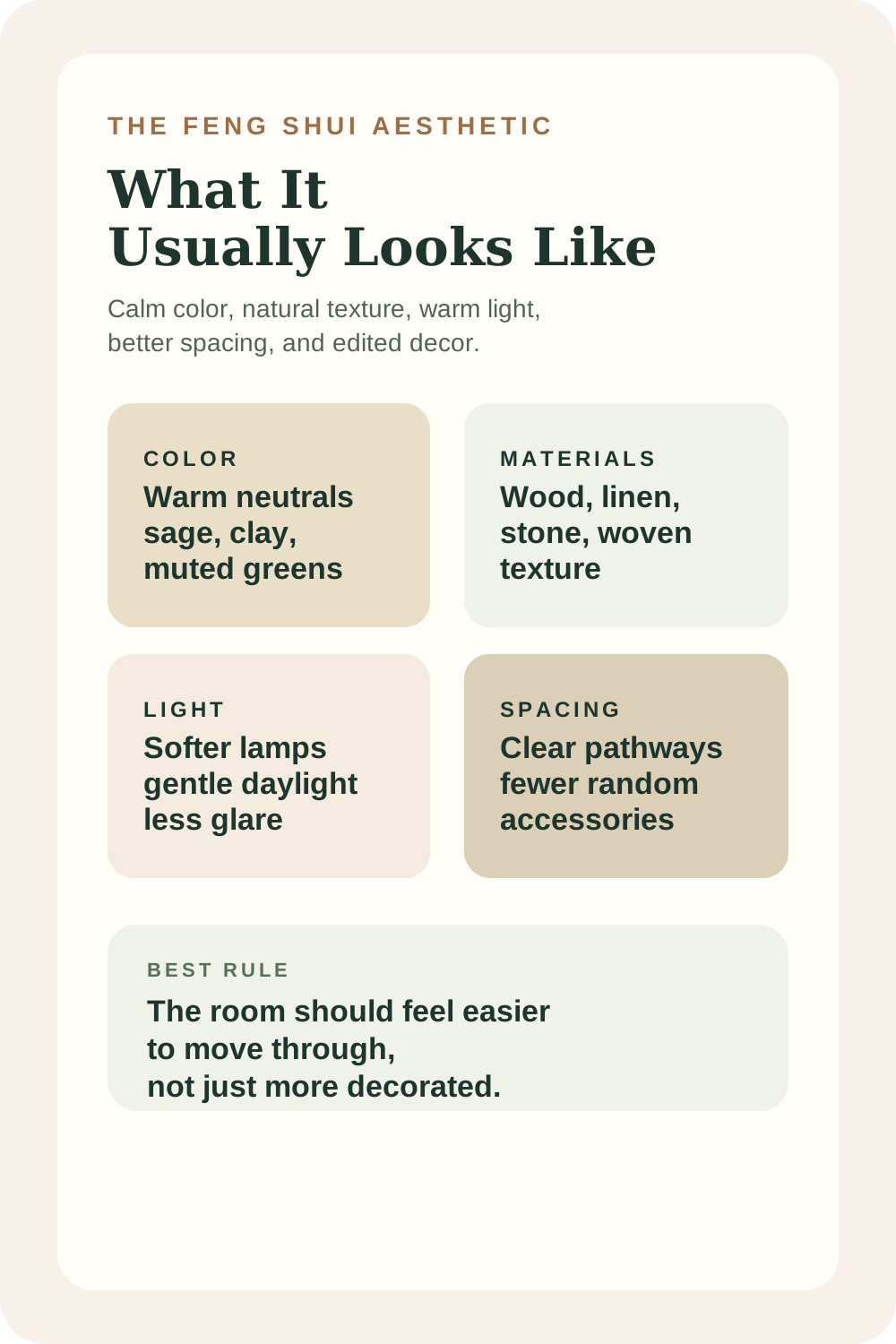
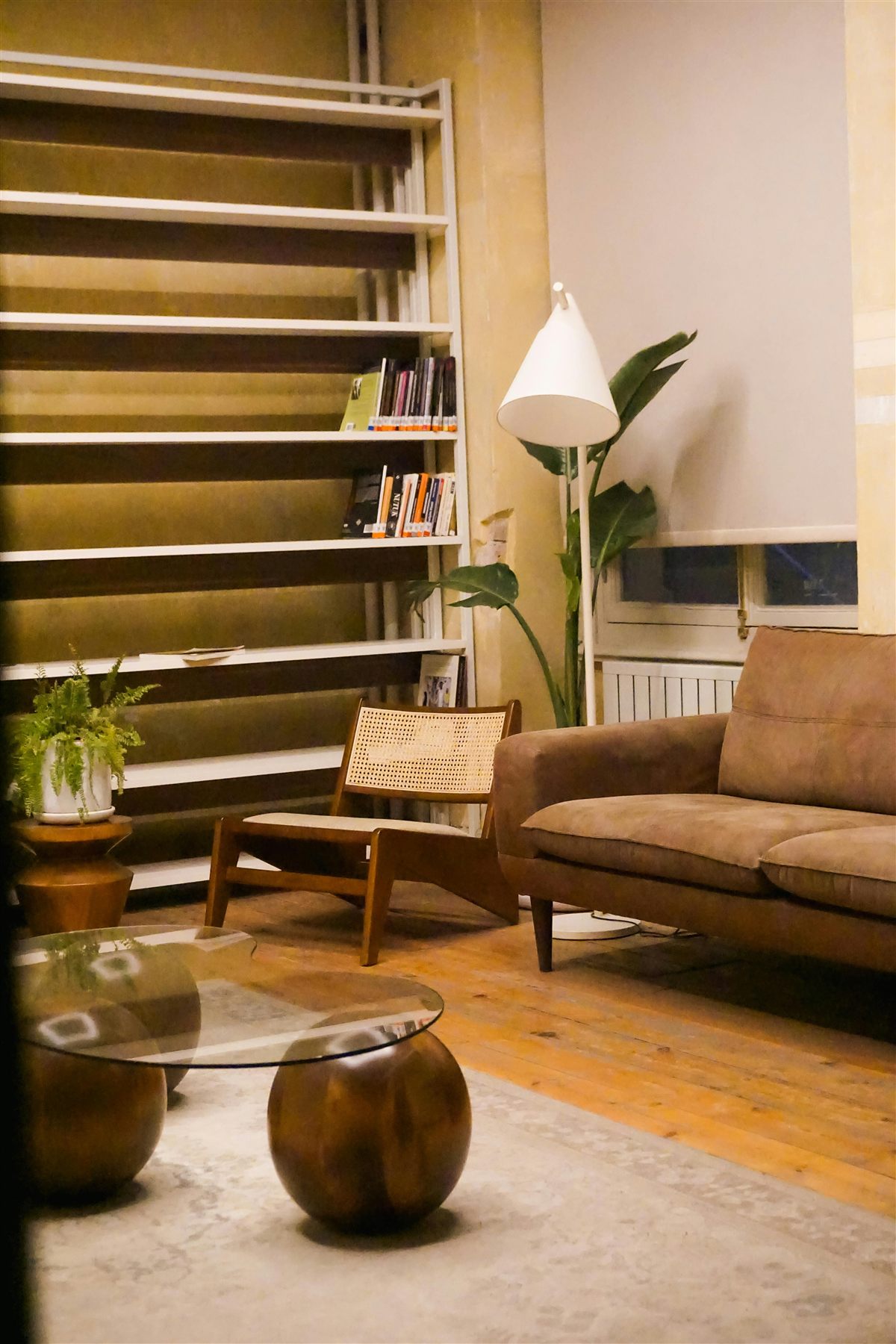
The feng shui aesthetic usually looks calm, airy, grounded, and lightly layered. It favors softer color, natural materials, warm light, better spacing, and decor that makes the room feel more intentional instead of more crowded.
Feng shui aesthetic is less a formula and more a feeling. When it is done well, the room feels easier to breathe in, easier to move through, and easier to settle into.
A lot of people imagine feng shui aesthetic as either very minimal or very mystical, but most real rooms land somewhere calmer and warmer than that. The strongest spaces usually combine softer color, natural texture, edited styling, and enough empty space that the decor can actually register.
What a Feng Shui Aesthetic Usually Looks Like
The Style Elements That Make It Feel Right
Five things that show up again and again
Softer color
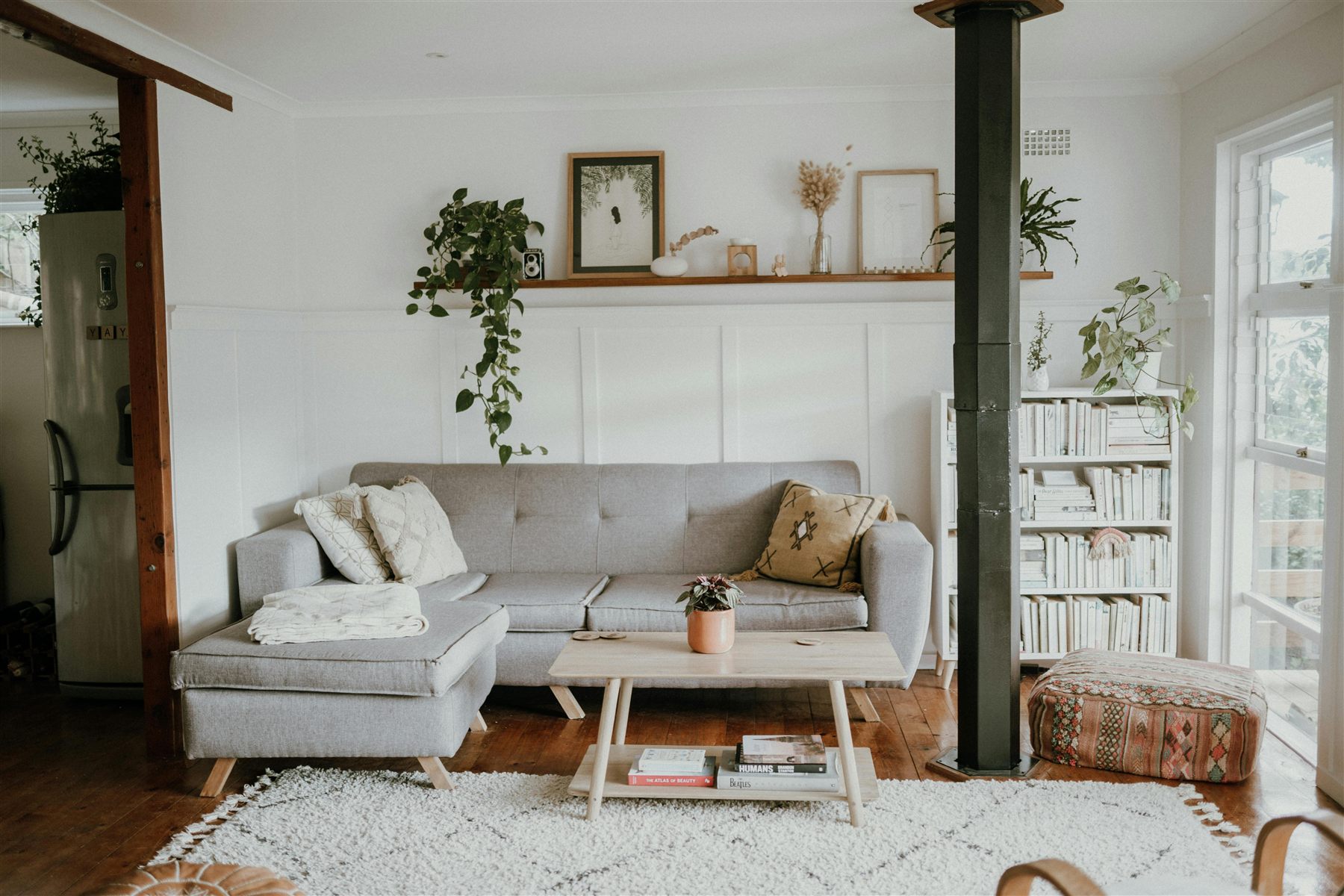
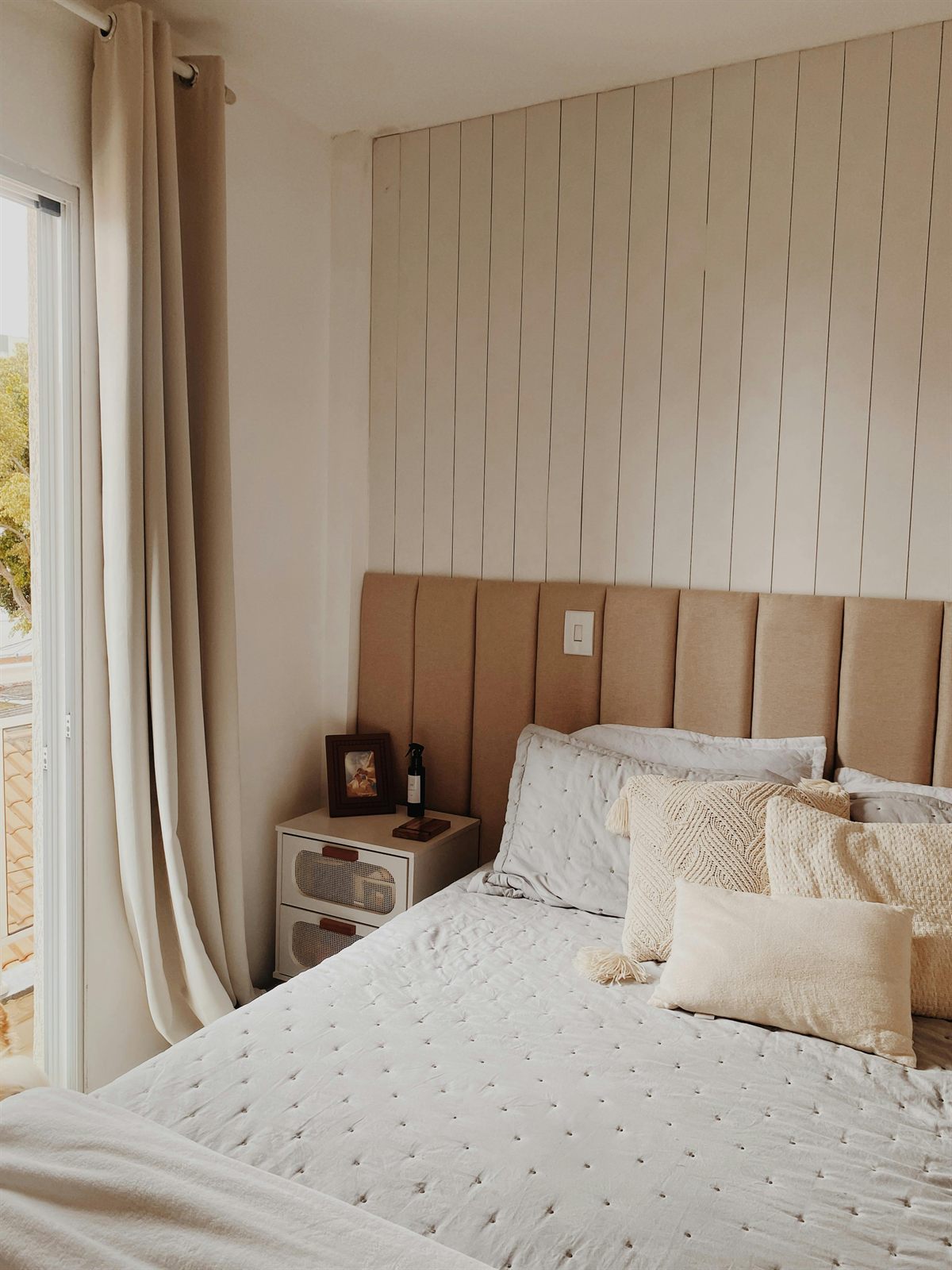
Warm neutrals, sage, muted blue-green, clay accents, and wood tones often create a calmer base than sharper trend colors.
Natural materials
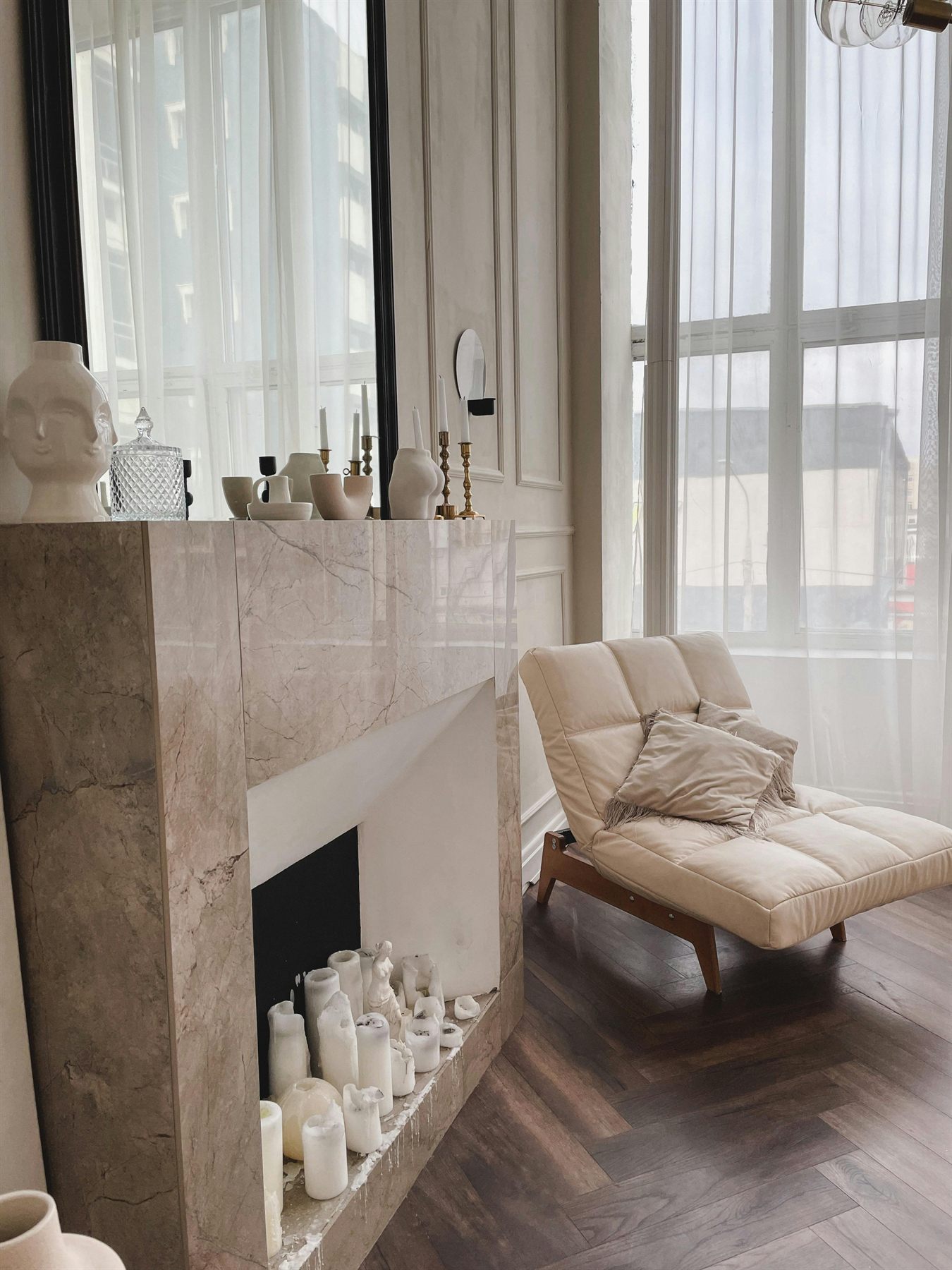
Wood, stone, linen, woven texture, clay, and lightly aged metal usually help a room feel more grounded.
Better spacing
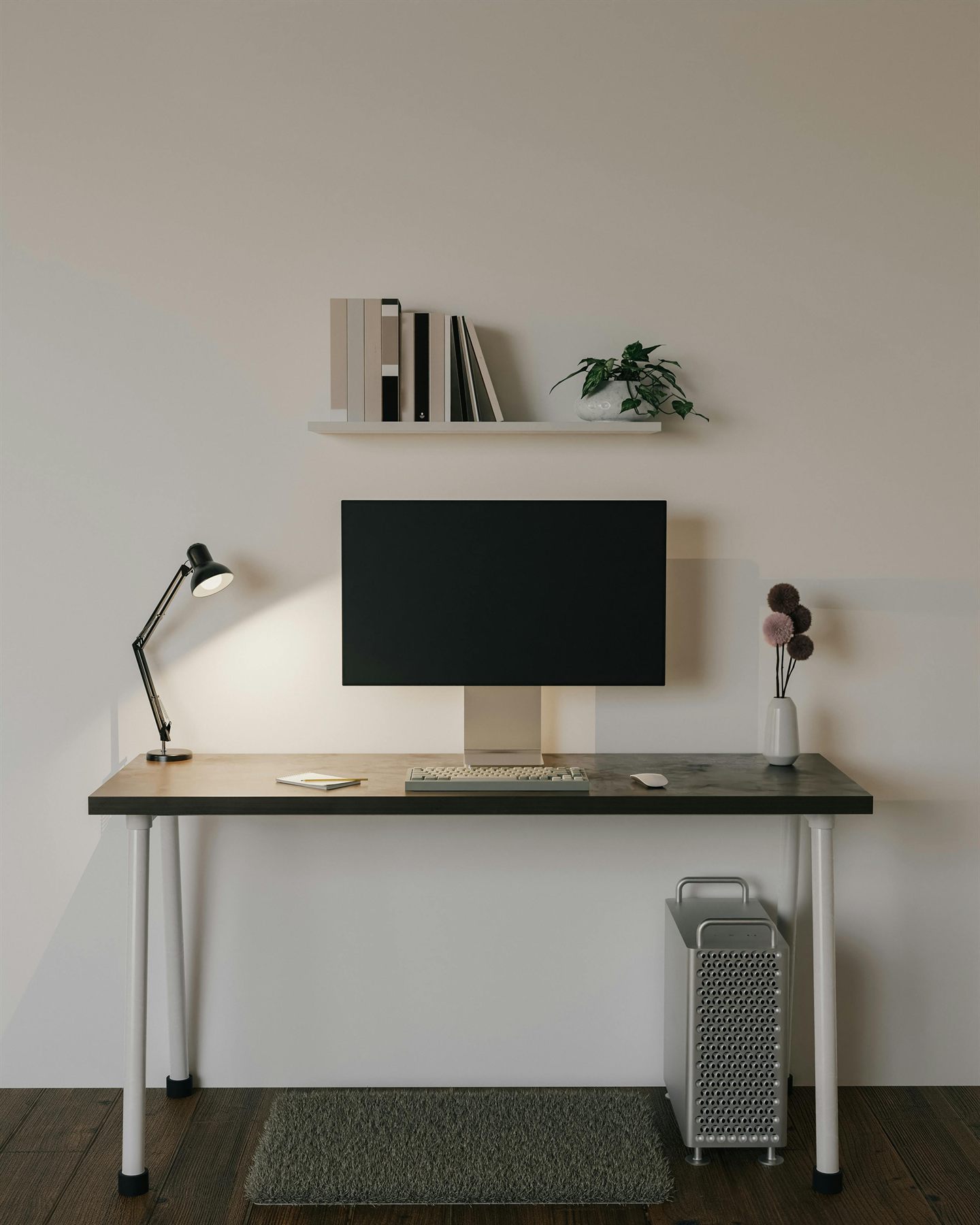
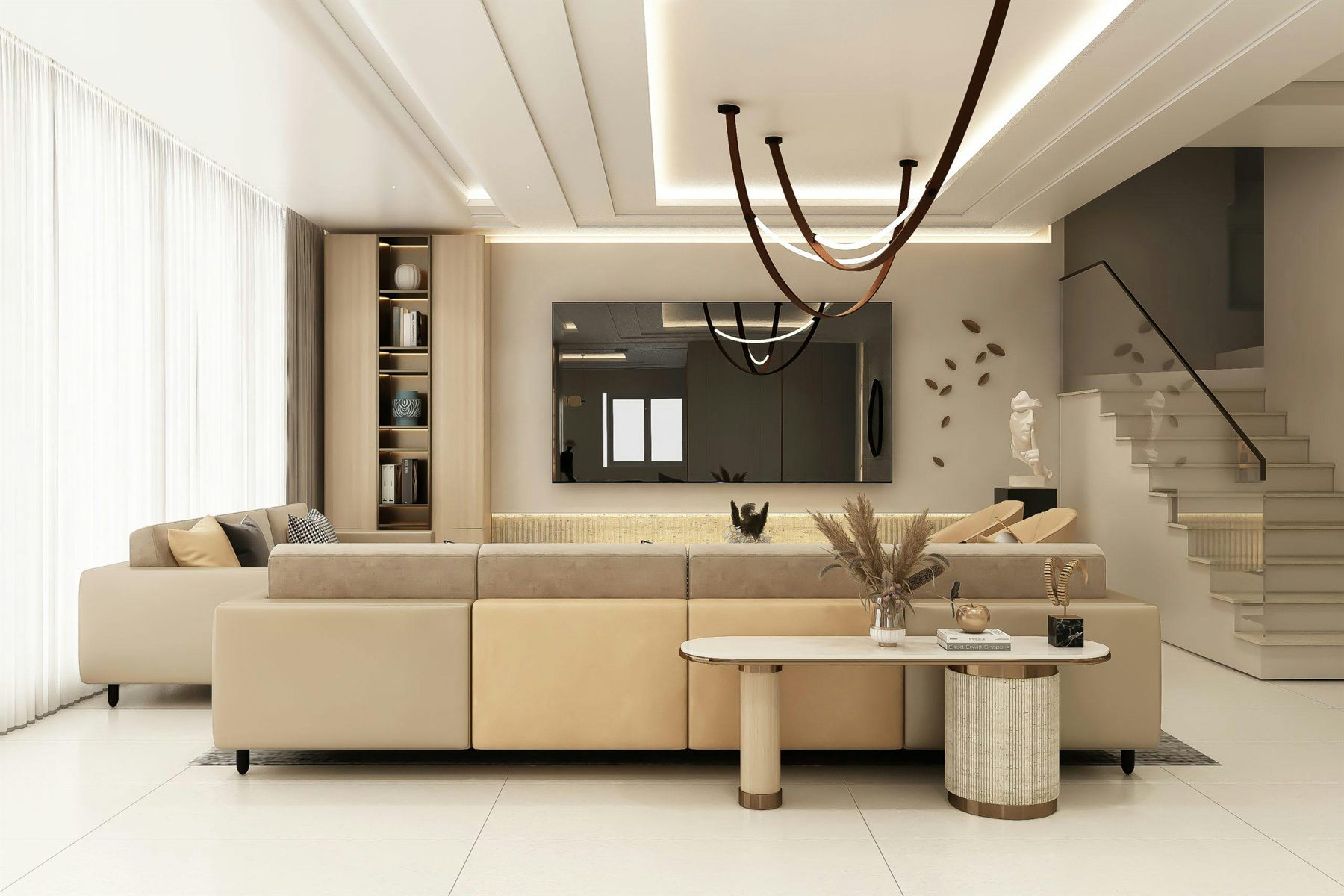
The furniture usually has enough breathing room that pathways feel obvious and the room does not look crowded.
Warm layered light
A room with softer lamps and directional light usually feels more inviting than one relying only on overhead brightness.
Edited decor
Objects feel related to each other and to the room. There is personality, but not random visual noise.
How to Build the Look Without Making It Feel Staged
What usually helps
- +Start by reducing visual noise before adding more decor.
- +Use one calmer color family instead of many unrelated accent colors.
- +Repeat wood, woven texture, or stone so the room feels cohesive.
- +Let lamps, curtains, and textiles soften the room as much as the decorative objects do.
What usually weakens it
- -Buying symbolic objects with no relationship to the room around them.
- -Using only beige without enough texture or contrast to keep the room alive.
- -Packing every surface with plants, bowls, crystals, and accessories at once.
- -Relying on overhead light alone and calling the room calm.
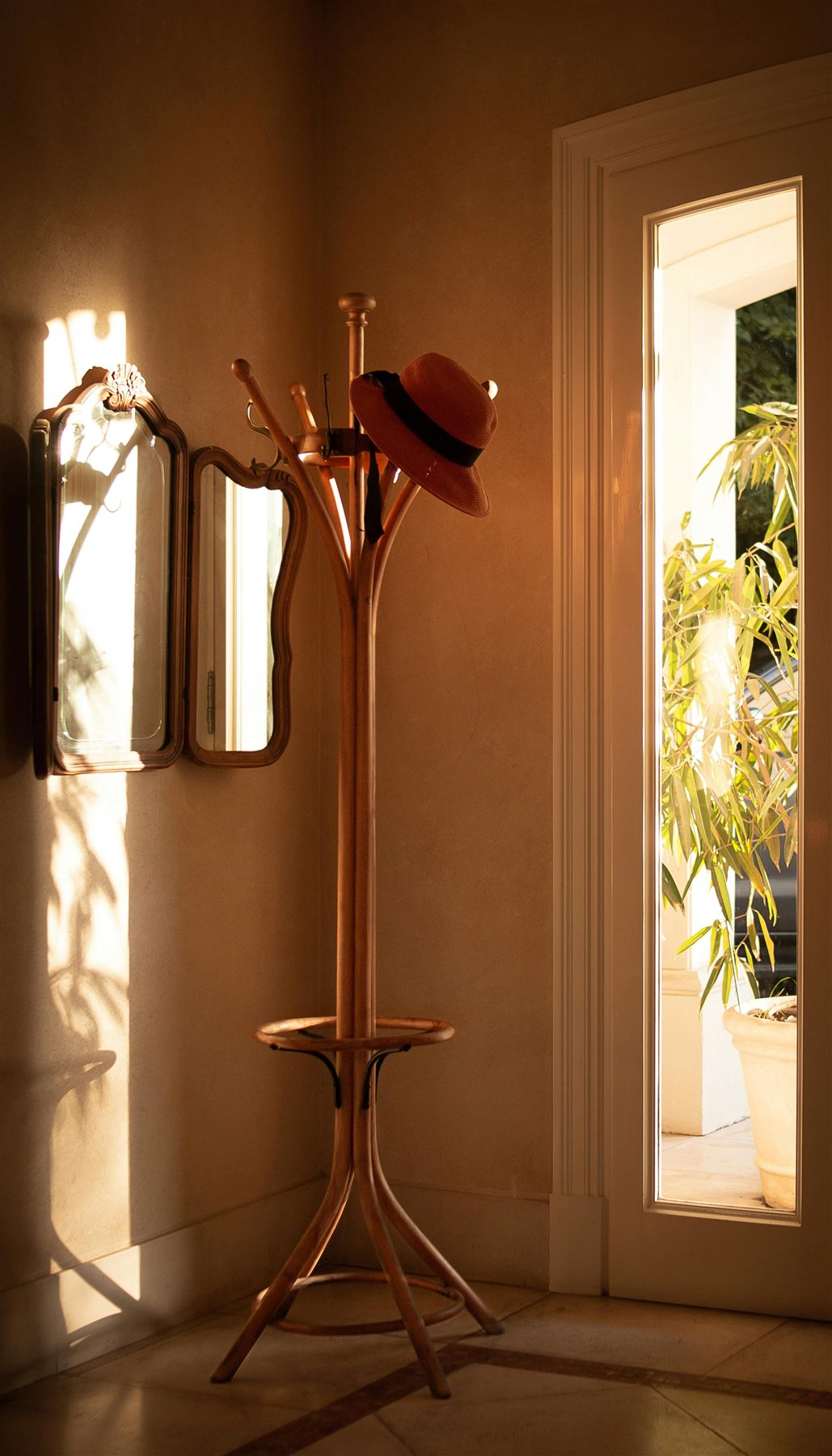
If you want to turn this look into more practical room decisions, the best companion reads are feng shui colors for home, feng shui colors for living room, and feng shui positive energy items.
Frequently Asked Questions
What is the feng shui aesthetic?
Does feng shui aesthetic have to be minimalist?
Which materials fit a feng shui aesthetic best?
What weakens the feng shui aesthetic?
The Bottom Line
The feng shui aesthetic usually feels calm, layered, natural, and slightly edited rather than performative. Softer color, wood, woven texture, better spacing, and warmer light are some of the clearest signals.
You do not need a themed room. You need a room that feels easier to move through, easier to look at, and more settled to actually live in.