



Quick Answer
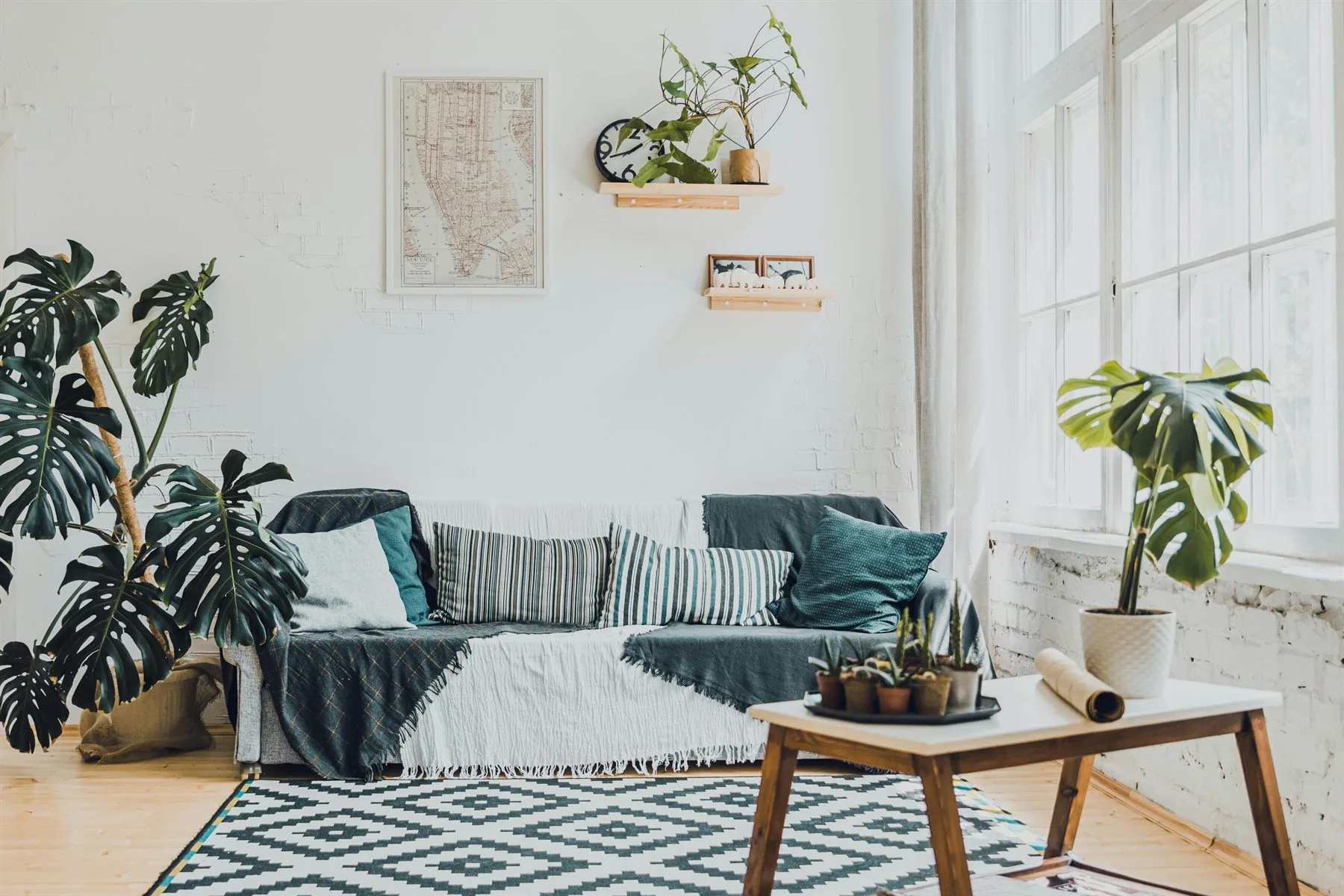
The best feng shui indoor plants are the ones that make the room feel fresher and more cared for without turning it into a greenhouse. Rubber plant, lucky bamboo, fern, pothos, and a few well-placed leafy plants work better than collecting many mismatched pots that never quite settle into the room.
Indoor plants help most when they soften the room, wake up a dull corner, or add a healthier note to an already calm space.
Disclosure: This article includes affiliate links. If you buy through them, we may earn a small commission at no extra cost to you.
In feng shui, plants are less about chasing the perfect symbolic species and more about how the room actually feels after they arrive. If the space looks brighter, more alive, and easier to care for, the plants are probably helping. If they create visual noise, maintenance guilt, or heavy clutter, they are doing the opposite.
Quick Feng Shui Indoor Plant Picks
If you want one plant to start with, choose by the room's light and the feeling you want to add. A plant that survives easily and looks healthy will do more for the room than a symbolic plant that struggles in the wrong spot.
| Plant | Best for | Why it helps | Shop |
|---|---|---|---|
| Rubber plant | Living room corner | Broad leaves add a fuller, grounded anchor. | Shop |
| Lucky bamboo | Desk, shelf, or entry console | It gives a clear growth cue in a small footprint. | Shop |
| Pothos | Open shelves and bookcases | Trailing leaves soften hard shelf lines. | Shop |
| Fern | Bathroom or softer corner | It adds relaxed movement and a gentler texture. | Shop |
| Snake plant | Entry, office, or low-fuss corner | It adds upright structure when used sparingly. | Shop |
The Best Feng Shui Indoor Plants Look Believable in Real Rooms
The strongest plant choices solve a room problem. A fuller plant can soften a hard corner. A shelf plant can add life to a room that feels too plain. One healthier larger plant often does more than five tiny plants scattered around the house. If you want the entry-specific version of this topic, feng shui plants for front doors goes deeper on threshold placement, while bathroom plants for feng shui and bedroom plants for feng shui narrow it down by room. If the workspace is your main problem, best office plants for feng shui is the sharper next read. If you know live plants are not realistic for your setup, best artificial plants for feng shui covers the more believable faux options.
After that first choice, think in shapes rather than collecting more names. Broad leaves create weight, trailing leaves soften shelves, ferns loosen hard edges, and upright plants lift a dull corner. That keeps the decision practical: the plant should answer a room problem, not simply add one more decorative object.
Match the plant to the room first
A jade plant, money tree, or lucky bamboo can be a beautiful wealth cue, but it still needs the right light and a clean surface. Healthy and believable always beats symbolic but struggling.
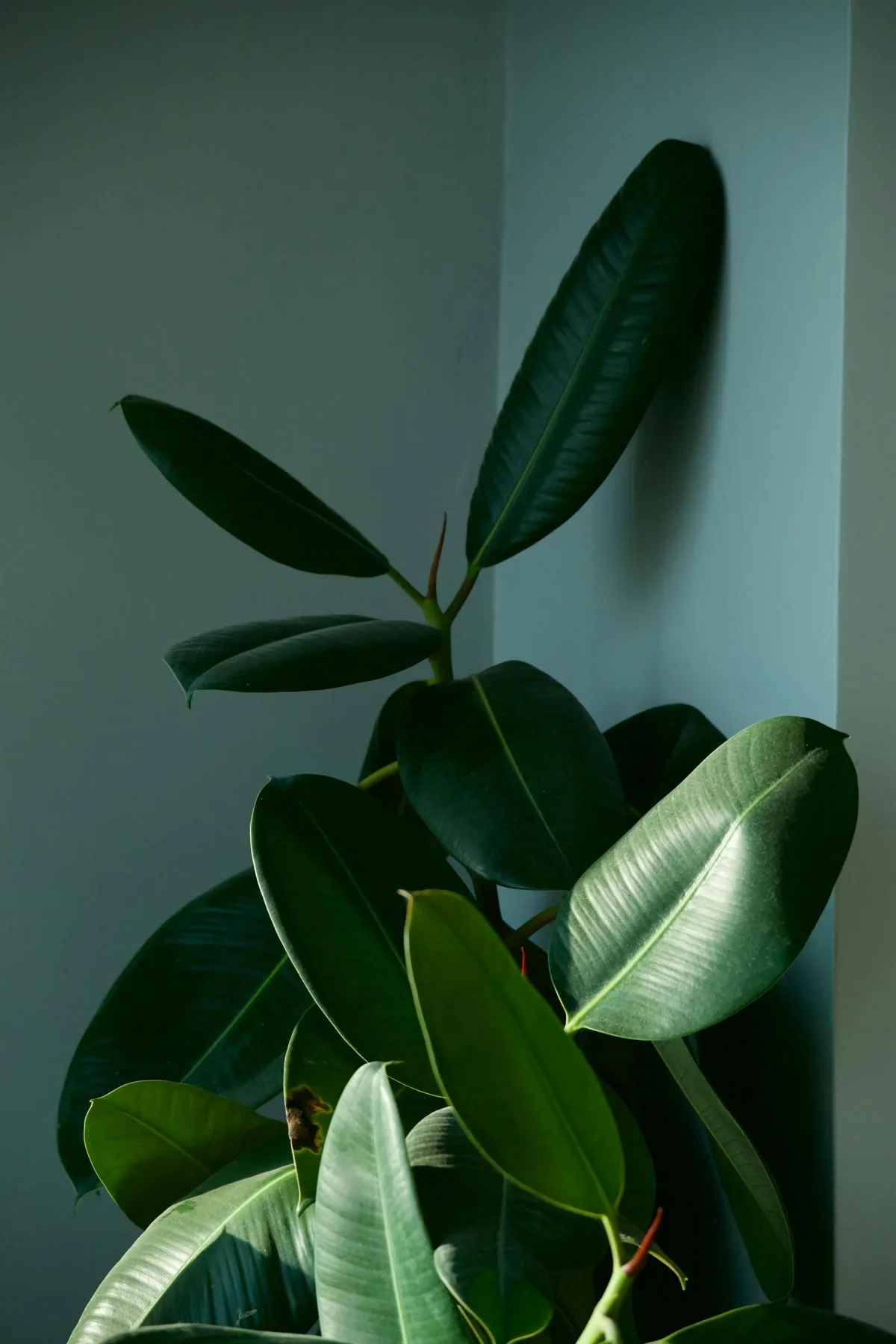
Rubber plant is especially useful when the room feels a little thin visually. The broad leaves bring weight and softness at the same time, which is why it tends to work well in corners that otherwise feel slightly abandoned. If you want one smaller, more specific option, jade plant for feng shui is a good next step.
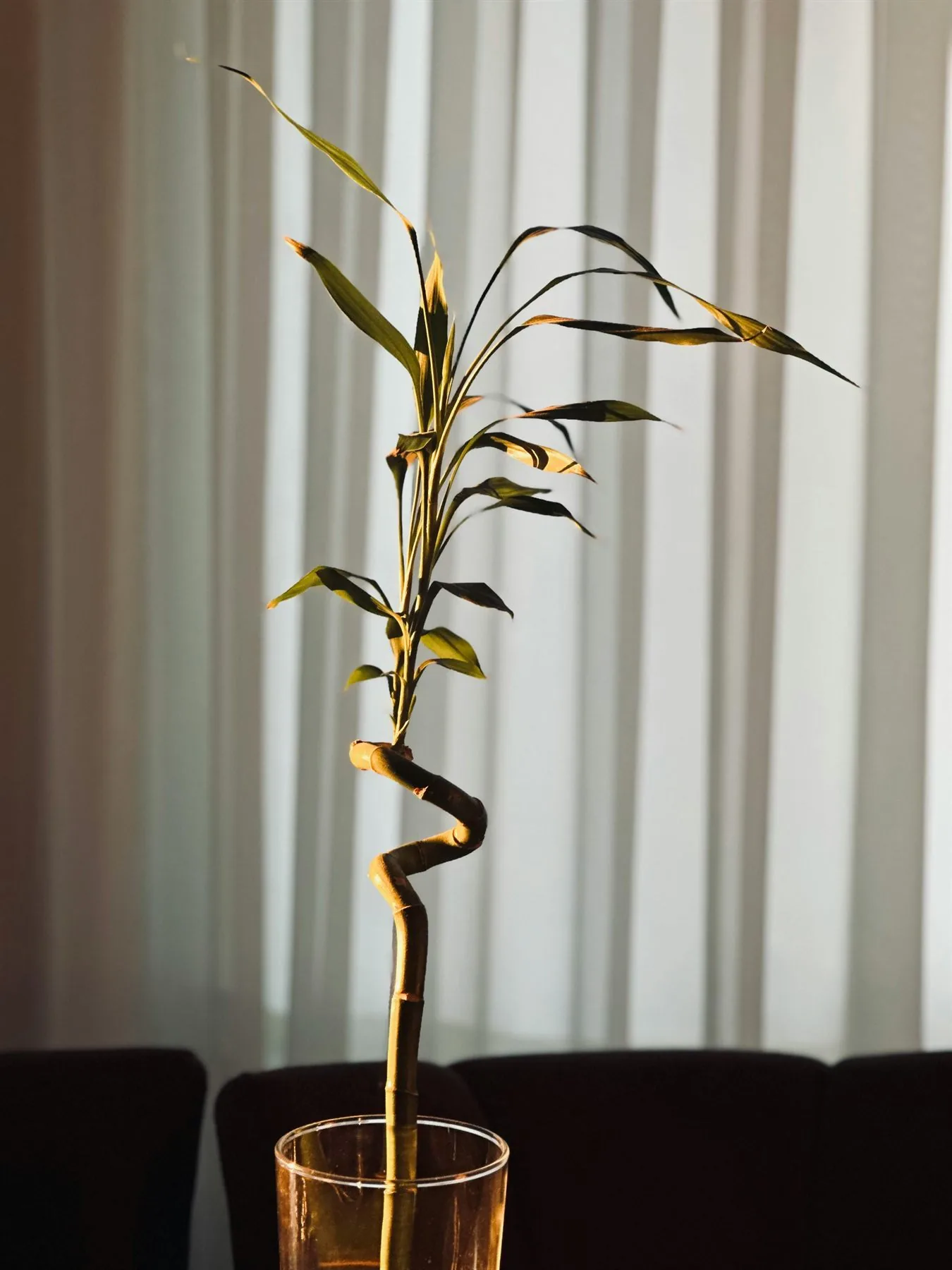
Lucky bamboo makes the most sense on a desk, shelf, or one edited tabletop where the room already looks cared for. It is more effective as one clear moment than as one more object inside a busy corner.
Where Indoor Plants Help Most
These five places are where plants often make the biggest difference.
Living room corners
A single larger plant can soften a hard corner and help the room feel more settled.
Shelves that feel too rigid
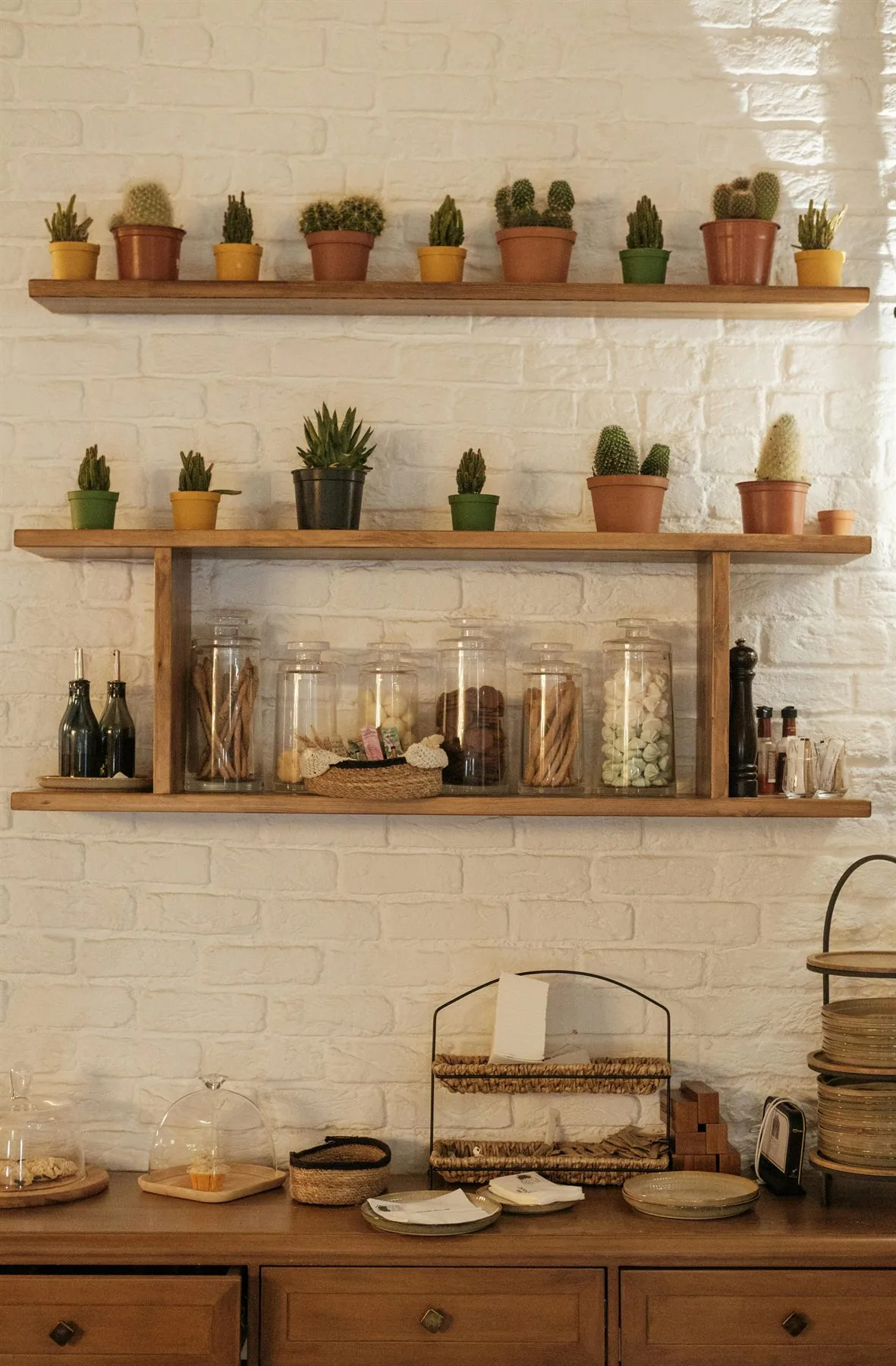
One trailing or upright plant breaks up hard lines without adding a lot of extra decor.
Bedrooms that feel visually dry
One quieter plant can bring life to a room that otherwise feels flat, especially when paired with softer color.
Workspaces
A smaller healthy plant can keep the desk from feeling sterile or overly technical.
Money-support surfaces
Growth cues like plants often fit naturally into abundance styling when the rest of the surface is edited.
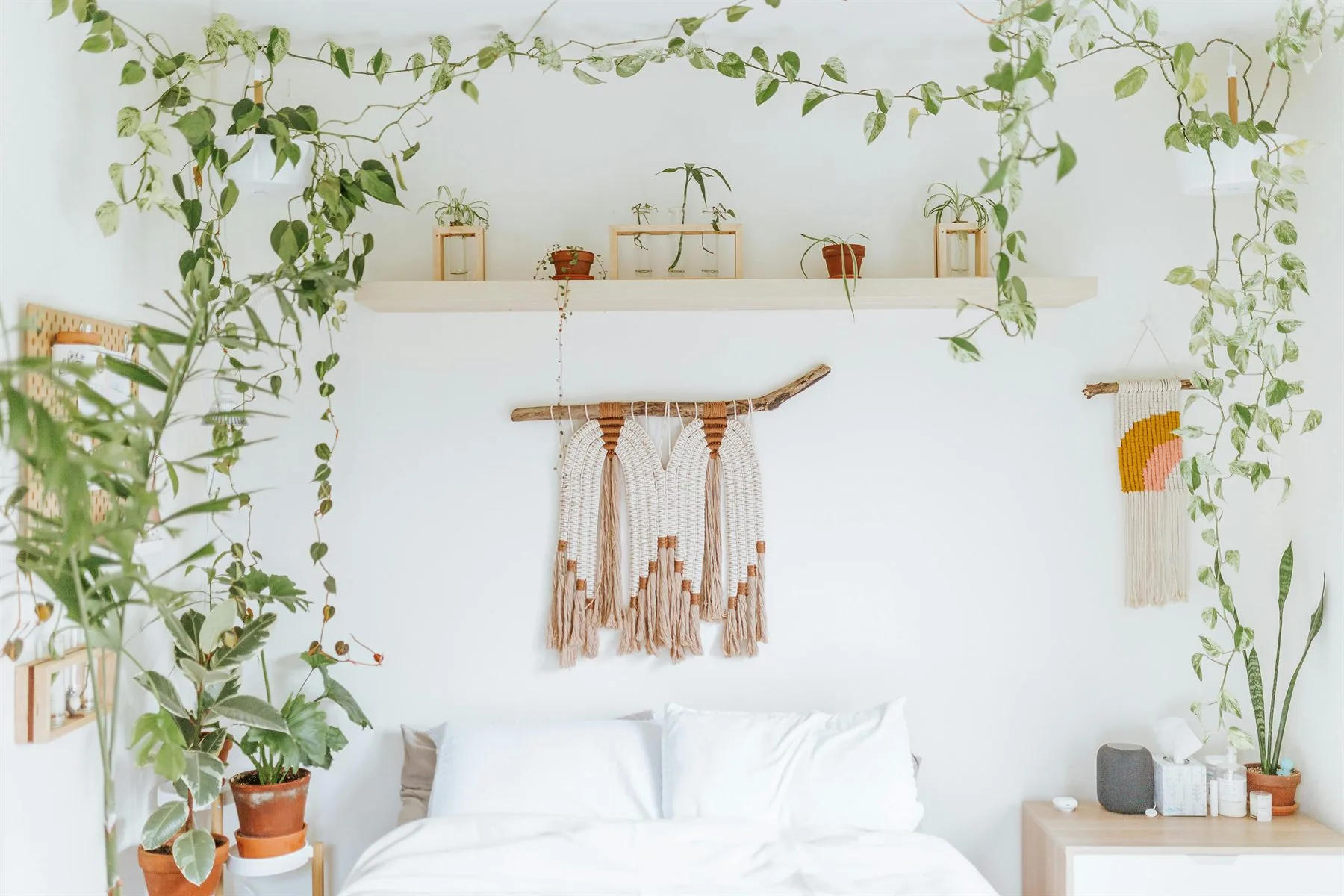
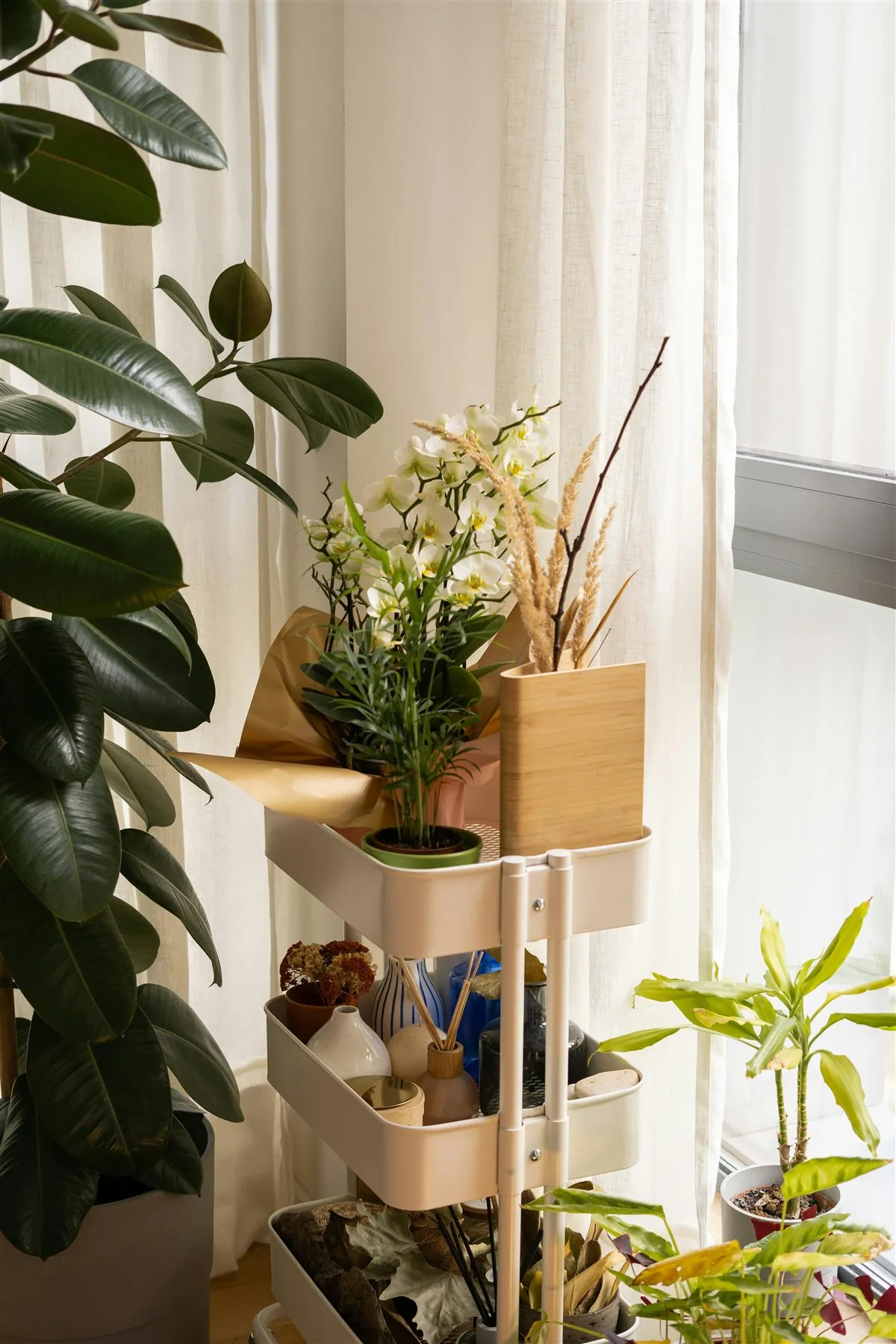
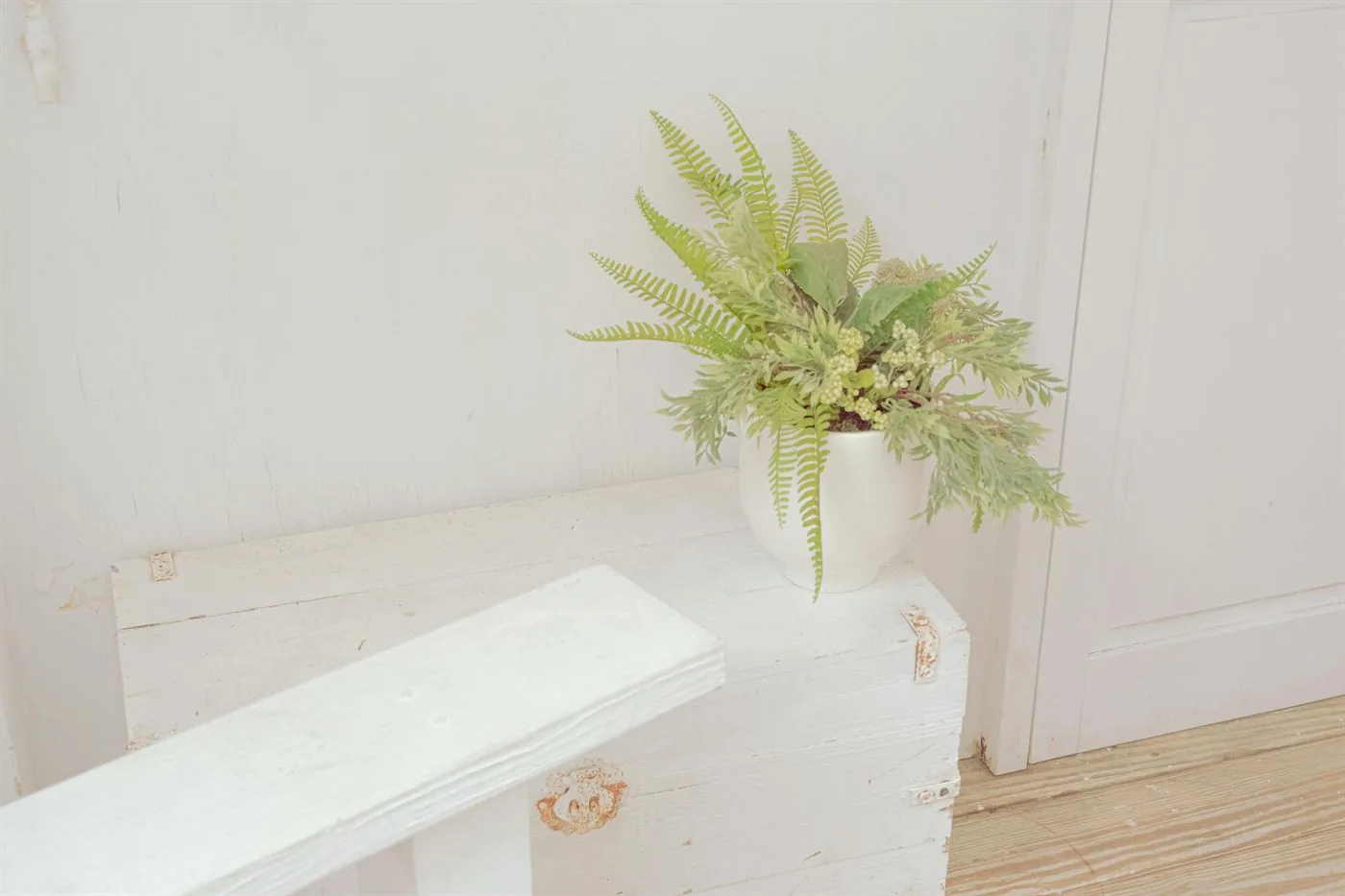
If the room is already on the softer side, fern-like foliage often fits better than sharp plant silhouettes. If the room needs more visual lift, an upright plant does the job more clearly. The same shape-first thinking also matters in feng shui inspiration, where mood comes from choosing the right silhouette for the room, not only the right object.
Where Indoor Plants Can Backfire
Plants are not automatically good in every spot. A plant can weaken the room when it blocks a doorway, crowds the bed, hides on a dark shelf, or adds a sharp shape where the room needs rest.
| Placement problem | Why it feels off | Better move |
|---|---|---|
| Too many plants beside the bed | The bedroom starts to feel visually busy instead of restful. | Keep one calm plant away from the pillow zone, or skip plants in small bedrooms. |
| Spiky plants in soft rooms | Sharp silhouettes can feel defensive near seating or sleep areas. | Use rounder leaves in restful spaces and keep spiky plants for active corners. |
| Plants in poor light | A tired plant reads as neglect, not growth. | Move it closer to light or choose a more tolerant plant. |
| Plant clutter on every shelf | The room feels harder to clean and visually heavier. | Group fewer plants with more breathing room. |
What Weakens Indoor Plant Feng Shui
What helps
- +Choose fewer healthier plants instead of many struggling ones.
- +Match the plant size to the scale of the room and corner.
- +Use pots that suit the room so the plant feels integrated.
- +Keep leaves dusted and remove anything dead quickly.
What weakens the room
- -Filling every shelf and sill with plants just because greenery sounds good.
- -Keeping plants in low light where they always look tired.
- -Using many tiny mismatched pots that read like clutter.
- -Ignoring maintenance and hoping symbolism will carry the room.
The easiest plant rule
If you are not sure where to start, use one larger healthy plant in the spot that looks slightly empty or visually hard. One convincing plant works better than many half-working ones.
Frequently Asked Questions
What are the best feng shui indoor plants?
Are indoor plants good feng shui?
Where should feng shui indoor plants go?
What weakens feng shui indoor plants?
The Bottom Line
The best feng shui indoor plants make the room feel fresher, more alive, and more cared for. That means choosing fewer stronger plants and placing them where they genuinely improve the mood of the space.
If the room looks calmer and healthier after the plant arrives, it is probably a good fit. If it looks busier or harder to maintain, simplify.