



Quick Answer
Choose a feng shui indoor plant by the conditions you actually have: available light, floor or shelf space, humidity, maintenance time, and whether children or pets can reach it. A healthy plant that fits the room supports a calmer sense of growth. A struggling or obstructive plant does not become helpful simply because its name is considered lucky.
This guide is the starting point for choosing and placing plants throughout the home. It covers the practical decision first, then routes you to the room-specific guide when light, moisture, scale, or placement needs a more precise answer.
If you are choosing a living Pachira, the money tree placement guide covers its light, growing space and care, and explains how wealth symbolism differs from the practical conditions that keep the plant healthy.
Disclosure: This article includes affiliate links. If you buy through them, we may earn a small commission at no extra cost to you.
Choose a Feng Shui Indoor Plant by Real Conditions
Plant names are less useful than a condition check. Measure the open width, watch the light over a full day, and decide how often you will realistically inspect the soil. Then confirm the exact botanical name before bringing a plant into a home with pets or small children. Common names can refer to different species with different safety profiles.
Indoor plant chooser by light, space, care, humidity, and pet access
Scroll sideways to compare all columns.
| Plant | Light | Available width | Care and humidity | Pet note |
|---|---|---|---|---|
| Cast iron plant | Low to medium indirect light | 18–30 in (46–76 cm) | Low-maintenance; ordinary home humidity | Generally listed as non-toxic; verify the botanical name |
| Parlor palm | Low to bright indirect light | 24–36 in (61–91 cm) | Moderate care; appreciates some humidity | Generally listed as non-toxic to cats and dogs |
| Boston fern | Medium indirect light | 24–36 in (61–91 cm) | Higher care; prefers steady moisture and humidity | Generally listed as non-toxic to cats and dogs |
| Peperomia | Medium to bright indirect light | 8–16 in (20–41 cm) | Low to moderate care; let the mix partly dry | Many common species are listed as non-toxic; verify the species |
| Pothos | Low to bright indirect light | 8–18 in (20–46 cm), plus trailing length | Low-maintenance; ordinary home humidity | Toxic if chewed by cats or dogs; keep inaccessible |
| Snake plant | Low to bright indirect light | 8–24 in (20–61 cm) | Low-maintenance; allow the mix to dry well | Toxic to cats and dogs |
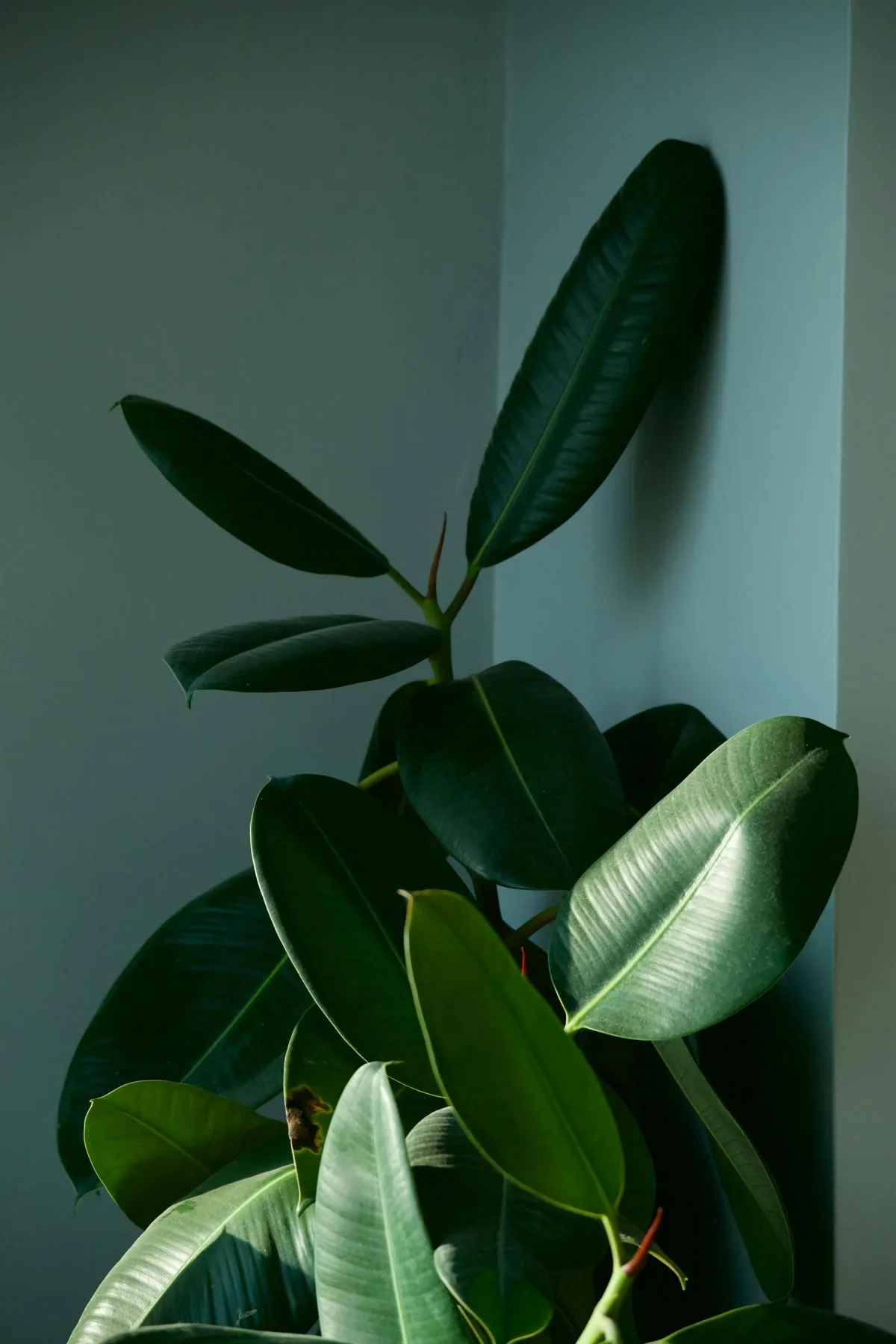
| Rubber plant | Medium to bright indirect light | 24–48 in (61–122 cm) | Moderate care; dislikes waterlogged soil | Ficus elastica can irritate pets; do not confuse it with baby rubber plant |
Light descriptions are relative, not promises. The University of Minnesota Extension describes low light as a north window or a fairly dark corner that is still bright enough to read in. Its indoor-light guide places pothos, snake plant, parlor palm, cast iron plant, and Chinese evergreen among lower-light foliage choices, while rubber plant and many ferns generally fit medium light better.
Pet-safe means species-specific
Use the exact botanical name when checking the ASPCA plant database or asking your veterinarian. Pothos, peace lily, snake plant, jade, Dracaena, and several popular Ficus species can cause problems when chewed. The ASPCA's houseplant safety overview explains why a familiar common name is not enough for a safety decision.
Best Indoor Plants by Room
The best room match balances appearance with survival. A humid bathroom can support a fern only if it also receives enough light. A bedroom needs an uncluttered sleep zone more than it needs a symbolic plant. An entry needs clear circulation before it needs greenery.
Practical plant starting points for each room
Scroll sideways to compare all columns.
| Room | Useful starting point | Placement check | Detailed guide |
|---|---|---|---|
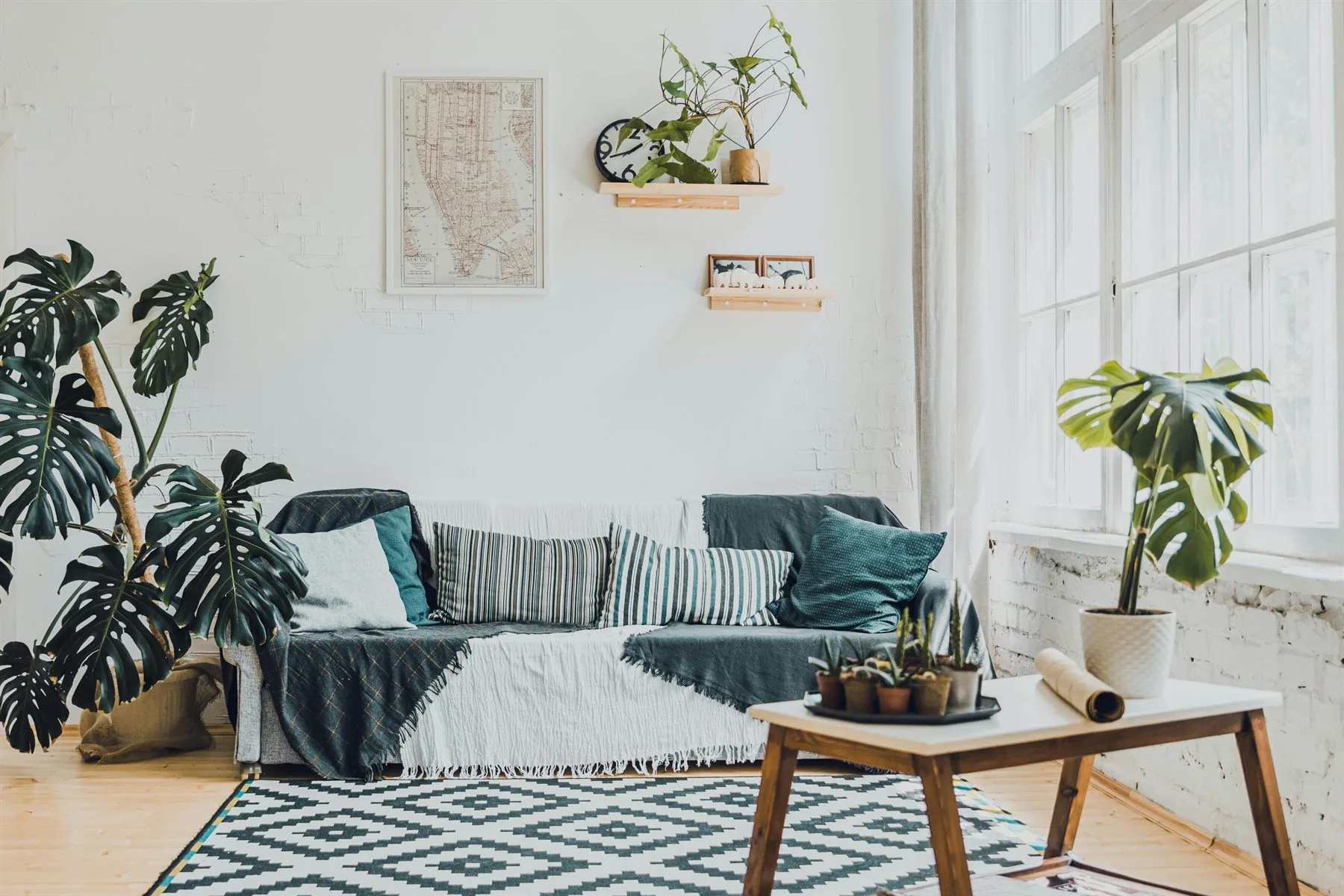
| Living room | Rubber plant, parlor palm, or cast iron plant | Keep the mature canopy out of walking and conversation paths | Tall indoor plants |
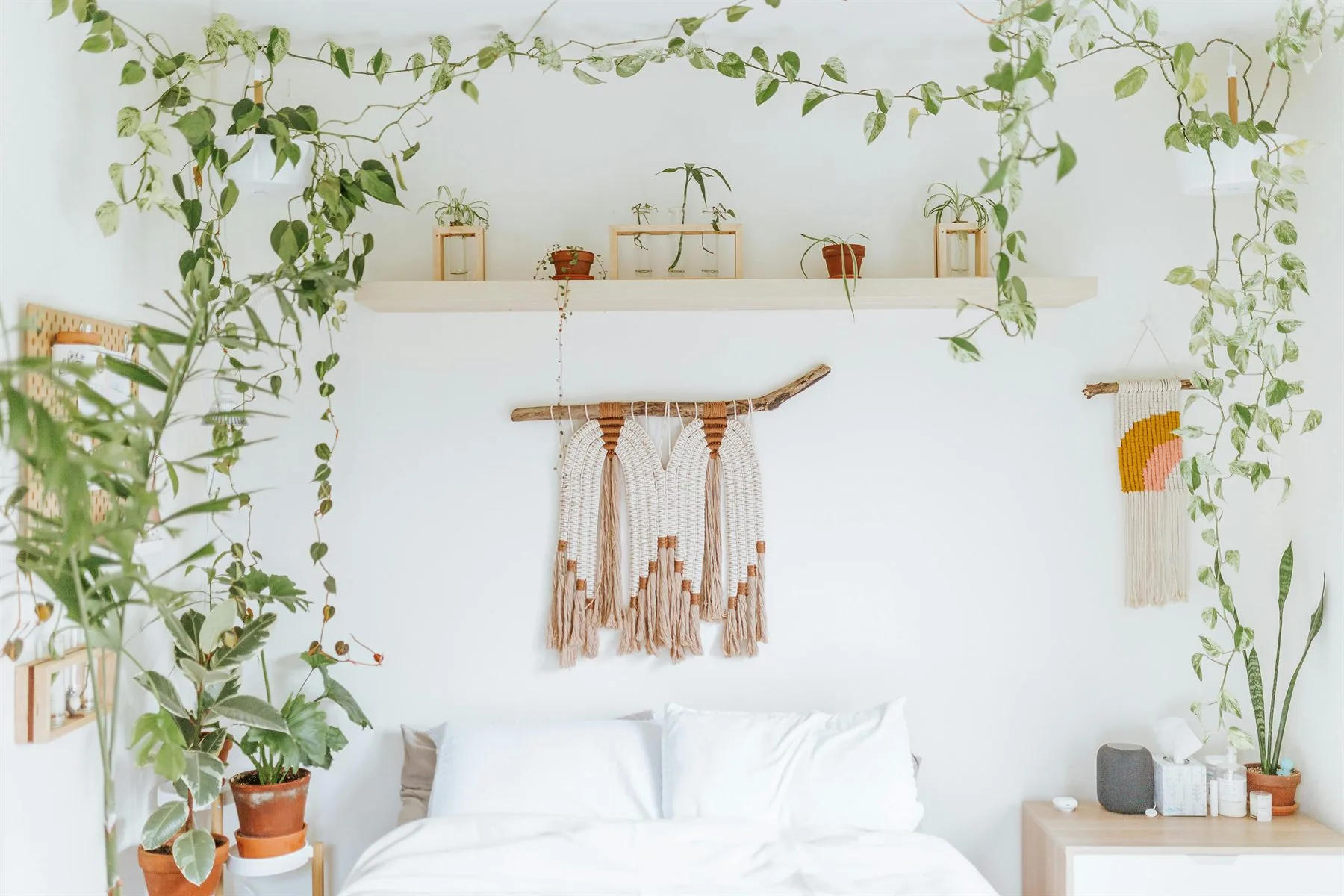
| Bedroom | One compact peperomia, parlor palm, or no plant | Do not crowd the bedside, doorway, or limited floor area | Bedroom plants |
| Bathroom | Boston fern or another humidity-tolerant plant when light is adequate | Humidity cannot compensate for a room with no usable light | Bathroom plants |
| Home office | Peperomia, parlor palm, or one trailing plant | Preserve desk surface, screen visibility, task light, and cable access | Office plants |
| Front door or foyer | Cast iron plant or compact palm where light supports it | Keep the door swing and arrival path completely clear | Front-door plants |
| Windowless room | A plant under a grow light, or a realistic artificial plant | Plan the light source and timer before buying the plant | Windowless-room plants |
Low Light Is Not the Same as Windowless
A low-light room still provides usable light. A genuinely windowless room does not. A snake plant may tolerate a darker corner for a while, but “low light” does not mean “no light forever.” In a windowless bathroom, office, or hallway, give foliage plants a suitable full-spectrum light on a timer or choose an artificial plant. Rotating a declining plant between darkness and a bright room is less dependable than designing the light correctly. For a live snake plant in a normal room, our species-specific placement guide checks light, pot size, paths and pet access.
Signs that the current light is inadequate include growth leaning strongly toward a lamp or doorway, long weak spacing between leaves, loss of lower foliage, and soil that stays wet for too long because the plant is barely growing. Our windowless-room plant guide explains grow-light position, timer use, and faux alternatives in detail.
Floor Plants Versus Desk and Shelf Plants
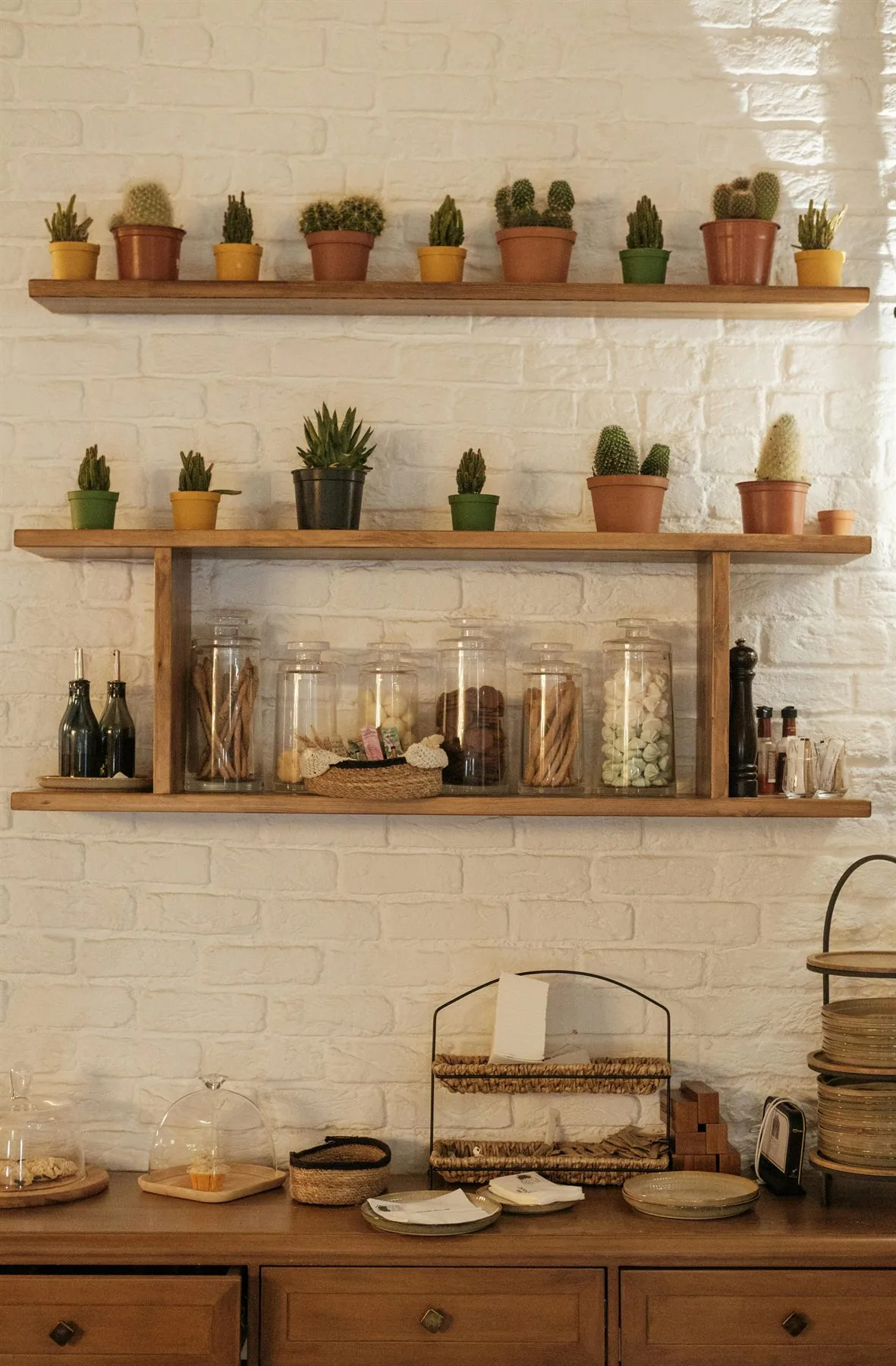
Choose the plant layer that solves the room's actual visual problem. A floor plant anchors an empty corner. A desk plant softens a technical workspace. A shelf plant breaks a long horizontal line. Using all three in a small room often creates more maintenance and visual noise than the room can support.
Choose plant scale by the job it needs to do
Scroll sideways to compare all columns.
| Plant layer | Best use | Space to protect | Common mistake |
|---|---|---|---|
| Floor plant | Softening an empty corner or balancing a tall cabinet | Walking path, door swing, vents, and mature canopy width | Buying for nursery size instead of mature room scale |
| Desk plant | Adding one living focal point to a work surface | Keyboard, task light, cables, and reach zone | Using a spreading or shedding plant in the work area |
| Shelf plant | Softening rigid shelving or trailing from a bright upper level | Light access, watering access, and secure pot placement | Putting a toxic trailing plant within a pet's reach |
Pet and Child Safety Comes Before Symbolism
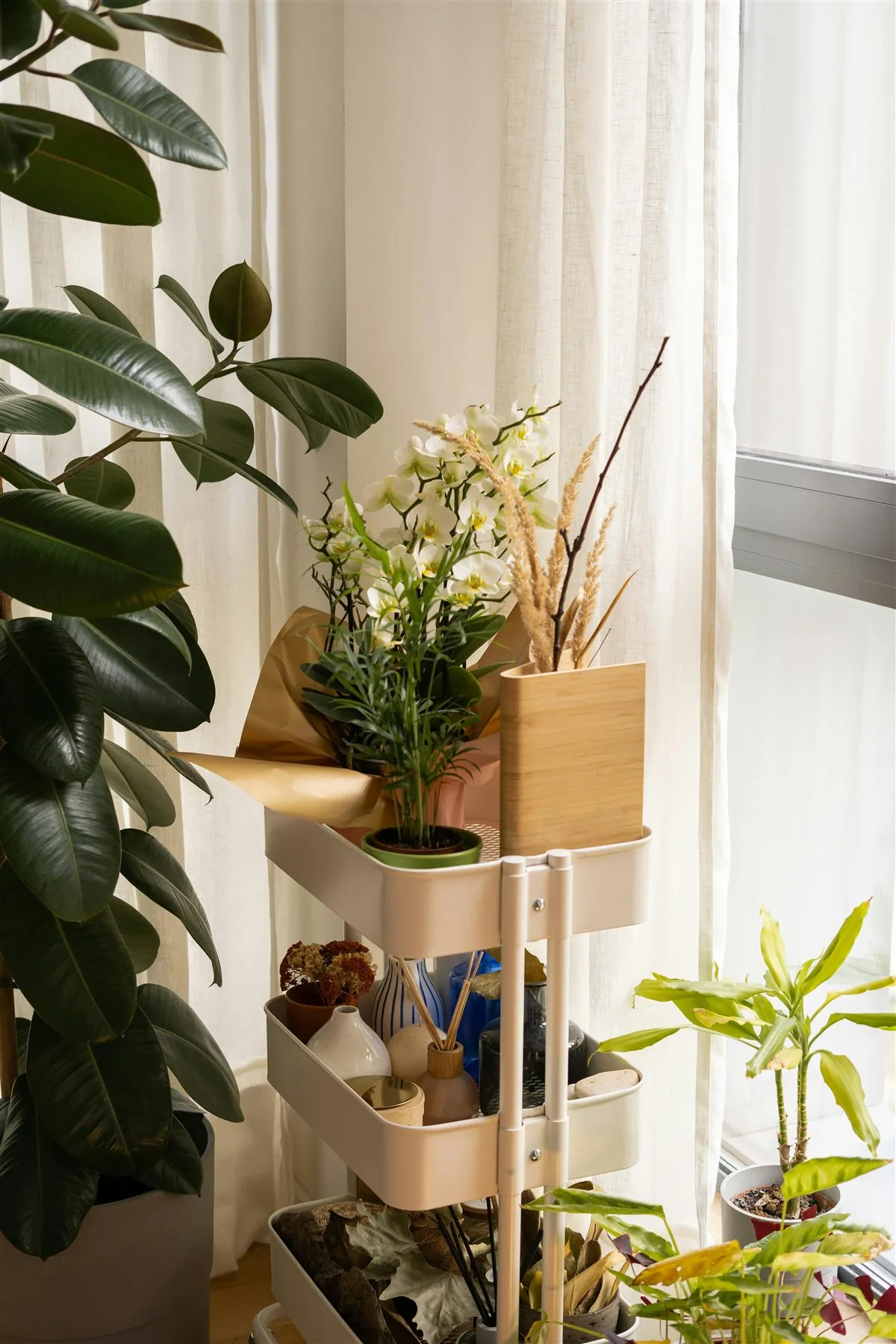
Place any chewable, irritating, thorny, or heavy-potted plant beyond a child's or pet's reach, but do not rely on height alone: cats climb, trailing vines hang down, and tall floor plants can tip. Secure unstable planters, avoid loose decorative stones around toddlers, and do not let standing water collect where a child or animal can access it. If a pet may have eaten a plant, contact a veterinarian or animal poison-control service instead of waiting for symptoms.
For a pet-accessible floor or low shelf, investigate exact species such as parlor palm, Boston fern, or Peperomia rather than assuming every palm, fern, or “rubber plant” is equivalent. The ASPCA's searchable toxic and non-toxic plant list is a useful verification step, not a substitute for veterinary advice.
Drainage, Overwatering, and Unhealthy-Plant Warning Signs
Use a growing pot with a drainage hole inside the decorative outer pot, then empty excess water after watering. A sealed decorative pot can hide saturated soil and root decline. Pennsylvania State Extension's repotting guidance recommends drainage holes so excess water can escape rather than leaving the mix waterlogged.
Healthy-care signals
- +New growth is proportionate and oriented toward available light without extreme stretching.
- +The pot drains freely and excess water is removed from the outer container.
- +Leaves are cleaned and checked for scale, mites, webbing, or sticky residue.
- +Watering follows soil moisture and species needs rather than a rigid calendar.
Warning signs to investigate
- -Soil remains wet for many days and develops algae, odor, or fungus gnats.
- -Lower leaves yellow repeatedly while stems or roots become soft.
- -The plant leans, stretches, or drops leaves after being placed in a dark corner.
- -Dead foliage and standing water are left because the plant is considered lucky.
Wilting does not always mean a plant needs more water. It can also accompany saturated soil, root rot, cold damage, low humidity, or a root-bound pot. Check the soil and roots before watering again. A visibly declining plant is a care problem to solve, not a feng shui failure to hide.
Live Versus Artificial Plants
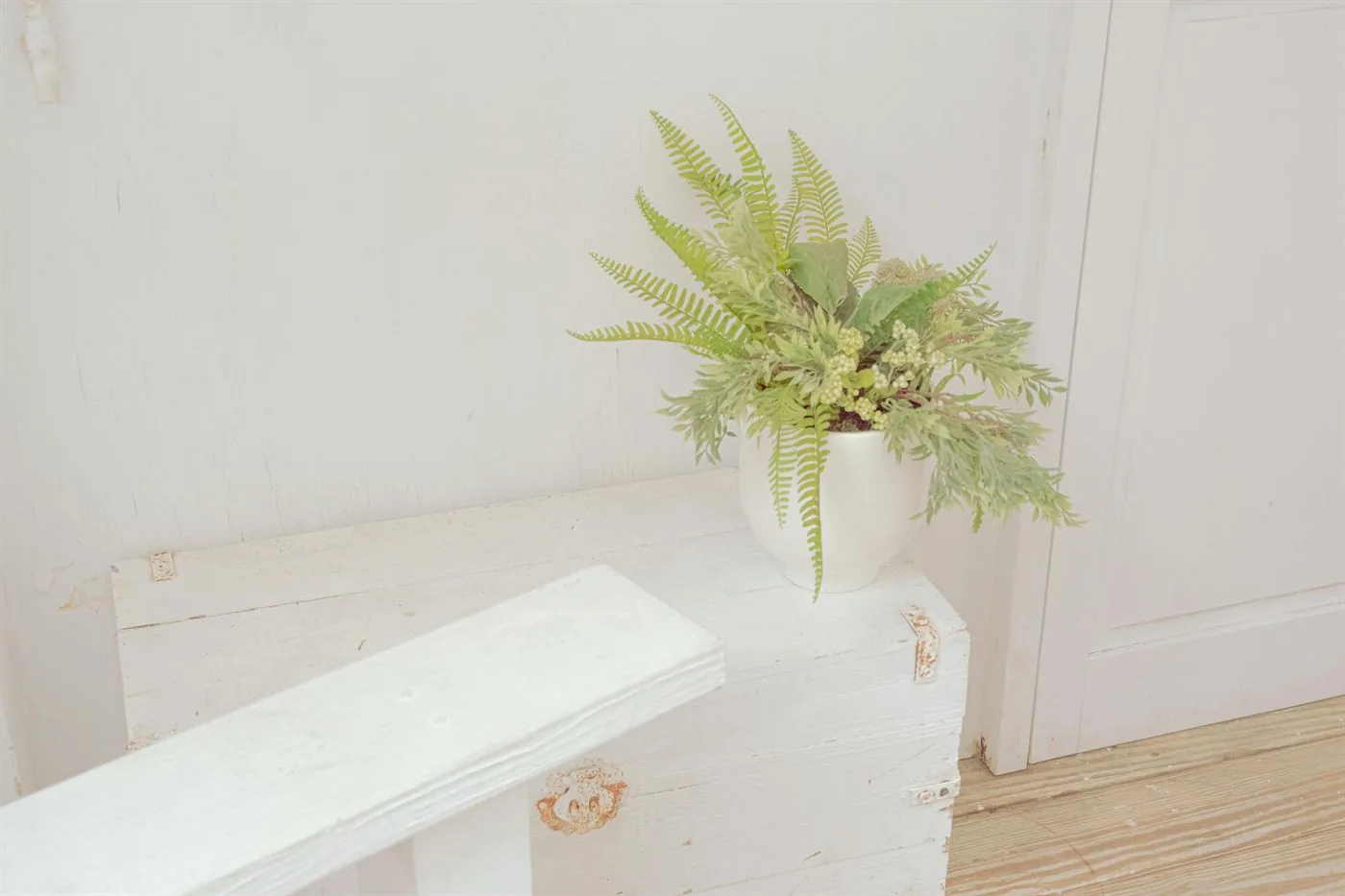
Choose a live plant when the room can support its light, water, temperature, and safety needs. Choose a convincing artificial plant when a space is truly windowless, frequently unattended, unsafe for the live species you prefer, or too difficult to water without damage. An artificial plant still needs correct scale, a believable pot, clean leaves, and restrained placement.
When a live or artificial plant is the more honest choice
Scroll sideways to compare all columns.
| Situation | Better starting point | Why |
|---|---|---|
| Usable natural light and regular care | Live plant matched to the conditions | Growth and seasonal change become part of the room |
| Windowless room without a grow-light plan | Artificial plant | It avoids keeping a live plant where it cannot sustain growth |
| Pet or child can reach the preferred toxic species | Verified non-toxic species or artificial alternative | Safety takes priority over plant symbolism |
| Frequent travel or unreliable watering | Very tolerant live plant or artificial plant | The room should not depend on care you cannot consistently provide |
Our artificial plant guide compares leaf finish, branch spacing, room scale, and placement so a faux plant reads as deliberate rather than as a shortcut.
Continue to the Right Plant Guide
Use this hub to make the first decision, then choose the guide that matches the constraint you are solving: bathroom humidity and light, bedroom calm and scale, office surfaces and maintenance, front-door climate and circulation, genuinely windowless rooms, or tall floor plants. For a specific symbolic plant, use the lucky bamboo placement guide or jade plant guide.
Frequently Asked Questions
What are the best feng shui indoor plants?
Can plants live in a windowless room?
Which feng shui plants are safer around pets?
Where should indoor plants go in feng shui?
Are artificial plants bad feng shui?
The Bottom Line
Treat feng shui indoor plants as a room-planning decision, not a lucky-species checklist. Match the plant to light, space, care, humidity, and household safety before considering symbolism.
One healthy plant with a clear purpose usually contributes more than a collection that blocks movement, strains the available light, or becomes difficult to maintain.